
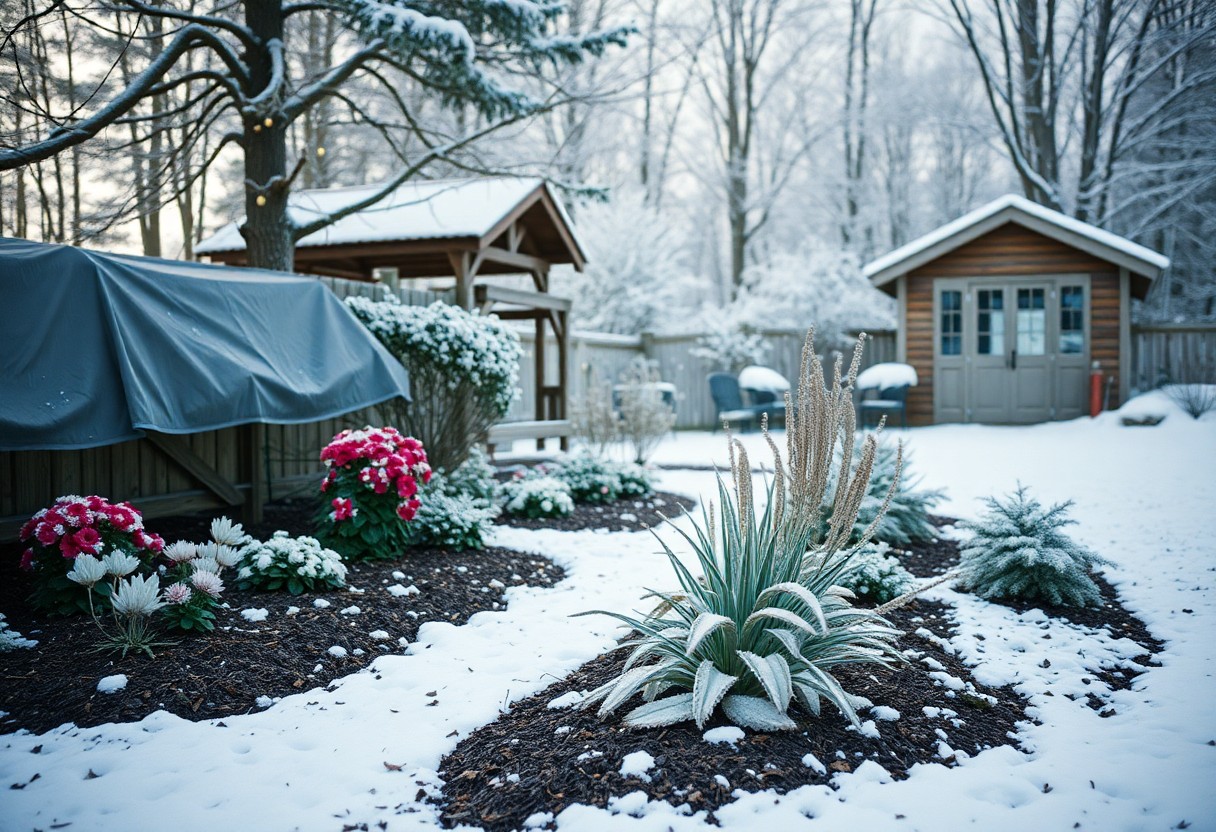
You need to take the right steps to ensure your garden survives the harsh winter months ahead. Properly preparing your garden can prevent damage to plants and flowers, ensuring they thrive come spring. Start by removing debris and protecting vulnerable plants with mulch or coverings. This guide will walk you through vital tasks to safeguard your garden and keep it healthy during the cold season. Let’s probe how you can effectively put your garden to sleep the right way!
Understanding Winter Preparation
As the cold months approach, understanding the concept of winter preparation for your garden becomes crucial. Properly putting your garden to sleep not only protects your plants but also ensures a thriving landscape come spring. By familiarizing yourself with winter preparation techniques, you can safeguard your garden from harsh conditions and enhance its health for the coming seasons.
Importance of Preparing Your Garden
To maintain the longevity of your garden, winter preparation is crucial. Taking steps to protect your plants from freezing temperatures and harsh winds can prevent damage and disease. Additionally, a well-prepared garden requires less effort come spring, allowing you to enjoy the blooming beauty with minimal fuss.
Factors to Consider Before Winter
On your journey toward winterizing your garden, several factors play a significant role in ensuring a smooth transition. Consider these elements:
- Plant types: Different plants have varying resilience to cold.
- Soil condition: Properly amend your soil pre-winter.
- Projected temperatures: Stay aware of forecasts to plan ahead.
- Microclimates: Identify protected areas within your garden.
Recognizing these factors will enable you to tailor your winter preparation strategy effectively.
Winter presents unique challenges for your garden. With decreasing temperatures and potential frost, it’s important to assess how each aspect of your garden will be affected. Focus on these key areas:
- Watering needs: Adjust schedules to prevent frozen roots.
- Mulching: Insulation for the soil can provide valuable protection.
- Plant placement: Ensure vulnerable species are safeguarded.
- Maintenance tools: Gather the right gear for winter care tasks.
Recognizing these elements will help you mitigate risks and promote a healthy recovery for your garden in spring.
How to Assess Your Garden’s Needs
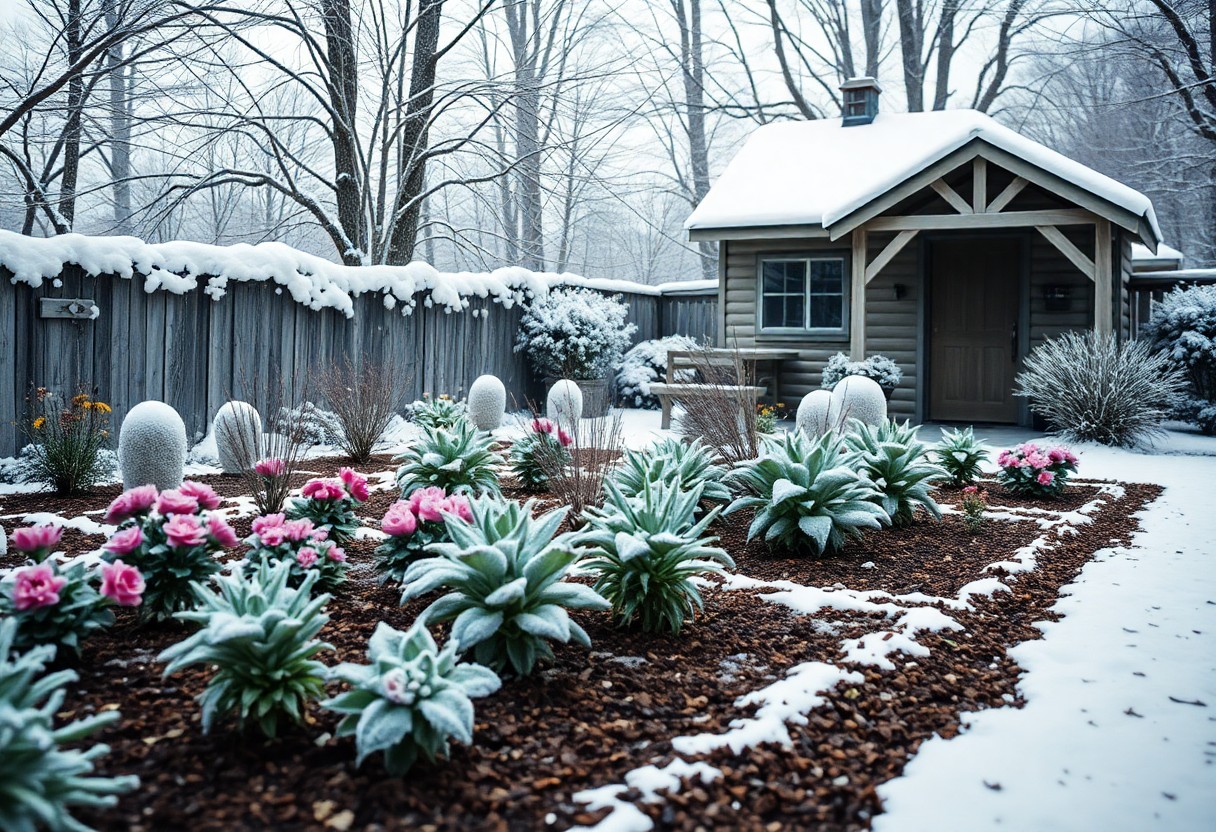
One of the first steps in putting your garden to sleep is assessing its needs. Before you tuck everything in for the winter, take the time to evaluate what your garden requires to thrive in the spring. Consider the condition of your soil, the health of your plants, and any potential vulnerabilities that could affect their survival during the colder months.
Evaluating Soil Quality
Your soil is the foundation of your garden’s health. To ensure it provides the necessary nutrients to your plants, check for compaction, drainage issues, and nutrient levels. Conducting a simple soil test can help identify pH levels and nutrient deficiencies, allowing you to amend it appropriately before winter sets in.
Identifying Plant Vulnerabilities
Assuming all your plants will survive winter without intervention can lead to devastating losses. Be proactive by inspecting your plants for signs of stress, disease, or pest damage. Take note of species that are less hardy, as these will need additional protection to endure the harsh winter conditions.
Evaluating your plants’ vulnerabilities is imperative to ensuring their survival. Start by checking for any existing damage or signs of pests that could weaken their defenses. Pay attention to hardiness zones; plants outside their zone may require extra measures, such as mulching or coverings. Additionally, newly established plants are often more susceptible to winter stresses, so consider extra insulation for them. By identifying these challenges early, you can take actionable steps to safeguard your garden and promote a healthy spring revival.
Tips for Protecting Your Plants
Assuming you want to ensure your plants survive the winter, consider these key strategies:
- Use mulch to insulate soil
- Apply row covers for tender plants
- Group potted plants together for warmth
- Water your plants well before freezing temperatures
Perceiving your efforts can lead to flourishing plants come spring.
Mulching Techniques
Mulching is an excellent way to protect your garden from harsh winter conditions. Apply a thick layer of organic mulch, like straw or wood chips, around the base of your plants. This will not only provide insulation but also allow for moisture retention and prevent soil erosion. Ensure your mulch layer is thick enough to create a barrier against freezing temperatures.
Choosing Appropriate Coverings
If you want to safeguard your vulnerable plants, opt for protective coverings. Select floating row covers or frost blankets that trap heat while allowing light and moisture to penetrate. These coverings are especially beneficial for young seedlings and delicate flowers that can suffer from extreme cold.
Protecting your plants with the right coverings is imperative for their survival. Utilize thermal fabric or clear plastic to create a greenhouse effect, shielding your plants from extreme temperatures and ice. Be mindful of venting your coverings on warmer days to prevent overheating while still providing the necessary warmth and protection from frost. Your plants will thank you once spring arrives!
Winterizing Your Garden Tools
Now is the time to give your garden tools the attention they deserve before winter arrives. Properly winterizing your tools will extend their lifespan and ensure they’re ready for action when spring comes. A little effort now will go a long way, saving you time and money in the long run.
Cleaning and Maintenance
To keep your tools in top shape, start by removing any dirt, sap, or rust from surfaces. Use a wire brush to scrub metal components and soapy water to clean handles. After washing, dry them thoroughly and apply a light coat of oil to prevent moisture-related damage. If tools have wooden handles, consider sanding them lightly to avoid splinters.
Proper Storage Tips
On the topic of storage, ensure that you keep your tools in a dry, insulated area to protect against moisture and cold. Consider these tips to maintain them in optimal condition:
- Store in a dry environment
- Hang tools to avoid rust
- Wrap blades in protective materials
Assume that your garden tools are investments worth protecting, and proper storage will ensure their longevity.
The way you store your tools can make significant impact on their durability. Avoid placing them directly on the ground, as exposure to moisture can lead to rust and damage. Instead, consider utilizing a wall-mounted rack or pegboard for easy access and organization. Additionally, keep garden tools away from chemicals that could cause deterioration. This careful attention will ensure that your tools remain in useful condition through the colder months. Follow these simple tips to keep them sharp and ready when spring arrives:
- Utilize temperature-controlled spaces
- Group similar tools for efficiency
- Inspect regularly for wear and tear
Assume that proper maintenance and storage can double the life of your gardening tools.
Best Practices for Eco-Friendly Winter Prep
Your garden can thrive through winter with eco-friendly practices that minimize waste and conserve resources. Opt for natural fertilizers, create compost piles, and use organic mulch to protect your plants from harsh temperatures. Implementing these sustainable techniques will promote soil health and ensure a vibrant garden come spring.
Sustainable Methods
Some effective sustainable methods for winter prep include using biodegradable materials like leaves and straw for mulching, which not only insulate plants but also enrich the soil as they decompose. Additionally, consider planting cover crops to improve soil structure and prevent erosion during the colder months.
Wildlife Considerations
To support local wildlife, be mindful of their needs during winter prep. Leave some plants standing for shelter and food sources, as many birds and beneficial insects rely on these resources throughout the colder months.
A balanced garden ecosystem can significantly benefit wildlife during winter. By leaving seed heads and sturdy plant stems intact, you provide necessary habitat for birds seeking shelter and insects needing protection from the elements. Ensure that you create safe spots within your garden, as this encourages biodiversity and allows natural pest control to thrive. Providing water sources like shallow dishes can also attract birds, supporting their survival while enhancing the beauty of your winter landscape.
Common Mistakes to Avoid
After preparing your garden for winter, it’s important to steer clear of common pitfalls that can hinder its health. Failing to address these issues can lead to damaged plants and wasted effort. Make sure you are aware of mistakes such as improper pruning, overlooking drainage, and neglecting specific environmental conditions that may affect your garden during the cold months.
Overlooking Drainage
To ensure your plants survive winter, you must check that your garden has proper drainage. Poor drainage can lead to water accumulation, which might cause root rot and other harmful conditions. Before the ground freezes, take the time to clear any debris from drains and adjust the soil if necessary.
Ignoring Microclimates
Drainage is important for plant survival, but so is understanding the specific needs of your garden’s microclimates. With your garden likely containing varying conditions based on sunlight, shade, and shelter, it’s important to recognize where certain plants thrive better. Some areas may be more vulnerable to cold winds or frost, while others may retain heat. By identifying these differences, you can plan effective winter protection, ensuring that all your plants get the care they need.
Summing up
Ultimately, preparing your garden for winter is crucial in ensuring its health and productivity in the coming seasons. By focusing on proper clean-up, mulching, and protecting vulnerable plants, you can create a nurturing environment for your garden during the colder months. Taking these steps not only safeguards your plants but also enhances the soil health for next spring. With careful planning and attention, you can keep your garden thriving and ready to bloom when warmer weather returns.