
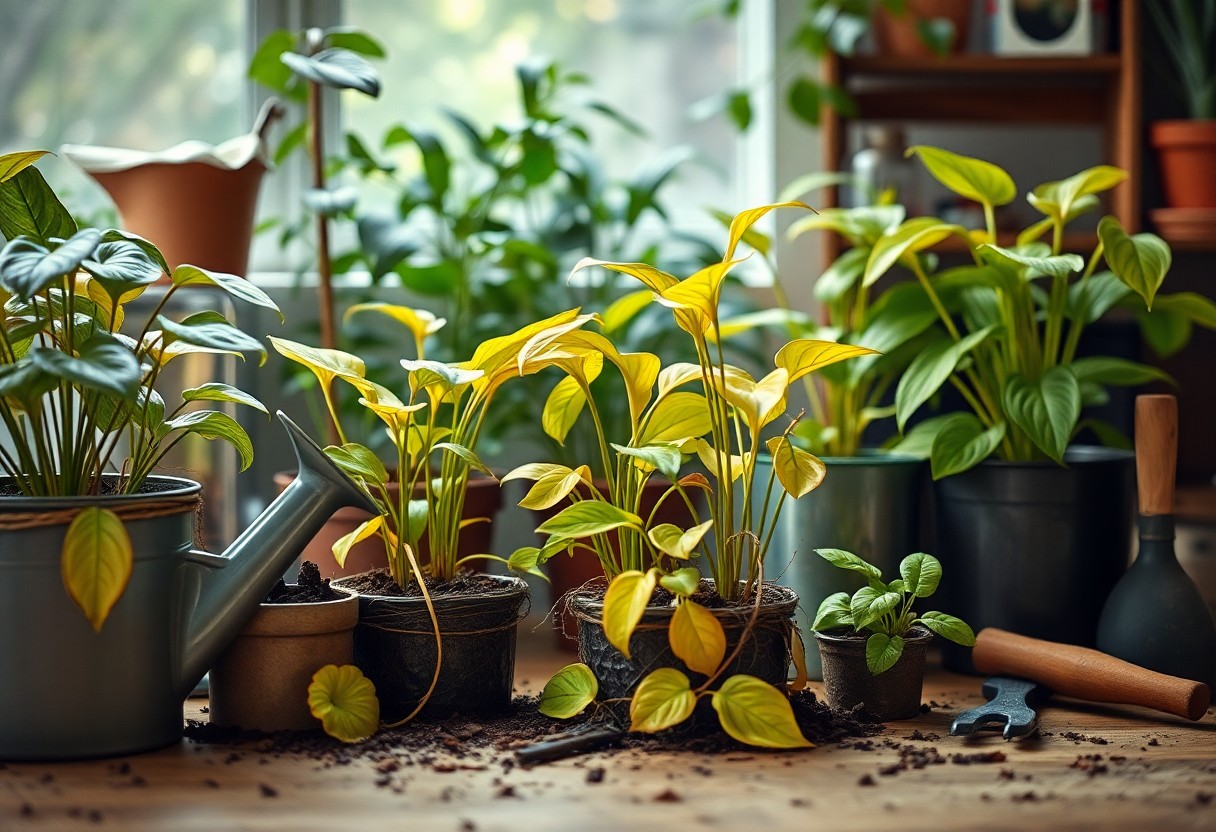
Dying houseplants can be a frustrating problem that leaves you feeling defeated. If you’ve noticed your green friends are drooping, yellowing, or even wilting, it’s important to take action to revive them. In this guide, you will discover common reasons for plant decline and expert tips on how to nurture your plants back to health. With the right knowledge and care, you can transform your struggling houseplants into vibrant, thriving beauties that brighten your home.
Understanding Plant Needs
Your houseplants require specific care to thrive, which includes understanding their light, water, and nutrient needs. Each plant species has different requirements for sunlight exposure, hydration, and feeding; therefore, learning about these individual preferences is important for their health. By providing the appropriate environment and care, you can prevent your plants from wilting and create a vibrant indoor garden.
Light Requirements
Understanding the light requirements of your houseplants is important to their growth and longevity. Different plants thrive in varying light conditions, from low light to direct sunlight. Placing your plants in the right spot will help them grow healthy and prevent stress.
Watering Guidelines
An effective watering routine is vital to keeping your plants vibrant and healthy. Each plant has its own needs regarding moisture levels, so ensure you familiarize yourself with their specific requirements to avoid issues like overwatering or drought.
Another key to successful watering is to check the soil regularly. If the top inch feels dry, it’s often time to water; however, overwatering can lead to root rot, which is detrimental to plant health. Ensure that your pots have adequate drainage to allow excess water to escape. A good practice is to water thoroughly and then let the soil dry out before the next watering, preventing any water-dwelling conditions that could harm your plants.
Identifying Common Issues
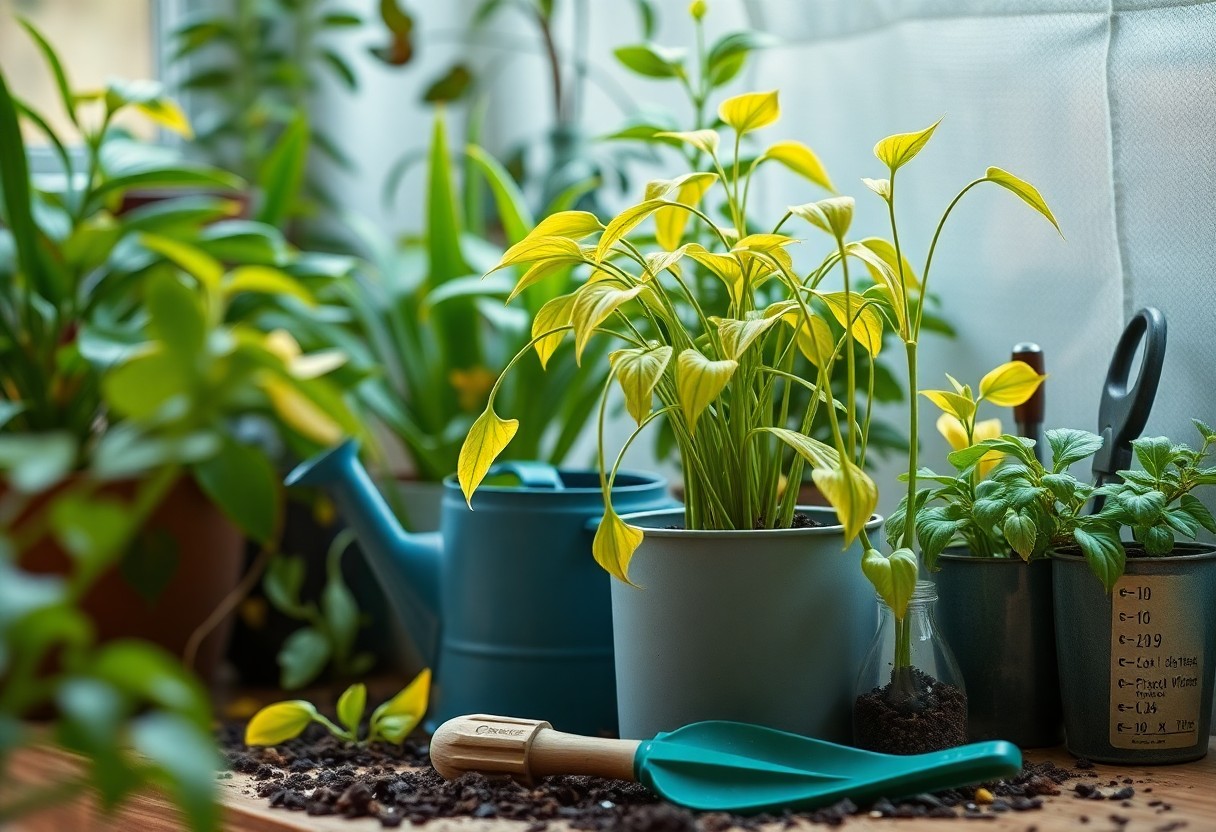
You have probably noticed that your houseplants aren’t thriving, which can be incredibly frustrating. To rescue your green friends, it’s vital to identify the common issues affecting their health. By recognizing signs of distress, you’ll be better equipped to address the problems and revive your plants to their former glory.
Pests and Diseases
Pests can significantly impact the health of your plants. Common culprits include aphids, spider mites, and fungus gnats, while diseases like root rot or leaf blight can stem from improper care. You should inspect your plants regularly for any signs of infestation or infection, as early detection is key to effective treatment.
Environmental Factors
The health of your plants is also heavily influenced by their environment. Factors such as light exposure, humidity, and temperature can all play a vital role in your plant’s well-being. Take note of the following points:
- Provide adequate light based on the specific needs of each plant.
- Maintain appropriate humidity levels, especially for tropical varieties.
- Ensure temperature fluctuations are minimal to avoid stress on the plants.
The more you learn about your plants’ environmental needs, the less likelihood there is for them to suffer.
With proper attention to light, humidity, and temperature, you’ll set your plants up for success. Indoor conditions can vary widely, so it’s important to customize care for each species. An optimal environment promotes vigorous growth and minimizes stress, ultimately leading to happier and healthier plants. The better the environment you create, the more resilient your plants will be against issues and diseases.
How to Revive Dying Plants
It can be disheartening to see your beloved houseplants decline, but with a few simple steps, you can revive them. First, assess the damage and address any immediate needs, such as water or light. You may need to trim away dead leaves and consider environmental factors like temperature. By providing the right care, your plants can bounce back to health.
Transplanting Techniques
Clearly, transplanting your plant can give it a fresh start. If you notice root crowding or poor soil conditions, carefully remove the plant from its pot and gently loosen the roots. Choose a slightly larger pot and use fresh potting mix to ensure it has enough space and nutrients.
Soil Quality Improvement
Any improvement in soil quality can benefit your plant’s overall health. Start by evaluating your current soil mix; it may lack crucial nutrients or proper drainage. Adding organic compost or perlite can enhance soil structure and provide a balanced environment for your roots.
A healthy soil mix is key to supporting your plant’s growth. Using potting soil that retains moisture yet drains well will prevent root rot while providing the necessary nutrients. Incorporating organic compost enriches the soil and supplies crucial minerals. Additionally, testing your soil pH can guide you in choosing the right amendments. This little effort can lead to a significant improvement in your houseplants’ vitality.
Preventative Tips for Healthy Plants
Now that you understand the importance of proper care, here are some preventative tips to keep your houseplants thriving:
- Choose the right pot and soil for your plant type.
- Maintain an appropriate watering schedule based on your plant’s needs.
- Provide adequate light conditions for optimal growth.
- Regularly inspect for signs of pests or disease.
- Fertilize your plants during the growing season.
This proactive approach will help ensure your houseplants flourish.
Routine Care Practices
Tips for routine care include checking your plants weekly for any signs of distress, such as yellowing leaves or wilting. Make it a habit to water your plants only when the top layer of soil feels dry and avoid using tap water high in chlorine and fluoride. Additionally, consider rotating your pots periodically to ensure even light exposure. Keeping your plants clean by dusting their leaves can optimize photosynthesis. Maintaining these consistent care practices will create a stable environment for your plants.
Seasonal Adjustments
While your plants may thrive in specific conditions, adapting to seasonal changes is equally important. You need to adjust your care routine according to the different seasons, as light, temperature, and humidity fluctuate. For instance, some plants may need less water during the winter months or additional humidity in the dry summer months. Keeping a close eye on their environmental needs throughout the year will promote their overall health and longevity.
This seasonal vigilance is imperative for the health of your plants. During winter, be cautious of cold drafts, as they can lead to stress for tropical varieties. In contrast, during the summer, you may need to increase watering and humidity levels to combat the dry air. Adapting your care routine according to seasonal changes allows you to create a thriving atmosphere for your plants to grow and flourish.
Choosing the Right Houseplants
Once again, selecting the right houseplants is vital for creating a thriving indoor garden. By choosing plants suited to your lifestyle, space, and light availability, you can enhance the health and longevity of your green companions. Assess your environment and personal preferences to ensure you pick houseplants that will flourish in your home. This way, you can enjoy the beauty of nature without the stress of struggling to keep them alive.
Low-Maintenance Options
Right off the bat, if you have a busy schedule or are new to plant care, low-maintenance houseplants are the best choice for you. Look for resilient options like snake plants, pothos, or ZZ plants, which thrive with minimal attention and forgiving care requirements. These plants typically tolerate neglect, making them ideal for your lifestyle while still adding greenery to your home.
Matching Plants to Your Environment
There’s a direct correlation between the environment in your home and the success of your houseplants. Each variety has specific needs regarding light, humidity, and temperature. Knowing the conditions of your living space will inform your choices. Tropical plants need higher humidity, while succulents prefer drier air, so assess your natural light sources and climate before making any purchases.
Choosing the right houseplants involves carefully assessing their needs and your personal environment to ensure compatibility. For instance, if your space receives limited natural light, consider opting for low-light plants like snake plants or peace lilies that can tolerate from indirect sunlight to partial shade. Conversely, if you have access to bright, direct sunlight, you could introduce a range of succulents and cacti that thrive in such conditions. Always consider your home’s humidity and temperature too, as placing plants in environments where they do not thrive could lead to stress and eventual decline.
Troubleshooting Guide
Despite your best efforts, houseplants can sometimes experience issues that lead to their decline. This troubleshooting guide will help you identify common problems, assess their symptoms, and take appropriate actions to revive your plants. By following these steps, you can diagnose what’s going wrong and implement effective solutions to keep your houseplants thriving.
Quick Fixes for Common Problems
If you notice yellowing leaves, it could be due to overwatering or lack of nutrients. Just adjust your watering schedule and consider adding a balanced fertilizer. For wilting plants, check for underwatering or pests. A swift inspection and timely intervention can save your plants from further stress.
When to Seek Professional Help
With persistent issues or severe infestations, it might be time to seek professional help. If you find that your plants are not responding to your care despite your efforts, it’s best to consult an expert who can provide insights tailored to your specific situation.
A plant care specialist can analyze your plant’s environment, including light, humidity, and soil, to identify underlying problems you may have overlooked. If you experience highly concerning symptoms like rapid leaf drop or a fungus infestation, don’t hesitate to get help. Taking swift action can be beneficial for your plant’s survival and can prevent further damage to your collection of houseplants.
To wrap up
With this in mind, understanding why your houseplants are dying is important for their revival. Whether it’s excessive watering, inadequate light, or pest infestations, identifying the root causes is the first step toward rejuvenating your greenery. By adjusting your care routine and providing the right conditions, you can transform your space into a thriving indoor garden. Take the insights you’ve gained and apply them to ensure your houseplants flourish, bringing life and joy to your home.