
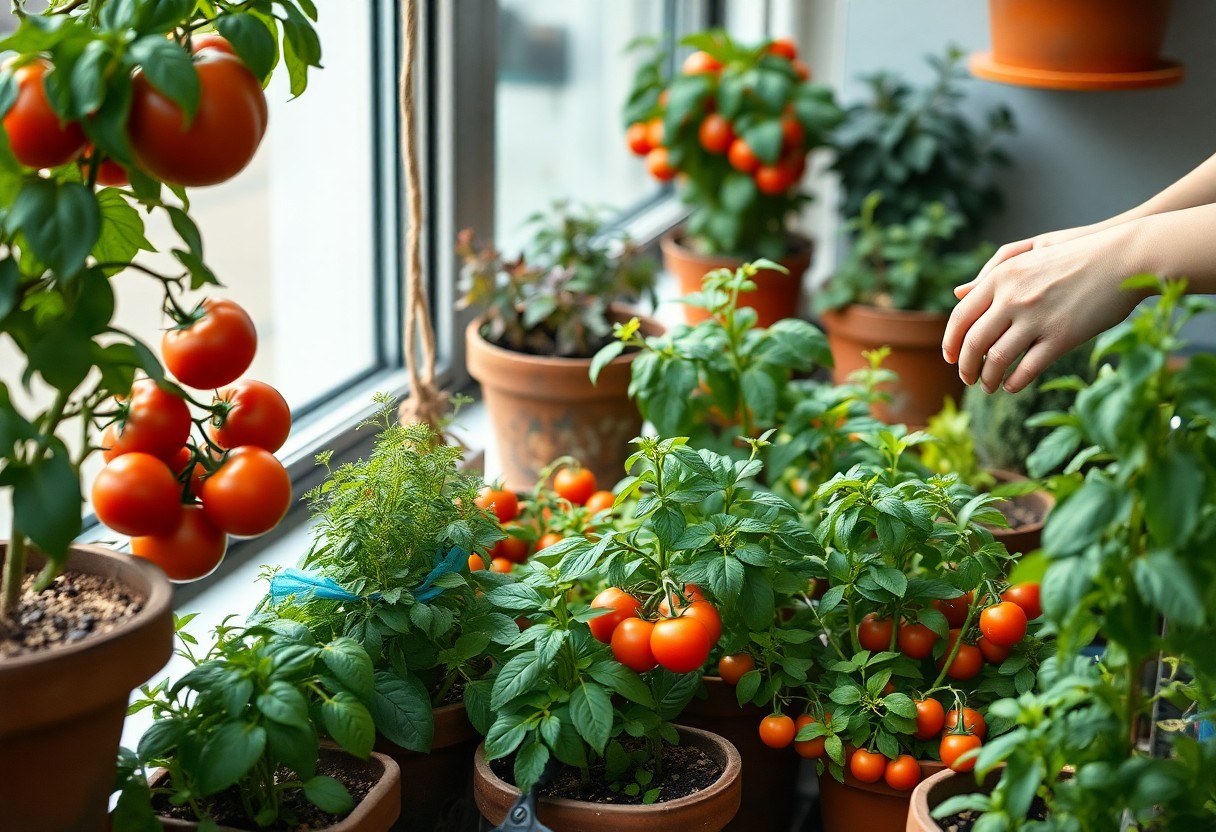
It’s time to transform your limited outdoor space into a thriving garden oasis! With strategic planning and the right container gardening techniques, you can maximize your harvest even in the smallest of areas. This guide will provide you with crucial tips on plant selection, soil composition, and maintenance, ensuring you achieve a productive urban garden. Whether you’re a beginner or an experienced gardener, these insights will help you grow a variety of fresh produce right at your doorstep, turning your tiny garden into a big success!
Benefits of Urban Container Gardening
Your choice to engage in urban container gardening can lead to numerous rewards. By utilizing limited space, you can harvest fresh produce right from your doorstep, saving you time and money. Container gardening also enhances your living environment, providing aesthetic appeal and promoting sustainability. This practice helps in reducing your carbon footprint and fosters a deeper connection with nature, making it an ideal hobby for urban dwellers.
Space Efficiency
Benefits of urban container gardening include maximizing your available space. Whether you live in a small apartment or a home with limited outdoor areas, containers allow you to grow a variety of plants in a compact form. With strategically placed planters on balconies, patios, or even windowsills, you can cultivate lush gardens without the need for expansive backyard areas. This versatility not only optimizes your space but also encourages creativity in designing your miniature green oasis.
Accessibility and Convenience
With urban container gardening, the accessibility and convenience it offers allow you to enjoy the freshest ingredients at your fingertips. No more trips to the grocery store for herbs and vegetables when you can easily step outside to harvest what you need. This direct access means you can grow your plants right next to your kitchen, making it easier to incorporate fresh produce into your meals and ensuring you eat healthier.
Efficiency in urban container gardening stems from being able to grow your plants in diverse environments. You can choose specific locations that receive optimal sunlight, protecting them from harmful pests and harsh weather conditions. This adaptable method also allows you to experiment with various plants, growing what you love most without compromising your living space. By tending to your container garden, you cultivate not only your plants but also a rewarding lifestyle that enriches your daily routine.
Choosing the Right Containers
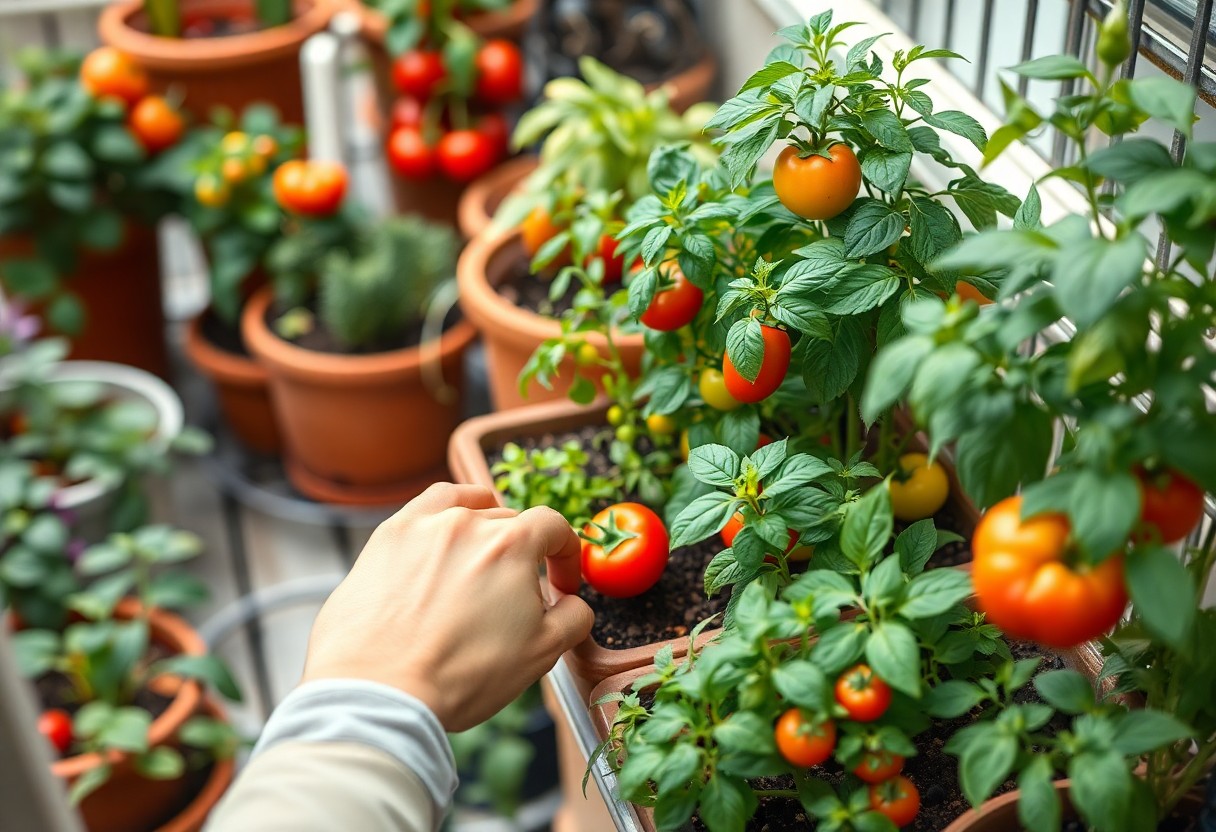
If you want to maximize your urban gardening success, selecting the right containers is imperative. Look for options that not only fit your space but also support the growth of your plants. You can choose planters, pots, or even repurposed materials, but ensuring proper size and drainage is key to a fruitful container garden.
Types of Containers
An effective selection of containers can significantly affect your garden’s productivity. Here are some popular options:
| Material | Advantages |
| Plastic | Lightweight and affordable |
| Ceramic | Attractive and durable |
| Metal | Rustic charm, excellent drainage |
| Wood | Natural look, good insulation |
Thou can choose a mix that suits your style while ensuring good plant growth!
Drainage and Soil Considerations
About the health of your plants, drainage, and soil types play a significant role. Proper drainage prevents water accumulation, reducing the risk of root rot, while choosing the right soil mix ensures nutrients are available to your plants. Optimal drainage holes at the bottom of your containers will allow excess water to escape.
Soil is the foundation of your plants’ health. Using high-quality, well-draining potting soil helps achieve a healthy environment for your plants. Avoid using garden soil, as it may compact and hinder drainage. Mix in perlite or sand for better aeration. If you notice stunted growth or yellow leaves, it may signal poor soil, requiring a refresh. Strongly consider your soil choices, as they directly impact your garden’s yield and health.
Selecting Plants for Your Container Garden
Some key considerations when selecting plants for your container garden are space, sunlight, and your personal preferences. Choose plants that thrive in your specific environment and fit well within the confines of your containers. Look for varieties that are well-suited for pot growth, taking note of their size and growth habit to ensure a vibrant and productive garden experience.
Herbs and Vegetables
Plants like basil, chives, and peppers are excellent choices for container gardening, as they flourish in limited space and provide fresh ingredients for your meals. Opt for compact and dwarf varieties to maximize your harvest while minimizing the footprint in your urban environment.
Flowers and Decorative Plants
Above all, when adding aesthetics to your container garden, choose flowers and decorative plants that not only brighten your space but also complement your growing conditions. Your choices can transform any urban area into a blooming oasis.
It’s important to select flowers that match your local climate and available sunlight. Bright options like petunias, marigolds, and geraniums thrive in containers, offering vibrant colors while attracting beneficial pollinators. Consider planting a mix of annuals and perennials to ensure ongoing blooms throughout the season. Additionally, you may want to include some foliage plants for variety and texture, helping your container display stand out beautifully while practicing proper care to ensure they remain healthy and lush.
Planting and Maintenance Tips
To ensure a thriving urban container garden, focus on selecting the right plants and establishing a consistent care routine. Follow these tips for optimal results:
- Choose container-friendly plants suited for your climate.
- Use high-quality potting mix to support growth.
- Avoid overcrowding your containers for better air circulation.
- Regularly check for pests and take action promptly.
The key to a fruitful garden lies in your commitment to proper planting and maintenance.
Soil Preparation
Among the most important steps in urban container gardening is preparing the soil. Use a rich, well-draining potting mix tailored for containers, as it ensures your plants receive vital nutrients while preventing root rot. You may also consider adding compost or organic fertilizers to enhance soil fertility.
Watering and Fertilization
Maintenance of your container garden heavily relies on proper watering and fertilization.
Even though container gardens can dry out quickly, it’s vital to provide a consistent watering schedule without overloading the plants. Water thoroughly until excess drips from the bottom, ensuring the roots are well-hydrated. Incorporate a balanced fertilizer every few weeks to promote healthy growth, but avoid over-fertilizing, as this can lead to chemical buildup that harms your plants.
Maximizing Your Harvest
Many urban gardeners seek to make the most of their limited space, and maximizing your harvest is vital. By utilizing efficient container arrangements, selecting high-yield crops, and implementing strategic gardening practices, you can transform even the smallest urban garden into a bountiful source of fresh produce. Optimize your planting schedule and care techniques to ensure your containers yield a robust and diverse harvest.
Companion Planting
An effective technique to enhance your garden’s productivity is companion planting. By pairing plants that benefit each other, such as tomatoes with basil or carrots with onions, you can deter pests and improve growth. Implementing these synergistic relationships creates a harmonious ecosystem in your containers, ultimately leading to a more fruitful harvest.
Seasonal Planting Strategies
For maximum productivity, adopting seasonal planting strategies is key to your urban container garden’s success. You should plan your crops based on the seasons, taking advantage of the best time to plant each vegetable to ensure a continuous harvest throughout the year.
At the start of each season, assess your local climate and choose plants that thrive in those conditions. Timing is vital, as certain crops perform better when planted in spring, summer, or fall. Focus on succession planting, where you sow seeds at intervals to stagger your harvest. This method ensures you won’t be inundated with ripe produce all at once, allowing you to enjoy a fresh supply throughout the growing season. Additionally, consider factors like light exposure and temperature to optimize your planting schedule, ensuring your containers yield a healthy and abundant harvest year-round.
Troubleshooting Common Issues
Once again, small spaces may present unique gardening hurdles, but by recognizing and addressing common issues promptly, you can sustain a thriving container garden. Issues such as nutrient deficiencies, poor drainage, and factors affecting plant growth can be mitigated by monitoring your plants closely, optimizing your soil mix, and ensuring your containers have adequate drainage holes. Understanding these elements will enable you to tackle challenges effectively and enjoy a bountiful harvest.
Pests and Diseases
Common pests like aphids, spider mites, and whiteflies can wreak havoc on your container plants, while diseases such as powdery mildew and root rot may threaten your garden’s health. Regularly inspecting your plants and employing organic solutions like neem oil or insecticidal soap can help control these invaders, ensuring your garden remains productive.
Environmental Challenges
About to initiate on container gardening, you may face several environmental challenges that could impact your plants, such as limited sunlight, fluctuating temperatures, and inadequate humidity levels. These challenges can affect growth and yield, making it important for you to adapt your gardening style accordingly.
But by assessing your space, you can identify sunlight patterns and temperatures throughout the day. If your containers aren’t receiving enough direct sunlight, consider relocating them or using reflective materials to enhance light exposure. For plants in hot environments, keep an eye out for heat stress and ensure proper watering practices. Conversely, for cooler regions, using row covers or creating a microclimate can help retain warmth. By staying proactive, you can enhance your container garden’s resilience against environmental challenges.
Summing up
Conclusively, by adopting urban container gardening techniques, you can transform even the smallest spaces into flourishing green sanctuaries that yield impressive harvests. Utilizing your creativity and understanding of plant needs, you can maximize your space and resources. Regularly revisiting and adjusting your gardening strategies will ensure that you enjoy bountiful results. Whether you’re growing herbs, vegetables, or flowers, your tiny garden can become a vibrant hub of productivity and joy within your urban environment.