
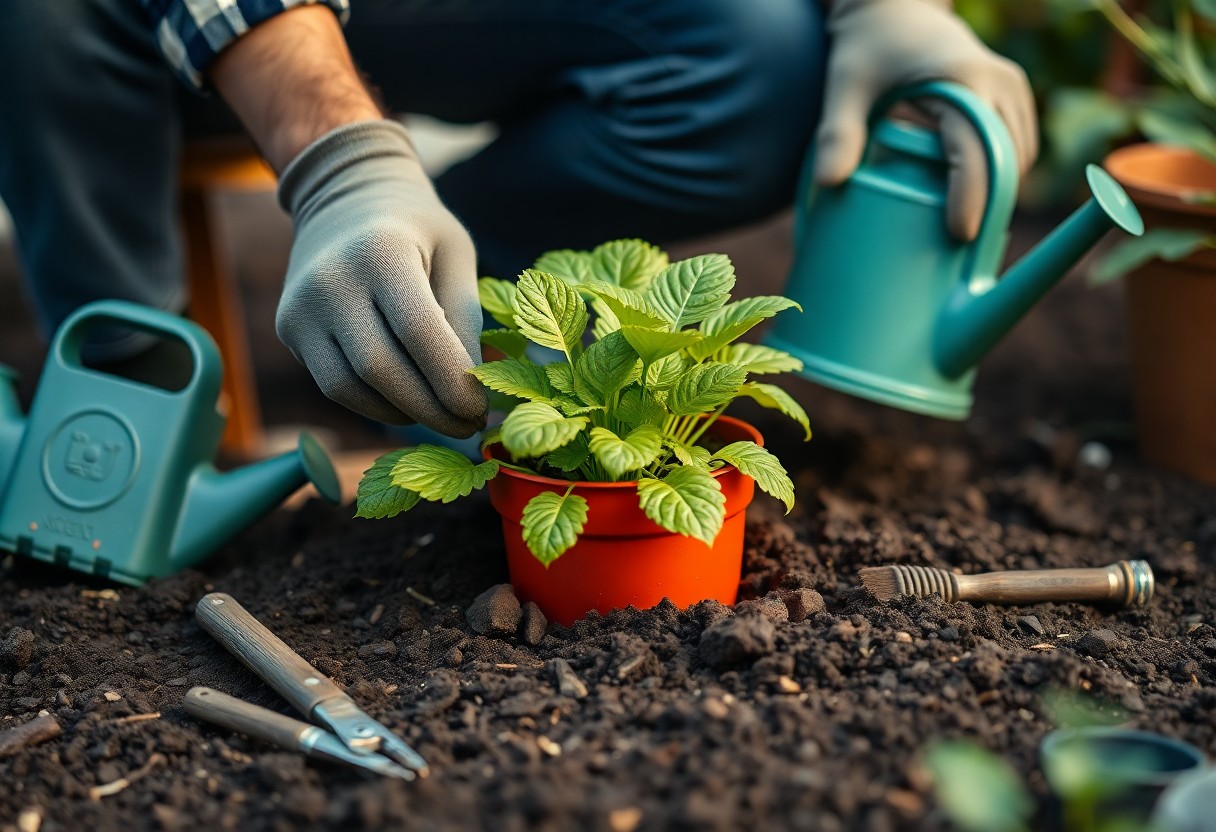
You can successfully move your plants without harming them by following a few vital techniques. First, you should choose the right time for transplanting, ideally during cooler weather to reduce stress. When digging up your plants, preserve their root systems by taking a generous scoop of soil around them. Once you’ve relocated them to their new spot, provide adequate water to help them settle in and reduce transplant shock. By utilizing these tips, your plants can thrive in their new locations and continue to beautify your space.
Understanding Plant Types
While moving plants, it’s necessary to understand the different types of plants you’re dealing with to ensure a successful transplant. Each type has unique characteristics that affect their adaptability during relocation.
| Type | Characteristics |
| Annuals | Complete their lifecycle in one growing season. |
| Perennials | Live for multiple years, returning each season. |
| Trees | Woody plants that often require special care when transplanting. |
| Shrubs | Multi-stemmed plants that can be either deciduous or evergreen. |
| Succulents | Store water, requiring specific conditions for viability. |
Annuals vs. Perennials
Perennials thrive over several years and can often be more forgiving during transplanting. Understanding the timing of their dormancy and growth cycles is vital for successful relocation. Annuals, on the other hand, complete their lifecycle within a single growing season, making timing less critical but careful attention still required for optimal health.
Trees and Shrubs
Behind successful landscaping, trees and shrubs represent significant long-term investments in your garden’s aesthetics and structure. These plants usually require a more careful transplanting approach due to their sizable root systems. Heavy equipment may sometimes be necessary, and timing should align with seasonal changes to minimize stress during the process.
But before uprooting trees or shrubs, assess their health and size. If they are too mature, it might be more effective to prune them beforehand. Always ensure you keep their roots intact, and consider the weather and ground conditions for the best chance of a smooth transition.
Optimal Timing for Transplanting
Clearly, choosing the right time to transplant your plants can significantly affect their survival and growth. Ideally, you want to transplant during their active growth period, which is usually in the spring or fall. It’s important to avoid extreme temperatures, ensuring your plants can establish themselves in their new location without excessive stress.
Seasonal Considerations
Seasonal changes play a significant role in transplanting success. You should aim to transplant your plants in early spring, just as they begin to emerge from dormancy, or in early fall when temperatures start to cool down. These periods allow your plants to adapt to their new environment, promoting healthier root development.
Weather Conditions
Between the new growth seasons, weather conditions are vital for successful transplanting. Ideally, choose a cloudy day with moderate temperatures, as this minimizes stress on your plants. Avoid transplanting during extreme heat or heavy rain, which can hinder root establishment and increase the risk of transplant shock.
In addition, extreme weather can have a negative impact on your plants when transplanting. Avoid days with forecasted temperatures above 85°F or below 40°F, as these can lead to root damage or stress that may hinder recovery. Overcast days with gentle winds create the most favorable conditions for transplanting, allowing your plants to settle in without the added strain of harsh sunlight or drying winds.
Preparing Your New Location
The success of transplanting your plants starts with how well you prepare the new location. This involves selecting the right area that meets your plants’ specific needs, ensuring they have the best chance to thrive after their move. Take time to assess factors like soil quality, sunlight availability, and drainage before you dig your plants up. A bit of planning will make your transplanting journey much smoother.
Soil Quality and Amendments
An crucial aspect of preparing your new location is understanding the soil quality. Conduct a soil test to evaluate its pH and nutrient levels, ensuring they match your plant’s requirements. Depending on the results, you may need to amend the soil with organic matter or fertilizers to create an ideal environment for your plants’ roots.
Sunlight and Drainage
Around your new planting area, observe the amount of daily sunlight it receives. Most plants thrive in either full sun, partial sun, or shade, so ensure you choose a location that matches their light needs. Additionally, assess the drainage of the site; waterlogged soil can lead to root rot, while overly dry soil can stress your plants.
At the new location, make sure the area provides adequate sunlight while also having proper drainage to protect your plants. Choose a spot that receives full sun for at least six hours, or partial shade depending on your plant’s preferences. Ensure the ground is well-draining; you can achieve this by observing the area after rain—if water pools, consider raised beds or amending the soil with sand or compost. This balance will create a safe and inviting environment for your plants post-transplant.
Proper Digging Techniques
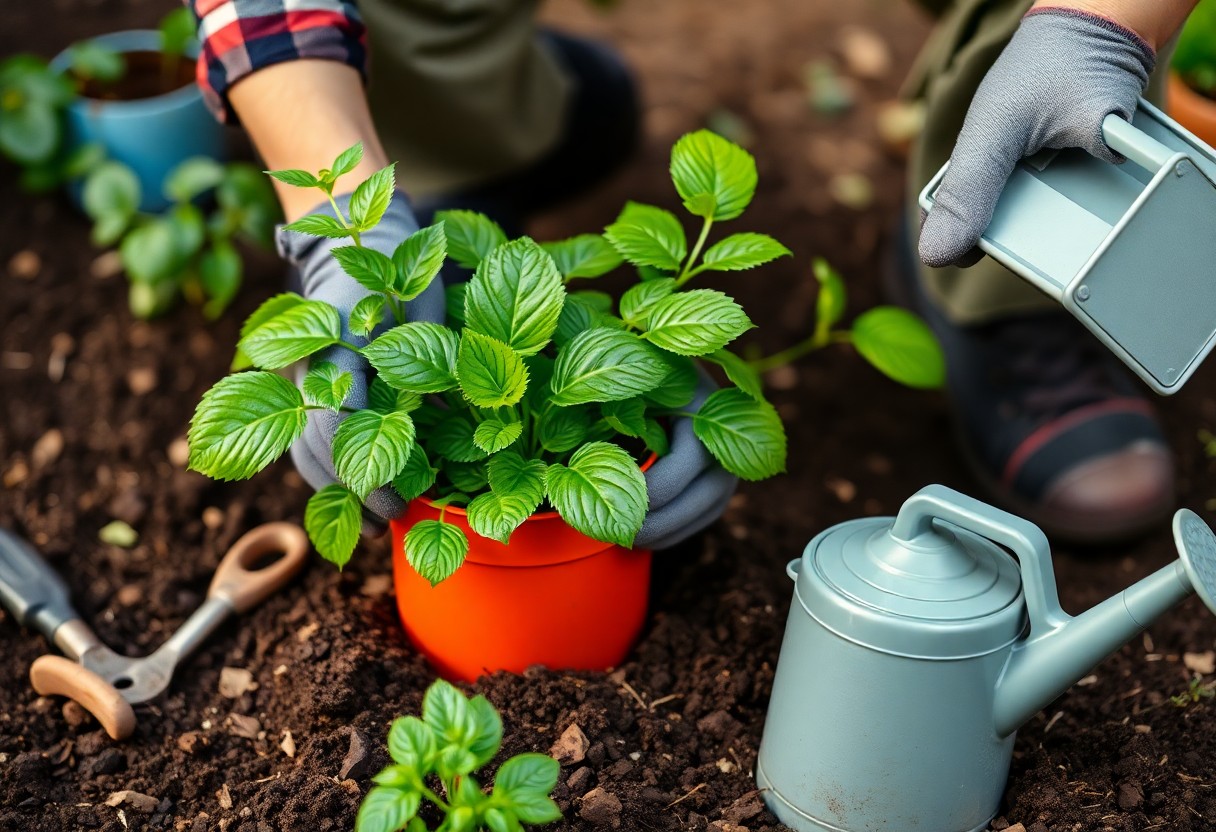
Once again, the success of your transplanting efforts hinges on how well you dig up your plants. Using the right techniques not only preserves your plants but also significantly improves their chances of thriving in a new environment. Start by assessing the plant’s size and location, and make sure the soil is moist before you begin digging. This helps to keep the root ball intact and reduces stress on the plant during the move.
Root Ball Size
By determining the appropriate root ball size, you can effectively ensure your plant’s recovery. Generally, aim for a root ball that is at least 12 inches in diameter for every inch of trunk diameter. A larger root mass will help retain moisture and nutrients, increasing the likelihood of your plant thriving post-transplant.
Minimizing Damage to Roots
Around the edges of the root ball, you should maintain a digging depth to help minimize damage. Use a sharp spade to create a clean cut into the soil, which can assist in detaching roots from the surrounding ground efficiently. This will greatly reduce the stress placed on the plant during the relocation process.
Also, be mindful of how you handle the roots during the digging process. Gently lift the root ball from the ground with a shovel or fork to avoid breaking delicate roots. If any roots are snagged, carefully cut them instead of ripping or tearing, as this intense action can cause excessive stress or even death to your plant. Properly spacing your cuts will allow for better recovery and adjustability in the soil. Choosing the right techniques ensures that your transplanting efforts are as successful as possible, leading to healthy and flourishing plants in their new locations.
Aftercare for Transplanted Plants
To ensure the survival and thriving of your transplanted plants, proper aftercare is necessary. Pay attention to their needs in the initial weeks post-transplant. This period is critical as plants adjust to their new environment. Monitor moisture levels, sunlight exposure, and overall health to support their recovery.
Watering Processes
Around your transplanted plants, make sure to establish a consistent watering routine. Early on, allow the top inch of soil to dry out between waterings to avoid over-saturation, which can lead to root rot. Water deeply but infrequently, focusing on the root zone rather than the leaves. This encourages healthy, robust root development.
Fertilization Tips
Plants benefit significantly from timely fertilization after being transplanted, as they are often deprived of necessary nutrients during the move. However, you should wait at least two to three weeks post-transplant before adding any fertilizers to allow roots to establish. Consider using a gentle, water-soluble fertilizer to provide a balanced nutrient source:
- Opt for a low-nitrogen fertilizer to avoid overwhelming the plants
- Apply during the active growth phase for best results
- Frequency should be about once a month until the plants are re-established
Knowing your plants’ specific needs will enhance their recovery and growth.
But, before you start fertilizing, ensure your plants are showing signs of active growth, as a premature application may stress them further. A light hand is your best approach; over-fertilization can lead to salt buildup and damage root systems. Focus on quality and type of fertilizer you use:
- Choose a slow-release organic fertilizer to promote healthy growth
- Test the soil before fertilizing to gauge nutrient needs
- Avoid fertilizers high in phosphorus unless required for specific plants
Knowing the right approach can make all the difference in your plants’ recovery from transplant shock.
Common Mistakes to Avoid
Now that you’re ready to transplant, be cautious of common mistakes that can jeopardize your plant’s survival. Avoid rushing the process; proper timing, ideal conditions, and adequate preparation are vital for a successful move. Overwatering or selecting an unsuitable location can also lead to decline. Paying close attention to these factors will ensure your plants thrive in their new home.
Transplant Shock
Along with avoiding common mistakes, it’s important to understand the concept of transplant shock. This occurs when a plant experiences stress from being uprooted and relocated. Symptoms may include wilting, yellowing leaves, or stunted growth. To alleviate transplant shock, ensure you provide adequate water and nutrients while allowing your plants time to adjust to their new environment.
Non-ideal Conditions
Common mistakes include transplanting your plants in non-ideal conditions such as extreme temperatures or poor soil quality. Ensuring that the temperature is mild and the soil is well-draining will greatly improve your chances of success.
Also, you should be aware that extreme heat or cold can impede root development and lead to a higher risk of transplant shock. Ideally, transplant during times of the year that align with your plant’s natural growth cycle. By ensuring your plants are moved in optimal conditions, you significantly enhance their chances of establishing healthy roots and flourishing in their new surroundings.
To wrap up
On the whole, successfully transplanting your plants without causing harm requires careful planning and execution. You should choose the right time, prepare the new location, and ensure your plants are adequately watered before and after the move. Taking the time to protect the root system and minimizing shock will significantly increase the chances of your plants thriving in their new home. With these strategies in place, you can confidently nurture your garden and help your plants flourish.