
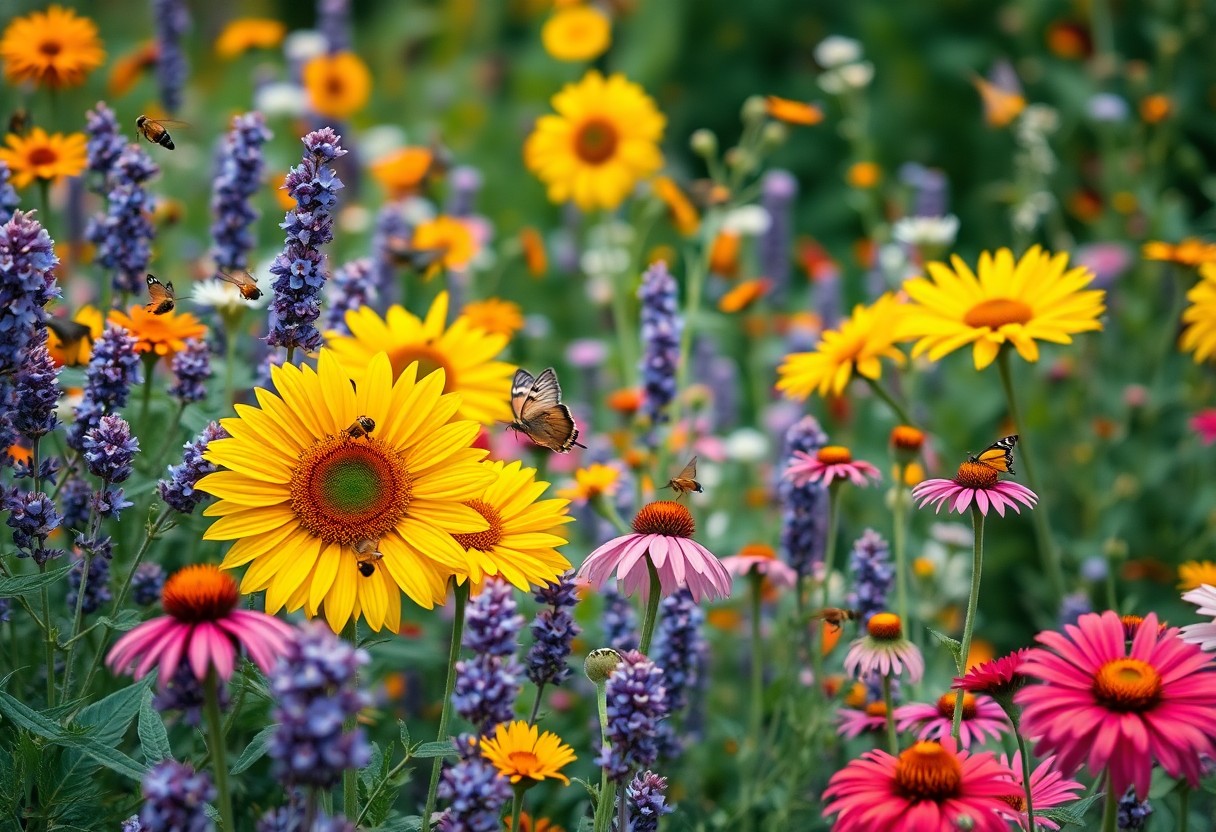
There’s a vibrant world of wildlife waiting to visit your garden, and choosing the right flowers can make all the difference. By selecting pollinator-friendly plants, you can create a colorful oasis that draws in bees, butterflies, and birds, enhancing your outdoor experience. In this blog post, you’ll discover a selection of the best flowers that not only beautify your yard but also support these crucial creatures. With the right choices, you can foster biodiversity and enjoy the sights and sounds of nature right at home.
Importance of Pollinators
While you may appreciate the beauty of flowers, it is vital to recognize the role of pollinators in maintaining the health of our ecosystems. Pollinators, such as bees, butterflies, and birds, are vital for the reproduction of many plants. By transferring pollen from one flower to another, they facilitate the growth of fruits and seeds, ensuring a diverse array of plants thrive in your garden. Without these industrious creatures, many of the plants you love wouldn’t exist.
Role of Bees
The presence of bees in your garden is invaluable; they are among the most effective pollinators in the world. Their contributions enhance the yield of crops, provide food for numerous animals, and bolster biodiversity. As they forage for nectar, bees inadvertently gather and transfer pollen, promoting the reproduction of various plants.
Role of Butterflies
An integral part of your garden’s ecosystem, butterflies not only add beauty but also play an vital role in pollination. As nectar seekers, they visit a wide range of flowers, helping to fertilize plants, which supports fruit and seed production.
Importance of butterflies extends beyond their delightful presence. They connect the health of your garden with the wider environment. By encouraging a diverse variety of flowering plants, you attract these magnificent insects, which in turn help promote biodiversity in your area. This connection underscores the necessity of maintaining vibrant ecosystems, ensuring that not only butterflies but other species thrive as well.
Role of Birds
Birds contribute significantly to pollination as well, often visiting flowers for nectar. Their activity promotes cross-pollination, which enhances plant diversity in your garden. Besides aiding in pollination, birds help control pest populations, which can benefit your plants directly.
Hence, the role of birds in your garden is multi-faceted. They not only add to the beauty and excitement of your outdoor space but also support the ecological web. By providing food sources like nectar and seeds, you encourage birds to visit and establish their habitats, contributing to healthier wildlife populations and more vigorous plant growth.
Top Flowers for Bees
It is necessary to choose the right flowers to create a bee-friendly garden. Bees play a vital role in pollination, and by planting specific flowers, you can provide them with the food sources they need to thrive. Selecting a diverse range of flowering plants will ensure that your garden is buzzing with these important pollinators all season long.
Native Flower Varieties
Above all, native flower varieties are excellent options for attracting bees. These plants have adapted to your local environment, making them resilient and more appealing to native bee species. Consider planting varieties such as echinacea, black-eyed susans, and goldenrod, which provide abundant nectar and pollen while supporting local ecosystems.
Flowering Herbs
Flowering herbs are not just great for cooking; they also serve as a magnet for bees. Herbs like lavender, thyme, and rosemary bloom during the growing season, providing bees with continuous access to nectar. These plants are easy to grow and can be harvested for culinary purposes, making them a valuable addition to your garden.
This dual-purpose approach allows you to enjoy fresh herbs while also promoting healthy ecosystems. As you grow these herbs, you’ll notice buzzing bees enjoying their fragrant blooms. Additionally, herbs like basil and chives produce lovely flowers that can attract various bee species. By incorporating flowering herbs into your garden, you’ll create a lush environment that supports beneficial pollinators and enhances your culinary experience.
Top Flowers for Butterflies
Many butterfly enthusiasts know that selecting the right flowers is key to attracting these beautiful pollinators to your garden. Bright, colorful blooms not only appeal to butterflies but also provide necessary sustenance. By incorporating a mix of nectar-rich flowers and host plants, you can create a vibrant ecosystem that nurtures both adult butterflies and their larvae. This will result in a lively garden filled with fluttering wings and delightful colors, enhancing not just the visual appeal but also the quality of your outdoor space.
Nectar-Rich Plants
On your quest to attract butterflies, prioritizing nectar-rich plants is necessary. Top choices include milkweed, echinacea, and lantana, which offer abundant nectar. These flowers are not only irresistible to butterflies but also provide a feast for other pollinators. To maximize your garden’s allure, plant these blooms in clusters for better visibility and accessibility, inviting diverse butterfly species to your space.
Host Plants for Caterpillars
By incorporating host plants for caterpillars, you can further enhance your garden’s appeal to butterflies. These plants serve as breeding grounds for butterfly species, providing food for the young caterpillars. Including species such as parsley, fennel, and milkweed will support various butterfly species’ life cycles, ensuring that you witness the full transformation from caterpillar to butterfly in your garden.
Also, knowing that different butterflies have specific host plant preferences helps you create a welcoming habitat. For instance, monarchs require milkweed, while swallowtails favor dill and fennel. By planting these host plants, you not only contribute to the sustainability of local butterfly populations but also support their necessary role in the ecosystem. Educating yourself about these connections will empower you to take positive action in your gardening endeavors, ultimately enriching your experience with nature.
Top Flowers for Birds
Unlike your average garden plants, certain flowers can truly transform your outdoor space into a haven for beautiful birds. By selecting the right types, you can create a vibrant environment that attracts feathered friends, offering them both safety and sustenance. A variety of blooms not only provide visual splendor but also support the ecosystem by inviting various bird species to visit and thrive.
Seed-Producing Flowers
Behind the delightful façade of flowers, many produce seeds that are captivating to birds. Varieties like sunflowers, black-eyed Susans, and cosmos generate an abundance of seeds that offer a tasty treat to hungry birds. By incorporating these flowers into your garden, you’ll be ensuring a reliable food source while also enjoying their vibrant colors.
Fruit-Bearing Plants
Along with flowers, including fruit-bearing plants in your yard will work wonders in attracting birds. Species such as berry-producing shrubs and trees, like elderberry and serviceberry, entice birds with their delicious offerings. If you incorporate these plants into your landscape, you’ll not only support local wildlife but also enjoy the beautiful sight of birds feasting on the fruit.
The fruit-bearing plants provide more than just visual appeal; they serve as a nutritious food source for various bird species. When you plant species like blueberry, raspberry, and strawberry bushes, you’ll attract birds that enjoy their sweet flavors. These plants not only enhance your garden’s aesthetic but also play a vital role in supporting local bird populations. Plus, as birds indulge in your homegrown fruit, they help pollinate other plants in your garden, bringing added benefits to your ecosystem. Incorporating these plants will undoubtedly lead to a dynamic and lively atmosphere in your yard.
Creating a Pollinator-Friendly Garden
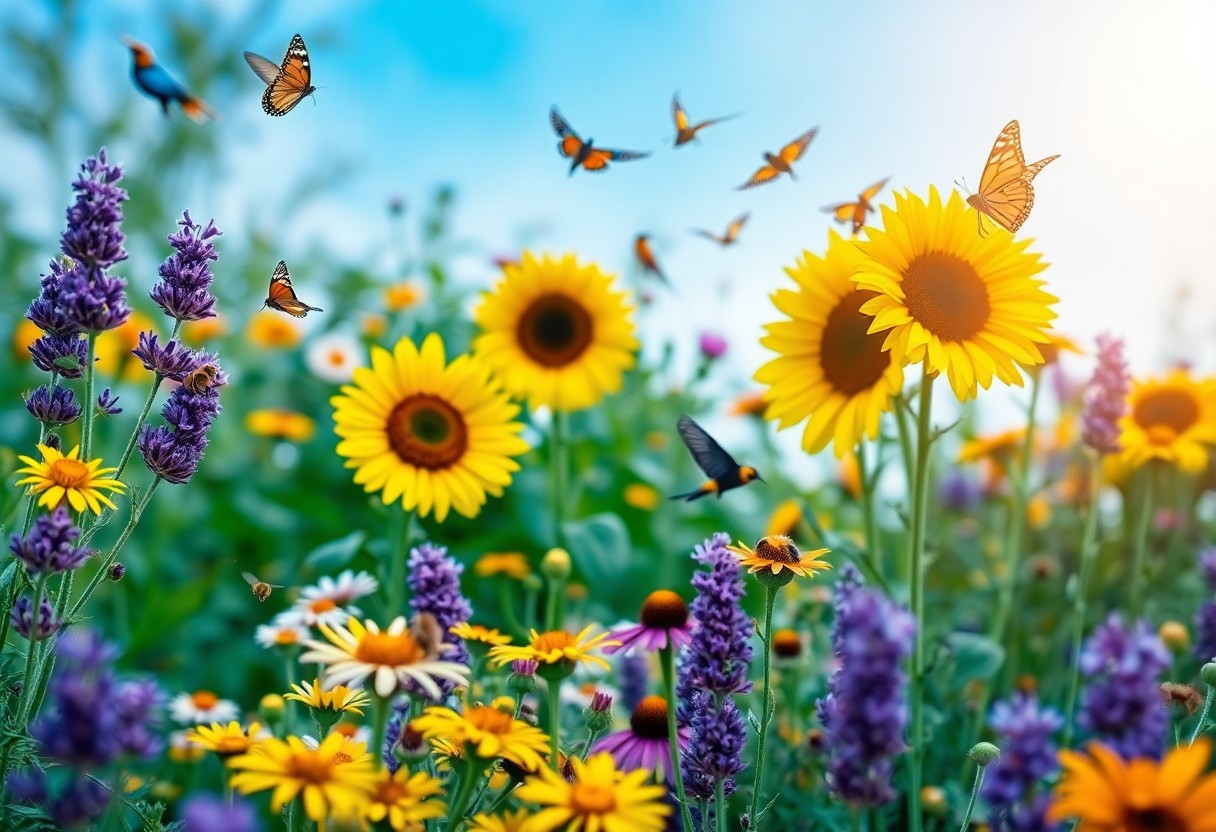
Now that you understand the importance of flowers for pollinators, it’s time to create a pollinator-friendly garden. Start by selecting a variety of native plants that bloom at different times throughout the season—this provides a consistent food source for bees, butterflies, and birds. Ensure there are sunlit areas, sheltered spots, and water sources to support wildlife. You want to cultivate a vibrant ecosystem that promotes biodiversity and enhances the beauty of your outdoor space.
Garden Layout Tips
Above all, consider an inviting layout that attracts your desired pollinators. Use these tips to create an effective design:
- Group plants in clusters to make them easily accessible.
- Incorporate a variety of colors and heights to capture attention.
- Add some movement, like grasses or flowers that sway in the breeze.
- Include a water feature for hydration.
This thoughtful arrangement will enhance your garden’s appeal to wildlife.
Maintenance and Care
Tips for maintaining a pollinator-friendly garden include regular watering, mulching, and fostering healthy soil. By ensuring that your plants are well-cared for, you encourage a thriving habitat for pollinators. Garden pests can threaten your plants, so you should consider using natural pest control methods, avoiding harsh chemicals that might harm beneficial insects. Make it a routine to deadhead spent blooms, as this promotes additional flowering and keeps the garden looking neat. You should also monitor your plants for diseases to quickly address any issues.
Garden maintenance is about balance; it ensures your plants stay healthy and attractive to pollinators while discouraging harmful pests. Regularly check for invasive species, as they can outcompete your efforts. Additionally, create a plan to integrate seasonal blooms that will sustain your local wildlife throughout the year. By prioritizing native plants that are well-adapted to your region, you foster a healthy ecosystem that benefits both your garden and its visitors. This creates an environment where bees, butterflies, and birds thrive, ensuring that your garden is a vibrant haven.
Year-Round Blooms for Pollinators
Once again, providing year-round blooms is imperative for attracting and supporting pollinators in your garden. Select a diverse range of flowers that bloom in different seasons, ensuring that there’s always something in your garden for bees, butterflies, and birds. In spring, opt for plants like crocus and dianthus, while summer can feature vibrant zinnias and lavender. As autumn approaches, asters and goldenrods will keep the food source flowing, and for winter, consider hellebores or winter jasmine. By planning for continuous flowering, you enhance your garden’s appeal and promote a healthy ecosystem.
To wrap up
Hence, by choosing a variety of flowers that provide nectar and pollen, you can create an inviting habitat for bees, butterflies, and birds in your garden. Opt for native species like coneflowers, milkweed, and sunflowers to ensure a thriving ecosystem. Additionally, consider planting in clusters to make the blooms more visible to pollinators. By implementing these strategies, you can enhance the beauty of your outdoor space while supporting necessary wildlife, ultimately contributing to a healthier environment for all. Enjoy the vibrant life these pollinators bring to your garden!