
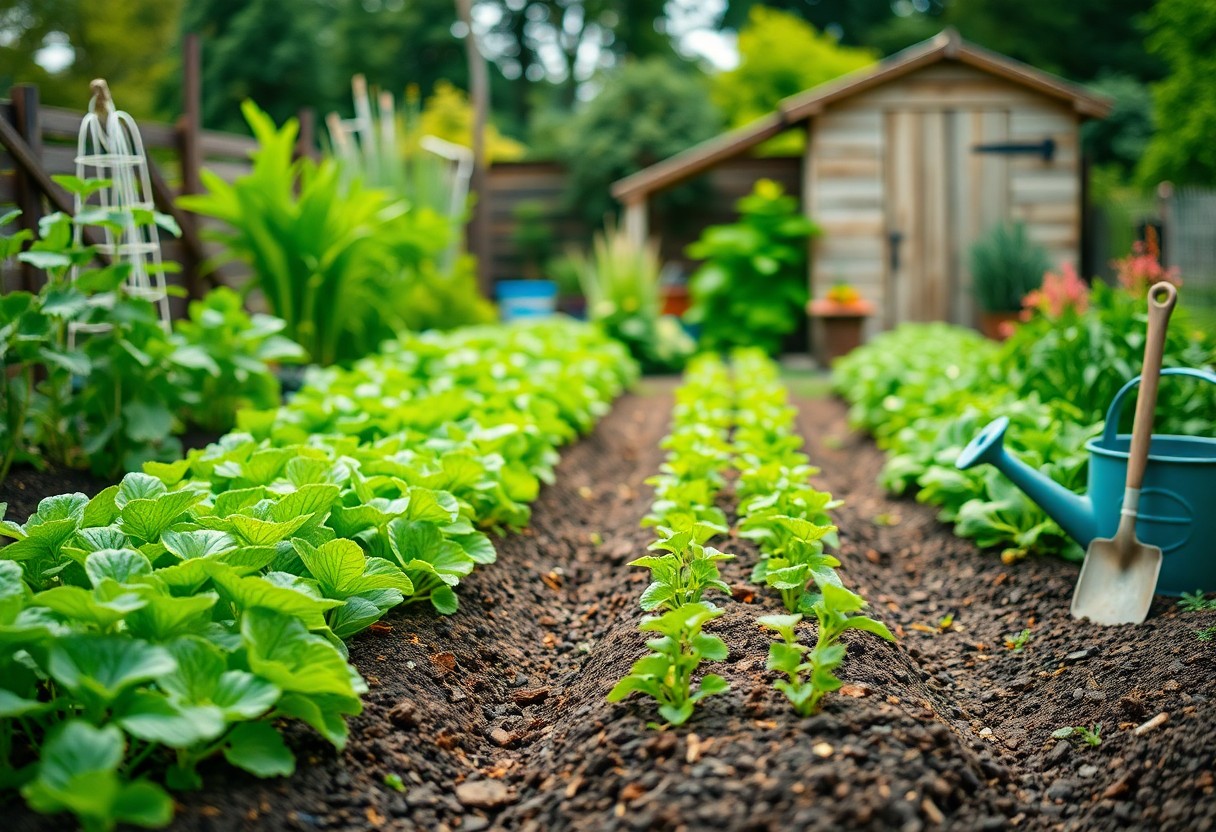
This guide will help you transform your backyard into a thriving organic garden that not only benefits the environment but also boosts your health. You’ll learn how to prepare your soil, select the right plants, and implement sustainable practices that enhance biodiversity. By avoiding chemical fertilizers and pesticides, you’ll create a safer, more productive space for growing nutritious food. Let’s explore the crucial steps to cultivate your very own organic haven from the ground up, making a positive impact on your home and the planet.
Planning Your Organic Garden
To create a thriving organic garden, effective planning is necessary. Start by defining the types of vegetables or plants you want to grow, consider your local climate, and understand the seasonal variations. You’ll want to take note of your available space and any potential environmental challenges. Having a clear vision of your organic garden will help you navigate the entire gardening process efficiently.
How to Choose the Right Location
Even a small change in location can affect your garden’s success. Assess sunlight, drainage, and proximity to utilities when selecting a spot. Aim for a location that receives at least 6-8 hours of sunlight daily, ensuring good air circulation. Avoid areas prone to flooding or extreme winds.
Tips for Mapping Your Garden Layout
Organic gardening involves smart layout strategies to optimize space and resources. Create a detailed map, considering the following tips:
- Plant spacing: Ensure enough room for growth.
- Companion planting: Use plants that can benefit each other.
- Access paths: Design pathways for easy maintenance.
Assume that a well-thought-out layout will lead to higher productivity and healthier plants.
Organic gardening layout involves thoughtful design that maximizes your garden’s potential. Planning your layout can lead to improved biodiversity and pest management. Consider these additional elements:
- Raised beds: Enhance soil quality and drainage.
- Vertical planting: Save space while producing more.
- Crop rotation: Maintain soil health and reduce disease.
Assume that incorporating these strategies will result in a vigorous and productive garden.
Soil Preparation
Assuming you want to create a healthy organic garden, proper soil preparation sets the foundation for your plants’ success. Start by clearing any debris, weeds, or rocks from your garden area. Then, work the soil using a spade or tiller to aerate it, allowing for better drainage and root growth. Incorporating organic matter, such as compost or aged manure, will enhance soil fertility, leading to a thriving garden.
How to Test Soil Quality
Clearly, understanding your soil quality is imperative for a productive garden. You can test soil quality using a DIY kit available at garden centers or through a local agricultural extension service. These tests will measure pH levels, nutrient content, and drainage capabilities, giving you insight into how to amend your soil effectively.
Factors to Consider for Healthy Soil
Preparation is key when considering the factors for ensuring your soil is healthy. Here are some components to evaluate:
- pH levels
- nutrient balance
- drainage
- organic matter content
The *health* and *productivity* of your garden heavily depend on the quality of soil you create!
The health and texture of your garden soil play a significant role in its ability to support your plants. pH levels can determine nutrient availability, while an optimal level should fall between 6.0 and 7.5 for most vegetables. Maintaining a proper nutrient balance through organic amendments ensures your plants receive imperative minerals. Adequate drainage prevents water accumulation, protecting roots from rot, and enriching your soil with organic matter encourages beneficial microorganisms. The commingling of these factors promotes a robust ecosystem in which your plants can thrive.
- pH levels
- nutrient balance
- drainage
- organic matter content
The presence of all these factors will contribute to the overall fertility and vigor of your garden, enhancing plant health and yield!
Selecting Organic Seeds and Plants
You should begin your organic garden by carefully selecting organic seeds and plants. Choose varieties that thrive in your local climate and soil conditions, as this will ensure healthy growth and maximize your harvest. Look for seeds labeled as organic, which guarantees they are non-GMO and grown without synthetic pesticides or fertilizers. Additionally, consider your personal preferences for vegetables and herbs to create a garden that is both enjoyable and productive.
How to Choose Organic Seeds
Selecting organic seeds involves researching reputable seed companies certified by organic standards. Look for seeds with high germination rates and those adapted to your local climate. You may also want to consider heirloom varieties for unique flavors and stability. Checking for the seed source and affirming that they are organic can help you take the first steps toward a successful garden.
Tips for Companion Planting
Seeds can benefit from companion planting, which involves strategically placing different plants near each other for mutual support. Here are some tips to enhance your garden through this practice:
- Pair marigolds with vegetables to deter pests.
- Grow basil near tomatoes to improve flavor and repel insects.
- Use corn as a support for climbing beans.
Recognizing the advantages of companion planting can help you maximize space and minimize the need for pesticides.
Plus, effective companion planting enhances biodiversity within your garden ecosystem, fostering healthier plants and increasing resistance to pests. By combining compatible plants, you can achieve a natural balance, taking advantage of beneficial relationships that support growth. Common pairings, such as carrots with onions, create a mutually beneficial environment. Recognizing these relationships can lead to a more productive garden experience.
Watering and Irrigation Techniques
Despite the varying climate and soil types, having the right watering techniques can significantly enhance your organic garden’s productivity. Understanding your plants’ specific needs and the importance of efficient irrigation methods not only saves water but also promotes healthier growth. Regularly monitor the moisture levels in your soil and adjust your watering schedule accordingly to avoid both under-watering and over-watering.
How to Water Your Garden Effectively
Your garden thrives on careful watering practices. Aim for deep, infrequent watering sessions, allowing the soil to dry out slightly between waterings. Focus on early morning or late afternoon to minimize evaporation and ensure that water penetrates deep into the roots. Utilizing a drip irrigation system can help deliver water directly to the plant’s base, conserving moisture and ensuring efficiency.
Tips for Sustainable Water Use
Techniques that promote sustainable water use can significantly impact your garden’s health. Consider implementing these practices:
- Use rain barrels to collect and reuse water.
- Mulch around plants to retain soil moisture.
- Group plants according to their watering needs.
- Install a soil moisture sensor to monitor dryness.
Thou will find that these strategies lead to a more sustainable garden, contributing to both conservation and enhanced plant health.
Tips for sustainable water use not only benefit your garden but also promote a healthier environment. Consider adopting the following practices:
- Choose native and drought-resistant plants that require less water.
- Water during the cool parts of the day to reduce evaporation.
- Incorporate compost to improve soil health and moisture retention.
- Utilize gray water from household use for irrigation.
Thou can make a positive difference by implementing these sustainable practices.
Pest Management
Not all bugs are bad! In an organic garden, managing pests is imperative for maintaining a healthy ecosystem. You can utilize various techniques to manage pest populations without harming your plants. By understanding how to identify and control pests, you will cultivate a thriving garden that minimizes chemical use.
How to Identify Common Garden Pests
For effective pest management, you need to recognize the common culprits. Keep an eye out for these signs of pest problems: droppings, holes in leaves, and unusual discoloration. Familiarize yourself with pests like aphids, beetles, and caterpillars, so you can quickly assess your garden’s health.
Factors to Use for Natural Pest Control
While you may have a variety of options at your disposal, consider these factors.
- Companion planting can help deter pests naturally.
- Beneficial insects like ladybugs prey on harmful pests.
- Natural repellents, such as neem oil, can protect your plants.
- Proper sanitation eliminates pest habitats.
Assume that by integrating these methods, you’ll improve your garden’s resilience and reduce reliance on synthetic pesticides.
Garden health largely depends on creating a balanced environment. Incorporating a combination of different strategies can enhance your pest management efforts. Consider these additional points for better control:
- Crop rotation disrupts pest life cycles and limits infestations.
- Physical barriers, like row covers, prevent pests from reaching plants.
- Mulching can deter pests while retaining moisture.
- Diverse planting attracts beneficial organisms.
Assume that approaching pest control with a multi-faceted strategy will foster a healthier and more productive organic garden.
Maintenance and Harvesting
Now that your organic garden is flourishing, proper maintenance and harvesting will ensure a bountiful yield. Regularly monitor your plants for signs of pests or diseases, applying natural remedies as needed. Keep the soil healthy by using organic fertilizers and maintaining moisture levels. When it comes time to harvest, be gentle to preserve both the plant and the quality of the produce.
How to Care for Your Organic Garden
Harvesting your organic garden requires attention to detail. Water your plants consistently and rotate crops annually to enhance soil fertility. Utilize companion planting to deter pests naturally, and incorporate mulch to retain soil moisture. Additionally, weeding is vital for reducing competition, allowing your plants to thrive efficiently.
Tips for Optimal Harvest Times
Your goal should be to harvest at the peak of freshness and flavor. Observe the maturity of your crops, as timing is vital for optimal taste and nutrition. Use sensory cues, such as color and firmness, to determine readiness. Checking periodically will help you avoid overripe produce and maximize yield. Assume that fresh is best, so pick your harvest as soon as it reaches maturity.
- Check color and size regularly for readiness
- Pick in the morning for optimal freshness
- Use sharp tools to avoid damaging plants
Maintaining optimal harvest times enhances the quality of your organic produce. Key indicators include size, color, and texture. For leafy greens, harvest entire plants to encourage regrowth. For fruits, avoid waiting too long to ensure full flavor. Understanding the lifecycle of each plant will aid you in harvesting at the right moment. Assume that your meals will taste better when you harvest at the peak of ripeness.
- Harvest leafy greens repeatedly for ongoing yield
- Watch for pests but avoid chemical solutions
- Focus on variety for continuous gardening success
Conclusion
Upon reflecting on your journey to start an organic garden from scratch, it’s clear that cultivating your own space not only benefits the environment but also enhances your personal well-being. By selecting the right location, preparing quality soil, and choosing appropriate plants, you can create a thriving garden that meets your needs. Embrace the sustainable practices you’ve learned, continually adapt your methods, and enjoy the rewarding experience of growing your own organic produce. With patience and dedication, you’ll soon reap the benefits of your efforts while contributing positively to the planet.