
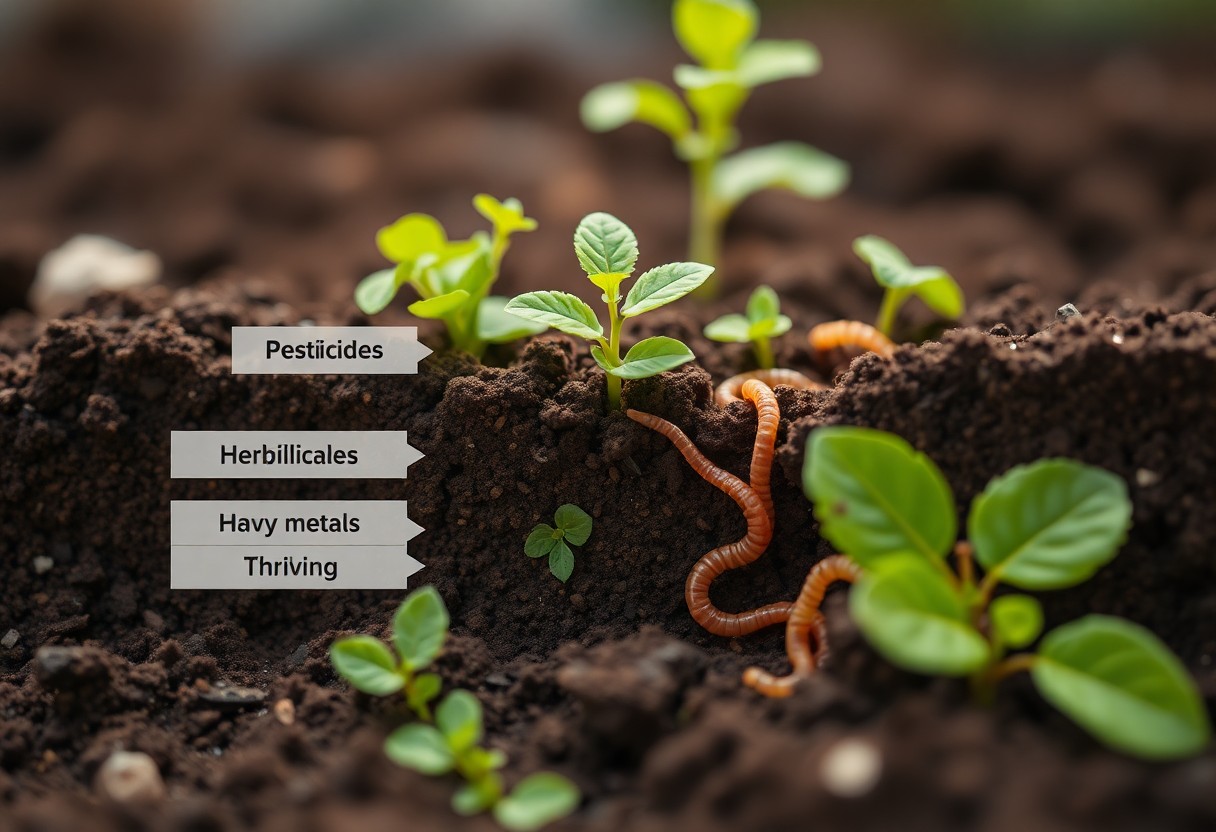
Many gardeners and landowners unknowingly expose their soil to harmful chemicals that can degrade its quality and affect plant health. You may believe that all products marketed for gardening are safe, but some contain toxic substances that can impair soil structure and microbiome. In this post, you’ll learn about seven chemicals to avoid and why steering clear of them is imperative for maintaining healthy soil. Your soil is the foundation of your garden’s ecosystem, and protecting it should be your top priority.
Understanding Soil Health
While many people overlook the significance of soil health, it is foundational for sustainable agriculture and ecosystem balance. Healthy soil is brimming with nutrients, enhances water retention, and supports a rich biodiversity that benefits plant growth. You play an vital role in maintaining soil health by choosing practices that nurture its biological and chemical composition, ultimately leading to thriving gardens and crops.
Importance of Soil Microorganisms
At the microscopic level, soil microorganisms are vital for nutrient cycling and organic matter decomposition. They help break down complex compounds, making vital nutrients accessible to plants. By fostering a diverse microbial community in your soil, you enhance its fertility and structure, which is key to growing robust plants.
Impact of Chemicals on Soil Quality
Quality soil is your garden’s lifeblood, affecting everything from nutrient availability to water infiltration. Unfortunately, many conventional chemicals negatively influence your soil’s health. They can kill beneficial microorganisms, leading to diminished fertility and increased erosion. This ultimately compromises plant health and can result in lower yields.
In addition, overuse of synthetic fertilizers and pesticides can lead to the accumulation of harmful substances in your soil. This accumulation disrupts the natural balance and hinders the growth of vital microorganisms necessary for nutrient cycling. The long-term effects can be devastating, potentially rendering your soil unproductive. Protecting it from these harsh chemicals not only promotes sustainability but also enhances your garden’s overall biodiversity and resilience.
Chemical Harm: An Overview
There’s a growing concern about the impact of chemicals on soil health. As you cultivate your garden or manage agricultural land, it’s vital to recognize that certain substances can degrade the soil ecosystem, hindering its ability to sustain life. This degradation can lead to reduced fertility and biodiversity, ultimately compromising your yield and the environment.
Common Chemicals Found in Agriculture
Behind the scenes of modern agriculture, numerous chemicals play a role in crop production. Pesticides, herbicides, and synthetic fertilizers are prevalent in farming practices, aimed at maximizing output but often at the cost of soil quality. You may be surprised to learn that these substances can linger in the soil and disrupt natural ecosystems.
Effects of Chemicals on Soil Composition
With ongoing exposure to harmful chemicals, your soil’s composition can suffer dramatically. These substances can lead to nutrient depletion, altering the natural balance of microorganisms that support soil health. Critical processes such as organic matter decomposition could become impaired, resulting in poor soil structure and lower fertility.
This degradation of soil composition is concerning because it affects vital microbial activity imperative for nutrient cycling. The presence of chemicals can lead to a decline in biodiversity, reducing beneficial organisms needed to maintain healthy soils. As these ecosystems collapse, you may face challenges like decreased crop yields and increased susceptibility to diseases. Your soil’s capacity to retain moisture and support plant life can be severely compromised, making it imperative to prioritize organic and sustainable farming practices.
The Seven Harmful Chemicals to Avoid
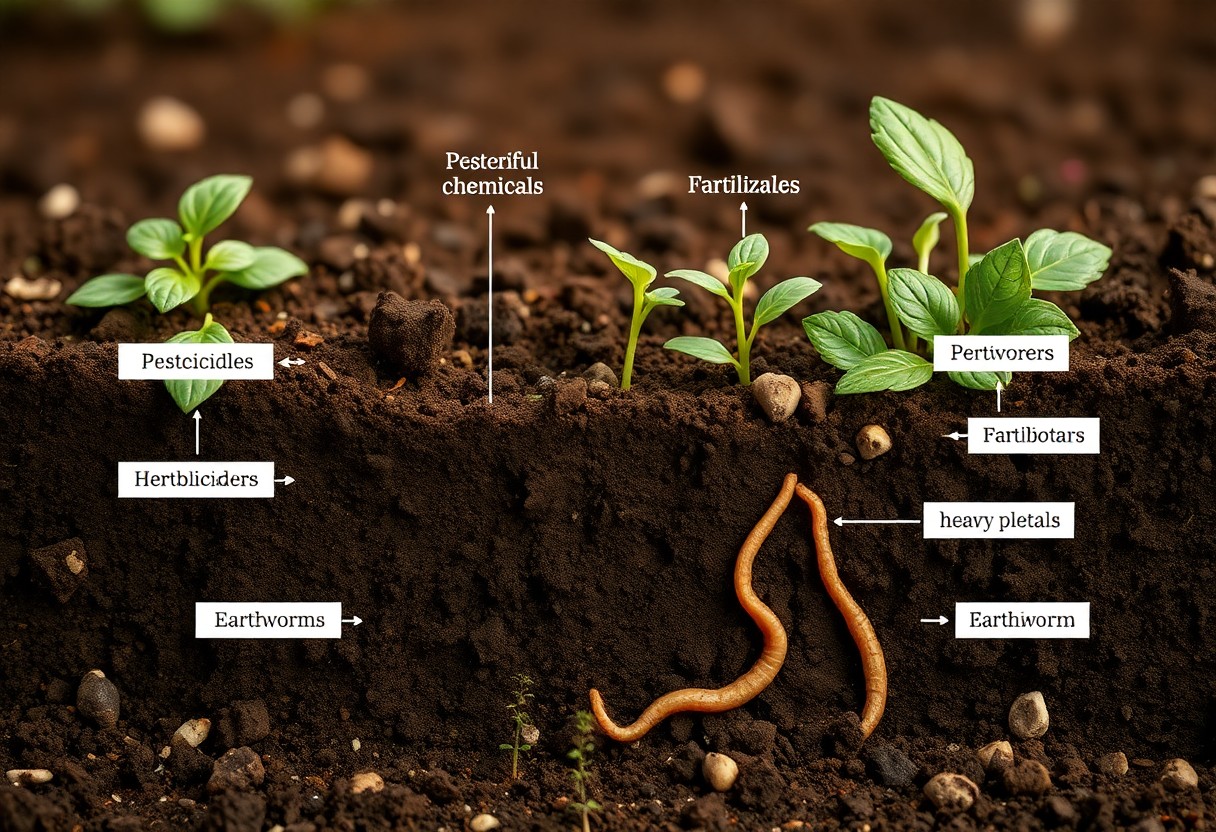
Assuming you care about the health of your soil and the ecosystem surrounding it, it’s vital to understand the seven chemicals that can severely impair soil quality. Each of these substances can contribute to soil degradation, affecting not only plant health but also the wider environment. By avoiding these chemicals, you can help cultivate a vibrant, resilient garden or farm.
Pesticides and Herbicides
To maintain the integrity of your soil, it’s best to steer clear of pesticides and herbicides, which can kill not only harmful pests but also beneficial microorganisms. These chemicals disrupt natural ecological balances, leading to soil erosion and diminishing soil fertility over time.
Synthetic Fertilizers
Beside harmful chemical pesticides, synthetic fertilizers can also be detrimental to your soil. They often provide a quick nutrient boost but contribute to long-term nutrient depletion and soil acidity, thus harming the overall soil structure.
Considering the use of synthetic fertilizers, it’s important to note that these products typically contain high levels of nitrogen, phosphorus, and potassium. While they may promote rapid plant growth, they can also lead to nutrient runoff, polluting local water sources and causing algal blooms, which can disturb aquatic ecosystems.
Heavy Metals
Avoid introducing heavy metals like lead, cadmium, and arsenic to your soil. These toxic elements can alter the biological and chemical balance of the soil and pose serious health risks, making it unsafe for plant growth and human consumption.
Indeed, heavy metals can accumulate in the soil over time, rendering it almost inhospitable for healthy microbial life. This accumulation can further lead to reduced crop yields and increased toxicity in food chains, ultimately affecting human health and safety.
Industrial Chemicals
By all means, steer clear of industrial chemicals, which include substances used in manufacturing processes. These can leach into the soil, leading to contamination and a decline in soil health.
For instance, chemicals such as solvents, acids, and heavy-duty detergents can disrupt the natural microbial ecosystem of the soil, impairing the ability of various organisms to thrive. This disruption can hinder plant growth and degrade soil quality over time, making it important to consider alternatives that do not pose these risks.
Petroleum Products
Synthetic oils and fuels are examples of petroleum products that you should avoid, as they can lead to long-term soil contamination and poor plant health.
Plus, these products can create a toxic environment in your soil, preventing beneficial organisms from flourishing. The petroleum compounds can also hinder important nutrient and water absorption, negatively affecting the growth of your plants and the overall health of the soil ecosystem.
Chlorinated Compounds
An array of chlorinated compounds, including cleaning agents and pesticides, are hazardous to your soil’s health and should be strictly avoided.
Petroleum-based chlorinated compounds can disrupt microbial activity and soil composition. When these substances penetrate the soil, they can lead to contamination of groundwater resources and create a hostile environment for organisms that contribute to nutrient cycling and soil health.
Pharmaceuticals
Products such as antibiotics and hormones found in medications can make their way into the soil, introducing pharmaceuticals that harm its health.
Herbicides and antibiotics can hinder microbial diversity in the soil, potentially leading to adverse effects on plant growth and nutrient availability. Additionally, the presence of these substances can have long-term impacts on soil health, as they may persist and accumulate, ultimately affecting the food chain and local ecosystems.
Alternatives to Harmful Chemicals
For those looking to protect their soil, there are various sustainable alternatives to harmful chemicals. By opting for natural solutions, you not only enhance the health of your soil but also benefit the environment. These alternatives offer effective ways to nourish your plants while avoiding toxicity. Implementing these methods contributes to a healthier ecosystem and presents you with a more sustainable gardening or farming practice.
Organic Farming Practices
Around the globe, organic farming practices are gaining popularity due to their ability to improve soil health without the use of synthetic chemicals. These methods include crop rotation, cover cropping, and utilizing compost, which enriches the soil and promotes biodiversity. By choosing organic practices, you ensure that your soil remains fertile and resilient.
Natural Soil Amendments
At the core of sustainable soil management are natural soil amendments, which enhance the soil’s fertility and structure without the risks associated with artificial fertilizers. These amendments can include materials like compost, manure, and biochar, all of which contribute beneficial nutrients to your soil ecosystem.
Soil health can significantly improve when you incorporate natural soil amendments into your gardening routine. These materials not only provide crucial nutrients but also promote microbial activity and improve soil structure. Compost, for example, enriches the soil with organic matter, facilitating better water retention and aeration. Additionally, biochar enhances nutrient absorption and reduces greenhouse gas emissions, making it a fantastic option for eco-friendly practices. By using these natural amendments, you’re actively enhancing the health and vibrancy of your soil.
Strategies for Chemical Mitigation
After understanding the potential risks associated with harmful chemicals in your soil, it’s vital to implement effective strategies for chemical mitigation. Techniques such as organic farming practices, integrated pest management, and the use of natural fertilizers can help you maintain soil health. By prioritizing these approaches, you can enhance your soil’s resilience against contaminants and promote a thriving ecosystem beneath your feet.
Soil Testing and Monitoring
Before taking action, assessing your soil’s current condition is vital. Regular soil testing allows you to identify chemical imbalances and contaminants. By analyzing nutrient levels and pH balance, you can tailor your soil management practices to address deficiencies and avoid further degradation. Continuous monitoring enables you to adjust your strategies proactively, ensuring a healthier environment for your plants.
Crop Rotation and Diversity
For optimal soil health, consider implementing crop rotation and enhancing diversity. By alternating different crops, you minimize pest populations, reduce disease pressure, and improve soil fertility. This practice helps break cycles of chemical dependency, fostering a more balanced ecosystem that supports beneficial organisms and nutrients in the soil.
Mitigation strategies like crop rotation and increasing plant diversity significantly contribute to soil health by preventing nutrient depletion and improving soil structure. By planting various crops, you’re disrupting pathogen life cycles and reducing reliance on synthetic chemicals. This not only enhances your soil’s biological activity but also increases resilience against environmental stressors. The outcome is healthier crops that thrive in a rich, diverse habitat, ultimately fostering sustainability.
Summing up
Conclusively, by avoiding the seven harmful chemicals outlined, you can significantly enhance the health of your soil. This not only benefits your garden and crops but also promotes a sustainable ecosystem. You have the power to make informed choices that will lead to healthier soil and a more fruitful yield. Prioritize organic alternatives and sustainable practices to ensure that your soil remains vibrant and life-sustaining for generations to come.