
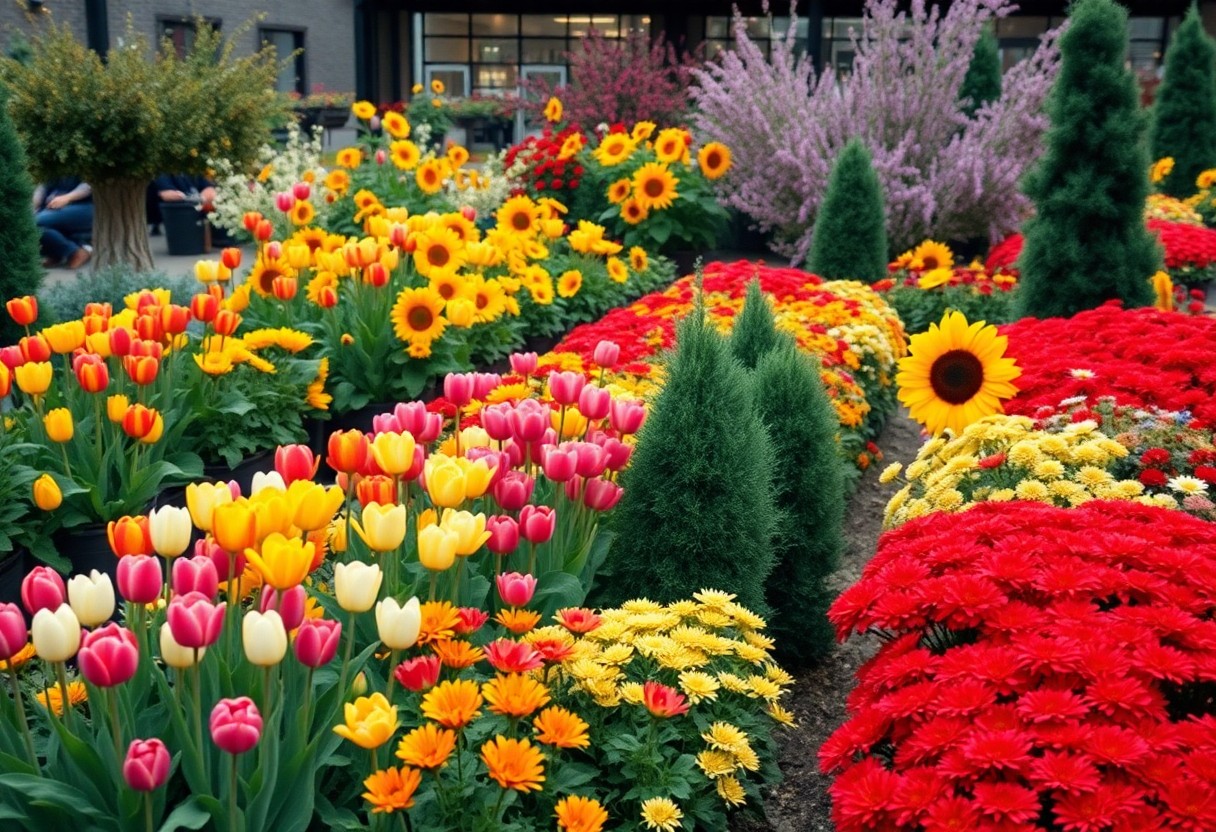
Over the course of the year, you can transform your garden into a vibrant tapestry of colors by understanding the flowering cycles of different plants. By strategically planning your flower choices, you will ensure that there is always something in bloom, creating a welcoming environment for you and beneficial pollinators alike. This guide will walk you through the vitals of selecting seasonal flowers, allowing you to maximize your garden’s potential and enjoy stunning displays no matter the time of year.
Understanding Seasonal Colors
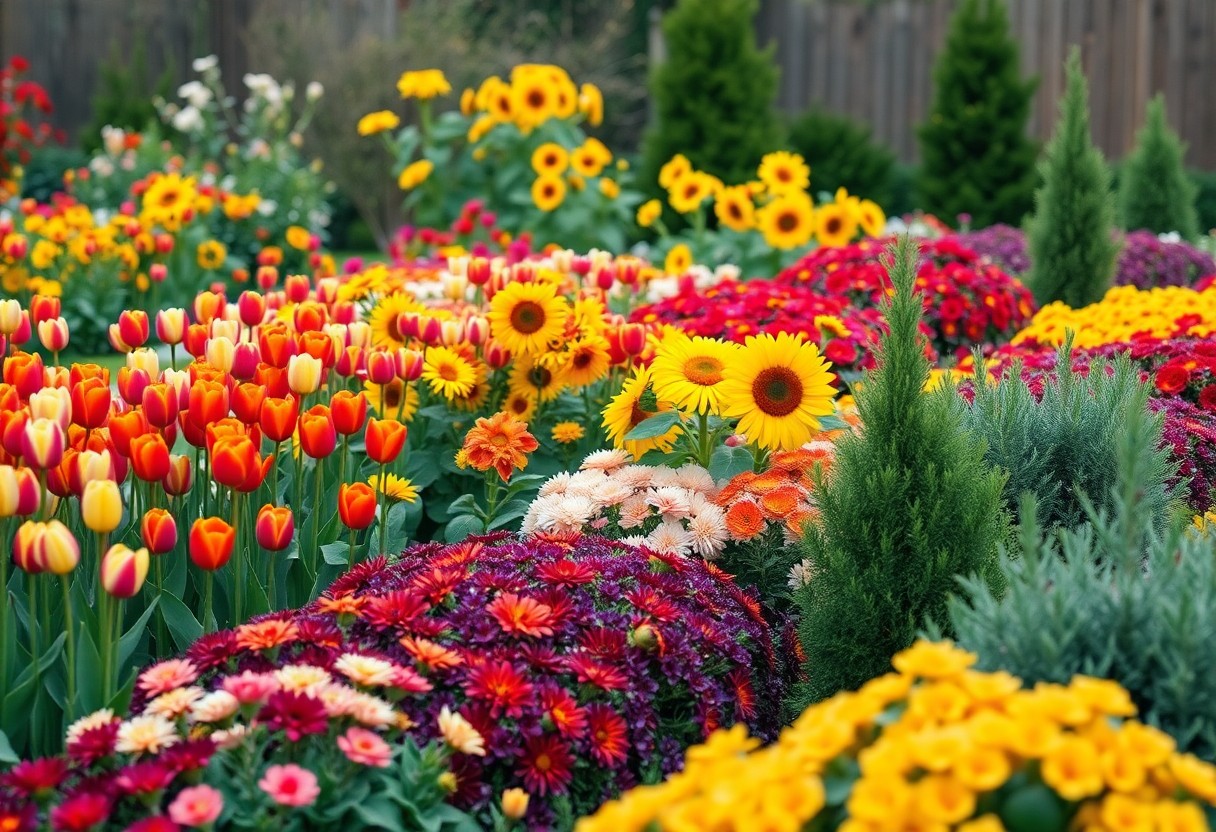
Before submerging into your flower garden planning, it’s crucial to grasp how seasonal colors influence your garden’s aesthetic. Seasonal colors not only dictate what blooms are available but also help create a cohesive and vibrant look throughout the year. Each season brings a unique palette that can enhance your outdoor space, evoking different emotions and setting the stage for stunning displays.
Spring Blooms
Spring is a time of renewal, bringing with it a burst of pastel colors and vibrant blooms. This season is characterized by soft shades of pink, yellow, and lavender, as flowers like tulips, daffodils, and hyacinths emerge, signaling the end of winter’s hold. These colors can create an uplifting atmosphere, inviting you and others to enjoy the refreshing beauty of nature.
Summer Vibrance
At the height of summer, your garden transforms into a kaleidoscope of vivid colors. Bright reds, oranges, and yellows dominate the landscape, as flowers such as sunflowers, zinnias, and marigolds come into full bloom. The passion of these colors energizes your garden, making it a lively place to spend time.
Seasonal summer flowers are not just eye-catching; they thrive in warm weather and can withstand long sunny days. To maintain a vibrant garden, consider planting a mix of annuals and perennials. Additionally, including a variety of shapes and sizes will add depth to your garden, ensuring you have eye-catching displays from dawn until dusk.
Autumn Hues
To embrace the beauty of fall, focus on deep, warm colors like burgundy, orange, and gold. Autumn brings dahlias, asters, and chrysanthemums into the spotlight, creating a rich tapestry that complements the changing leaves. These colors can provide a cozy, inviting atmosphere, perfect for outdoor gatherings during this transitional season.
Plus, by incorporating late-blooming plants into your garden, you can extend the vibrant displays well into autumn. Combining evergreens with your seasonal favorites adds structure, ensuring your garden remains visually appealing even as the blooms dwindle. This layering technique allows for dynamic color transitions, enhancing your garden’s aesthetic all season long.
Winter Selections
About winter, while many gardens may appear dormant, there are still opportunities to introduce color. Plants like hellebores and winter pansies can provide enchanting shades of purple, white, and even blush pink, helping you maintain beauty through the colder months. Utilizing evergreen plants and ornamental grasses will add texture and depth to your winter garden.
Understanding the selection of winter plants allows you to create an inviting space that persists even in the chill. Incorporating hardy elements like berry-producing shrubs or vibrant bark trees will not only offer visual interest but also provide sustenance for wildlife. This mindful approach helps you cultivate a thriving ecosystem while ensuring your garden remains lively, even in its quietest season.
Choosing the Right Plants
Assuming you want a vibrant and thriving flower garden, selecting the right plants is imperative. Look for varieties that flourish in your specific climate and soil conditions. Pay close attention to bloom times, ensuring you have a mix of early, mid, and late-season flowers, which will keep your garden alive with color all year round. Researching local plant markets or nurseries can offer insights into native species that are well-adapted to your area’s environment.
Perennials vs. Annuals
One of the key decisions in plant selection is whether to choose perennials or annuals. Perennials return year after year, providing consistent blooms with less maintenance, while annuals offer the opportunity for seasonal variety and a different palette each year. Consider blending both types in your garden to balance longevity with the excitement of change.
Climate Considerations
Among the most important factors in plant selection is your local climate, which affects the types of flowers you can successfully grow. Understanding your hardiness zone will guide your choices for plants that can withstand your area’s winter temperatures. Additionally, consider the amount of sunlight your garden receives and how moisture levels fluctuate throughout the seasons. This knowledge helps you choose plants that will not struggle against extreme weather conditions and will thrive in your specific environment.
Climate plays a significant role in your garden’s success, and understanding this allows you to make informed choices for your plant selection. Different flowers have specific temperature requirements and react variably to wet or dry conditions. Research your region’s climate patterns, including temperature extremes and typical rainfall, to select plants that can adapt and flourish. This ensures your garden remains vibrant and healthy, allowing you to maximize your gardening experience throughout the year.
Designing Your Garden
Once again, creating a stunning flower garden involves thoughtful design. Consider your garden’s overall flow and how the various elements will harmonize together. This is your opportunity to express your personality through blooms, selecting plants that not only thrive in your climate but also reflect your favorite colors and styles. Lay out your design on paper or use garden planning software to envision your future sanctuary.
Layout and Spacing
About setting the right layout, it is imperative to plan your garden’s structure properly. Think about the height of plants and their growth patterns. Ensure taller plants don’t block the sunlight from shorter ones. Allow enough room for air circulation and maintenance, which will keep your garden healthy and thriving.
Color Schemes
Across your garden, choosing a cohesive color scheme can enhance its visual appeal. You should focus on complementary colors that provide contrast and harmony, or select analogous colors for a softer transition. Experiment with different palettes by integrating vibrant hues, pastels, or even monochromatic shades for a unique look.
Spacing plays a significant role in implementing your color schemes effectively. Consider the growth habits of each flower; some will spread and fill in space while others will remain compact. By strategically placing plants with similar blooming periods together, you can create stunning bursts of color and texture throughout the seasons. Ensure you are providing the right spacing between different varieties to allow for sufficient air and light, thereby maximizing your garden’s health and beauty.
Maintenance Tips
Many flower gardens thrive on consistent care and attention. To maintain your year-round garden, focus on:
- Keeping your plants well-watered
- Applying seasonal fertilizers
- Regularly removing weeds
- Deadheading your flowers for continuous blooms
Perceiving the signs of stress in your plants will help you ensure they remain healthy throughout the year.
Watering and Fertilizing
Behind a vibrant garden lies a solid watering and fertilization routine. Depending on your climate, aim to water your flowers consistently, ensuring the soil remains moist but not soggy. Use a balanced fertilizer that corresponds with the growth phase of your plants, applying it according to the manufacturer’s instructions. This will provide your garden with the important nutrients needed to flourish.
Pest Management
The management of pests is a crucial aspect of maintaining a healthy garden. Regularly inspect your flowers for signs of pests, such as discolored leaves or unusual spots. By employing methods like companion planting, utilizing insecticidal soaps, or introducing beneficial insects, you can significantly reduce pest infestations.
In addition, investing time in learning about the specific pests that affect your particular flowers will enhance your pest management strategy. For example, certain plants may attract pests like aphids or spider mites, while others may deter them. Essential tools such as sticky traps and row covers can also be effective in preventing pest outbreaks while promoting a healthy ecosystem in your garden. Choosing natural methods not only safeguards your plants but also supports a balanced approach to gardening.
Seasonal Planting Calendar
After you have selected your color palette, the next step is to follow a seasonal planting calendar. This guide will help you choose the right plants for each season, ensuring your garden remains vibrant year-round. Spring is ideal for sowing annuals and perennials, while autumn is perfect for planting bulbs and preparing your garden for winter. In summer, focus on maintaining existing plants and adding late bloomers, and use winter for planning and indoor gardening. By strategically timing your plantings, you can enjoy a flourishing garden that thrives throughout the year.
Creative Techniques for Year-Round Color
Despite the challenges of seasonal shifts, you can cultivate a vibrant garden year-round by employing creative techniques. Merging various planting strategies, such as layering, companionship, and incorporating foliage, allows you to design a garden that showcases a continuous flow of color and texture. Embrace seasonal variations and let your garden evolve with the changing landscape.
Layering and Companionship
Beside the use of seasonal plants, you can enhance visual interest by layering different flower heights and employing companion planting. This technique allows you to create a tapestry of colors that bloom at different times, maximizing your garden’s aesthetic appeal. Choose plants that thrive together to promote healthier growth and extended flowering periods.
Incorporating Foliage
With vibrant flowers often stealing the spotlight, it’s vital not to underestimate the power of foliage in your garden design. Foliage plants provide a backdrop that enhances flower colors and adds year-round interest. By selecting a variety of leaf shapes and colors, you can create stunning contrasts and enrich your garden’s texture, ensuring it remains appealing even when flowers fade.
Further, incorporating foliage can dramatically elevate your garden’s appeal. Consider plants with vibrant colors like purple or red, or those with variegated leaves to create an eye-catching display. By combining plants with varied leaf sizes and shapes, you provide a strong foundation for blooming flowers. This diversity not only adds depth but also ensures your garden is a year-round attraction, captivating you and your visitors alike.
Final Words
Taking this into account, planning a year-round flower garden based on color by season allows you to create a vibrant outdoor space that blooms beautifully throughout the year. By choosing the right plants and arranging them thoughtfully, you can ensure a continuous display of color that enhances your landscape. Embrace the seasonal changes, and enjoy the satisfaction of cultivating a garden that reflects your personal style and invites joy into your home—no matter the time of year.