
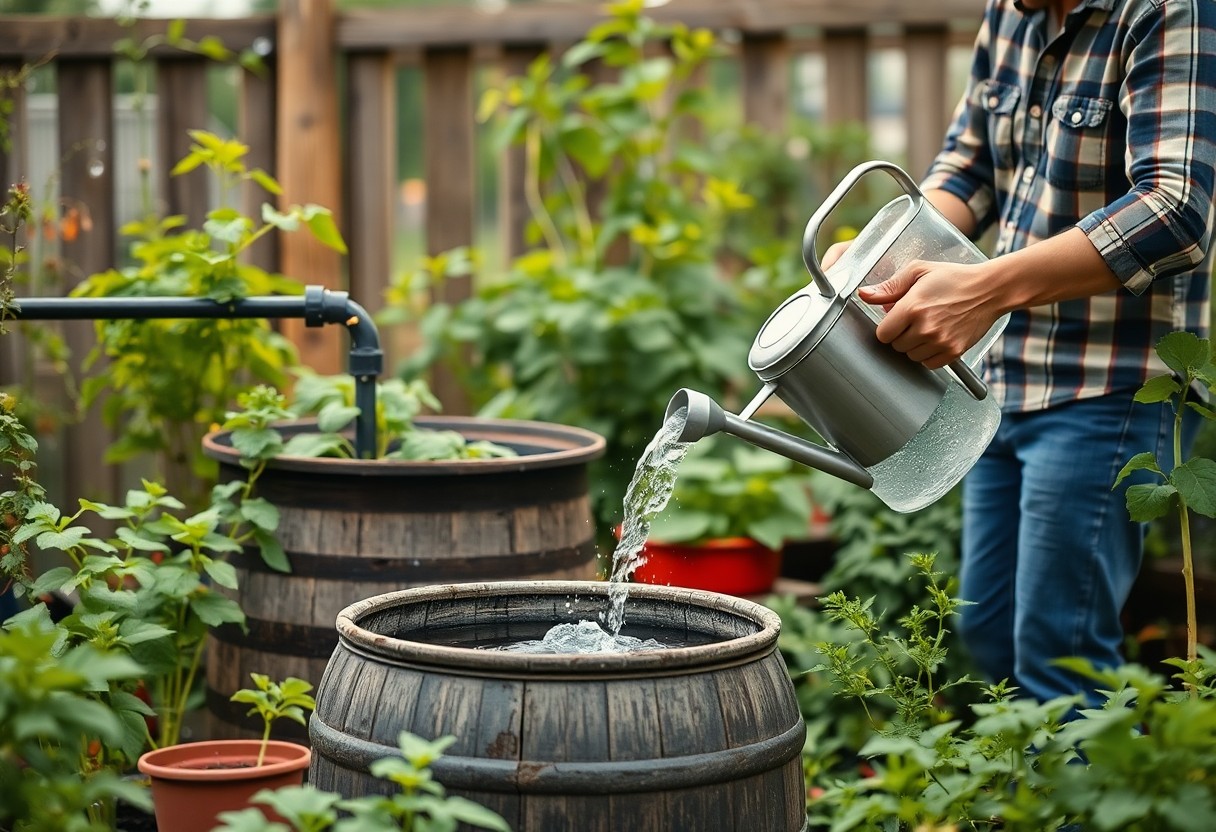
Over time, you’ll find that harvesting rainwater can significantly benefit your garden, providing an eco-friendly and cost-effective way to water your plants. This step-by-step guide will take you through the necessary processes and methods to collect and store rainwater, ensuring your garden thrives even during dry periods. By utilizing this sustainable approach, you can conserve water, reduce your utility bills, and contribute positively to the environment. Let’s look into the techniques needed to effectively harness this natural resource for your gardening needs.
Types of Rainwater Harvesting Systems
While there are various rainwater harvesting systems to choose from, understanding their differences is vital for making the right decision for your garden. Here are some common types:
| Roof Collection Systems | Collect rainwater from rooftops using gutters and downspouts. |
| Surface Runoff Collection | Utilizes ponds or swales to gather rainwater from the land surface. |
| Rain Barrels | Simple and cost-effective storage for small-scale collection. |
| Infiltration Trenches | Allows water to percolate into the ground for groundwater recharge. |
| Wetlands and Bioretention Systems | Natural methods to filter and utilize rainwater environments. |
After assessing your space and needs, you can select the most suitable system for efficient gardening.
Roof Collection Systems
One popular method of rainwater harvesting is through roof collection systems. This approach involves using gutters and downspouts to direct rainwater from your roof into storage tanks or barrels. With this system, you can efficiently collect water without needing extensive modifications to your property, making it an excellent option for many gardeners.
Surface Runoff Collection
Types of surface runoff collection involve gathering rainwater that flows across your garden or yard. This method can effectively direct water into different areas, optimizing your garden’s water usage. Utilizing ponds or swales can help efficiently retain and distribute this water for your plants.
Roof collection has many advantages, such as being relatively easy to set up, allowing you to harvest clean rainwater directly from your roof. However, you must also be aware of potential issues like contaminants that can accumulate on your roof or in gutters, which may affect water quality. Regular maintenance is important to ensure you can enjoy the many benefits of rainwater harvesting with minimal risk to your plants.
Step-by-Step Guide to Installation
If you’re ready to start your rainwater harvesting project, follow this detailed guide for a successful installation. Ensure you take the time to plan accordingly and gather all necessary materials before beginning.
| Steps | Description |
| 1. Choose Location | Select a suitable spot for your rainwater collection system. |
| 2. Measure & Plan | Estimate how much rainwater you can collect and design your system. |
| 3. Gather Materials | Collect all necessary components for your setup. |
| 4. Install Gutters | Attach gutters to your roof for water collection. |
| 5. Set Up Storage Tank | Place your storage tank in the designated area. |
| 6. Connect Systems | Link gutters to your storage tank. |
| 7. Test & Maintain | Check for leaks and perform regular maintenance. |
Planning and Design
To create an efficient rainwater harvesting system, you must first assess your garden’s needs and the space available for installation. Consider factors like the average rainfall in your area, your garden size, and how much water you hope to collect. This will help you design a system tailored to your specific requirements and ensure maximum efficiency.
Components and Materials
Now that you have a plan, it’s time to gather the necessary components for your rainwater harvesting system. This includes materials like gutters, downspouts, a rain barrel or tank, and filtration systems.
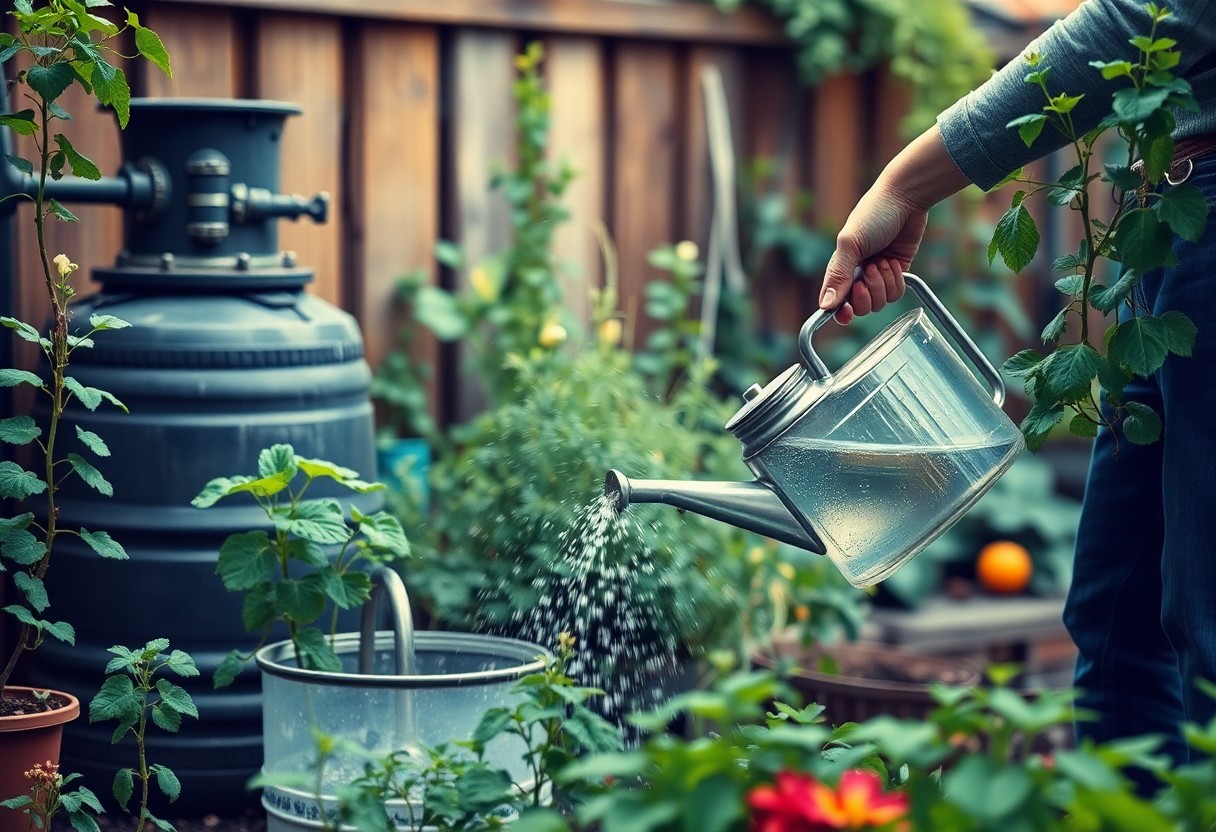
For instance, when selecting your rain barrel, choose one made from durable material to withstand the elements and consider adding a first flush diverter to discard the initial runoff that might contain debris. Furthermore, having a filter in place is vital for maintaining the quality of your harvested water, so be sure to invest in a reliable one. Lastly, don’t overlook the importance of a secure cover for your storage container to prevent mosquito breeding and contamination.
Essential Tips for Effective Harvesting
There’s much to consider for successful rainwater harvesting. To maximize your results, heed the following tips:
- Choose the right location for your rainwater collection system.
- Maintain your gutters and downspouts for proper water flow.
- Utilize a first flush diverter to filter contaminants.
- Store your harvested water in clean, secure tanks.
- Regularly check for leaks and repairs in your system.
Recognizing these practices can lead to a more efficient and effective harvesting experience.
Maintenance Best Practices
There’s no substitute for regular maintenance when it comes to your rainwater harvesting system. Keep your storage tanks clean and free from debris, and inspect your filtration systems frequently. Remember to check your gutters, downspouts, and diverters for clogs or damage. Regular maintenance not only prolongs the life of your equipment but also ensures the quality of the water you are using for your garden.
Seasonal Considerations
Effective rainwater harvesting requires attention to seasonal changes. You should adjust your collection strategies according to seasonal rainfall patterns and temperature fluctuations. During heavy rains, ensure your system can handle the volume without overflow. In contrast, during dry seasons, check your tanks to guarantee they are not emptying too quickly. This proactive approach will help you maintain a steady supply of water for your garden whenever you need it.
Best practices during seasonal changes include monitoring local weather forecasts to anticipate heavy rainfall or drought conditions. You may want to install a larger tank during wetter months to capture excess water, while also having a strategy for conserving what you harvest during drier periods. Engaging in these actions will promote optimal water management and help sustain the health of your garden year-round.
Factors to Consider
Unlike many gardening practices, rainwater harvesting requires careful evaluation of several factors. Consider the following points to optimize your system:
- Local regulations and guidelines
- Climate and rainfall patterns
- Storage capacity of your system
- Filter and treatment options
Knowing these factors will significantly enhance your ability to effectively implement a rainwater harvesting system.
Local Regulations and Guidelines
Clearly, understanding your area’s local regulations and guidelines is necessary for successfully harvesting rainwater. Different regions may have specific requirements regarding the collection and use of rainwater, including permits or restrictions on the types of systems allowed. Be sure to check with your local authorities to ensure compliance and to avoid potential future issues.
Climate and Rainfall Patterns
Rainfall patterns in your region will significantly influence your rainwater harvesting strategy. You should assess the average annual rainfall, seasonal variations, and any potential drought periods, as these factors will affect the volume of water you can collect. Additionally, be proactive in choosing appropriate storage solutions that accommodate fluctuations in rainfall to maintain a consistent water supply for your garden.
Guidelines suggest that you should analyze past rainfall data for your region to forecast future patterns accurately. Understand the impact of climate change, as it may lead to unpredictable shifts in precipitation levels, impacting your harvesting strategy. Favorable winter rainfall may be less reliable, requiring systems that efficiently store rainwater during periods of abundance. You can prepare yourself for potential drought conditions by maximizing your rainwater collection and improving your garden’s overall resilience.
Pros and Cons of Rainwater Harvesting
Your interest in rainwater harvesting brings both benefits and challenges. Understanding these aspects can help you make informed decisions. Below is a comparison of the pros and cons.
| Pros | Cons |
|---|---|
| Reduces water bills | Initial setup costs |
| Provides a sustainable water source | Requires maintenance |
| Improves garden health | Seasonal variability in collection |
| Reduces stormwater runoff | Possible contamination issues |
| Supports local ecology | Potential zoning restrictions |
Benefits for Gardeners
You will find that rainwater harvesting offers numerous benefits for your garden. The collected rainwater is naturally soft and free of the chemicals often found in municipal supplies, making it perfect for your plants. Increased availability of water can lead to flourishing gardens and reduced water costs during dry spells.
Potential Drawbacks
You should also be aware of the potential drawbacks of rainwater harvesting. Factors such as weather patterns and possible contaminants from your roof can affect your water quality and quantity.
With rainwater collection, you may face challenges related to initial investment, such as the costs of installing tanks and gutters. Additionally, maintenance is necessary to ensure your system operates efficiently and is free from debris or pests. Seasonal changes could lead to inconsistent water supply, which may impact your gardening efforts. You must also be cautious of any possible health risks if the water becomes contaminated, so regular testing and upkeep are crucial.
To wrap up
Hence, by implementing rainwater harvesting, you can significantly enhance your gardening practices while conserving water and reducing your utility costs. By following the outlined steps, you can efficiently collect and utilize rainwater, giving your garden the hydrated boost it needs to flourish. As you launch on this rewarding journey, you’ll not only support your plants but also contribute to environmental sustainability. Embrace this simple yet effective method, and watch your garden thrive with the natural benefits of rainwater.