
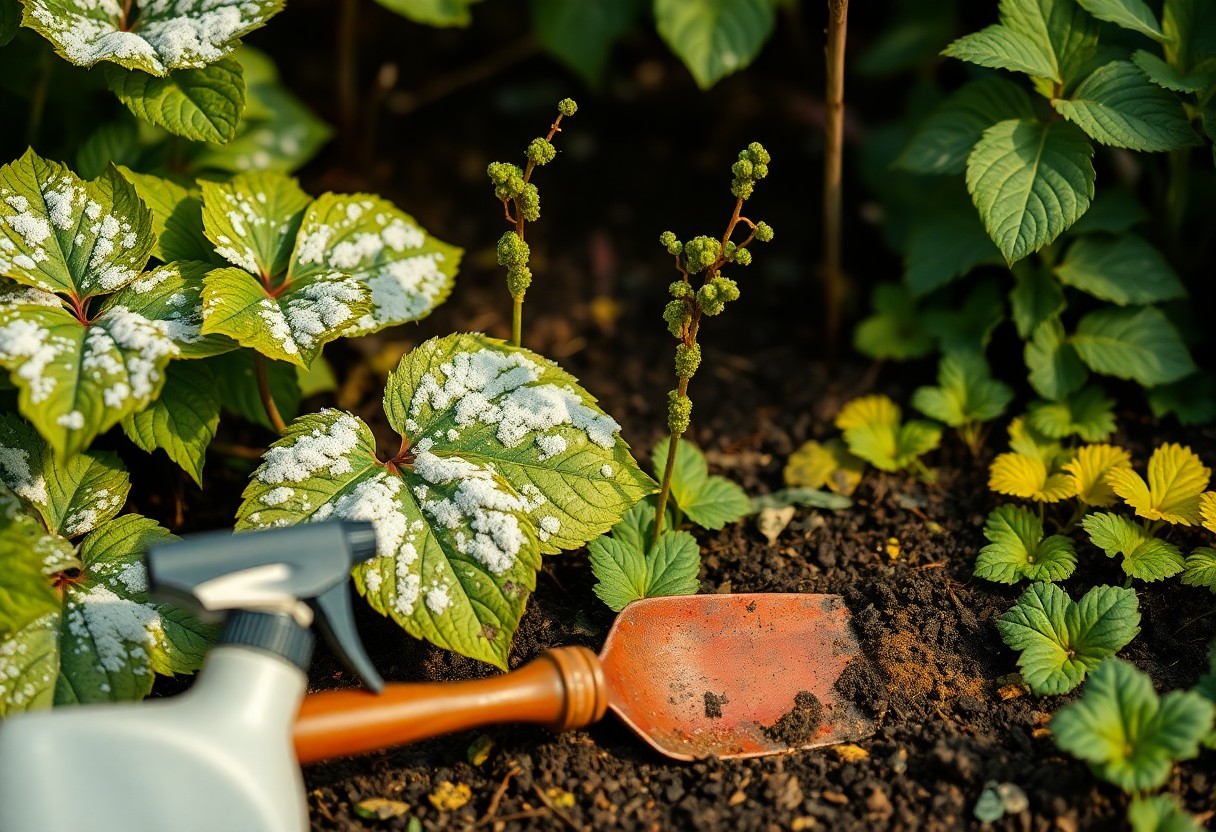
Blight can wreak havoc on your garden, leaving your plants vulnerable to powdery mildew and aphids. If you’ve noticed these pesky invaders, don’t panic—your garden can still thrive! This guide will provide you with quick fixes and effective preventive measures to ensure your plants stay healthy and flourishing. Armed with practical tips, you’ll be equipped to tackle these common gardening challenges head-on, protecting your precious plants and enjoying a vibrant landscape.
Understanding Powdery Mildew
For plant enthusiasts and gardeners, powdery mildew can be a frustrating foe. This fungal disease appears as a white, powdery coating on leaves, stems, and buds, inhibiting plant growth and productivity. Recognizing this issue early can save your plants from severe damage and help maintain a vibrant garden. Keeping an eye on your plants will allow you to swiftly address any issues related to powdery mildew.
Symptoms and Identification
After spotting a white, powdery substance on your plant’s surfaces, you may also notice yellowing leaves and distorted growth. Severe infestations can lead to leaf drop and reduced yields, making it crucial for you to identify powdery mildew at its onset. Regular inspections of your plants will help you catch this disease before it escalates.
Causes and Conditions
One significant factor contributing to powdery mildew is high humidity, combined with poor air circulation and warm temperatures. This fungal disease thrives in conditions where moisture is present, leading to rapid spread. To combat these conditions, ensure your garden has adequate spacing between plants and good airflow, especially during hot and humid seasons.
Identification of these conditions is key to prevention. By ensuring adequate sunlight and ventilation, you’ll minimize the chances of powdery mildew taking hold. Over-fertilization, particularly with nitrogen, can also encourage lush growth that is susceptible to this fungus. Regular monitoring and maintaining an appropriate moisture level in your soil will aid in mitigating risks associated with this common issue, ensuring your plants remain healthy and thriving.
Aphid Infestation
One of the most common pests in gardens and on houseplants, aphids can quickly wreak havoc on your plants if left unchecked. They are tiny, soft-bodied insects that come in various colors, including green, black, and brown. Aphids feed on plant sap, weakening plants, and potentially spreading diseases that can harm your garden. Regular inspection is key—acting early can save your plants from significant damage.
Signs of Infestation
Infestation by aphids is typically evidenced by curling leaves, yellowing foliage, and a sticky residue known as honeydew that can attract other pests like ants. You may also notice small clusters of aphids on new growth or stems. Furthermore, the presence of sooty mold on your plants, a result of honeydew accumulation, can indicate a serious aphid problem that needs your attention.
Control and Prevention Methods
Against an aphid infestation, there are several effective strategies you can implement to protect your plants. Regularly check for early signs of aphids and introduce beneficial insects like ladybugs that naturally prey on them. You can also spray your plants with a mixture of water and mild soap, which suffocates aphids without harming your plants. Utilizing neem oil or insecticidal soap is another efficient approach, offering both immediate relief and preventive properties.
Due to the rapid reproduction rate of aphids, acting swiftly is paramount to keeping your plants healthy. Implementing integrated pest management techniques will help control infestations without reliance on harsh chemicals. Using companion planting and natural predators, you can create a balanced ecosystem that minimizes the risk of aphids. Additionally, keeping your plants well-nourished and free from stress can enhance their resilience against these pesky invaders, allowing for a thriving garden environment.
Blight Diseases
You need to be aware of the various blight diseases that can affect your garden. These diseases not only diminish the aesthetic value of your plants but can also hinder their growth. Early identification and appropriate measures can help you protect your garden from the ravages of blight.
Types of Blight
One of the most common problems in gardens, blight comes in different forms:
| Late Blight | Affects tomatoes and potatoes, causing dark spots and wilting. |
| Early Blight | Characterized by concentric rings on older tomato leaves. |
| Leaf Blight | Targets beans and peppers; causes yellowing and leaf drop. |
| Stem Blight | Envelops stems, leading to dieback in affected areas. |
| Fungal Blight | Involves various fungi, typically thriving in humid environments. |
This highlights the range of blight diseases that can threaten your plants.
Management Strategies
Any effective management strategies for blight involve a combination of cultural practices and chemical treatments. You should water at the base of your plants, avoid overhead watering, and maintain good air circulation to minimize humidity.
Also, implementing crop rotation and using resistant varieties can significantly reduce the risk of blight. Applying a fungicide when you first notice symptoms can halt the spread early. Furthermore, proper sanitation, such as cleaning up fallen leaves and debris, can help eliminate spores in your garden. Adopting these strategies will enhance your chances of keeping blight at bay.
Quick Fixes for Common Problems
Despite the challenges posed by powdery mildew, aphids, and blight, there are quick fixes that can help restore the health of your plants. By identifying the problem early and implementing effective solutions, you can minimize the impact of these common issues. Take proactive steps and keep your garden thriving with these helpful tips.
Chemical Solutions
Among the myriad of options, chemical solutions are effective in managing pests and diseases. Targeted insecticides can control aphids, while fungicides can tackle powdery mildew and blight. When using these products, always follow the manufacturer’s instructions to ensure both your safety and the well-being of your plants.
Organic Remedies
Along with chemical solutions, organic remedies are an excellent way to address plant issues naturally. They often involve using homemade or commercially available mixtures that help repel pests and combat diseases without chemicals. Utilizing ingredients like neem oil, baking soda, and garlic can be a safe alternative to chemical treatments.
Plus, organic remedies have the added benefit of being environmentally friendly and safe for beneficial insects. For example, neem oil disrupts the life cycle of pests like aphids without harming plants. Baking soda acts as a natural fungicide, effectively managing powdery mildew. By embracing these solutions, you can protect your garden while promoting a healthier ecosystem around you.
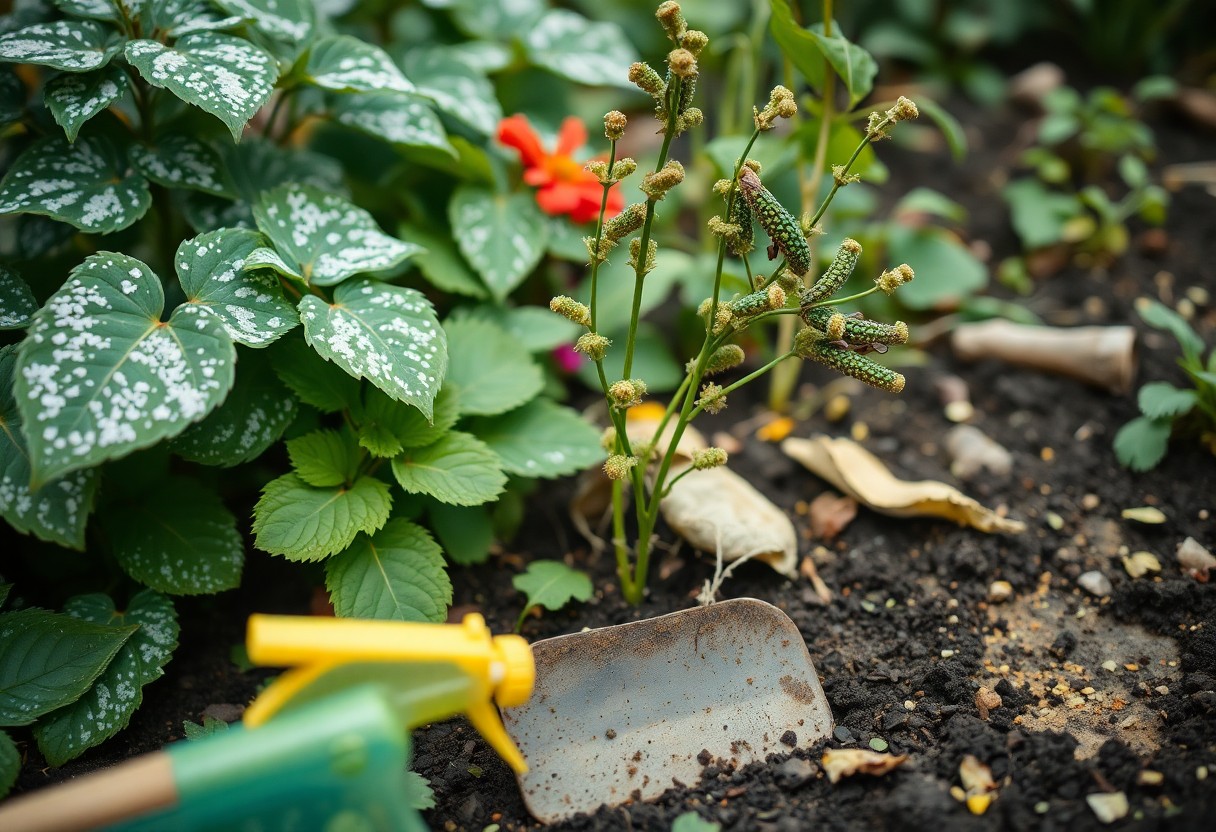
Preventative Measures
Your garden can thrive if you adopt effective preventative measures against pests and diseases. Regular monitoring for signs of powdery mildew, aphids, and blight is necessary. Focus on maintaining healthy plants, as robust growth can resist infestations. Implementing care practices, such as crop rotation and proper spacing, can reduce the likelihood of disease spread and pest colonization, ensuring your plants remain healthy all season long.
Cultural Practices
The implementation of sound cultural practices greatly influences your garden’s health. Rotate your crops yearly to disrupt pest life cycles and enrich the soil. Additionally, practicing proper pruning techniques can enhance air circulation, reducing humidity where powdery mildew thrives.
Environmental Factors
Around your garden, various environmental factors play a significant role in the presence of pests and diseases. Adequate sunlight, air circulation, and moisture levels can either encourage or deter infestations. You should consider factors like:
- Humidity: Higher humidity levels can promote powdery mildew.
- Soil drainage: Poor drainage can lead to blight.
- Temperature: Extremely high or low temperatures can stress plants.
Any combination of these factors can make your plants susceptible to problems, so be diligent in monitoring their environment.
Another key aspect to consider is the local climate you live in, which directly impacts plant health. Regions with high humidity may experience increased pest infestations and fungal diseases, while excessive heat can lead to plant stress and vulnerability. Pay attention to:
- Climate conditions: They determine plant resilience.
- Weather changes: Sudden fluctuations can affect disease outbreaks.
- Sunlight exposure: Adequate light helps plants fend off diseases.
Any variation in these climate-related factors may influence your garden’s performance and should be addressed promptly to maintain plant health.
When to Seek Professional Help
Unlike minor pest issues that can be resolved with home remedies, severe infestations of powdery mildew, aphids, or blight may require the expertise of a professional. If you notice rapid plant decline or struggle to control the spread despite your best efforts, it’s time to seek assistance. Expert intervention can help you identify underlying issues and provide targeted solutions, ensuring your plants are on the path to recovery. Investing in professional help can save you time, resources, and the overall health of your garden.
Conclusion
Ultimately, dealing with powdery mildew, aphids, and blight can feel overwhelming, but with the right quick fixes, you can effectively protect your plants. By staying vigilant and proactive in your approach, you give your garden the best chance to thrive. Regularly inspect your plants, apply appropriate treatments, and maintain good gardening practices to prevent future infestations. With these strategies in your gardening toolkit, you can ensure your plants remain healthy and vibrant.