
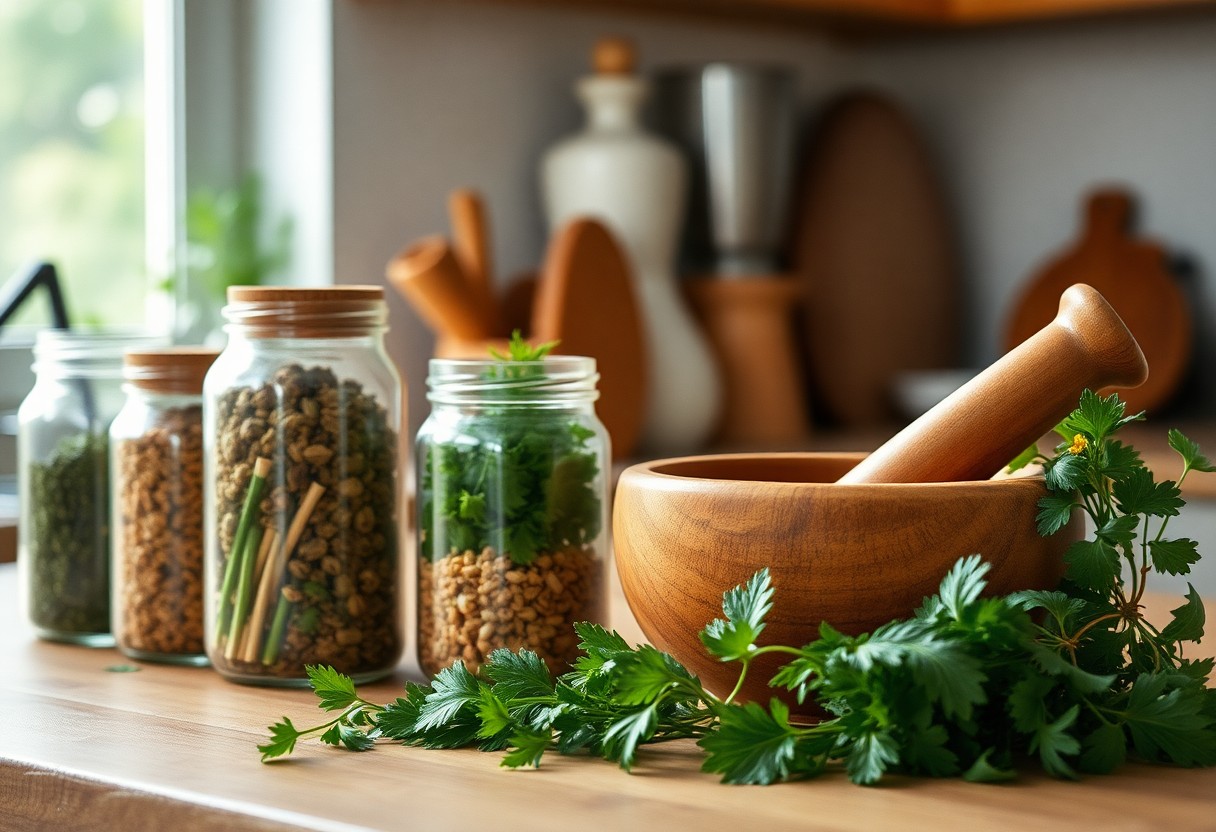
This guide will equip you with the crucial techniques to preserve your herb harvest so you can enjoy fresh flavors long after the growing season ends. You’ll discover various methods including drying, freezing, and infusing, each with its own benefits to suit your preferences. By using these strategies, you can ensure that your herbs retain their vibrant flavor and valuable nutrients, allowing you to elevate your culinary creations throughout the year. Get ready to maximize the potential of your harvest and keep those flavors alive in your kitchen!
Understanding Your Herbs
The successful preservation of your herb harvest begins with understanding the unique characteristics of your herbs. Each herb has its own flavor profile, aroma, and texture, which influences how you should store and preserve them. For example, tender herbs like basil and cilantro have high water content and require different preservation methods compared to woody herbs like rosemary and thyme. Familiarizing yourself with these differences will ensure that you maintain the quality and potency of your herbs all year round.
Factors Affecting Preservation
The preservation of your herbs can be influenced by several key factors. Consider the following:
- Moisture content: High moisture can lead to spoilage.
- Temperature: Optimal storage temperature can affect freshness.
- Light exposure: Dark storage is ideal for longevity.
- Cutting method: Clean cuts can impact oil retention.
Perceiving these factors will guide you in choosing the best methods for your specific herbs.
Choosing the Right Herbs
Now that you understand your herbs, you can move on to selecting the right varieties for preservation.
It’s vital to choose herbs that are both suitable for your culinary needs and ones that preserve well. For instance, hardy herbs such as oregano and thyme maintain their flavor and aroma even after drying or freezing, making them excellent candidates. Conversely, delicate herbs like basil can lose their potency quickly; thus, consider using them fresh or in infused oils. By selecting the right herbs, you can enjoy a flavorful and aromatic addition to your dishes throughout the year.
Methods of Preservation
Even with the abundance of your herb harvest, knowing the right methods of preservation can ensure that you enjoy fresh flavors throughout the year. From drying and freezing to oil infusions and making herb pastes, these techniques each offer unique advantages. You can choose based on your specific herbs, personal preferences, and how you plan to use them in your cooking.
Drying Techniques
Even drying your herbs can maintain their flavor and potency while making them easy to store. Methods like air drying, using a dehydrator, or even an oven provide flexibility based on your available resources. It’s imperative to ensure herbs are dried thoroughly to avoid moisture-related spoilage.
Freezing Methods
Now, freezing is one of the best ways to preserve your herb harvest while keeping their vibrant flavors intact. You can individually freeze herbs, or create herb-infused ice cubes or pesto-style pastes to add convenience to your cooking.
Methods such as blanching herbs before freezing can enhance their color and flavor. To freeze, clean and chop your herbs, then lay them flat in a freezer-safe bag or container, squeezing out excess air to prevent freezer burn. For a more integrated option, mix chopped herbs with olive oil in ice cube trays and freeze, creating flavored cubes that are ready to use in soups, sauces, or marinades. This allows you to enjoy your harvest long after the growing season has ended.
Infusing and Preserving
One of the best ways to enjoy your herb harvest throughout the year is by infusing them into oils and vinegars. These methods not only enhance the flavors of your dishes but also provide you with unique ingredients that are packed with the essence of your favorite herbs. By choosing high-quality olive oil or vinegar, you can create flavorful infusions that are perfect for cooking, dressings, and marinades.
Oil Infusions
Even if you’re new to infusion techniques, making herb-infused oils is simple and rewarding. Begin by selecting fresh or dried herbs and combine them with your chosen oil. Lightly heat the oil to help release the herbs’ flavors, then strain and store it in a dark bottle. This infused oil can add a delightful twist to your culinary creations.
Vinegar Infusions
Some of the most flavorful vinegar infusions come from using fresh herbs, fruits, or spices. Start by combining your desired herbs with vinegar and allow the mixture to steep for a couple of weeks, shaking occasionally. This process results in a vibrant, aromatic vinegar that can elevate salads and marinades.
Plus, vinegar infusions offer various health benefits, as they can be rich in antioxidants and may help support digestion. When you infuse your vinegar, ensure you use high-quality, food-safe herbs to avoid any potential risks. Always use sterile containers to prevent contamination, and keep your infused vinegar in a cool spot away from light. This way, you can relish the unique flavors of your herb harvest while contributing to your health!
Storing Your Preserved Herbs
To keep your herbs fresh and flavorful, proper storage is crucial. Choose airtight containers such as glass jars, vacuum-sealed bags, or freezer-safe containers to extend the shelf life of your preserved herbs. Ensure they are kept away from light and moisture for optimal preservation. You can also consider these tips:
Containers and Storage Tips
- Use glass jars for dried herbs to avoid moisture.
- Opt for vacuum-sealed bags for freezing fresh herbs.
- Store in cool, dark places to maintain flavor.
Recognizing the right container and storage method plays a significant role in maintaining the quality of your herbs throughout the year.
Labeling and Organizing
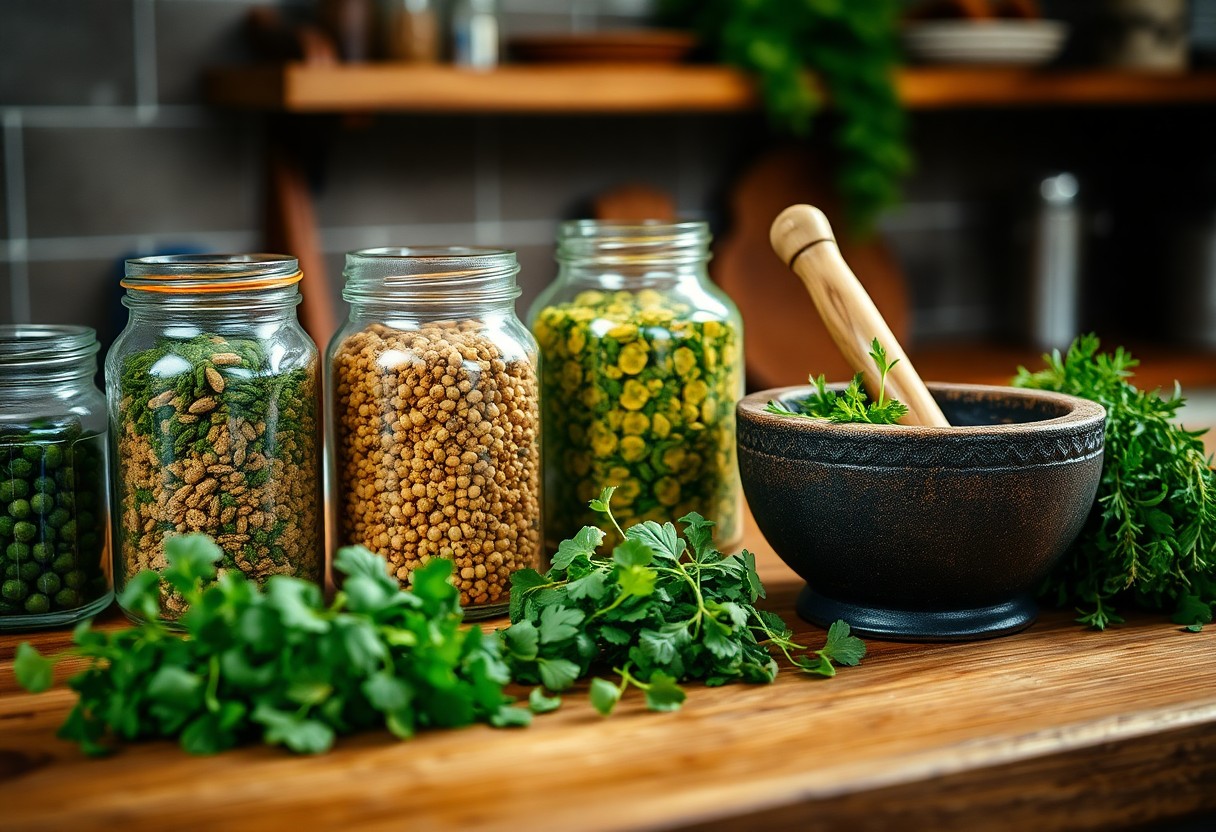
An organized system for labeling and storing your herbs will save you time and prevent mix-ups. Use clear labels with the date and herb names, ensuring easy identification. Consider separating herbs by type, flavor profile, or intended use for convenience.
Understanding the organization of your preserved herbs is key to maximizing their use in your cooking. Utilize durable labels that withstand humidity and keep your herbs categorized for quick access. When you know where everything is, it not only makes your culinary tasks more efficient but also promotes a sense of satisfaction and control in your kitchen. Taking the time to label accurately will prevent any confusion when you’re ready to add flavor to your dishes.
Using Preserved Herbs
Despite the convenience of fresh herbs, preserved herbs can enhance your cooking and add depth to your dishes throughout the year. Utilizing dried, frozen, or infused herbs, you can easily elevate your favorite recipes. Whether you add them to soups, stews, marinades, or dressings, preserved herbs impart flavors that transport your meals to gourmet heights, ensuring your culinary creations maintain a vibrant taste even in the off-season.
Culinary Applications
An easy way to incorporate your preserved herbs is by using them as a seasoning in various dishes. Add dried herbs to sauces and stocks or sprinkle them on roasted vegetables for a flavor boost. You can also make herb-infused oils or dressings to drizzle over salads, inviting a fresh flair to your meals even when your garden is dormant.
Health Benefits
If you add preserved herbs to your diet, you’re not just enhancing flavor but also enriching your meals with vital nutrients. Many herbs are packed with vitamins, minerals, and antioxidants that support overall health, promoting wellness and a strong immune system.
For instance, herbs like basil and oregano are known for their anti-inflammatory properties, while rosemary contains compounds that enhance cognitive function. Including preserved herbs in your cuisine can also help improve digestion and provide vital nutrients, allowing you to benefit from their medicinal properties. Moreover, by using dried or frozen versions, you maintain these health benefits year-round, ensuring that your dishes are both delicious and nutritious.
Tips for Successful Preservation
After harvesting your herbs, proper preservation leads to flavorful results. Here are key tips to ensure success:
- Choose fresh, healthy herbs without blemishes.
- Utilize clean tools and containers to avoid contamination.
- Consider the preservation method that best suits your herbs.
- Label containers with dates for easy tracking.
Assume that with these strategies, you are setting yourself up for a flavorful culinary experience throughout the year.
Do’s and Don’ts
For successful herb preservation, focus on what works best. Do keep your herbs clean and dry before preservation. Do not overlook the importance of proper storage. Avoid using herbs that are past their prime, as they will not retain their flavor.
Troubleshooting Common Issues
Tips to handle common issues can enhance your preservation experience. Understanding that moisture can lead to mold, ensure your herbs are thoroughly dried before packing. If you encounter issues like freezer burn or flavor loss, check your storage techniques and ensure you are using airtight containers. Don’t hesitate to experiment with different methods to find what best preserves your herbs while maintaining their freshness.
Understanding how to troubleshoot common issues begins with recognizing the signs of improper preservation. If you notice your dried herbs have an off smell or color, it indicates spoilage. Additionally, ice crystals in frozen herbs signal moisture exposure, which can diminish flavor. Proper handling, like using dehydrators, can help maintain your herbs’ quality. Stay observant and adjust your methods as necessary to ensure you always enjoy the essence of your homegrown herbs.
Conclusion
Ultimately, preserving your herb harvest lets you enjoy the flavors of your garden throughout the year. By using methods such as drying, freezing, and making herb-infused oils or salts, you can effectively maintain the freshness and potency of your herbs. Each technique offers unique benefits, so choose the ones that best fit your lifestyle and culinary preferences. With a little practice, you’ll have a well-stocked supply of herbs that elevate your dishes no matter the season.