
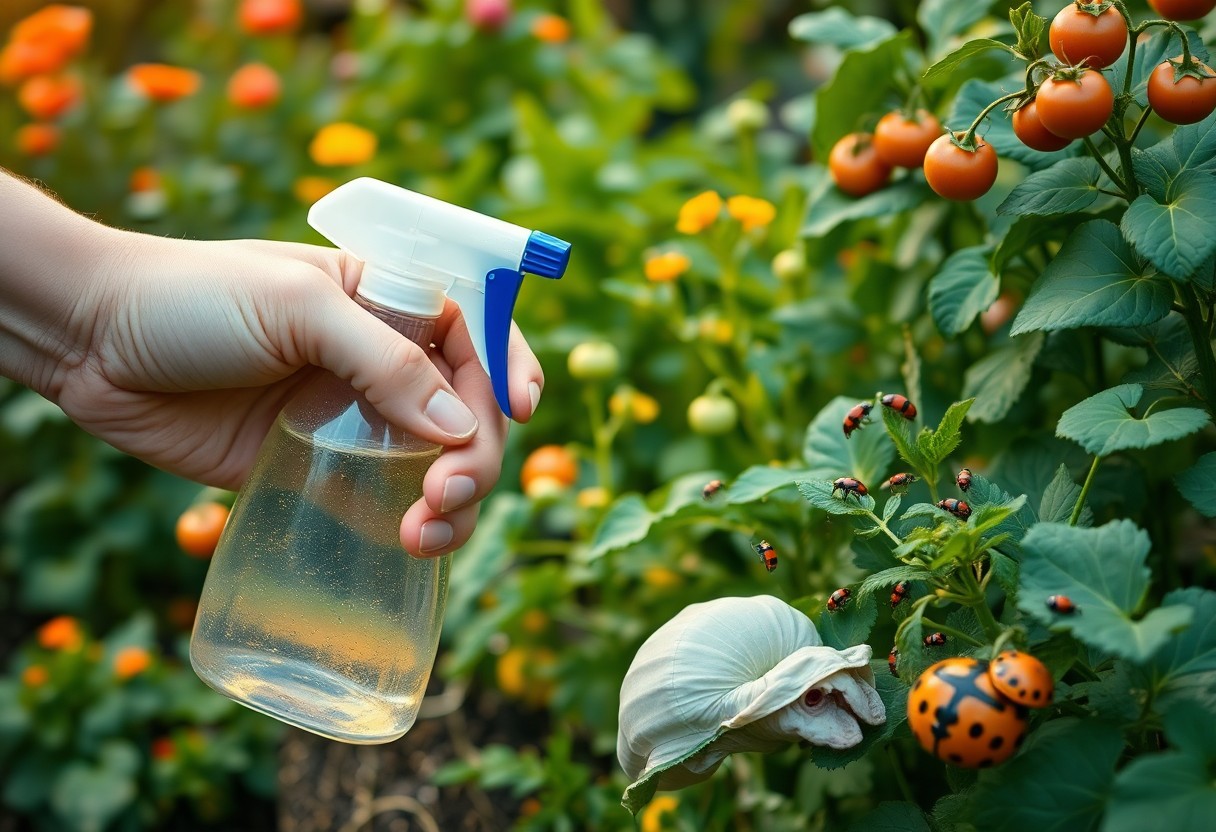
Pest control is an imperative aspect of maintaining a healthy and thriving garden. In this guide, you will discover effective organic methods that not only protect your plants but also promote a balanced ecosystem. By using natural solutions, you can keep harmful insects at bay while preserving beneficial ones. This cheat sheet will equip you with the knowledge and tools necessary to manage pests organically, ensuring your garden remains vibrant and productive. Dive in to learn how to safeguard your plants while maintaining a sustainable gardening practice.
Understanding Common Garden Pests
The key to effective organic pest control is understanding the different types of pests that may invade your garden. By familiarizing yourself with their behaviors, life cycles, and preferred environments, you can better manage and mitigate their impact on your plants.
Types of Pests
The garden is home to various pests that can threaten your plants:
- Insects (e.g., aphids, caterpillars)
- Weeds (e.g., crabgrass, dandelions)
- Nematodes (e.g., root knot nematodes)
- Mollusks (e.g., slugs, snails)
- Mammals (e.g., rabbits, deer)
After understanding the types of pests, you can take targeted action to protect your garden.
| Insects | Can cause damage to leaves, stems, and fruits. |
| Weeds | Compete with plants for nutrients and water. |
| Nematodes | Infest root systems, leading to poor plant growth. |
| Mollusks | Leave slime trails and eat tender plant tissue. |
| Mammals | May graze on your crops, causing significant loss. |
Signs of Infestation
Above all, recognizing the signs of an infestation is critical for maintaining a healthy garden. Early detection helps you respond effectively and minimize damage to your plants.
For instance, you might notice stunted growth, chewed leaves, or sticky residues on plant surfaces. Spotting pest eggs or physical pest presence, such as holes in fruits or foliage, can indicate a deeper issue. Additionally, leaf discoloration and wilting can be signs of root pests. The sooner you act, the better your plants will fare against these threats.
Prevention Techniques
Assuming you want a thriving garden, implementing effective prevention techniques helps reduce pest infestations. By adopting strategies such as crop rotation, maintaining cleanliness, and monitoring plant health, you can create an environment that discourages pests from taking hold. Whether you’re managing a small backyard plot or a larger homestead, these practices lay the groundwork for a productive organic garden.
Soil Health and Pest Resistance
After prioritizing soil health, you’ll foster a robust ecosystem that enhances your plants’ resilience against pests. Healthy, nutrient-rich soil promotes strong root systems and increases the likelihood of growing pest-resistant crops. Incorporating organic matter, such as compost, can significantly improve your soil’s structure and nutrient profile, creating a less hospitable environment for pests.
Companion Planting
Behind the scenes of a successful garden lies the art of companion planting. This technique involves pairing plants that support each other’s growth while deterring pests. By selecting compatible plants, you not only maximize space but also foster a natural defense against unwanted insects.
Soil is key in ensuring healthy plant growth and pest resistance. Certain companion plants, like marigolds, emit chemicals that repel harmful insects, while others, such as basil, enhance the flavor of nearby crops like tomatoes. Additionally, planting nasturtiums can attract aphids away from more valuable plants. By planning your garden layout with these beneficial pairings, you significantly minimize pest issues, transforming your garden into a harmonious ecosystem. By leveraging the symbiotic relationships found in nature, you can create a thriving environment conducive to both beauty and productivity.
Organic Pest Control Methods
You can effectively manage pests in your garden using a variety of organic pest control methods. These techniques not only protect your plants but also support a healthy ecosystem. By implementing approaches such as natural predators, homemade remedies, and barriers, you can minimize the impact of pests while maintaining the integrity of your garden. Embracing organic practices will improve your gardening experience and yield healthier produce.
Natural Predators
Before taking action against pests, consider utilizing natural predators that can help keep their populations in check. Ladybugs, lacewings, and parasitic wasps are some beneficial insects that feed on common garden pests. By creating a habitat for these predators, you can enhance your garden’s biodiversity and promote a balanced ecosystem that naturally controls pest populations.
Homemade Remedies
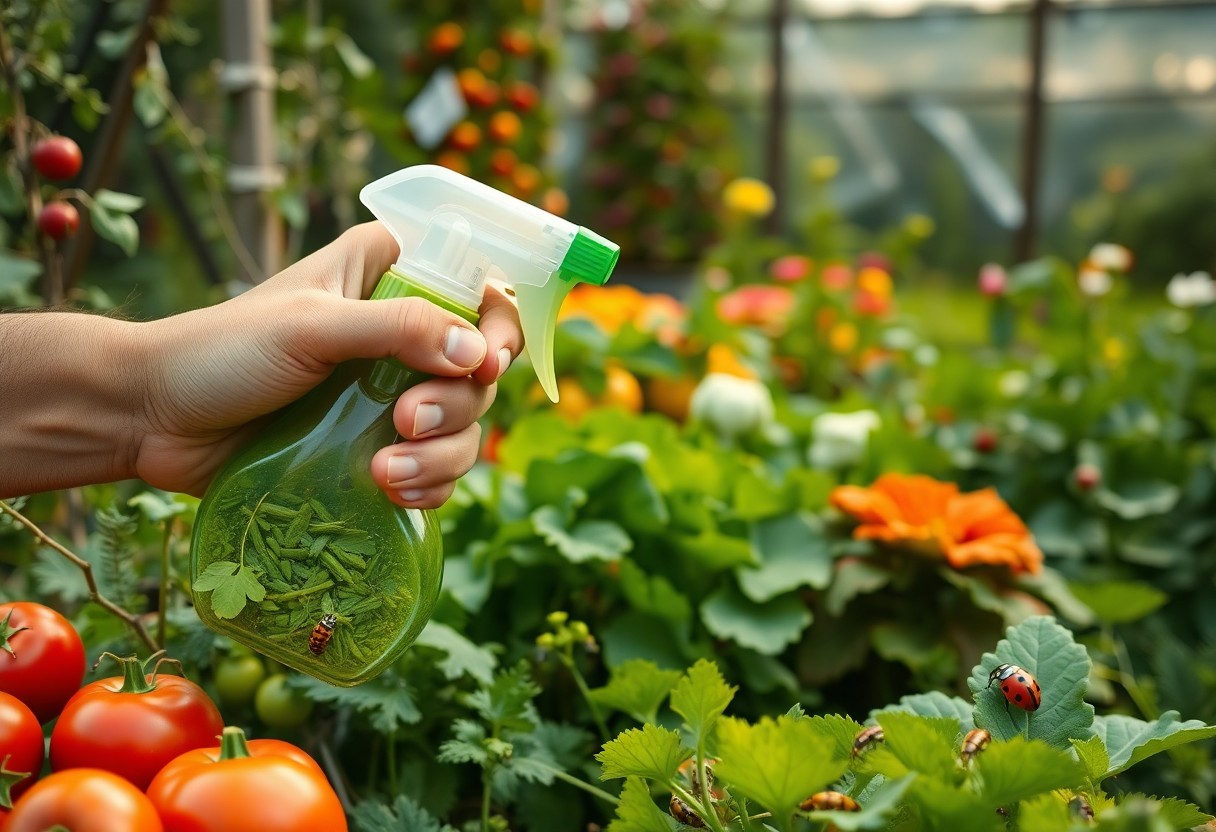
By crafting homemade remedies, you can address pest issues without harmful chemicals in your garden. Simple mixtures made from everyday ingredients, like soap or garlic, can effectively deter pests and keep your plants healthy. These approaches not only safeguard your plants but also maintain a safe environment for your family and pets.
In addition to being eco-friendly, homemade remedies are often cost-effective and readily available in your kitchen. For instance, a solution of water and insecticidal soap can be sprayed directly on pests, smothering them without harming beneficial insects. Garlic sprays repel many pests due to their strong odor, while a mix of baking soda and water can combat fungal issues. Using these effective homemade remedies not only controls pests but also empowers you to garden sustainably and responsibly.
Barrier Methods
Not all pests need chemical treatments; sometimes, the simplest solutions are the most effective. Barrier methods can protect your garden by creating physical barriers that prevent pests from reaching your plants. Using these methods not only minimizes damage but also supports a sustainable gardening practice. Implementing barriers like nets, row covers, and garden fabric can help keep your precious plants safe from unwanted invaders.
Physical Barriers
The implementation of physical barriers, such as mesh and floating row covers, can effectively shield your plants from harmful insects and birds. These lightweight substances allow sunlight and moisture to penetrate while deterring pests. By strategically placing these barriers around your beds, you create a safer environment for your plants to thrive throughout the growing season.
Traps and Deterrents
The use of traps and deterrents can be a proactive way to manage pest populations in your garden. By placing traps baited with lures, you can effectively capture unwanted pests before they cause significant harm to your plants. Additionally, employing natural deterrents, such as companion planting or scents that pests dislike, can help keep your garden thriving without unnecessary chemicals.
Also, consider integrating homemade traps, such as beer traps for slugs and snails or sticky traps for flying insects. While traps can significantly reduce pest numbers, combining them with natural deterrents like basil, marigolds, or even garlic sprays can create a hostile environment for pests while promoting a healthy ecosystem in your garden. By employing both strategies, you enhance your garden’s defenses, ensuring that your plants remain vibrant and productive.
Monitoring and Maintaining a Pest-Free Garden
After establishing your organic garden, the key to keeping it healthy and vibrant lies in diligent monitoring and maintenance. Regular checks for pests and signs of plant distress can help you intervene early, reducing damage and keeping your plants flourishing. By integrating both preventive measures and direct action against pests, you can create a harmonious environment that supports robust plant growth.
Regular Inspections
By conducting regular inspections of your garden, you empower yourself to spot issues before they escalate. Check for visible pests, signs of infestation, and any unusual changes in your plants. Trust your instincts and address problems swiftly to maintain a thriving ecosystem.
Seasonal Strategies
Behind every successful organic garden lies a plan that adapts with the seasons. Timing your plantings and utilizing specific pest control methods can limit pest populations throughout the year, ensuring that your garden remains resilient.
Garden health improves when you implement seasonal strategies tailored to the needs of both your plants and prevailing pest activity. For instance, using companion planting can deter specific pests, while deploying natural predators during peak activity seasons can bolster your defenses. As seasons change, so should your tactics; rotate crops, introduce protective barriers, and time your sowing to promote a balanced ecosystem. Staying proactive with your seasonal plan keeps your garden flourishing and pest-free.
Troubleshooting Common Issues
Despite your best efforts, you may encounter various challenges in your organic garden. Identifying and addressing these issues promptly can save your plants and promote a thriving ecosystem. Assess your garden regularly to catch problems early and adapt your pest control strategies to suit your unique environment.
Identifying Persistent Problems
Above all, pivotal in maintaining a healthy garden is recognizing when problems become persistent. Look for ongoing pest patterns or recurring plant damage despite your interventions. Keeping detailed notes can help you pinpoint the specific pests or diseases affecting your plants, guiding you in making effective adjustments to your pest control methods.
Managing Multiple Pests
Any time multiple pests invade your garden, it can feel overwhelming. You should approach each pest with a targeted strategy while also considering their interactions. Understanding the life cycles and habits of your pests can help you to create a comprehensive management plan.
To effectively tackle multiple pests, you need to implement an integrated pest management (IPM) approach. Prioritize identifying the most harmful pests and apply control methods specific to each. Consider introducing beneficial insects to help manage populations naturally, and rotate your pest control techniques to avoid resistance. Staying vigilant and adapting your strategy based on ongoing observations will lead to a healthier garden ecosystem.
Summing up
With this in mind, utilizing ‘The Organic Gardener’s Pest Control Cheat Sheet’ will empower you to effectively manage pests in your garden while prioritizing environmental health. By integrating organic methods and understanding pest behavior, you can create a thriving garden ecosystem. This knowledge not only helps protect your plants but also fosters a deeper connection with nature, enhancing your gardening experience. Embrace these strategies, and watch your garden flourish sustainably.