
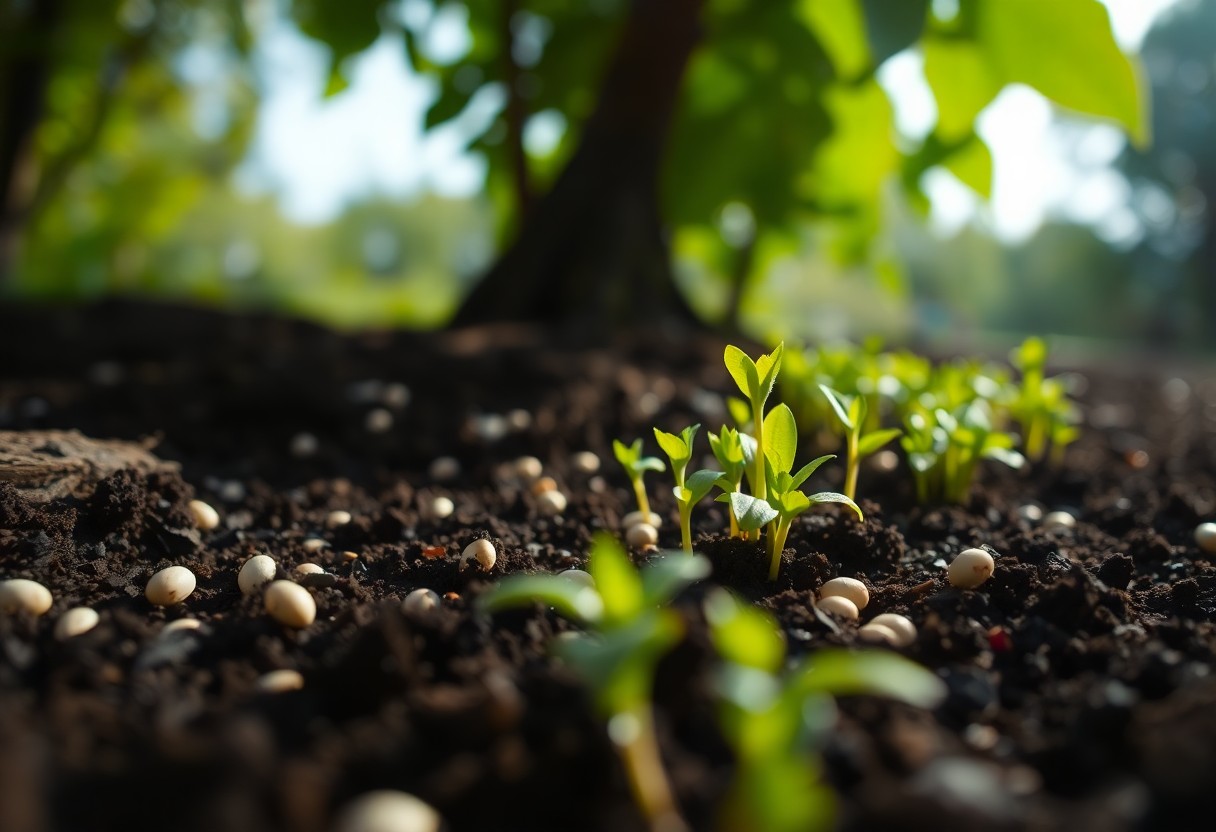
Over time, understanding the importance of healthy soil, quality seeds, and sustainable practices can transform your gardening experience. By prioritizing these elements, you can maximize not only the health of your garden but also the flavor and nutrition of your harvest. In this blog post, you’ll explore crucial techniques and insights that can guide you towards successful organic gardening, ensuring your efforts lead to a bountiful and resilient ecosystem. Get ready to dig deep into the world of organic farming!
The Importance of Healthy Soil
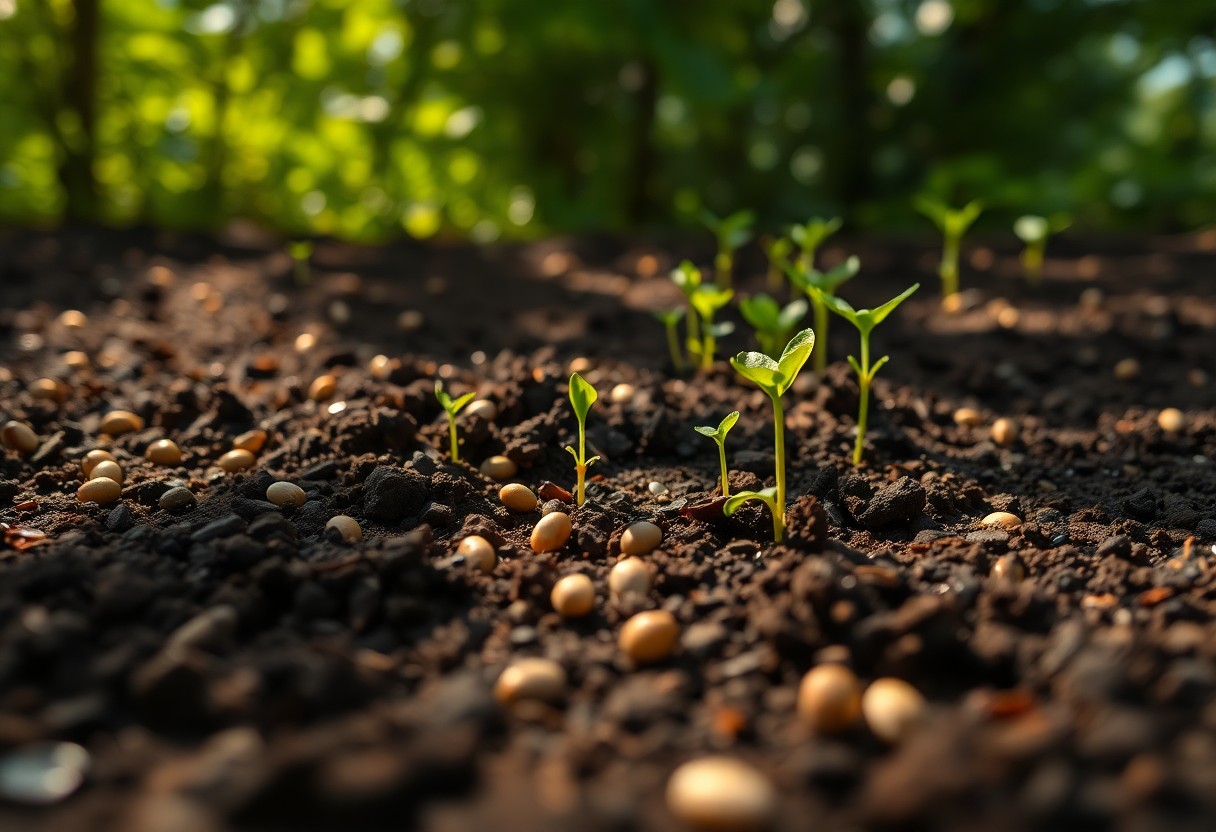
The foundation of organic farming lies in healthy soil, which directly impacts the quality of your crops and their resilience to pests and diseases. When soil is rich in nutrients and teeming with life, it provides a thriving environment for plants to grow, leading to productive harvests. Investing time and resources in soil health enhances everything from flavor to yield, ensuring that your organic farming practices are truly sustainable and fruitful.
Understanding Soil Composition
At the heart of soil health is its composition, which consists of minerals, organic matter, water, and air. Each component plays a vital role in creating a balanced ecosystem in the soil. You must understand how soil particles, such as sand, silt, and clay, contribute to your soil’s texture and water retention, impacting plant growth. By analyzing the specific makeup of your soil, you can tailor your organic farming practices to maximize productivity.
Soil Health and Nutrient Cycling
Nutrient cycling within healthy soil is vital for sustaining plant growth. When soil maintains a vibrant ecosystem, it facilitates the transfer of nutrients through various processes, ensuring that your plants receive the vital elements they need to thrive. This cycle is a vital aspect of organic farming, as it reduces reliance on synthetic fertilizers and promotes natural replenishment of nutrients.
Plus, by fostering a healthy soil ecosystem, you enable efficient nutrient cycling that benefits not only your crops but also the surrounding environment. A balanced soil community enhances microbial activity, which breaks down organic matter and releases nutrients back into the soil. This process elevates the availability of primary nutrients like nitrogen, phosphorus, and potassium, empowering your plants to grow robustly. Furthermore, a well-maintained soil ecosystem can improve water retention and reduce erosion, creating an overall sustainable environment for your organic farming success.
Selecting the Right Seeds
Some gardeners may underestimate the importance of selecting the right seeds for their organic garden. The health of your plants and the yield you can expect largely depend on the variety you choose. Whether you’re looking for disease resistance, flavor, or growing conditions, understanding the different types of seeds available empowers you to make informed decisions that align with your gardening goals.
Heirloom vs. Hybrid Seeds
To choose between heirloom and hybrid seeds, consider what you value most in your garden. Heirloom seeds are open-pollinated, retaining flavor and historical significance, while hybrids often promise enhanced traits like pest resistance and uniformity. Your choice will influence not just your garden’s outcome, but also its connection to heritage, sustainability, and biodiversity.
Seed Sourcing and Sustainability
On your journey to building a sustainable garden, the source of your seeds can make a significant impact. By selecting seeds from reputable, organic suppliers, you ensure that you are supporting local ecosystems and diversity within your gardening practice. Look for companies that prioritize sustainable farming practices, which contribute to a holistic approach to agriculture that benefits both the environment and your garden.
A wise decision in seed sourcing can lead to a vibrant, productive garden. Choosing seeds from ethical sources not only promotes biodiversity but also enhances the resilience of your plants. Seeds that are grown through sustainable methods tend to be more robust, reducing your dependency on chemical fertilizers and pesticides. Engaging in seed-saving practices can also provide you with a continuous supply of local varieties, ensuring that you have the best possible options for your specific growing conditions.
Soil Preparation Techniques
Clearly, effective soil preparation is imperative for creating a thriving organic garden. You must focus on understanding your soil’s unique composition and structure to support plant growth. By utilizing proper techniques, such as tilling, aeration, and the incorporation of organic materials, you can enhance soil health and ensure optimal conditions for your seeds to flourish.
Testing Soil Quality
Along with the physical preparation of your soil, it is vital to regularly test its quality. Soil tests can reveal valuable information about pH levels, nutrient content, and overall fertility. By conducting these tests, you can identify any deficiencies or imbalances, allowing you to tailor your amendments for better plant performance.
Organic Amendments and Fertilizers
About integrating organic amendments and fertilizers into your soil preparation routine enhances its fertility and promotes sustainable gardening practices. These amendments, such as compost, worm castings, and cover crops, provide imperative nutrients and improve soil structure. You should carefully select high-quality organic materials, as they not only boost plant growth but also contribute to a healthy ecosystem in your garden.
This choice of organic amendments is not only beneficial but also safe for your plants, soil, and the environment. Utilizing natural options like compost and bone meal can significantly improve soil health while ensuring that harmful chemicals do not leach into your garden. Be aware that fertilizers with synthetic additives can lead to soil toxicity and water pollution, so stick with the organic approach to foster lasting success in your gardening endeavors.
Planting Strategies for Success
Once again, your success in organic gardening hinges on effective planting strategies. By implementing thoughtful methods, you can maximize your yield, promote healthy growth, and foster a sustainable ecosystem in your garden. From understanding the best timing to utilizing space efficiently, these strategies equip you with the tools you need to cultivate flourishing plants and bountiful harvests.
Timing and Spacing
Against the common rush to plant as soon as the frost fades, timing plays a significant role in your garden’s productivity. It’s important to plant seeds at the right moment to match their growth cycle and adapt to seasonal changes. Additionally, adequate spacing between seedlings promotes airflow and reduces competition for nutrients, allowing each plant to thrive. By observing local climate patterns and adjusting your planting schedule, you’ll set your garden up for exceptional success.
Companion Planting
Below the surface of your garden, companion planting is a powerful strategy that enhances both plant health and productivity. By interplanting compatible species, you can deter pests, improve nutrient uptake, and encourage pollination, leading to better yields.
Plus, the advantages of companion planting extend beyond pest control. Pairing plants like tomatoes with basil or carrots with onions can promote mutual growth, as certain plants can naturally enhance the flavors and health of their companions. In addition, employing plants that repel pests can protect your main crops without requiring harmful pesticides. For instance, marigolds are known for their ability to ward off nematodes, while nasturtiums can attract aphids away from your more vulnerable plants. By embracing these partnerships, you’ll create a more robust and thriving garden ecosystem.
Pest Management in Organic Farming
Unlike conventional farming, where chemical pesticides are the norm, organic farming relies on a variety of natural methods for pest management. This holistic approach promotes biodiversity and emphasizes sustainable practices, allowing you to grow healthy crops without harming the ecosystem. By understanding the intricacies of pest behavior and embracing natural solutions, you can effectively safeguard your harvest while maintaining a thriving environment.
Natural Predators and Companion Plants
Before implementing pest control measures, consider the role of natural predators and companion plants. These allies in your garden can help keep pest populations in check. By attracting beneficial insects such as ladybugs and lacewings, you can create a balanced ecosystem that minimizes the need for interventions. Additionally, planting certain herbs and flowers alongside your crops can deter pests and enhance overall plant health.
Organic Pest Control Methods
An effective organic pest control strategy involves utilizing a range of methods tailored to your specific needs. This includes techniques like crop rotation, habitat diversification, and the use of barriers or traps. Essential oils and biological pesticides can also play a role in repelling or eliminating pests without harming beneficial organisms, ensuring that your farm remains a sustainable and productive environment.
With a focus on organic pest control methods, you can achieve a balance in your farming practices. Using biopesticides, derived from naturally occurring substances, allows you to safely target pests while preserving the integrity of your soil and plants. Implementing preventative measures, such as monitoring for early signs of infestations and keeping your garden well-maintained, will further enhance your success. By fostering a diverse ecosystem and utilizing creative solutions, you can manage pests effectively while also promoting a healthier environment for your crops.
Maintaining Organic Practices
For sustainable farming, maintaining organic practices requires a commitment to methods that nurture your soil and crops. You must focus on practices that improve soil health, conserve water, and promote biodiversity. Regular assessments and adjustments to your techniques will ensure that you meet organic standards while enhancing the overall productivity of your farm.
Crop Rotation and Diversity
Diversity in your crop choices is key to maintaining a healthy ecosystem. By implementing crop rotation, you minimize pest populations and soil nutrient depletion. Alternate planting different crops in your fields to diversify both the ecosystem and the potential harvest, creating a resilient farming strategy that enhances both the soil and your yields.
Avoiding Contamination
Against contamination, practicing organic farming means being vigilant about potential sources of non-organic inputs. Assure that tools, equipment, and seeds remain free from chemical residues, as any traces can jeopardize your organic status.
And maintaining strict protocols to avoid contamination is crucial for your success. Regularly inspect your fields and surrounding areas for any signs of chemical runoff or pesticide usage from neighboring farms. Use organic-certified seeds and inputs, and ensure that your tools and machinery are thoroughly cleaned to prevent cross-contamination. By taking these steps, you protect your crops and maintain the integrity of your farming practices, fostering a healthier ecosystem and ensuring that your produce remains authentically organic.
Final Words
Following this exploration of ‘Organic from the Ground Up – Soil, Seeds, and Success’, you should have a solid foundation for cultivating your own organic garden. By understanding the importance of quality soil, selecting the right seeds, and implementing sustainable practices, you are well on your way to achieving a thriving and productive garden. Your commitment to organic gardening not only enhances your own health but also contributes positively to the environment. Embrace these principles, and your success will follow as you nurture your skills and your green space.