
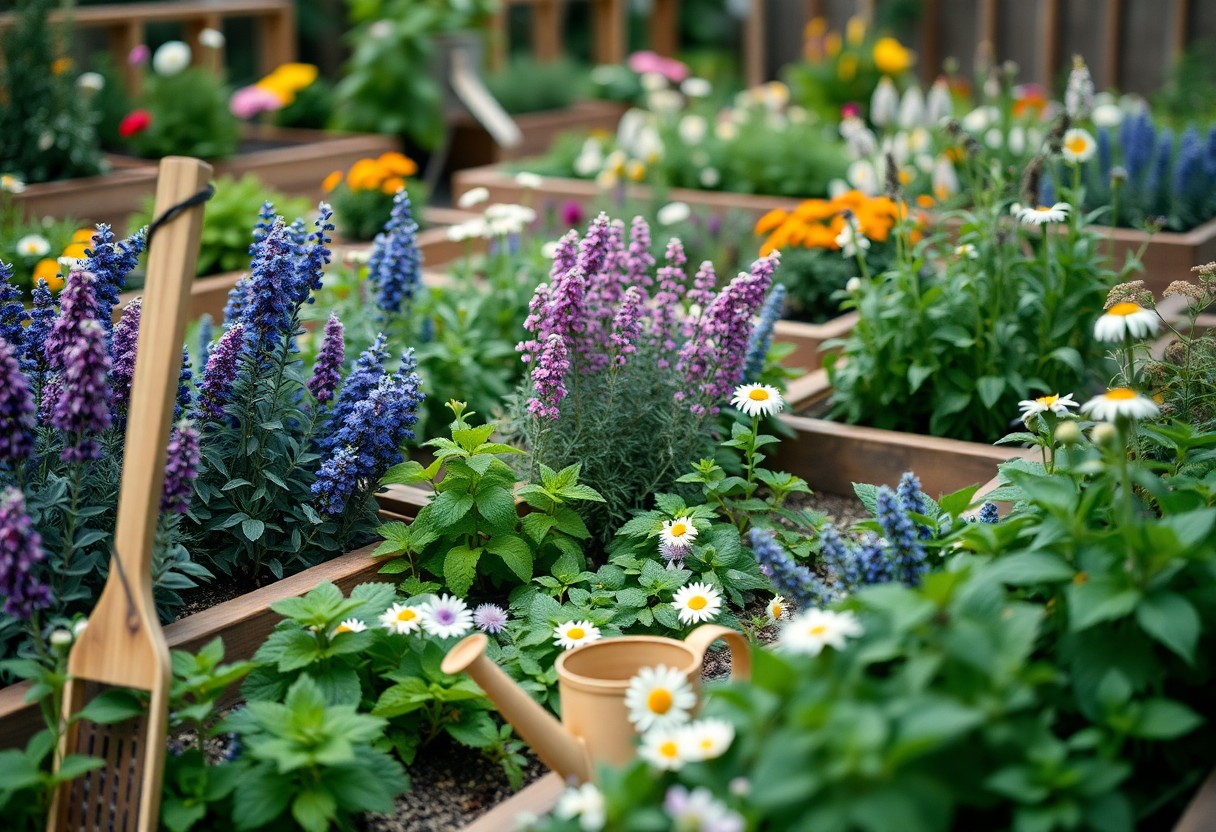
Many people are turning to medicinal herb gardening as a way to enhance their natural wellness. By cultivating your own herbs, you gain access to powerful plants that can support your health and well-being. From soothing chamomile to invigorating peppermint, each herb offers unique benefits and can be a safe alternative to pharmaceuticals when used correctly. However, it’s important to be aware of potential dangers associated with improper use or interaction with medications. Discover how you can cultivate your garden of healing herbs for a healthier you.
Understanding Medicinal Herbs
While the practice of using medicinal herbs has surged in popularity recently, these plants have been an necessary part of human wellness for centuries. They offer a natural approach to healing and can often be found growing in your own garden. By understanding how to utilize these herbs effectively, you can tap into the boundless potential of nature to enhance your health and well-being.
Historical Uses and Cultural Significance
Along with their medicinal benefits, herbs have played a vital role in various cultures throughout history, often intertwined with traditional healing practices and rituals. From ancient Chinese medicine to indigenous herbal remedies, you can explore a rich tapestry of knowledge that shows how different societies have relied on these plants for both physical and spiritual healing.
Overview of Common Medicinal Herbs
To begin your journey into medicinal herb gardening, familiarize yourself with common herbs such as chamomile, peppermint, and echinacea. These herbs are not only easy to grow, but they can also provide a variety of health benefits, from easing digestive issues to boosting your immune system.
Another necessary herb to consider is lavender, known for its calming properties and ability to reduce anxiety. You may also want to explore ginger, which is famed for its anti-inflammatory effects and can aid digestion. Herbs like thyme and rosemary not only enhance your meals but also boast antimicrobial qualities. Each of these herbs brings its own unique benefits, making your medicinal garden a potential powerhouse for enhancing your health and well-being.
Benefits of Growing Medicinal Herbs
You can unlock a wealth of health benefits by cultivating your own medicinal herbs. From reducing your reliance on pharmaceutical drugs to enhancing your overall wellness, growing these plants offers an opportunity to connect with nature while providing natural remedies for various ailments. Additionally, gardening can foster a sense of accomplishment and self-sufficiency, making it a fulfilling endeavor for both beginners and seasoned horticulturists.
Physical Health Benefits
Health benefits abound when you grow your own medicinal herbs. These plants can help you manage conditions such as digestive issues, inflammation, and even mild infections. Herbs like ginger and turmeric are known for their anti-inflammatory properties, making them excellent additions to your wellness routine, potentially leading to fewer doctor visits and improved vitality.
Mental and Emotional Wellness
Behind the physical benefits, nurturing medicinal herbs can significantly enhance your mental and emotional well-being. Engaging in gardening allows you to cultivate mindfulness, lowering stress and anxiety while promoting a sense of peace. The mere act of tending to your plants can serve as a therapeutic escape from the challenges of daily life.
Benefits extend beyond just the act of gardening; being surrounded by greenery can trigger positive emotional responses, increasing feelings of happiness and fulfillment. Additionally, certain herbs like lavender and chamomile are known for their aromatic properties that can soothe your mind and promote relaxation. By incorporating these plants into your garden, you can harness their power to create a calming oasis, offering you a nurturing retreat that supports your overall well-being.
Selecting the Right Location for Your Garden
The location of your medicinal herb garden is important for optimal growth and health. You should look for a spot that receives adequate sunlight, preferably at least six hours a day, and has well-draining soil. Proximity to your home can also be beneficial, making it easier for you to maintain and harvest your herbs regularly.
Sunlight and Soil Requirements
One of the most important aspects of your garden’s location is ensuring it gets enough sunlight. Most medicinal herbs thrive in full sun, needing at least six to eight hours of direct sunlight daily. Additionally, well-draining soil is vital; herbs like sage and rosemary prefer sandy or loamy soil, while others like mint may tolerate more moisture. You can easily improve your soil’s quality with organic compost, promoting better growth and nutrient uptake.
Climate Considerations
Sunlight and moisture levels are greatly influenced by your climate, which plays a significant role in selecting your garden’s location. Your chosen site must accommodate the specific needs of the herbs you plan to grow, considering factors like temperature fluctuations and seasonal changes. It’s important to choose hardy herbs that can withstand your area’s unique climate conditions, particularly extreme heat or frost. In areas with unpredictable weather, you may need to consider using containers or greenhouses for more delicate species, enabling you to control environmental factors.
Selecting the right location for your medicinal herb garden involves evaluating local climate patterns and adjusting your choices accordingly. For instance, if you’re in a region with hot summers, you might want to provide some afternoon shade for your herbs. Conversely, if you experience colder winters, opt for hardy herbs that can survive frost or consider planting in raised beds to improve drainage and soil warmth. Knowing your climate will guide you in creating a thriving herbal oasis that contributes to your natural wellness.
Cultivating Medicinal Herbs
Now that you are ready to begin on your herbal gardening journey, cultivating medicinal herbs requires understanding their specific needs for soil, light, and space. Selecting the right varieties suited for your climate and conditions can greatly enhance your success. Start by preparing your garden bed, ensuring it is well-drained and enriched with organic matter to promote healthy growth. Create a harmonious environment by grouping herbs that thrive together, allowing them to flourish and provide you with nature’s medicine.
Planting Techniques and Schedules
About planting techniques, starting your medicinal herbs can be as simple as seeding directly into the soil or using seed trays for an early start indoors. Timing is necessary; sow seeds in spring after the last frost or in fall for hardy varieties. Make sure to follow specific guidelines for each herb, as some prefer cooler temperatures while others thrive in warmer conditions. This knowledge will lead to robust growth and a bountiful harvest.
Care and Maintenance
An necessary aspect of successful herb gardening is the consistent care and maintenance you provide. Water your plants regularly, ensuring they receive moisture without becoming waterlogged. Pair this with mulching to conserve soil moisture and prevent weeds from competing with your herbs. Additionally, pay attention to pests and diseases, addressing issues promptly to keep your plants healthy. Depending on the herb’s needs, you may need to prune or deadhead to encourage new growth.
And while you nurture your medicinal herbs, be aware of the signs of stress or nutrient deficiencies. Monitor your plants regularly for yellowing leaves or stunted growth, which may indicate the need for fertilization or adjustments in watering. Fostering a healthy environment can help protect your herbs from pests, reducing the need for chemical treatments. Embrace natural solutions, like companion planting or using homemade remedies, to maintain balance in your garden. With your attention to care and maintenance, your medicinal herbs will thrive and reward you with their healing properties.
Harvesting and Preserving Herbs
For optimal flavor and potency, it’s crucial to know when to harvest your medicinal herbs. Aim for early morning, after the dew has dried but before the sun’s intensity increases, as this is when the crucial oils are at their peak, bringing out the best in your plants. Look for vibrant leaves and attractive flowers, as these indicate that your herbs are ready to be picked for maximum beneficial qualities.
Optimal Harvesting Times
Behind the scenes, the ideal time to harvest varies for each herb. For leafy plants like basil and mint, choose to harvest just before they flower, as this period ensures the highest concentration of flavors and medicinal properties. In contrast, many woody herbs like rosemary and thyme can be harvested throughout their growing season, but it’s best to do so in the morning for the freshest yield.
Drying and Storing Techniques
Below are effective methods to dry and store your herbs to retain their medicinal benefits for longer periods. After harvesting, immediately rinse and pat your herbs dry. You can hang them in bundles, place them on drying racks, or use a dehydrator, ensuring that they are in a cool, dark place. Once fully dried, store them in airtight glass containers away from light and moisture to preserve their potency.
Plus, taking the time to properly dry and store your herbs can make a significant difference in their longevity and effectiveness. Always ensure you’re handling your herbs gently to avoid bruising, which can lead to mold. Opt for glass jars over plastic to prevent any chemical leaching. Mark each jar with the herb name and date of drying to keep track. By following these techniques, you can ensure that your harvested herbs maintain their medicinal properties and flavor significantly longer, enhancing your natural wellness journey.
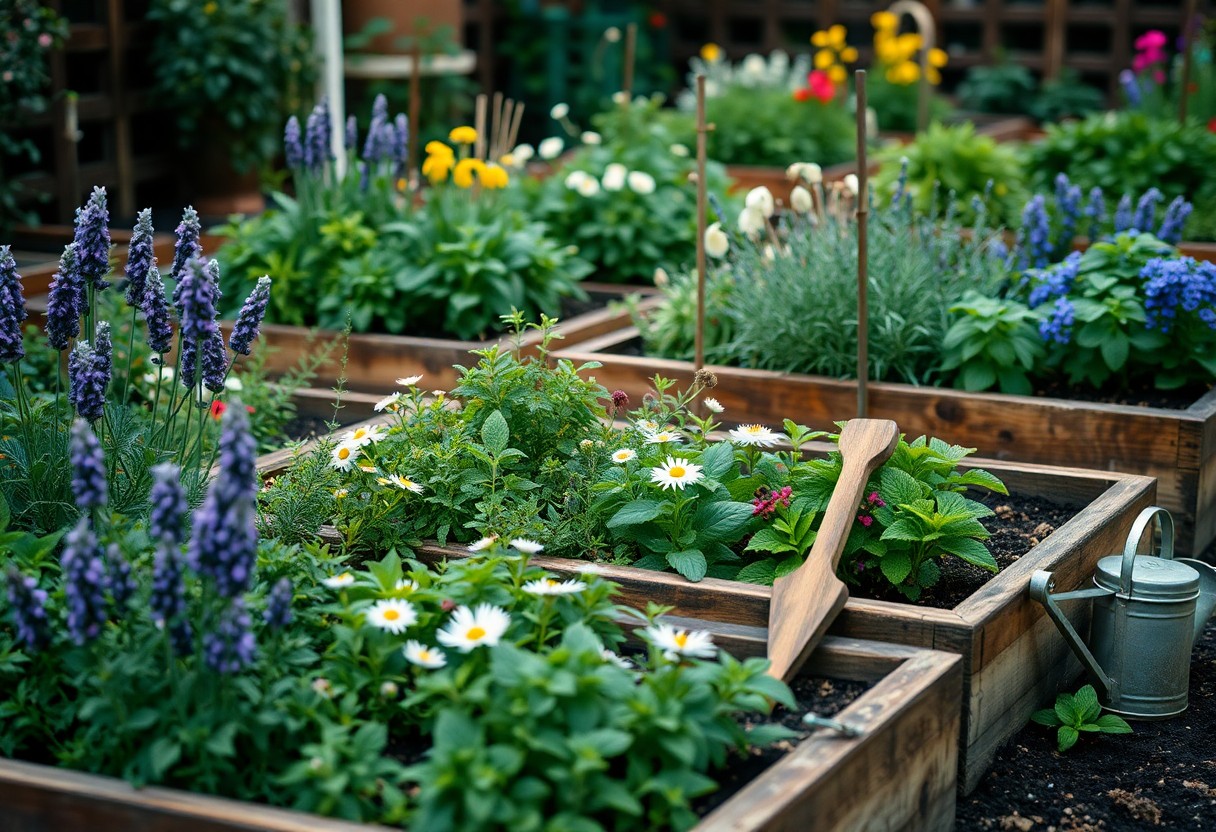
Using Medicinal Herbs
Keep in mind that the benefits of medicinal herbs extend beyond simple flavor enhancement; they are powerful tools for improving your overall health. By incorporating herbs like chamomile for relaxation or ginger for digestion into your wellness routine, you can harness their potential to support physical and mental well-being effectively. Always consult with a healthcare professional before starting any herbal regimen to ensure safety and appropriateness for your individual needs.
Preparation of Herbal Remedies
On your journey to wellness, preparing herbal remedies requires a good understanding of proper techniques. You can create teas, tinctures, or infused oils to extract the beneficial properties of your herbs effectively. Each method varies, but the goal is to maximize the potency while ensuring safety. Always research the specific preparation for each herb to optimize its uses and effects.
Incorporating Herbs into Daily Life
Behind every successful herbal practice is a commitment to integrating these natural wonders into your daily routine. You can start by adding fresh herbs to your meals, creating herbal teas, or using them in your self-care practices like baths and skincare. This consistent use can enhance your well-being over time, allowing you to reap the benefits of these time-honored remedies.
Further, integrating herbs into your life can be both a rewarding and enjoyable experience. Simple additions, such as sprinkling fresh basil onto your dishes or brewing a cup of peppermint tea, can have surprisingly positive effects on your health. Be aware that while herbs are generally safe, some can interact with medications or exacerbate certain conditions. Prioritize education and mindful usage to ensure your journey with medicinal herbs is beneficial and safe. Embracing these practices not only enhances your meals but also supports your body and spirit naturally.
To wrap up
With this in mind, engaging in medicinal herb gardening can significantly enhance your journey toward natural wellness. By cultivating your own herbs, you gain access to potent remedies that promote health and well-being. As you nurture your garden, you also foster a deeper connection with nature, empowering yourself to manage ailments with natural solutions. Embrace this rewarding practice, and let your passion for gardening transform your approach to health, offering you both benefits for your body and tranquility for your mind.