
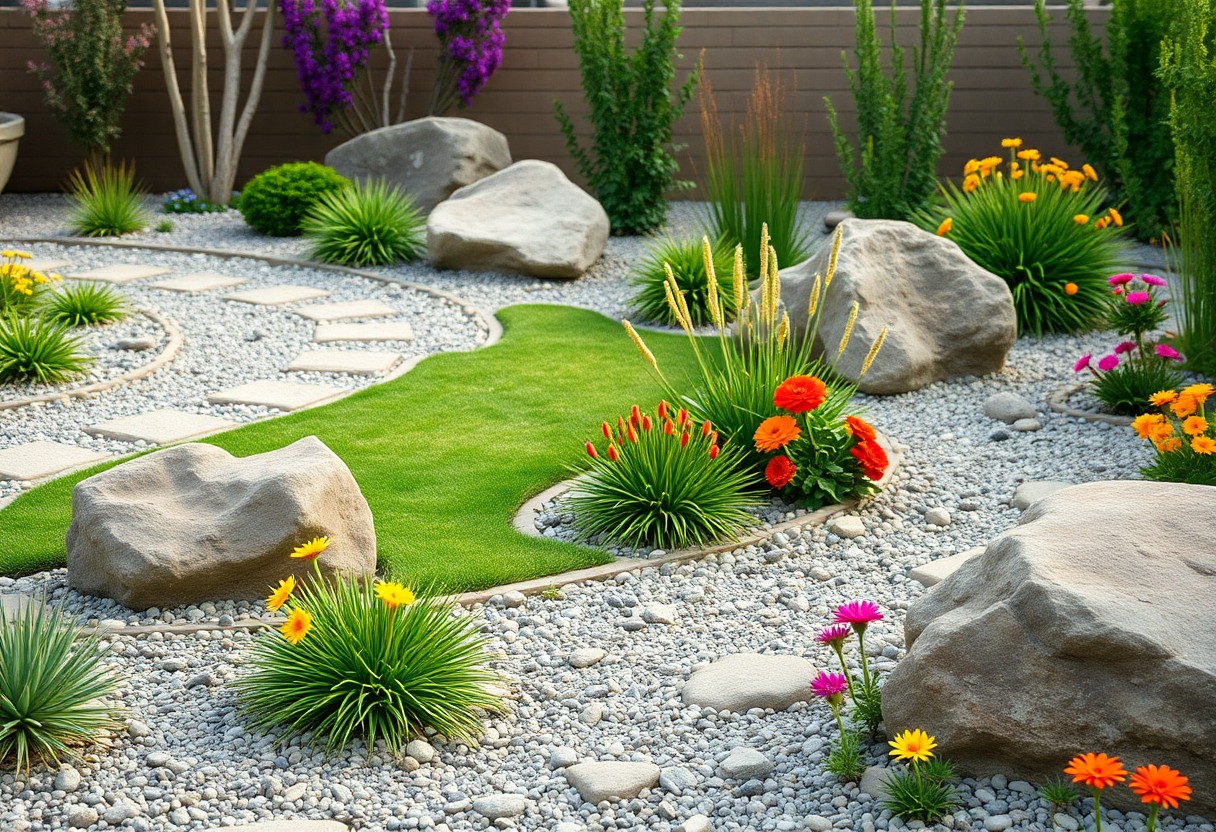
Maintenance can often feel overwhelming when it comes to gardening, but you can create a stunning space that requires minimal effort. By choosing drought-resistant plants, incorporating hardscaping elements, and implementing efficient irrigation systems, you can enjoy a beautiful garden without the constant upkeep. This guide will walk you through vital steps to design your own low-maintenance garden layout, ensuring you spend less time working and more time enjoying your outdoor sanctuary. Let’s transform your garden into a low-maintenance retreat!
Understanding Low-Maintenance Gardening
Your garden can be a haven of beauty with minimal effort through low-maintenance gardening. This approach focuses on creating your outdoor space with plants and materials that require less upkeep, allowing you to enjoy your garden without constant attention. By selecting the right elements and planning wisely, you can cultivate a flourishing garden that complements your lifestyle.
Characteristics of Low-Maintenance Gardens
While many gardens demand attention and care, low-maintenance gardens prioritize resilience and sustainability. You will find that they often incorporate drought-tolerant plants, mulching for moisture retention, and hardscaping features that significantly reduce the need for mowing, pruning, and watering.
Benefits of a Low-Maintenance Layout
An effective low-maintenance layout offers numerous advantages, particularly for those with busy lifestyles. It allows you to enjoy a beautiful outdoor space without sacrificing your precious time.
It offers you a chance to reduce the effort needed to maintain your garden. With lower water requirements, minimal pesticide use, and less frequent pruning, you will spend fewer hours tending to your space. This not only saves money on gardening supplies but also contributes positively to the environment by minimizing your ecological footprint. Ultimately, a low-maintenance garden layout provides you with more time to relax and appreciate your tranquil outdoor retreat.
Key Factors to Consider
Assuming you want a garden that requires minimal upkeep, focus on these key factors:
- Climate suitability
- Plant selection
- Soil quality
- Water availability
- Sunlight exposure
Perceiving these elements will help you design a low-maintenance garden that thrives with little effort.
Climate and Environmental Conditions
Climate plays a significant role in determining what types of plants will succeed in your garden. Understanding the hardiness zone of your area ensures you select plants that can withstand local weather conditions, making them less susceptible to disease and reducing maintenance needs. You should consider factors such as average rainfall, temperature extremes, and seasonal changes that could affect plant growth.
Plant Selection and Arrangement
While planning your garden layout, choosing the right plants and how you arrange them can significantly lower your maintenance tasks. You should opt for drought-resistant, native plants that require minimal watering and care. Grouping plants with similar needs will help manage irrigation efficiently. Additionally, using perennials offers an advantage, as they come back year after year, reducing the need for replanting. Arrange taller plants at the back and shorter ones at the front for visual appeal while maintaining easy access. The right combination of plant types not only enhances aesthetics but also contributes to effective weed suppression.
Designing Your Garden Layout
While planning your garden layout, consider the natural flow of the space and how you want to interact with it. A well-thought-out design can significantly reduce maintenance and enhance the enjoyment of your outdoor area. Identify key features such as sun and shade patterns, and use them to guide your plant choices and arrangement for an efficient and aesthetically pleasing garden.
Creating Functional Zones
For maximum enjoyment and ease of maintenance, divide your garden into functional zones. This means designating specific areas for activities such as lounging, cooking, or gardening. By establishing distinct spaces, you can optimize accessibility and ensure each zone serves its purpose effectively, making your garden more enjoyable and practical.
Incorporating Hardscape Elements
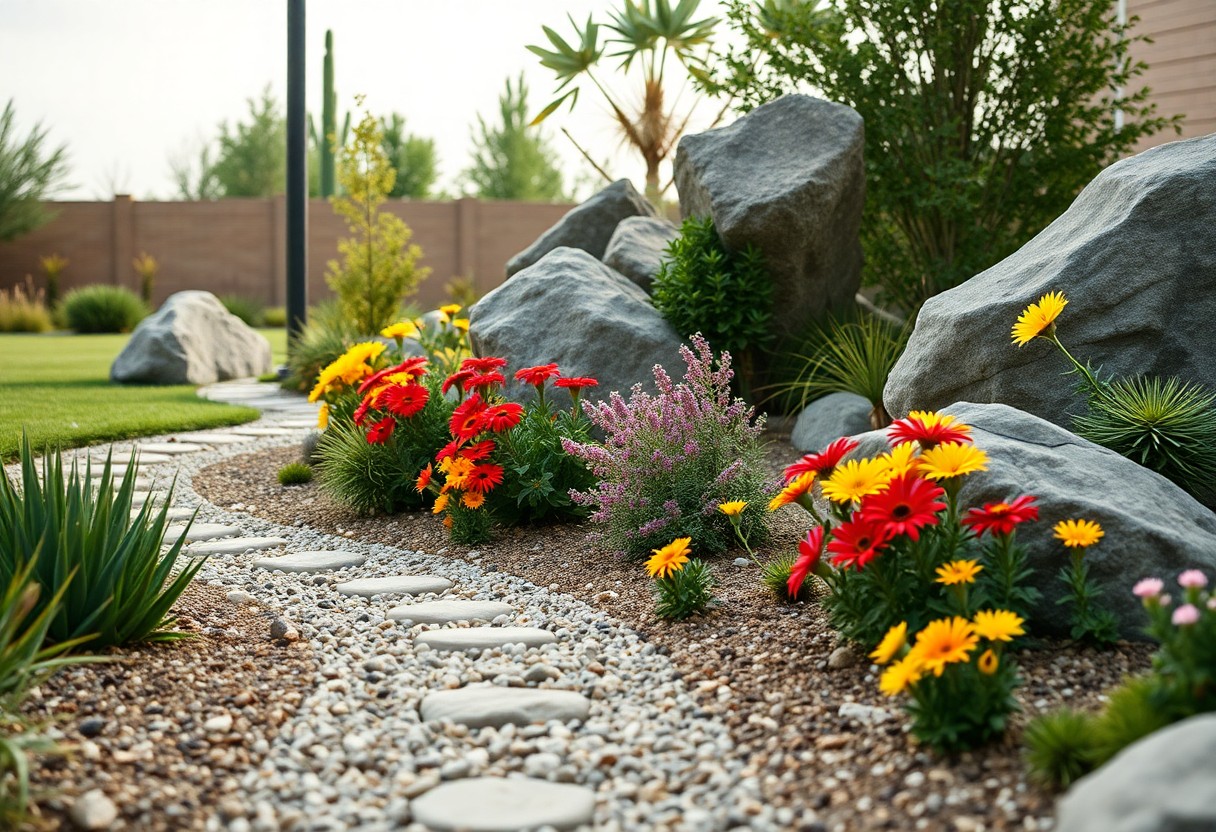
Creating a low-maintenance garden becomes easier by incorporating hardscape elements. Utilize materials such as stone pathways, patios, and raised beds to minimize the area you need to manage. These elements not only add visual interest but also aid in defining your garden’s layout while reducing the need for constant upkeep.
Garden hardscape features, such as patios, pathways, and retaining walls, play an important role in enhancing your outdoor space. They provide structure and facilitate better drainage, reducing water pooling and related issues. Furthermore, these elements can create a clean, defined look that complements the surrounding plants without the need for complex maintenance. By investing in durable materials, you’ll find that these lasting additions can significantly lower your maintenance efforts while boosting your garden’s overall appeal.
Maintenance Tips for Longevity
Now that you have designed your low-maintenance garden, focus on simple maintenance tips that enhance its longevity.
- Regularly check for weeds and remove them promptly.
- Mulch around plants to retain moisture and reduce weeds.
- Use organic fertilizers sparingly to maintain nutrient levels.
- Inspect your garden for pests and diseases early.
- Limit pruning to necessary tasks to encourage natural growth.
This ensures your garden remains healthy and easy to manage.
Efficient Watering Techniques
Even with a low-maintenance garden, employing efficient watering techniques can save time and resources. Consider using drip irrigation systems that target specific plants, ensuring optimal watering without excess runoff. You might also install a rainwater collection system to utilize natural resources and reduce your water bill.
Seasonal Care and Upkeep
Clearly, seasonal care is vital for keeping your low-maintenance garden in tip-top shape. Adequate seasonal adjustments can make a significant difference in how your garden thrives throughout the year.
The best approach to seasonal care involves observing the changes in your garden. In spring, focus on cleaning up any debris, which can harbor pests. During summer, ensure adequate watering, but avoid over-watering, which can lead to root rot. As fall approaches, consider golden opportunities such as planting perennials that yield blooms in the spring. Finally, in winter, protect sensitive plants with mulch or frost cloth. A proactive approach helps build a sturdy garden that can withstand diverse conditions while minimizing maintenance tasks.
Utilizing Native Plants
For a truly low-maintenance garden, incorporating native plants is crucial. These plants are well-adapted to your local climate and soil, requiring less water and minimal care. By choosing native flora, you’ll create a self-sustaining ecosystem that attracts beneficial wildlife, such as pollinators, while reducing the need for chemical fertilizers and pesticides.
Advantages of Native Flora
To maximize the benefits of your garden, consider the advantages of native plants. They typically require less irrigation, are more resilient to local pests and diseases, and promote biodiversity by supporting local wildlife, which can enhance the overall health of your garden.
Selecting the Right Species
On your journey to a low-maintenance garden, selecting the right native species is key. Not all native plants are created equal; some may thrive better in specific conditions or support certain wildlife. You’ll want to research local plants that are well-suited to your specific soil type, sunlight, and moisture levels.
It’s wise to consult local gardening resources or extension services for advice on which native plants perform best in your area. When making selections, consider diversifying your plant choices to create visual interest and ensure your garden supports a variety of species. You should also prioritize those that are disease-resistant and drought-tolerant to further reduce maintenance efforts, keeping your garden vibrant without the stress of constant upkeep.
Sustainable Practices
All garden enthusiasts can benefit from incorporating sustainable practices into their designs. By focusing on environmental stewardship, you can create a garden that not only requires less maintenance but also supports local ecosystems. Implementing techniques like rainwater harvesting, native planting, and organic gardening can minimize your ecological footprint while enhancing the vitality of your garden space.
Composting and Soil Health
To enrich your garden, start by creating a compost pile with kitchen scraps and yard waste. This sustainable practice not only reduces landfill waste but also enhances soil health by adding vital nutrients. Applying compost improves soil structure, promotes beneficial microorganisms, and increases water retention, resulting in a flourishing garden that requires minimal fertilizer.
Pest Management Solutions
Health and sustainability in your garden can be achieved through effective pest management solutions. Instead of relying on chemical pesticides, consider natural options like introducing beneficial insects, such as ladybugs and lacewings, which prey on harmful pests. Additionally, implementing physical barriers like row covers and companion planting can deter pests while promoting biodiversity in your garden ecosystem.
Composting not only provides vital nutrients but also attracts a variety of beneficial insects, which are key players in natural pest control. By maintaining a diverse garden environment, you can achieve a balanced ecosystem where pests are managed naturally. Allowing plants that repel pests or attract beneficial insects to thrive will minimize the need for any synthetic chemicals, ensuring a safe and healthy space for both your family and local wildlife.
Summing up
Following this guide will help you create a low-maintenance garden layout that suits your lifestyle and enhances your outdoor space. By choosing native plants, utilizing hardscaping, and planning for efficient irrigation, you can significantly reduce the time and effort needed for upkeep. Prioritize simplicity, and make informed plant selections that minimize care while ensuring visual appeal. With these strategies, you can enjoy a beautiful garden that requires less work, allowing you to spend more time relaxing outdoors.