
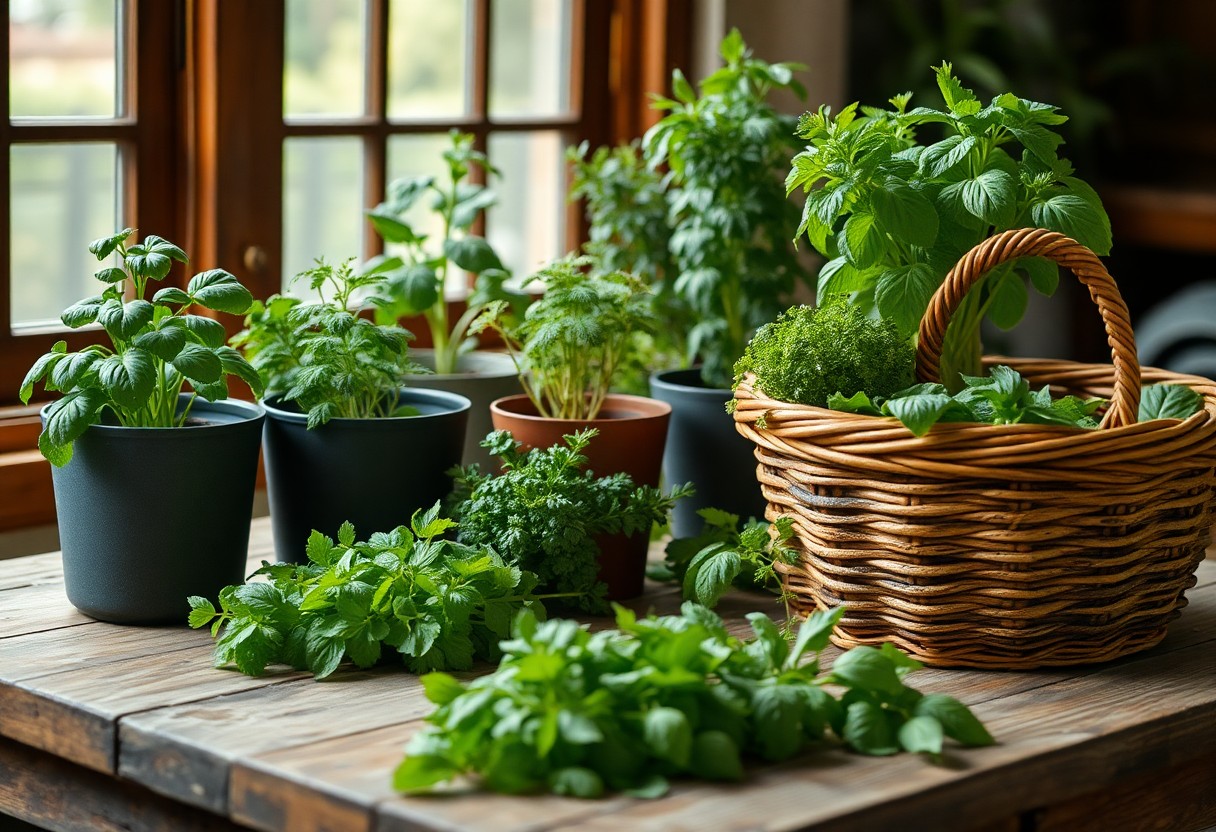
You can transform your culinary experiences by growing fresh herbs right at home. Herbs are not only easy to cultivate, but they also enhance the flavors of your dishes while providing numerous health benefits. In this guide, you will learn how to successfully grow herbs from seed to harvest and discover the joy of using your own homegrown ingredients. With the right tips and techniques, your kitchen can overflow with vibrant herbs that elevate your meals, reduce your grocery bills, and promote sustainability. Let’s investigate into the rewarding world of herb gardening!
Choosing the Right Herbs
A successful herb garden begins with the right selections. Consider your climate, space, and culinary preferences. Some herbs thrive in sunny spots, while others prefer partial shade. Additionally, choosing herbs based on your cooking style and the cuisines you enjoy will enhance your meals. Take time to research and select varieties that will flourish in your environment and complement your dishes.
Popular Culinary Herbs
Culinary herbs are crucial for elevating flavors in your dishes. Some favorites include basil, parsley, cilantro, and rosemary. Each herb brings its unique taste, aroma, and nutritional benefits to your meals, making them valuable additions to any kitchen. Selecting a mix of these herbs allows you to explore diverse flavor profiles, enhancing your culinary creations.
Considerations for Selection
With a myriad of options, selecting the right herbs may seem daunting. Assess factors like your local climate, available space, and specific culinary needs to make informed choices. Think about your cooking habits—do you prefer fresh herbs in salads or hearty stews? This will guide your selections effectively.
But pay attention to each herb’s individual needs; some are invasive, which can harm your garden’s balance, while others may require specific soil conditions or watering schedules. Choose easy-to-grow varieties, especially if you’re a beginner, such as basil or thyme. Additionally, consider herbs that are known for pest resistance or those that thrive together. This informed selection process ensures that you create a flourishing herb garden that contributes positively to your culinary adventures.
Sowing Seeds
You are about to begin on an exciting journey of growing your own herbs from seed to table. Sowing seeds is the foundational step in this process, and it sets the stage for vibrant, flavorful herbs that you can enjoy in your cooking. As you prepare to sow your seeds, familiarize yourself with the best practices that will ensure your herb garden flourishes.
Preparing the Soil
Between choosing the right location and ensuring your soil is nutrient-rich, preparing your soil is crucial for successful seed germination. Aim for a loamy mix that allows for good drainage and moisture retention while providing the necessary nutrients your herbs will need to thrive.
Planting Techniques
For optimal growth, planting techniques significantly impact the success of your herbs. Use methods that cater to the specific needs of the seeds you are growing, such as proper spacing and depth.
Preparing to plant your seeds involves considering the depth at which each type of herb should be sown. Some seeds require a light covering of soil, while others should be planted deeper to protect them from drying out. Spacing is also important; ensure you leave adequate room for air circulation and growth. Additionally, adopting techniques like direct sowing for hardier varieties or starting indoors for tender herbs can enhance germination rates. Following these guidelines will lead to a bountiful harvest.
Growing Conditions
If you want to cultivate a thriving herb garden, it’s important to understand the specific growing conditions that each type of herb requires. These conditions include factors such as light, water, and nutrients, which can greatly influence your herbs’ growth potential and overall flavor profiles. By providing the right environment, you’ll ensure healthy plants that yield flavorful herbs ready for your kitchen.
Light Requirements
With the right light conditions, your herbs can flourish beautifully. Most herbs thrive in full sun, requiring at least 6 to 8 hours of direct light daily to develop robust flavors and strong growth. You can use south-facing windows or consider grow lights if you’re gardening indoors. It’s vital to observe your plants and make adjustments as needed, so they receive ample light for optimal health.
Watering and Nutrient Needs
About keeping your herbs healthy, understanding their watering and nutrient requirements is key to growth. Each herb varies in how much moisture it needs, but generally, you should aim to keep the soil consistently moist without making it soggy. Overwatering can lead to root rot, while underwatering may cause wilting and stunted growth. Regularly check your soil’s moisture level and adjust your watering schedule accordingly. Additionally, providing a balanced fertilizer every four to six weeks will support healthy growth and ensure your herbs develop their full potential.
But it’s vital to tailor your approach based on the herbs you’re growing. For example, basil requires more water than rosemary, which prefers drier conditions. Always look for signs of nutrient deficiencies like yellowing leaves or stunted growth. Use a well-draining soil and apply a light feed of organic fertilizer to enhance nutrient availability. Caution is key: too much fertilizer can be harmful, so apply sparingly and observe your plants’ reactions. By paying attention to these factors, you can provide the perfect nurturing environment for your culinary herbs.
Pest and Disease Management
All herb gardens can be susceptible to pests and diseases, which can hinder your plants’ growth and decrease your harvest. Effective pest and disease management strategies are necessary to maintain the health and vitality of your herbs. By staying vigilant and implementing a combination of preventive measures and treatment options, you can ensure a bountiful and flavorful crop.
Common Pests
Management of common pests like aphids, spider mites, and whiteflies is vital for the health of your herbs. Early detection and immediate action can help reduce the damage these pests cause. Regularly inspection of your plants helps you identify any infestations before they spread, allowing you to act accordingly.
Prevention and Treatment
Around your herb garden, proactive measures can minimize pest problems. Ensure good air circulation, avoid overcrowding, and keep your plants healthy through proper watering and fertilization. For treatment, consider using natural remedies like insecticidal soap or neem oil to address pest issues without harming beneficial insects.
Disease can also threaten your herbs, leading to poor growth and decreased yields. Certain fungal, bacterial, and viral infections are often exacerbated by excessive moisture and poor air circulation. Utilizing resistant varieties, rotating crops, and practicing good sanitation can significantly reduce the incidence of disease. By ensuring your herbs are well-maintained and diagnosing issues early, you can promote a healthy environment, letting you enjoy the maximum benefits of your hard work.
Harvesting Techniques
Despite the joy of growing herbs, mastering the art of harvesting can elevate your culinary experience. Timing and technique are imperative to ensure that you enjoy the full flavor profile of your herbs. Whether you are snipping leaves or cutting stems, knowing how to properly harvest will promote healthy regrowth and enhance the vitality of your plants.
Timing for Optimal Flavor
By harvesting herbs at the right time, you can unlock their maximum flavor potential. Most herbs should be picked in the morning after the dew has dried but before the sun is too hot. This is when their imperative oils are most concentrated, resulting in the best taste for your dishes.
Tools and Methods
An assortment of simple tools can make your herb harvesting more efficient and enjoyable. You can use sharp scissors or pruning shears to snip leaves and stems cleanly without damaging the plant. Additionally, having a small basket or container nearby will keep your freshly cut herbs safe and prevent them from getting crushed.
To effectively harvest your herbs, ensure you have the right tools in hand. Using sharp scissors or pruning shears not only helps make precise cuts but also minimizes stress on the plants, allowing them to produce new growth. For delicate herbs, consider pinching leaves off with your fingers, which can feel more natural. Always keep a basket or container handy for collecting your herbs to prevent bruising and keep them fresh. Following these practices will not only help you successfully gather your crop but also encourage your plants to thrive.
Culinary Uses
Keep your culinary adventures vibrant by incorporating fresh herbs into your dishes. These aromatic plants not only enhance flavors but also provide unique health benefits. From basil in pasta to cilantro in salsa, herbs can elevate both simple meals and gourmet creations. Experiment with various herbs to discover your favorite combinations, and bring a taste of freshness to your table.
Fresh Herb Preparations
After harvesting your herbs, consider preparing them fresh for an unrivaled flavor boost. Simply chop and sprinkle them over salads, soups, or grilled vegetables. You can also blend herbs into pesto or chimichurri for a quick yet delicious sauce. The bright, fragrant notes of fresh herbs can transform ordinary dishes into extraordinary ones, maximizing taste and nutrition.
Preserving Herbs for Later Use
Around your kitchen, preserving herbs is a practical method to enjoy their flavors long after the growing season ends. Techniques such as drying, freezing, or making herb-infused oils and vinegars can help maintain the vibrant essence of your herbs, ensuring they remain a staple in your cooking.
At home, it’s important to choose the right preservation method for your herbs. When drying, ensure they are thoroughly washed and dried to prevent mold. For freezing, chop herbs, put them in an ice cube tray with olive oil, and store the cubes in a freezer bag. This way, you’ll have instant flavor on hand for soups and sauces. If making infused oils, strain the herbs to avoid spoilage, as over time, wet herbs can lead to bacterial growth. Enjoy the satisfaction of having your herbs available year-round, enriching your cooking with their unique flavors.
To wrap up
As a reminder, cultivating your own herbs from seed to table can be an incredibly rewarding experience that enhances your culinary creations. You have the power to transform your meals with fresh flavors while gaining a deeper appreciation for the growing process. By understanding the vital steps of planting, nurturing, and harvesting your herbs, you can enjoy the fruits of your labor in every dish. Embrace this journey and savor the satisfaction of knowing that your meals are enriched by your own green thumb.