
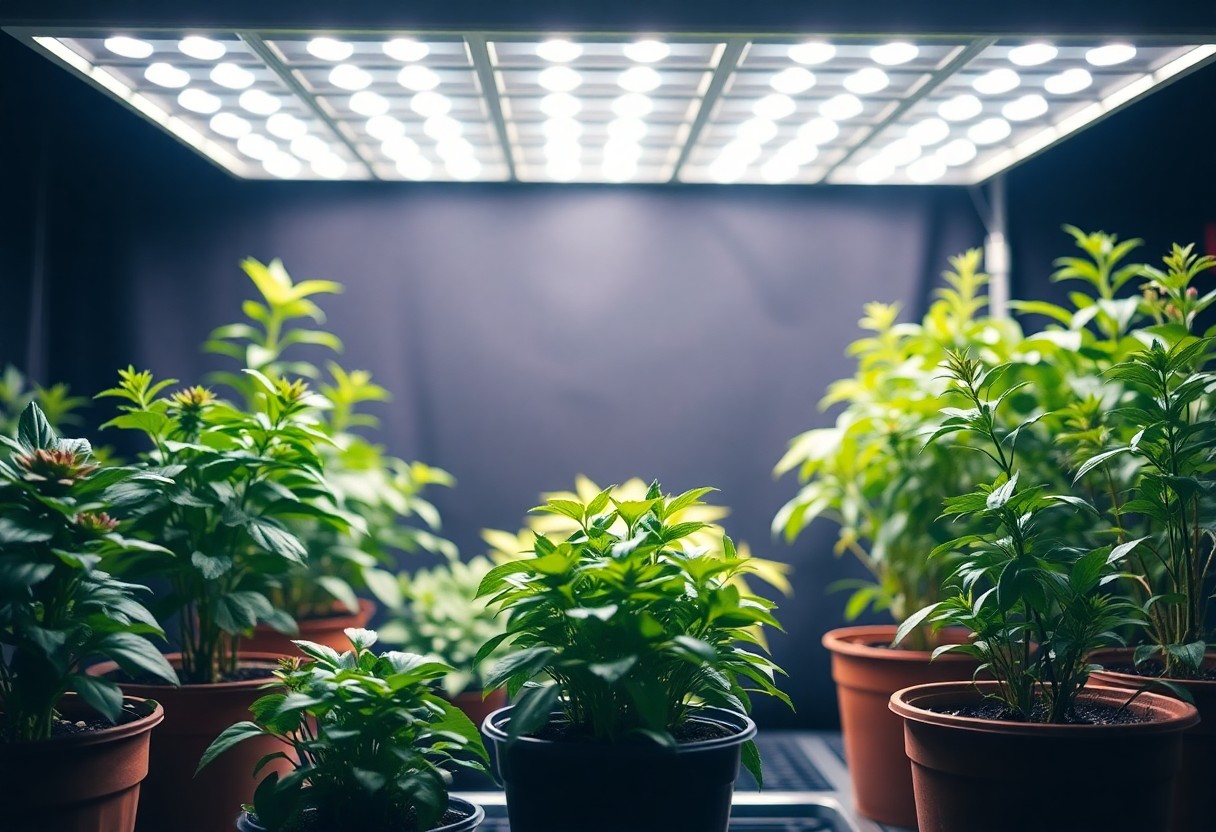
Lights can transform your indoor gardening experience, allowing you to cultivate a thriving garden even in the absence of natural sunlight. With the right grow lights, you can nurture a variety of plants, from herbs to vegetables, all year round. In this guide, you will learn how to choose and use grow lights effectively to ensure your plants receive the necessary light spectrum for growth and health, while avoiding common mistakes that could lead to stunted growth or failure. Get ready to brighten up your indoor gardening journey!
Understanding Grow Lights
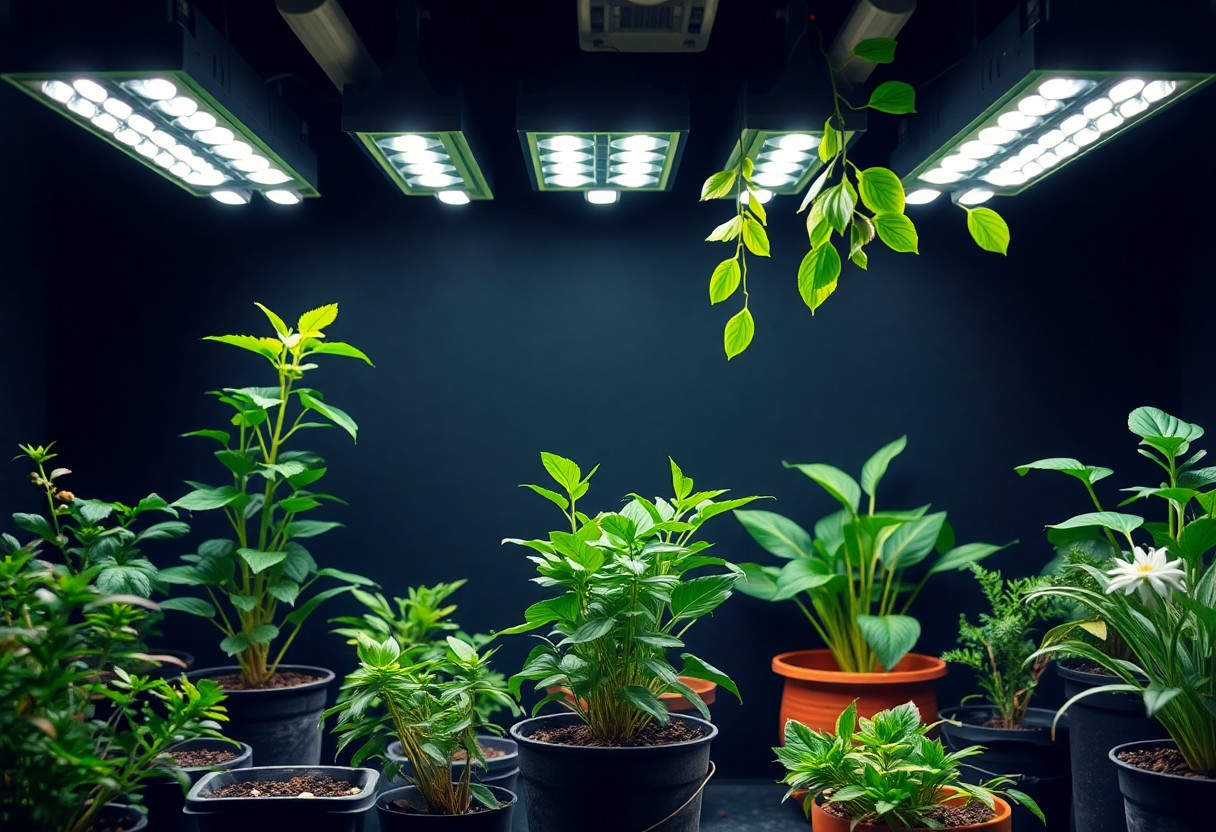
For indoor gardening enthusiasts, understanding grow lights is vital to replicating the natural sunlight that plants depend on for photosynthesis. Grow lights provide the right spectrum of light that encourages healthy plant growth when sunlight is not available. By knowing how different types of grow lights operate and their unique benefits, you can select the best option for your indoor garden.
Types of Grow Lights
For those new to indoor gardening, familiarizing yourself with the various types of grow lights can significantly enhance your gardening success. Here’s a breakdown of the most common types:
| Fluorescent Lights | Low energy consumption, ideal for seedlings. |
| LED Lights | Energy-efficient, customized light spectrum. |
| High-Intensity Discharge (HID) | Powerful output, ideal for larger plants. |
| Incandescent Lights | Least efficient, higher heat output. |
| Full Spectrum Lights | Mimics natural sunlight, supports all plant stages. |
Knowing the strengths and weaknesses of each type will help you make informed decisions on your lighting setup.
How They Work
Clearly, grow lights function by emitting light that mimics the spectrum of sunlight, allowing plants to perform photosynthesis efficiently indoors. Different plants may require varying light spectrums; thus, selecting the appropriate grow light is critical for optimal growth.
Understanding the mechanics of grow lights can significantly impact your gardening experience. LEDs provide targeted wavelengths that enhance growth without generating too much heat, making them suitable for small spaces. HIDs, while more powerful, produce considerable heat and require larger setups. Fluorescent lights are energy-efficient but might not deliver sufficient light for all plant types. Incorporating the right grow light type is necessary for ensuring your plants thrive, especially in limited sunlight conditions.
Factors to Consider
While launching on your indoor gardening journey, several key factors will determine your success with grow lights. Consider the following aspects:
- Light spectrum for plant growth
- Duration of light exposure
- Intensity of the light
- Type of plants you are growing
- Space available for growth setup
Recognizing these elements will help you create an optimal environment for your plants to thrive.
Light Spectrum and Plant Needs
Some plants have specific light spectrum preferences for optimal growth. The blue light spectrum promotes strong vegetative growth, while the red light spectrum encourages flowering and fruiting. Understanding these light requirements will guide you in selecting the appropriate grow lights for your indoor garden.
Duration and Intensity of Light
Even the best grow lights won’t work magic without the right duration and intensity. Most plants benefit from approximately 12-16 hours of light each day, depending on their stage of growth. Too much or too little light can hinder your plants’ development, so it’s imperative to balance intensity and duration.
Light plays a significant role in the overall health of your plants. The intensity of your grow lights should correspond to the type of plants you’re cultivating; higher intensity is necessary for light-hungry plants, while lower intensity works for shade-loving varieties. Additionally, overexposure to light can lead to stress or even burn on sensitive plants. Adjusting the duration allows you to cater to their specific needs, ensuring strong growth and successful flowering. Control both factors effectively to support your indoor garden’s evolution.
Choosing the Right Grow Light
There’s a wide array of grow lights available, each designed for specific needs and environments. When choosing the right grow light, consider factors such as intensity, spectrum, and efficiency. Selecting a light that meets your plants’ requirements will not only ensure healthy growth but also optimize energy consumption and cost. Be sure to investigate LED, fluorescent, and HID lights to find the best fit for your indoor gardening setup.
Selecting Based on Plant Type
Little do many realize that different plants demand distinct lighting. For instance, leafy greens thrive under lower light intensities, while flowering plants require specialized spectrum and higher intensity. Understanding the specific light needs of your plants is imperative to provide the environment that will promote robust growth, prevent stretch, and encourage proper flowering.
Budgeting for Grow Lights
Now that you understand the options, evaluating your budget is key to selecting the right grow lights.
Based on your available funds, you may find LED lights to be the best investment due to their energy efficiency and long lifespan, which can save you money in the long run. Consider the upfront cost of your chosen lights, as prices can range significantly. It’s advisable to also factor in the operational costs, including electricity consumption. Finally, don’t overlook the potential need for additional equipment like timers and reflectors, as these can enhance efficiency and ease of use, making your gardening experience smoother overall.
Setting Up Your Grow Light System
Once again, the right setup can significantly enhance your indoor garden. Begin by selecting the appropriate grow lights based on your plants’ needs, whether you choose fluorescent, LED, or HPS lights. Ensure your system includes imperative components such as timers, reflectors, and proper hanging equipment to optimize efficiency. Organizing your space effectively allows for good air circulation while providing uniform light exposure for all your plants.
Placement and Height Adjustments
Little adjustments in placement and height can greatly impact the success of your indoor garden. Position your lights directly above your plants for maximum exposure, ensuring that they are far enough away to prevent overheating. Regularly check your plants for signs of stretching or light burn, and adjust the height as needed to maintain optimal growing conditions.
Timing and Automation
Assuming you want to automate your grow light system, investing in a timer will simplify your gardening process. A timer allows you to set specific light cycles for your plants, ensuring they receive the correct amount of light for growth and flowering stages.
To achieve the best results, establish a light schedule that mimics natural sunlight hours—typically 14 to 18 hours of light per day for most plants. Using a timer reduces the risk of overexposure or underexposure, which can lead to stunted growth or even plant death. Additionally, consider using smart home technology to automate your system for even greater ease. This allows you to maintain consistent conditions while freeing up your schedule for other important tasks in your garden.
Tips for Maximizing Growth
All garden enthusiasts can benefit from understanding how to maximize their plant growth indoors. By implementing these key strategies, you can create an optimal environment for your plants:
- Provide sufficient light duration
- Use the right light spectrum
- Maintain an appropriate watering schedule
- Adjust fertilization methods
Recognizing these factors will significantly enhance your gardening success.
Maintaining Proper Temperature and Humidity
On your gardening journey, understanding temperature and humidity is key to thriving plants. Here’s how to ensure your indoor environment supports growth:
| Factor | Optimal Range |
|---|---|
| Temperature (Day) | 70-85°F (21-29°C) |
| Temperature (Night) | 60-70°F (16-21°C) |
| Humidity | 40-60% |
Regular Monitoring of Plant Health
With consistent care, keeping an eye on your plants’ health can lead to bountiful harvests. Regular assessments allow you to catch any issues early on, helping your plants thrive.
Humidity is vital in maintaining healthy plants. When levels are too low, your plants may experience stress, leading to yellowing leaves and stunted growth. Conversely, excessive humidity can promote the growth of fungal diseases, which can be detrimental. Ensure you monitor your plants regularly for signs of pest infestations or nutrient deficiencies. This proactive approach will not only keep your plants healthy but also encourage a more robust yield.
Troubleshooting Common Issues
To ensure your indoor garden thrives under grow lights, it’s imperative to address any problems that may arise. These issues can manifest in various ways, so being equipped with knowledge on how to identify and fix them will boost your gardening experience. From insufficient light to light burn, understanding these common challenges will help you maintain a healthy environment for your plants.
Symptoms of Insufficient Light
Even with your grow lights, plants may exhibit signs indicating they are not receiving enough light. Watch for symptoms such as leggy growth where plants stretch towards the light source, yellowing leaves, or stunted growth. If you notice these issues, it may be time to adjust the intensity or distance of your lights to better meet your plants’ needs.
Preventing Light Burn
Troubleshooting light burn is key to keeping your plants healthy. Light burn occurs when plants receive too much light, leading to scorched leaves or browning tips. You can easily prevent this by ensuring proper distance between your grow lights and plants. It’s recommended to start with a distance of 12-24 inches, depending on the light’s wattage, and gradually adjust based on your plants’ response. Pay attention to their growth, and if you notice any signs of stress, simply raise the lights or reduce the duration of exposure.
The best way to avoid light burn is by monitoring your plants’ health and adjusting the light intensity accordingly. Keep an eye out for any signs of stress, such as browned leaf tips or leaf curl, which indicate that your grow lights may be too close or too strong. Providing your plants with the right distance and light duration not only protects them from damage but also enhances their growth and vitality.
Summing up
Presently, understanding how to use grow lights effectively empowers you to garden without relying on sunlight. By selecting the right type of light fixtures, adjusting the spectrum, and configuring the lighting schedule, you can create an ideal environment for your plants. This knowledge not only maximizes their growth potential but also expands your gardening possibilities, allowing you to cultivate a vibrant indoor garden year-round. Embrace this technology, and watch your gardening efforts flourish regardless of natural light availability.