
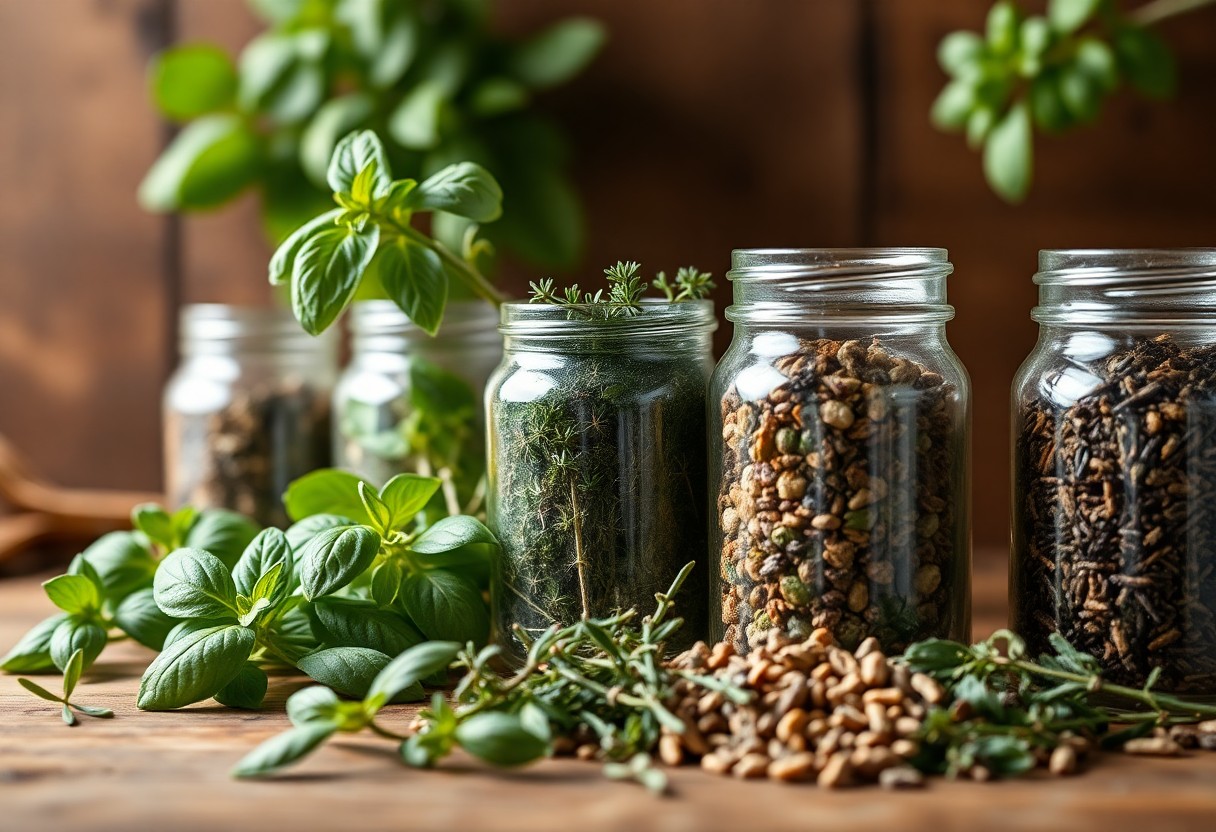
You may find yourself wondering when to harvest your culinary herbs for the best flavor and potency. Timing is necessary, as it directly affects the aroma and taste of your herbs, whether you choose to enjoy them fresh or dried. Fresh herbs are generally best harvested in the morning after the dew has dried, while dried herbs require careful timing to maximize their flavor profile and shelf life. Understanding these nuances will empower you to make informed choices, enhancing your culinary creations and elevating your cooking experience.
Understanding Fresh Herbs
For anyone who enjoys cooking, fresh herbs are a vibrant addition that can elevate the flavor and presentation of your dishes. When harvested at their peak, these herbs offer remarkable scents and tastes that can transform meals. Whether you’re growing your own or purchasing from a market, using fresh herbs enhances culinary experiences and connects you to the seasonality of ingredients.
Flavor Profile
By incorporating fresh herbs into your cooking, you instantly invigorate flavors with their bright and aromatic characteristics. Each herb brings its distinct profile, such as the peppery kick of arugula or the refreshing notes of basil, allowing you to customize your dishes and create a multi-dimensional taste experience.
Nutritional Benefits
Nutritional benefits of fresh herbs go beyond flavor enhancement; they provide necessary vitamins and minerals that contribute to your overall health. Many herbs are rich in antioxidants, which help combat oxidative stress, and contribute to improved digestion and respiratory health, amongst others.
Consequently, using fresh herbs in your meals can significantly boost your nutrient intake. For instance, herbs like parsley are packed with vitamin K, necessary for bone health, while rosemary is known for its anti-inflammatory compounds. Incorporating these herbs regularly into your diet brings positive effects on your immune system and supports overall well-being. Not only do they add flavor, but they also serve as a natural means to enhance your health.
The Appeal of Dried Herbs
If you appreciate the convenience and versatility of herbs, dried herbs can be a fantastic addition to your culinary repertoire. Their long shelf life and concentrated flavors make them an excellent choice for enhancing dishes, even when fresh alternatives may not be available. You can easily stash a variety of dried herbs in your pantry, allowing you to elevate simple meals with minimal effort.
Shelf Life and Storage
On average, dried herbs can last anywhere from one to three years, depending on the type. Proper storage in a cool, dark place in airtight containers will help to maintain their potency. Keeping your dried herbs away from moisture and heat will ensure they stay as flavorful as possible for your future dishes.
Concentrated Flavor
The drying process reduces the moisture content in herbs, resulting in a more concentrated flavor profile. This means you can use less of them compared to their fresh counterparts, allowing you to control taste without overwhelming your dish.
Also, the intensity level of dried herbs can even enhance your cooking by delivering strong, vivid flavors that pack a punch. Be cautious though, as using too much can lead to a dish tasting overly bitter or overwhelming. A general rule is to use about one-third the amount of dried herbs compared to fresh, giving you a great starting point for balancing flavors in your cooking without compromising your dish.
Optimal Harvest Times for Culinary Herbs
Even for the freshest flavor and nutritional value, timing your herb harvest is key. Generally, herbs are best harvested just before they bloom, as this is when their imperative oils are at their peak. However, each herb has its own optimal time, so understanding the specific needs of your culinary herbs can enhance your dishes significantly.
Variables Affecting Timing
Culinary herbs may require varying harvest times due to factors like soil quality, weather, and plant maturity. Be attentive to your plants as they grow; the right moment to harvest can depend on their environmental conditions, available sunlight, and water. Monitoring these variables ensures you pick when your herbs are flavor-packed.
Seasonal Considerations
Below are some seasonal considerations to keep in mind when harvesting your culinary herbs. The climate will significantly influence your herbs’ growth, as certain herbs thrive in spring and summer, while others prefer the cooler months. Timing your harvest with the changing seasons allows you to enjoy your herbs at their freshest and most flavorful.
Considering the seasonal growth patterns, you’ll want to be aware of how warmth and moisture conditions affect each herb. Typically, spring herbs such as basil and cilantro flourish rapidly, so early summer is ideal for harvesting. In contrast, herbs like thyme and oregano can be harvested in late summer and fall as they develop richer flavors over time. Additionally, be cautious of the frost, which can damage delicate herbs, making it imperative to harvest before the first freeze.
Best Practices for Harvesting Fresh Herbs
Keep your herbs healthy and flavorful by harvesting them correctly. Utilize clean, sharp scissors or garden shears to snip off the stems just above a leaf node, which encourages new growth. Always harvest in the morning when oils are at their peak, and be mindful to leave enough foliage for the plants to thrive. This promotes a steady supply of fresh herbs throughout the season while maintaining their vitality.
Techniques for Maximum Flavor
One effective technique is to harvest only what you need, rather than stripping the plant bare. By doing this, you not only enhance the flavor profile of your dish but also allow your herbs to regenerate. Additionally, avoid cutting the woody stems of perennial herbs, as this can result in less potent foliage.
Eco-Friendly Considerations
Among the aspects to consider when harvesting herbs are sustainability and responsible gardening practices. Treat your herb garden with care, ensuring that you do not over-harvest, which can lead to weakened plants and soil degradation.
Also, prioritize organic gardening techniques to maintain the health of your herbs and the surrounding ecosystem. Avoid harmful pesticides and chemicals that can damage beneficial insects and soil health. By practicing composting and using natural fertilizers, you can improve soil quality while also contributing to the growth of robust herbs. Emphasizing these eco-friendly practices not only benefits your garden but also ensures a more sustainable food source for the future.
Drying Herbs: Methods and Tips
Many home cooks find that drying herbs is an excellent way to preserve their flavor and aroma for later use. Consider these methods for effective drying:
- Air drying – a natural and efficient method, ideal for hearty herbs.
- Oven drying – a quick but requires careful monitoring to prevent burning.
- Dehydrator – provides consistent results, ensuring your herbs maintain potency.
- Microwave drying – the fastest option but may diminish flavor.
Recognizing the best technique will enhance your culinary endeavors.
Air Drying vs. Dehydrator
Drying herbs using air or a dehydrator includes various benefits and considerations. Air drying is a simple process that relies on natural air circulation, making it ideal for herbs with low moisture content. On the other hand, using a dehydrator provides a controlled environment for consistency and speed. Choose the method that works best for your needs and the space you have available.
Proper Storage Techniques
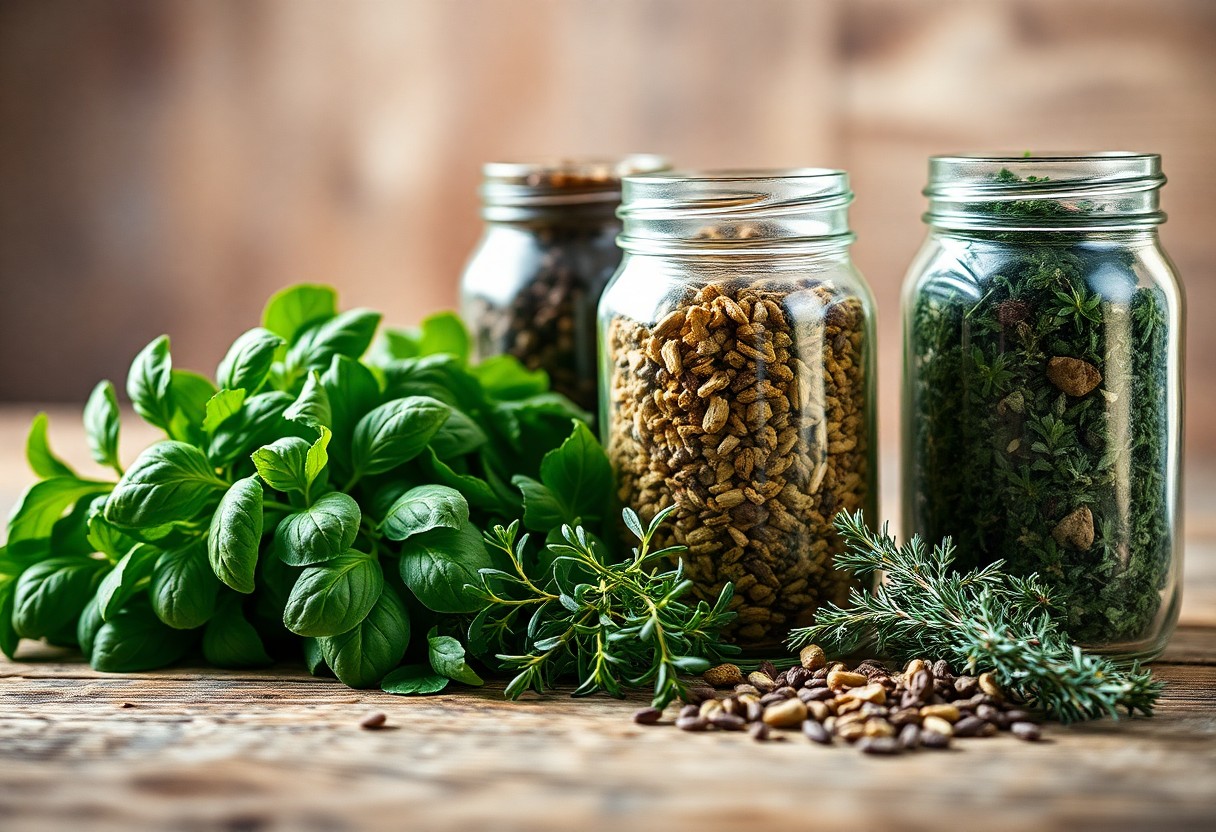
After drying your herbs, it’s vital to store them correctly to maintain their flavor and potency. Place your dried herbs in opaque glass jars to protect them from light, and seal them tightly to keep moisture at bay. Store in a cool, dark place for optimal longevity. Avoid storing herbs in plastic containers, as they can cause condensation, leading to mold and spoilage.
Further, always label your containers with the herb name and date of drying, ensuring you know the freshness of your herbs. Pay special attention to keep your storage area dry and cool, as humidity can lead to spoilage. You should check for signs of mold and discard any affected herbs immediately to prevent contamination. Following these techniques will help you enjoy the full spectrum of flavors your dried herbs can offer.
Culinary Applications: When to Use Fresh vs. Dried
After harvesting your culinary herbs, knowing when to use them fresh or dried can enhance your dishes significantly. Fresh herbs are often preferred for their vibrant flavors and aromas, making them ideal for garnishing or adding at the end of the cooking process. In contrast, dried herbs provide a concentrated flavor that works well in long-simmered dishes like stews or sauces, where they can release their essence over time.
Cooking Techniques
Applications of fresh versus dried herbs often depend on the cooking technique you are using. Fresh herbs add brightness to salads and are perfect for quick-cooking methods like grilling or sautéing. Dried herbs, on the other hand, excel in methods like braising or baking, where they can infuse flavors throughout the dish.
Flavor Pairing Suggestions
By pairing herbs with complementary ingredients, you can elevate your culinary creations. Fresh basil pairs beautifully with tomatoes and mozzarella, while dried oregano works well with roasted meats and vegetables. Consider your dish’s cooking duration; fresh herbs shine in quick recipes, whereas dried herbs meld perfectly in slow-cooked meals.
With careful consideration of flavor pairing, you can unlock the full potential of both fresh and dried herbs. For example, fresh cilantro offers a refreshing touch to Mexican dishes, while dried thyme enhances hearty casseroles and roasts. Always think about the dish you’re preparing and the role of your chosen herbs; the right balance can transform ordinary meals into extraordinary experiences.
Conclusion
Taking this into account, understanding the best harvest times for culinary herbs can significantly enhance your cooking experience. Fresh herbs tend to offer a more vibrant flavor and aroma, making them ideal when available in season. Conversely, dried herbs provide convenience and longevity, allowing you to enjoy your favorites year-round. By learning to harvest at optimal times, you can enjoy the best of both worlds, elevating your culinary creations with flavor and depth.