
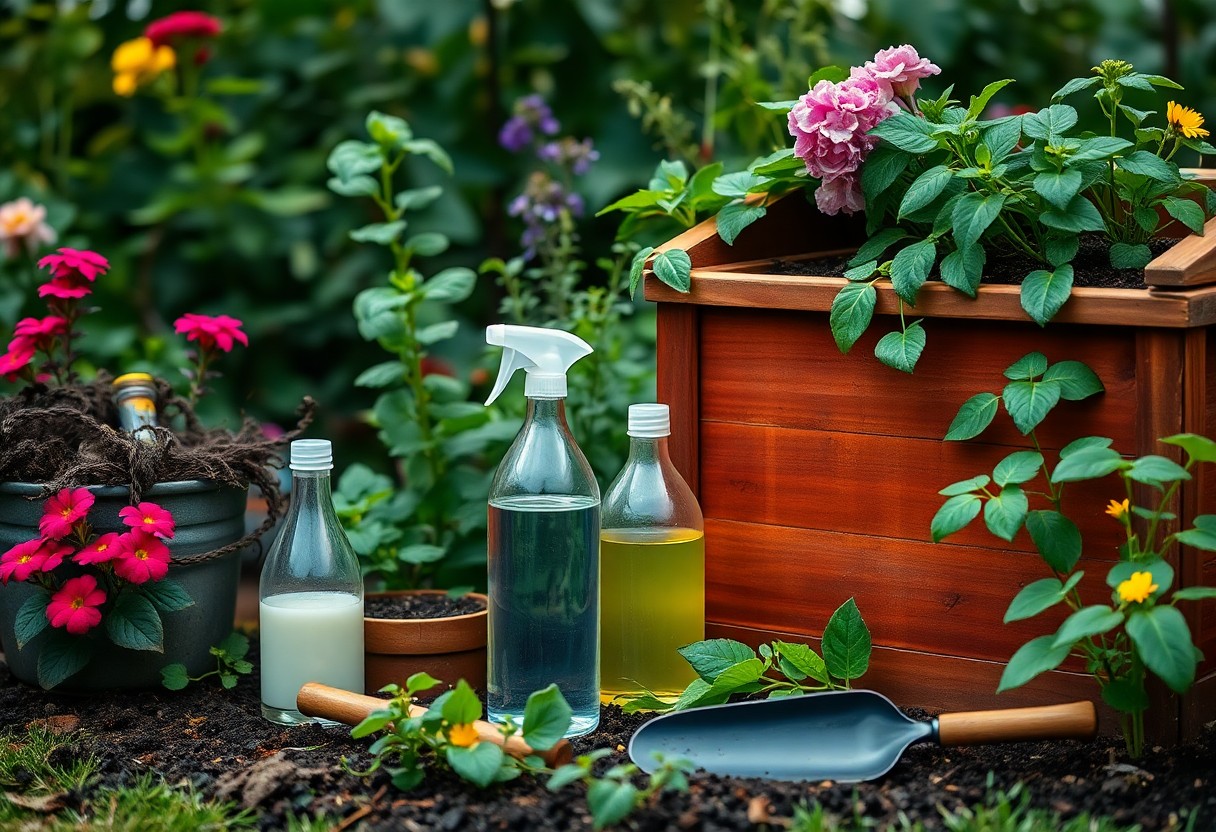
Over time, you may find that maintaining a thriving garden can be challenging due to pests and nutrient depletion in the soil. With DIY organic fertilizers and natural pest solutions, you can enhance your garden’s health without resorting to harmful chemicals. This blog post will guide you through simple, effective methods to create your own organic fertilizers and implement pest control strategies that are safe for both you and the environment. Embrace the benefits of going organic and watch your plants flourish!
Understanding Organic Fertilizers
While organic fertilizers are derived from natural sources, they play a vital role in enhancing soil health and promoting sustainable gardening practices. Unlike synthetic alternatives, organic fertilizers provide a slow-release source of nutrients, enriching the soil while benefiting your plants. By harnessing the power of nature’s own composting processes, you can nourish your garden without causing environmental harm.
Benefits of Organic Fertilizers
After switching to organic fertilizers, you will notice improved soil structure, increased microbial activity, and healthier plants. These fertilizers help retain moisture, reduce the risk of nutrient leaching, and promote biodiversity in your garden. You can also enjoy a worry-free growing experience since they are less likely to cause chemical burn or harm beneficial insects.
Types of Organic Fertilizers
Around the world, various types of organic fertilizers exist to suit different gardening needs. Here are five popular types:
| Compost | A well-balanced mixture of organic matter. |
| Manure | Nutrient-rich byproduct of livestock waste. |
| Bone Meal | Rich in phosphorus, beneficial for root growth. |
| Fish Emulsion | Provides nitrogen and trace elements quickly. |
| Seaweed Extract | Offers micronutrients and growth hormones. |
Thou can explore different organic fertilizers to find the one that best suits your garden’s needs. Each type provides distinct benefits for your plants, and understanding their uses can lead to a flourishing garden.
Benefits of organic fertilizers include their ability to enrich soil with vital nutrients, enhance plant growth, and improve overall garden health. Some noteworthy advantages to consider are:
- Environmental Safety – Less pollution and reduced chemical runoff.
- Soil Health – Improves soil structure and microbial activity.
- Sustainability – Supports eco-friendly gardening practices.
- Plant Vitality – Encourages stronger and more resilient plants.
- Cost-Effective – Can be made from kitchen scraps or yard waste.
Thou should prioritize using organic fertilizers to create a thriving and healthful garden.
Homemade Organic Fertilizer Recipes
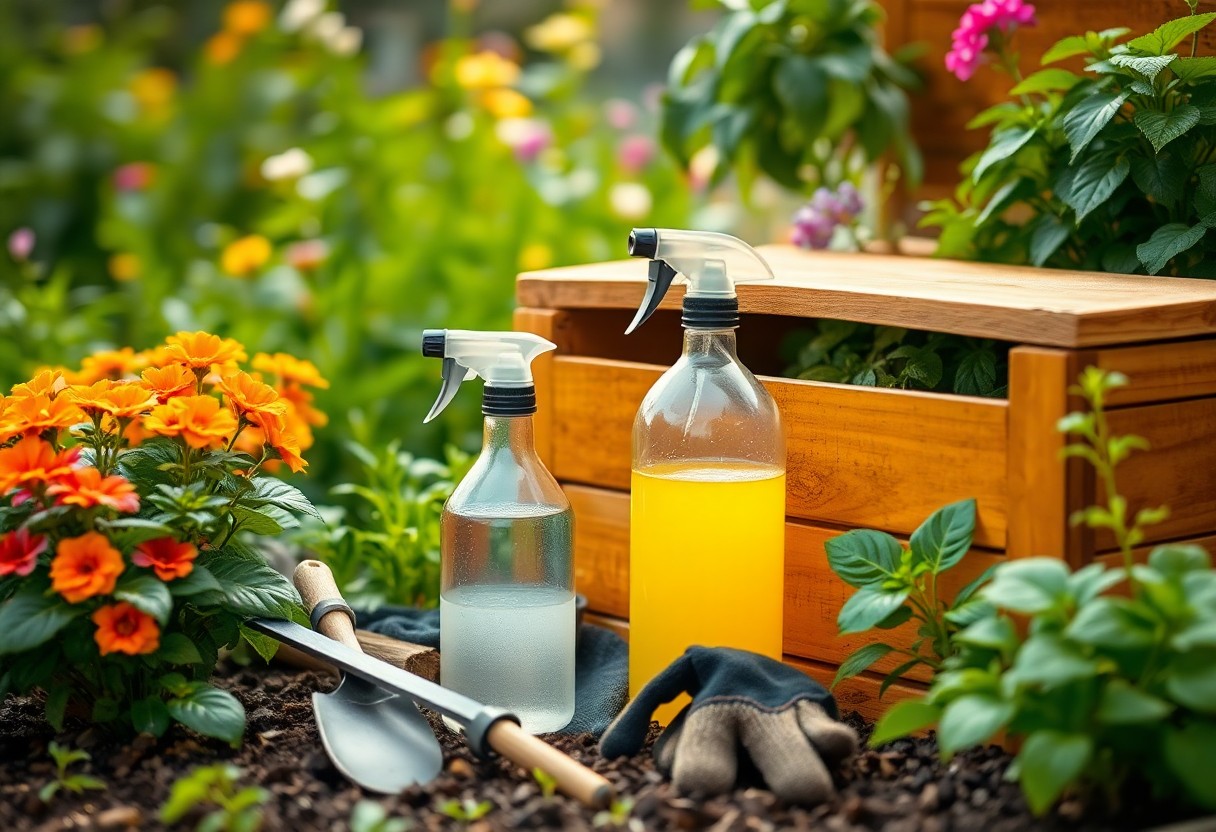
Now, you can harness the power of nature to nourish your plants with simple homemade organic fertilizer recipes. These DIY solutions are effective, budget-friendly, and environmentally friendly, providing your garden with the nutrients it needs to thrive. By using ingredients you already have at home, you can create nourishing concoctions that ensure your plants flourish organically.
Compost Tea
Between the many organic fertilizer options, compost tea stands out as a nutrient-rich solution for your plants. Made by steeping compost in water, this liquid fertilizer is packed with beneficial microorganisms and nutrients, offering an instant boost to your plants’ growth. Simply steep a bag of finished compost in water for a few days, and your plants will drink up the benefits.
Banana Peel Fertilizer
Behind the scenes of your garden, banana peels are a powerhouse of nutrients that can significantly enhance your soil’s fertility. These peels are rich in potassium and phosphorus, vital elements for strong root development and blooming. You can chop them up and directly mix them into the soil, or soak them in water to create a liquid fertilizer.
Hence, utilizing banana peel fertilizer not only nourishes your plants but also reduces waste. By incorporating these scraps into your garden routine, you provide your plants with important nutrients that promote vigorous growth. The potassium helps in enhancing flowering and fruiting, while phosphorus supports energy transfer and root development. Make sure you integrate this simple yet effective solution into your gardening practice for a sustainable and thriving garden.
Natural Pest Control Methods
If you’re looking for effective ways to manage pests in your garden, natural pest control methods offer a sustainable solution. These methods focus on using nature’s own resources to deter harmful insects without relying on harmful chemicals. From homemade sprays to attracting beneficial insects, you have a variety of options to keep your garden thriving while protecting it from pests.
Companion Planting
An excellent way to improve pest management is through companion planting. By strategically placing certain plants together, you can create a natural barrier against pests. For instance, planting marigolds alongside vegetables can repel aphids and nematodes, while herbs like basil can deter flies and mosquitoes. This technique not only boosts your garden’s health but also encourages biodiversity.
Essential Oils for Pest Repellent
Pest repellent made from imperative oils can be quite effective in keeping unwanted insects at bay. Oils such as peppermint, lavender, and tea tree are particularly known for their pest-repelling properties. You can create a natural spray by diluting imperative oils in water and applying it on affected plants to deter pests like aphids and spiders.
Essential oils serve as a natural alternative to synthetic pesticides without the harmful side effects. They can be an effective way to repel pests whilst being safe for your plants and the environment. When using imperative oils, a proper dilution is key, as undiluted oils can be toxic to plants. Always test a small area before widespread application to avoid any adverse effects.
Using Beneficial Insects
For sustainable gardening, consider introducing beneficial insects into your landscape. These natural allies help control pest populations without the need for harmful chemicals. By inviting these species to your garden, you can create a balanced ecosystem that supports plant health while minimizing infestations. Whether through planting specific flowers or creating suitable habitats, understanding how to attract and maintain these beneficial insects can greatly enhance your gardening success.
Ladybugs and Lacewings
Between ladybugs and lacewings, you’ll find two of nature’s most effective pest controllers. Ladybugs feast on aphids and other soft-bodied insects, while lacewing larvae are voracious predators of pests like mites and thrips. By encouraging these insects in your garden, you create a natural defense system that reduces your reliance on synthetic pesticides, promoting a healthier and more organic gardening experience.
Attracting Pollinators
On the other hand, attracting pollinators like bees and butterflies is important for the reproduction of many plants. These species not only enhance the beauty of your garden but also improve crop yields by facilitating the pollination process. By planting a variety of flowering plants and providing year-round sources of nectar, you can turn your garden into a thriving ecosystem that supports these vital creatures.
A diverse array of blooming plants is ideal for attracting pollinators. Consider incorporating flowers like sunflowers, lavender, and wildflowers, which provide ample nectar throughout the growing season. You should also prioritize avoiding pesticides that could harm these beneficial insects. Creating habitats such as bee hotels and leaving some areas wild can further encourage their presence in your garden. With the right strategies, you’ll not only help improve your garden’s productivity but also contribute to the health of the environment.
Managing Soil Health
To cultivate a thriving garden, you must prioritize managing soil health. Healthy soil is the foundation of plant growth, providing crucial nutrients and support. By regularly adding organic matter, practicing crop rotation, and minimizing soil disturbance, you can create a balanced ecosystem that enhances plant vitality and resilience against pests and diseases.
Importance of Soil Microorganisms
Any gardener knows that soil is more than just dirt; it is a vibrant ecosystem teeming with microorganisms. These beneficial microbes play a vital role in nutrient cycling, improving soil structure, and enhancing plant health. By fostering a diverse microbial community, you can boost your soil’s fertility and create a more sustainable garden environment.
Mulching Techniques
Before you start mulching, it’s crucial to understand its impact on soil health and your plants. Effective mulching helps retain moisture, suppress weeds, and regulate soil temperature, creating a favorable growing environment.
Importance of selecting the right mulch cannot be overstated. Organic mulches, like straw, wood chips, and grass clippings, not only protect your soil but also decompose over time, enriching your soil with vital nutrients. When applying mulch, aim for a depth of 2-4 inches, keeping it away from plant stems to prevent rotting. Regularly replenish your mulch layer to maintain its effectiveness and continue reaping the multiple benefits this technique offers to your garden soil.
Tips for Success in DIY Solutions
Unlike commercial fertilizers, DIY organic fertilizers require attention to detail and careful application to yield the best results. Here are some tips to enhance your gardening experience:
- Test your soil before applying any solutions.
- Start with small batches to gauge effectiveness.
- Keep records of what works best for your plants.
- Be patient; natural solutions take time to show results.
- Combine methods for a more integrated approach.
Recognizing the importance of proper technique can elevate your gardening skills significantly.
Safety Considerations
Solutions for organic fertilizers and pest control aren’t without risks. Always wear gloves and a mask to protect against potential irritants, and ensure your workspace is well-ventilated. Conduct a patch test on a small plant area before widespread application. When working with ingredients like neem oil or vinegar, you should understand their potency and potential side effects on beneficial insects.
Timing and Application Strategies
Between seasons, it’s necessary to strategize when to apply your natural fertilizers and pest solutions. Early spring is often the best time to boost soil nutrients, while early morning or late afternoon applications minimize direct sun exposure. Additionally, observe your plants for signs of stress or pest activity, and apply solutions promptly to prevent further damage.
To maximize the effectiveness of your DIY organic fertilizers and pest solutions, consider the timing of your applications. Spring is optimal for initial treatments, while mid-season may require follow-ups based on your plants’ response. For best results, make applications in the early morning or late afternoon, avoiding hot parts of the day. Additionally, stay attentive to your garden conditions; a brief weather change could affect the success of your solutions. Frequent observation and timely adjustments enable you to cultivate a thriving garden easily.
Final Words
Now that you understand the benefits and methods of DIY organic fertilizers and natural pest solutions, you can enhance your gardening experience while promoting sustainability. By creating your own nutrient-rich fertilizers and using eco-friendly pest control methods, you not only nurture your plants but also protect the environment. Embrace these practices and enjoy the fruits of your labor, knowing that you’re contributing to a healthier ecosystem while cultivating your garden in a safe and effective way.