

Organic gardening enthusiasts appreciate the benefits of reducing waste while nurturing their plants with nutrient-rich fertilizers. By using your kitchen scraps, you can create effective organic fertilizers that are not only safe for the environment but also enrich your soil’s health. In this post, you’ll discover simple and affordable recipes for making DIY organic fertilizers from everyday kitchen waste. Transforming scraps into valuable resources supports sustainable gardening practices and boosts plant vitality. Let’s research into some easy recipes that help you recycle waste while enhancing your garden!
Understanding the Benefits of Organic Fertilizers
The use of organic fertilizers from kitchen waste offers numerous advantages for your garden and the environment. By utilizing what you already have, you reduce waste while nourishing your plants with natural nutrients. Unlike synthetic fertilizers, organic options improve soil health and biodiversity. This method aligns with sustainable practices, enhancing your gardening experience and promoting an eco-friendly lifestyle.
Environmental Impact
Understanding the environmental impact of organic fertilizers is vital for sustainable gardening. By repurposing kitchen waste, you significantly reduce landfill waste, which contributes to greenhouse gas emissions. This practice not only conserves natural resources but also fosters healthier ecosystems. Using organic fertilizers encourages biodiversity, promoting beneficial microorganisms that support healthy soil.
Nutrient-Rich Composition
After using organic fertilizers, you will notice a significant improvement in the health and productivity of your plants. These fertilizers are packed with vital nutrients, offering a balanced composition that supports robust plant growth.
Benefits of utilizing organic fertilizers from your kitchen waste include their rich nutrient content, which comprises vital elements like nitrogen, potassium, and phosphorus. These components promote strong root development, enhance flowering and fruiting, and improve overall plant vitality. By opting for organic, you minimize the risk of chemical runoff and soil degradation commonly associated with synthetic fertilizers. This not only ensures the health of your garden but also contributes positively to the ecological balance.
Types of Kitchen Waste for Organic Fertilizer
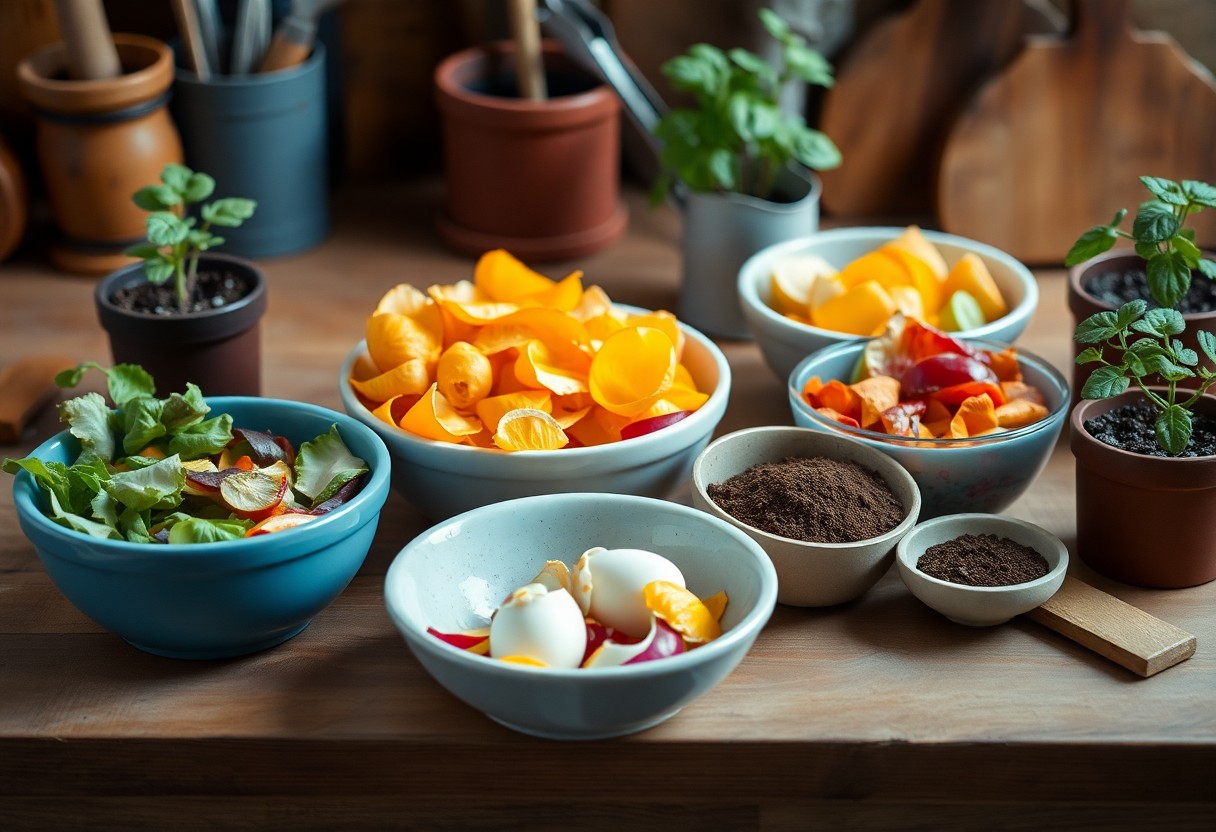
While many people discard kitchen waste without a second thought, it can be an excellent resource for your garden. Here are some common types of kitchen waste you can use to create nutrient-rich, organic fertilizer:
| Fruit and Vegetable Scraps | Peels, cores, and other leftovers |
| Coffee Grounds | Used grounds from your morning brew |
| Tea Leaves | Leftover tea bags or loose leaves |
| Eggshells | Crushed shells for calcium |
| Grain and Nut Scraps | Rice, oatmeal, and nut skins |
After identifying these waste types, you can easily turn them into effective fertilizer for your plants.
Fruit and Vegetable Scraps
Between the peels, cores, and other leftovers from your fruits and vegetables, you have a treasure trove of nutrients just waiting to enrich your soil. These scraps decompose quickly and add crucial vitamins back into the earth, promoting healthy plant growth.
Coffee Grounds and Tea Leaves
Leaves behind an outstanding resource that can enhance your garden’s health. Coffee grounds are rich in nitrogen, which feeds your plants, while tea leaves contain various antioxidants that can help improve soil quality. By using them in moderation, you can avoid overpowering your soil’s pH levels, ensuring a balanced nutrient supply.
Due to their high nutritional value, utilizing coffee grounds and tea leaves can also help attract beneficial organisms like worms to your soil, enhancing its structure and aeration. Just be cautious, as excess caffeine from coffee grounds can negatively affect certain plants, so always use them in appropriate amounts for the best results.
DIY Fertilizer Recipes
Any gardener knows that kitchen waste can be transformed into nutrient-packed fertilizers. By utilizing organic materials you already have at home, you can nourish your plants while reducing waste. In this section, we’ll explore various DIY fertilizer recipes that are not only simple to make but also effective in enriching your soil.
Banana Peel Fertilizer
Against common belief, banana peels are not just trash; they are a powerhouse of nutrients! Rich in potassium, they promote overall plant health and flowering. To create banana peel fertilizer, simply chop the peels and bury them in your garden soil or soak them in water for a nutrient-rich liquid fertilizer.
Coffee Ground Fertilizer
Peel away the layers of waste and enjoy the benefits of coffee grounds, which are a fantastic addition to your garden! These leftover grounds are high in nitrogen, making them an excellent option for encouraging healthy plant growth. You can sprinkle them directly onto the soil or mix them into your compost to enhance its quality.
Understanding the right way to use coffee ground fertilizer is key to maximizing its benefits. It is important to ensure that you do not overuse coffee grounds, as they can lead to acidic soil, which is not suitable for all plants. You should also mix them with other organic materials to create a balanced fertilizer. By utilizing coffee grounds wisely, you can enhance soil structure and retain moisture, leading to a thriving garden.
Composting Basics
Many gardeners and eco-conscious individuals recognize that composting is a fundamental practice for recycling organic material. By transforming kitchen scraps and yard waste into nutrient-rich compost, you support the environment while enhancing the health of your soil. Understanding the composting process empowers you to minimize waste and create a sustainable garden ecosystem.
What Can Be Composted?
Along with vegetables and fruit peels, many other materials can be added to your compost bin. Items like coffee grounds, eggshells, grass clippings, and dried leaves contribute valuable nutrients. However, avoid adding meat, dairy, and oils, as they can attract pests and create odors. You’ll create a balanced compost when you add a mix of “greens” (nitrogen-rich items) and “browns” (carbon-rich materials).
How to Start a Compost Bin
On your journey to composting, setting up a compost bin is the first step. Start by selecting a location in your yard that is easily accessible and has good drainage. Choose a container, which can be a commercial bin or a DIY option like a simple wooden or wire structure. Layer your organic materials, ensuring to balance greens and browns. Keep your compost aerated by turning it regularly and monitor moisture levels to achieve optimal decomposition.
Consequently, starting a compost bin requires attention to detail to ensure effective decomposition. Monitor the balance of materials by ensuring you include a mix of greens and browns. Be cautious not to compost any meat, dairy, or oils as they can develop foul odors. Keep your compost moist but not soggy and turn it regularly to promote aeration. By following these simple guidelines, you will create a thriving compost that enriches your garden.
Using Organic Fertilizers Effectively
Keep in mind that using organic fertilizers goes beyond just applying them; it requires understanding your plants’ needs and your soil’s health. Tailoring your fertilizer application according to season, the specific plants you’re growing, and existing soil nutrients will maximize the benefits and foster robust growth. This thoughtful approach ensures that your plants receive the right nutrition without the risk of over-fertilization, leading to healthier garden results.
Application Techniques
Beside applying organic fertilizers directly to the soil, consider methods such as composting, mulching, or creating teas from your mixtures. These techniques enhance nutrient absorption and can improve soil structure, ensuring your plants receive a consistent supply of crucial nutrients. Experiment with different methods to find what works best for your garden’s unique conditions.
Frequency and Timing
After determining your plants’ growth stages, you should schedule your fertilizer applications accordingly. Timing is crucial to synchronize nutrient availability with your plants’ developmental needs, ensuring optimal growth and health. Pay attention to seasonal changes and adjust your application frequency based on environmental factors.
It is advisable to apply organic fertilizers at strategic intervals during your plants’ growth cycles, such as at planting, during flowering, or when new growth appears. Typically, every 4-6 weeks is a safe frequency for most plants. Avoid applying right before a significant rainstorm to prevent nutrient leaching. While organic fertilizers are generally safe, over-application can lead to nutrient imbalances in the soil and potentially harm delicate plant roots. Maintaining a balanced approach will yield the best results for your garden.
Troubleshooting Common Issues
Unlike conventional fertilizers, organic options can occasionally present challenges. It is important to be aware of potential issues, such as odors and pests, that can arise with homemade fertilizers. With the right knowledge, you can effectively troubleshoot these problems, ensuring that your DIY organic fertilizers continue to benefit your garden without unwanted complications.
Odor Problems
About odors, they can occur if your organic fertilizer tends to anaerobically ferment. To mitigate unpleasant smells, ensure that your kitchen waste is well-aerated and not overly soggy. Additionally, incorporating brown materials like dried leaves or shredded cardboard can enhance the balance of carbon to nitrogen, reducing any foul odors.
Pests and Mold
Pests are another common concern when dealing with DIY organic fertilizers. If you notice insects or mold in your fertilizer mixture, it may indicate an imbalance in moisture or carbon-nitrogen ratio. To combat these issues, turn your mixture regularly to enhance air circulation and keep moisture levels in check, promoting healthy decomposing processes in your organic waste.
Odor issues and pest infestations often indicate underlying problems in your DIY fertilizer mix. Excess moisture can create an environment for mold growth, while neglected scraps may attract pests. Solutions include turning your mix frequently and balancing green and brown materials. Healthy fermentation promotes beneficial microorganisms in your fertilizer while minimizing concerns of odors and pests. By being attentive to these elements, you ensure that your garden receives a safe, effective boost from your organic inputs.
Conclusion
Taking this into account, you can transform your kitchen waste into valuable organic fertilizers that enrich your garden. By utilizing readily available scraps such as vegetable peels, coffee grounds, and eggshells, you not only reduce waste but also nourish your plants effectively. Experiment with different recipes and methods to find what works best for your garden, ensuring that you promote healthy growth while being environmentally responsible. Your efforts in creating DIY organic fertilizers can lead to a thriving garden and contribute positively to sustainability.