
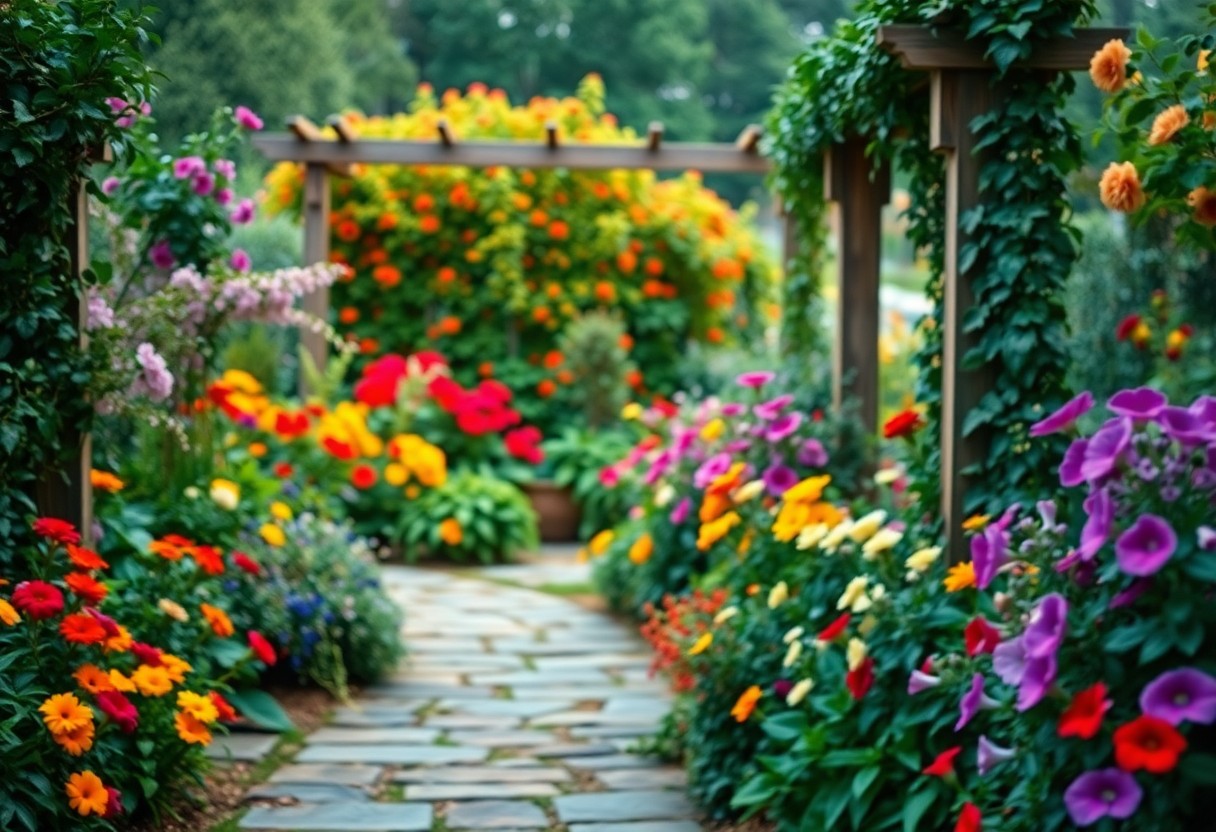
With the right use of color and texture, you can transform your garden into a breathtaking haven. By strategically combining vibrant hues and varying surface finishes, you will create depth and visual interest that captivates the eye. It’s necessary to consider seasonal changes, plant compatibility, and how different textures interact with light to maximize your garden’s appeal. This guide will provide you with expert insights to enhance your outdoor space, ensuring that your garden reflects your personal style while promoting a healthy ecosystem.
The Importance of Color in Garden Design
While creating a stunning garden, the significance of color cannot be overstated. Color plays a vital role in evoking emotions, attracting wildlife, and enhancing the visual appeal of your outdoor space. By carefully selecting a harmonious palette, you can create a breathtaking garden that expresses your personality and complements your home. Understanding how colors interact will allow you to design a landscape that feels both inviting and balanced.
Understanding Color Theory
Theory suggests that colors have inherent meanings and emotional responses. When designing your garden, it’s beneficial to understand the interplay of primary, secondary, and tertiary colors. Warm colors evoke energy and excitement, while cool colors promote tranquility. By combining these colors skillfully, you can create contrast and harmony, enhancing the overall aesthetic of your garden.
Seasonal Color Choices
Against the backdrop of changing seasons, selecting the right color palette is important for a dynamic garden. You want to ensure that your choices resonate throughout the year, providing visual interest as plants bloom, fade, and rest. By opting for plants that showcase vibrant hues in different seasons, your garden remains lively and engaging, no matter the time of year.
Color selection is an ongoing process, as the seasonal shifts in your garden open up new avenues for creativity. For instance, consider planting daffodils and hyacinths in spring for bursts of yellow and purple, and transition to rich autumnal hues with chrysanthemums and brightly colored maple trees. By carefully planning your planting schedule, you can ensure that each season brings its unique color story, keeping your garden vibrant and inviting all year round.
Utilizing Texture in Landscape Planning
If you aim to create a dynamic landscape, incorporating texture is key. Textures provide visual depth and interest to your garden, enhancing its overall appeal. By thoughtfully blending different elements such as foliage, hardscapes, and ornamental features, you can craft a space that awakens the senses and invites exploration. Varied textures can also help to delineate areas within your garden, establishing a cohesive flow that guides the eye.
Types of Textures
Against the backdrop of your landscape design, you’ll find various textures to explore:
| Soft | Examples include grasses, ferns, and delicate flowers. |
| Rough | Think of bark, stones, and weathered wood. |
| Smooth | Consider shiny leaves and polished stone surfaces. |
| Coarse | Look for plants with thick, broad leaves or rugged structures. |
| Glossy | Reflective surfaces such as water features or metallic accents. |
Knowing how to mix these textures will significantly enhance your landscape’s aesthetic appeal.
Combining Textures for Impact
Between the interplay of soft and rough, your garden can tell a vibrant story. By combining various textures, you create layers that give your landscape depth and intrigue; the contrast between smooth stones and fluffy flowers draws the eye and enhances visual interest. Pairing hardy plants with delicate ones can also highlight their unique qualities, creating a picturesque balance that captivates visitors.
Impact comes when you combine textures that not only please the eye but also evoke emotion. For instance, mixing silky vines with coarse wood can create a beautiful juxtaposition. Be bold by integrating unexpected elements such as jagged rocks alongside smooth pebbles, which can yield a stunning visual contrast. Emphasizing disparate textures also supports your plants by offering a balanced environment, where each element complements the others and adds to your garden’s overall beauty.
Creating Visual Harmony
You can achieve visual harmony in your garden by skillfully aligning colors and textures. This balance not only enhances the aesthetic appeal but also creates a cohesive outdoor space that invites tranquility. By thoughtfully selecting plants and hardscapes that complement each other, you can ensure that your garden feels united and pleasing to the eye.
Color Schemes and Combinations
The right color scheme can bring your garden to life. Whether you opt for a monochromatic palette for a serene look or bold contrasting colors for a dynamic feel, understanding the relationships between hues will help you create a stunning visual impact. Consider the seasons and your garden’s lighting conditions, as these factors play significant roles in how colors appear.
Balancing Color and Texture
After establishing your color palette, focus on incorporating various textures. Mixing smooth leaves with rough bark or soft petals with sturdy stems can create depth. Aim for a balance between different visual elements to prevent your garden from feeling flat or overwhelming. The interplay between color and texture can guide your eye and maintain interest throughout your garden.
At the heart of successful garden design is the balance between color and texture. Texture adds an additional layer to your visual experience, allowing you to explore a range of sights and sensations. Use bold foliage alongside delicate flowers to create visual contrast while maintaining harmony in color. This approach will not only make your garden visually engaging but also evoke a strong emotional response, encouraging you and your visitors to spend more time enjoying this beautiful outdoor space you’ve created.
Plant Selection for Stunning Effects
After you have established a vision for your garden, effective plant selection becomes vital to create stunning visual effects. By choosing a blend of textures, colors, and shapes, you can form a dynamic tapestry in your outdoor space. Emphasize contrast and harmony by pairing vibrant blooms with lush foliage, while also considering the growth habit and seasonal interest of your selected plants to ensure year-round appeal.
Choosing Blooms and Foliage
Above all, integrate a variety of blooms and foliage to bring your garden to life. Select plants with different bloom times to maintain color across seasons, while incorporating various leaf shapes and sizes to add depth. This thoughtful combination not only enhances the aesthetic but also supports various wildlife, enriching the biodiversity in your garden.
Incorporating Hardscapes
Choosing hardscape elements, such as pathways, patios, and retaining walls, can significantly enhance your garden’s structure and functionality. By pairing your plants with durable materials like stone or wood, you create defined spaces that guide the eye while offering contrast to your lush arrangements.
Even the most beautiful plants can be overshadowed without proper hardscaping. Incorporating focal points through structures like trellises or benches creates visual interest, while pathways allow for movement through your space. Utilize different materials and textures in your hardscape to complement your plant selection; this interplay heightens the overall aesthetic. Additionally, ensure your hardscape design encourages accessibility and ease of maintenance to keep your garden thriving. Balancing plants with hardscape can transform any outdoor area into a stunning, welcoming retreat.
Seasonal Considerations in Design
Not every garden design remains vibrant year-round without consideration of seasonal changes. Understanding how different plants and materials respond to each season allows you to create a dynamic garden that evolves beautifully throughout the year. By selecting plants that bloom across various seasons and incorporating elements that thrive in both warm and cool months, you can achieve a harmonious look that captivates your senses from spring to winter.
Year-Round Color and Texture
Seasonal changes can bring about stunning transformations in your garden, but incorporating year-round color and texture helps maintain visual interest. Choose a mix of evergreens, perennials, and ornamental grasses that provide structure and color throughout all seasons. Layering plants with contrasting textures ensures that even during the dormant months, your garden remains appealing and engaging.
Seasonal Maintenance Tips
An effective garden requires ongoing attention, especially when adjusting to the seasons. Implement a structured maintenance plan that includes:
- Pruning during dormancy promotes healthy growth in spring.
- Applying mulch protects roots and conserves moisture in summer.
- Fertilizing at the start of the growing season encourages lush foliage.
- Weeding regularly supports the health of your main plants.
Recognizing the specific needs of your plants throughout the year will lead to a thriving garden.
Maintenance is imperative for keeping your garden vibrant and healthy. Seasonal shifts often require different approaches, and creating a plan that outlines specific tasks for each season will alleviate stress. Be proactive by considering:
- Regular watering in summer to prevent wilting.
- Checking for pests and diseases that may thrive in warm weather.
- Winterizing plants by using frost cloths or moving sensitive plants indoors.
- Applying spring clean-ups to remove debris and promote healthy growth.
Recognizing these maintenance needs will keep your garden looking its best regardless of the season.
Case Studies: Successful Garden Designs
For those looking to elevate their garden aesthetics, examining successful case studies can offer valuable insight. Here are some notable examples:
- Garden Name: Botanical Wonderland – Achieved 70% biodiversity with over 150 plant species.
- Color Palette: Sunset Haven – Featured 8 dominant hues across 1,200 square feet.
- Texture Play: Serenity Park – Combined 5 textures enhancing visual appeal in 2,500 square feet.
- Wildflower Oasis: Incorporating native plants resulted in a 40% reduction in water usage.
Colourful Flower Gardens
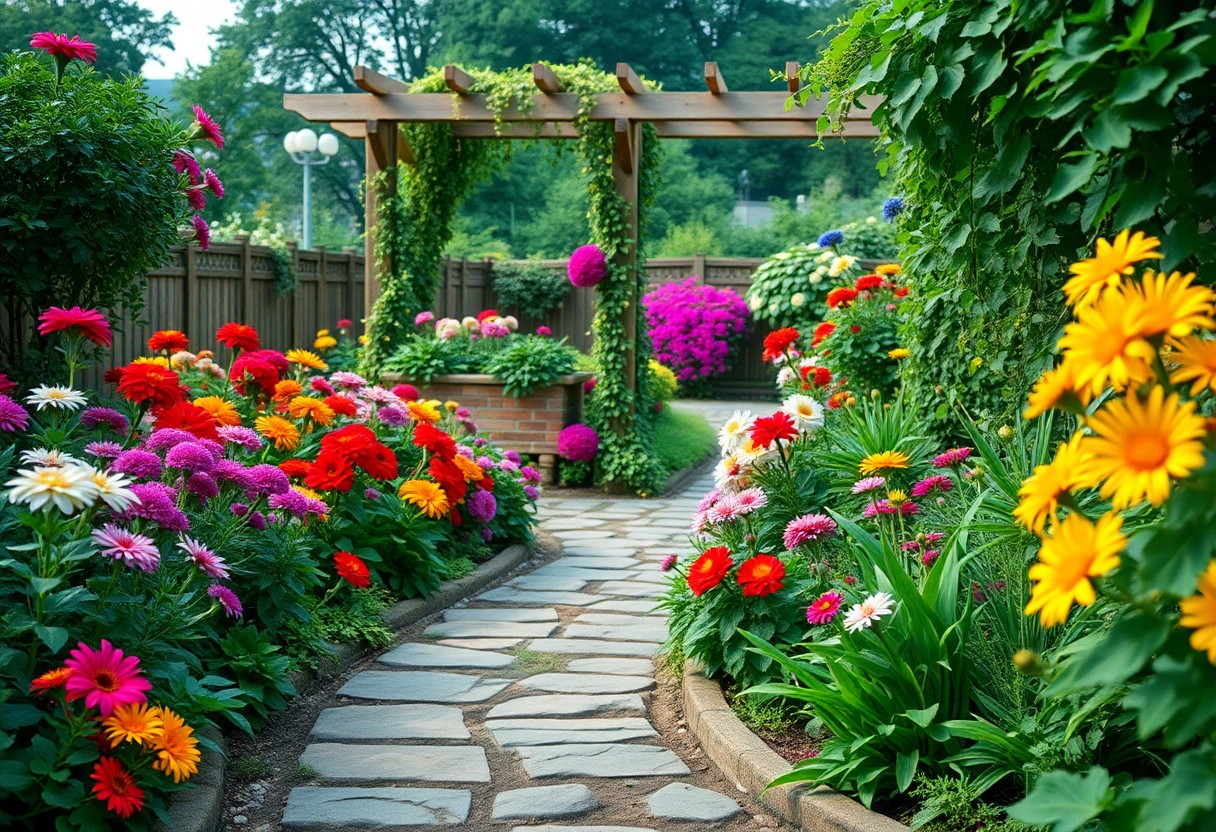
With a vibrant spectrum of colors, successful flower gardens can transform any space into a visual masterpiece. You can achieve this effect by arranging flowers in complementary colors, such as deep purples alongside bright yellows, to create an eye-catching contrast that thrives from early spring through late fall.
Textured Landscape Examples
Around your garden, you can introduce various textures to add depth and interest. This can be accomplished by mixing smooth foliage with rugged bark or feathery grasses, setting up a sensory experience that engages all your senses.
Due to the layered approach of combining multiple textures, you can create a dynamic landscape that captivates you and your guests. By using materials like stone pathways and soft bedding plants, you can enhance your garden’s tactile appeal. Furthermore, incorporating hardscape elements, like walls or sculptures, can provide necessary contrast, making your garden not just beautiful, but also highly functional and inviting.
Conclusion
Conclusively, by skillfully incorporating color and texture into your garden design, you can create a visually stunning and dynamic outdoor space. Engage your senses by mixing vibrant hues and varied materials to enhance the overall aesthetic. Consider how plants, hardscapes, and features interact, allowing you to emphasize your garden’s unique personality. As you curate these elements, your garden will not only reflect your style but also provide an inviting atmosphere for you and your guests to enjoy.