
Edibles grown in containers can transform your small space into a vibrant garden, providing you with fresh ingredients right at your fingertips. To ensure success, you should focus on compact varieties of fruits, vegetables, and herbs that thrive in pots. Think easy-to-grow options like cherry tomatoes, peppers, and basil, which not only yield delicious produce but also add beauty to your outdoor or indoor space. By selecting the right plants and proper pot size, you can enjoy homegrown harvests without the need for extensive garden plots.
Benefits of Container Gardening
To embrace the joys of gardening with limited space or challenging soil conditions, container gardening offers a multitude of benefits. It enables you to grow fresh produce right outside your door, enhances your home’s aesthetics, and allows for mobility in your gardening endeavors. By selecting the right containers and edibles, you can cultivate a thriving garden in any location, whether it’s a balcony, patio, or small yard, maximizing your gardening potential.
Space Efficiency
With container gardening, you can optimize every inch of your available space. Ideal for urban dwellers or those with small yards, it allows you to cultivate a variety of edible plants vertically or on shelves, making the most of your environment while providing easy access for maintenance and harvesting.
Soil and Drainage Control
Above all, you have the power to manage soil quality and drainage in container gardening, which is necessary for healthy plant growth. The ability to choose specific soil types ensures that your plants receive the nutrients they need, while proper drainage reduces the risk of overwatering, preventing root rot and other issues.
Understanding the significance of soil quality and drainage is vital for your container gardening success. By selecting the right potting mix tailored to your chosen edibles, you can ensure they receive adequate nutrients. Additionally, containers often come with drainage holes that allow excess water to escape, minimizing the dangers associated with overwatering, such as root rot. You can also elevate pots or use self-watering systems to further manage excess moisture, promoting a healthier, more resilient garden.
Best Edible Plants for Containers
While container gardening opens up a world of possibilities, selecting the right edible plants is necessary for a successful harvest. Here, you can enjoy the benefits of fresh produce without needing a large garden space. Containers can be home to many delicious options, ranging from herbs to vegetables and fruits, all thriving in your pots. By choosing the right plants, you can enjoy a bountiful and vibrant edible garden right at your fingertips.
Herbs
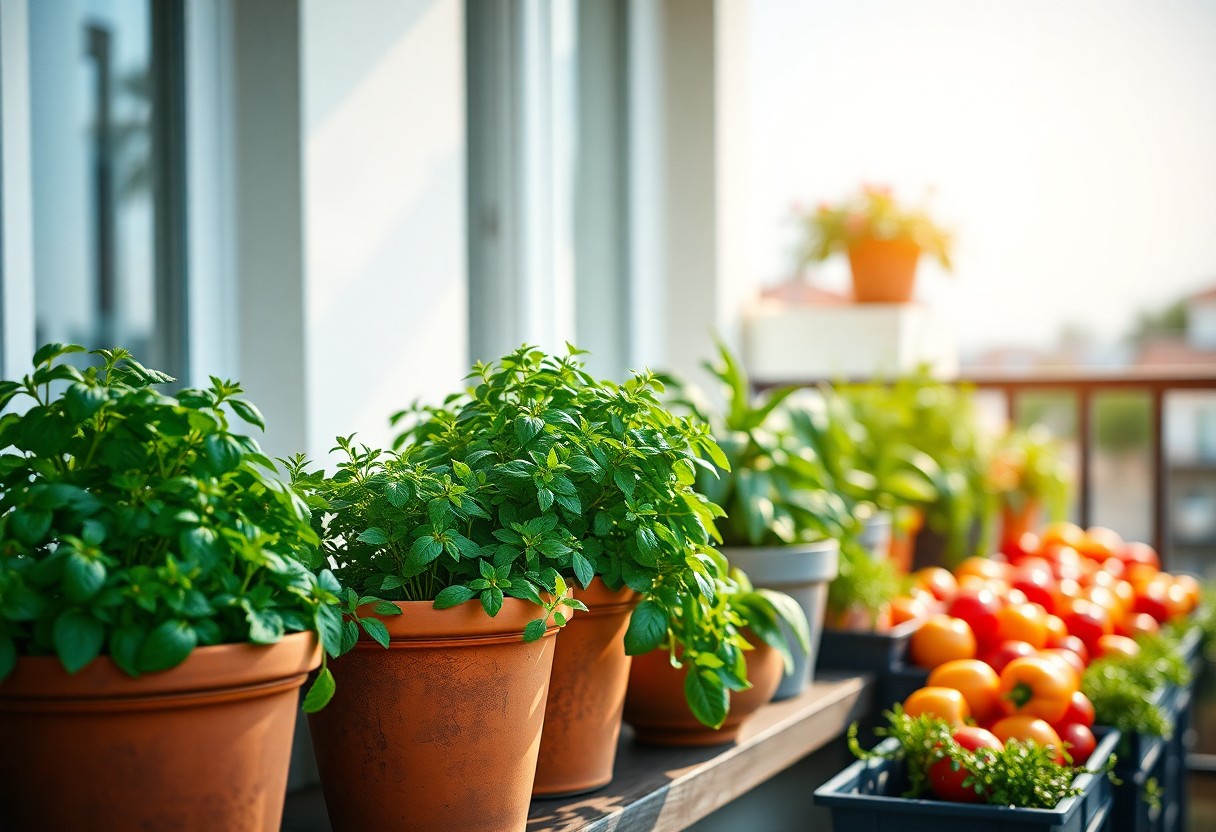
Above all, herbs are the perfect choice for container gardening due to their adaptability and minimal space requirements. You can grow fragrant basil, parsley, and mint in pots on your balcony or kitchen windowsill. Not only do they enhance your meals with fresh flavors, but they also thrive in smaller spaces and are easy to care for!
Vegetables
Herbs lay the foundation for a thriving container garden, but don’t overlook the enchanting world of vegetables. These versatile plants can thrive in pots, bringing abundant yields to your table. Choose compact varieties of tomatoes, peppers, and lettuce that grow well in containers. With proper watering and sunlight, you’ll be surprised at how productive your small garden can be!
Containers allow you to diversify your vegetable garden, letting you grow more unique choices like carrots or radishes which prefer deeper pots. You can create an impressive vertical garden using a stack of containers, maximizing your growing space. Additionally, using high-quality soil and ensuring proper drainage are key to growing healthy veggies in pots.
Fruits
Behind the enticing world of container gardening lies the opportunity to grow fruits even in limited spaces. You can nurture strawberries, dwarf citrus trees, and even raspberries in pots, providing sweet and succulent rewards. With adequate sunlight and proper care, you’ll delight in the fresh, homegrown flavors straight from your garden.
And when growing fruits in containers, consider using self-pollinating varieties for more fruitful yields. Dwarf fruit trees can be particularly beautiful, offering blooms and delicious fruits while enhancing your outdoor aesthetic. You’ll find that with the right care, container-grown fruits can be just as luscious and plentiful as those planted in traditional gardens.
Choosing the Right Containers
After deciding to grow edibles in containers, the next step is selecting suitable pots. Your choice of container can greatly influence plant growth and health, so consider factors such as material, size, and shape. The right container not only affects drainage and temperature but also ensures that your plants thrive in their confined space. Aim for pots that align with your gardening goals, as these choices will lead to a flourishing edible garden.
Material Options
One of the first decisions you’ll face is the material of your containers. Choices range from plastic and clay to metal and biodegradable options. Each material has its advantages: for instance, plastic is lightweight and retains moisture, while terracotta allows for better airflow to the roots. Additionally, metal containers can heat up quickly, which may benefit some plants in cooler climates. Choose a material that suits your environment and gardening style.
Size and Shape Considerations
Beside material, the size and shape of your containers play a vital role in your garden’s success. Different plants have varying root space requirements; for example, deep-rooted crops like tomatoes do best in taller pots, while herbs can thrive in shallower ones. Wider containers can accommodate multiple plants, while solo crops may prefer narrower profiles to enhance nutrient absorption. Ensuring the proper dimensions helps create a stable environment for your edibles.
Due to the diverse growth habits of plants, selecting the right size and shape of container is crucial. For instance, tomatoes and peppers generally require at least a 5-gallon pot to allow for adequate root growth, while herbs like basil can thrive in smaller pots of about 1-2 gallons. The shape also matters; rounded pots promote even root growth, whereas square or rectangular containers maximize space, especially in small gardens. Take the time to assess your plants’ needs to make informed decisions on appropriate containers.
Soil and Fertilization Needs
Now that you’re eager to dig into container gardening, it’s important to understand that the right soil and fertilization are key to your plants’ success. Using quality potting mix ensures proper drainage and aeration, creating an ideal environment for roots to thrive. Additionally, incorporating organic matter, such as compost, enhances nutrient availability. Regularly monitoring your soil will allow you to adjust fertilization and maintain healthy plant growth.
Soil Types for Edibles
By selecting the right soil type, you provide your plants an optimal foundation for growth. Here are some recommended soil types:
| Potting Mix | Lightweight, retains moisture well |
| Compost | Nutrient-rich, improves soil structure |
| Coconut Coir | Environmentally friendly, excellent water retention |
| Sandy Soil | Drains quickly, good for root vegetables |
| Peat Moss | Acidic, helps retain moisture and nutrients |
This will help you create the perfect conditions for your edibles to flourish.
Fertilizers and Nutrient Management
Management of your garden’s nutrients is an ongoing process. Feed your container plants regularly with balanced fertilizers that include vital macronutrients such as nitrogen, phosphorus, and potassium. Water-soluble fertilizers are great for quick replenishment, while slow-release options work well for steady feeding.
Soil health is paramount when it comes to growing edibles in containers. Inadequate nutrient levels can lead to poor growth or even plant failure. Regularly test your soil to check for nutrient imbalances, and amend with organic matter as needed. Over-fertilization can be detrimental, so always adhere to recommended application rates. Maintaining proper moisture levels in your soil, along with balanced fertilizers, empowers your plants to reach their full potential.
Watering and Maintenance Tips
Not all edibles are created equal when it comes to their watering and maintenance needs. To help you ensure that your container garden thrives, consider the following tips:
- Check soil moisture regularly.
- Use high-quality potting mix.
- Fertilize according to the plant’s needs.
- Rotate plants to receive even sunlight.
This will enhance the overall health and productivity of your plants.
Watering Frequency
Frequency of watering will depend on various factors, including the type of plants and environmental conditions. Generally, you should check the soil moisture every few days, especially during hot weather. If the top inch of soil feels dry, it’s time to give your plants a drink. Always water until it drains from the bottom; this ensures the entire root system gets hydrated.
Pest Management
Watering alone isn’t enough to keep your container garden thriving—pest management is also key.
This involves regularly inspecting leaves and stems for signs of infestation. Common pests such as aphids and spider mites can quickly ruin your plants. Employ natural methods, like introducing beneficial insects or using insecticidal soap. Keep your garden tidy by eliminating debris where pests might hide. Addressing these issues early ensures your plants can flourish without significant damage.
Seasonal Planting Guide
Your success in container gardening greatly depends on timing your plantings according to the seasons. By understanding when to plant specific edibles, you can maximize your yield and enjoy fresh produce throughout the year. This guide will help you navigate what to grow and when, ensuring your containers are filled with thriving plants in every season.
Spring and Summer Edibles
Above all, spring and summer are ideal for vibrant, fast-growing vegetables and herbs. You can opt for crops like tomatoes, peppers, zucchini, and basil, which thrive in warm weather. These sun-loving plants will flourish in your containers, providing you with bountiful harvests that can be enjoyed all season long.
Fall and Winter Options
An exciting aspect of container gardening is the ability to grow edibles even during the colder months. Frost-tolerant greens such as kale and spinach can thrive in containers during fall and winter, especially when protected with row covers. Additionally, root vegetables like carrots and beets can be planted in late summer for a fall harvest.
Understanding the needs of fall and winter options will help you cultivate a diverse array of crops. Choose cold-hardy varieties that can withstand lower temperatures, and consider insulating your pots with materials such as straw or bubble wrap to retain warmth. Utilize mini greenhouses or cold frames for added protection, allowing you to extend your growing season and enjoy fresh produce even during winter months. With the right selections and care, your container garden can remain productive throughout the year, showcasing the resilience of these seasonal edibles.
Final Words
On the whole, choosing the right edibles for your container garden can significantly enhance your gardening experience. You can grow a variety of options such as tomatoes, peppers, and herbs, which thrive in pots and offer delicious yields. Consider the size and sunlight needs of your chosen plants to ensure optimal growth. By carefully selecting and caring for your container garden, you can enjoy fresh produce right from your balcony or patio, enriching your meals and enhancing your space.