
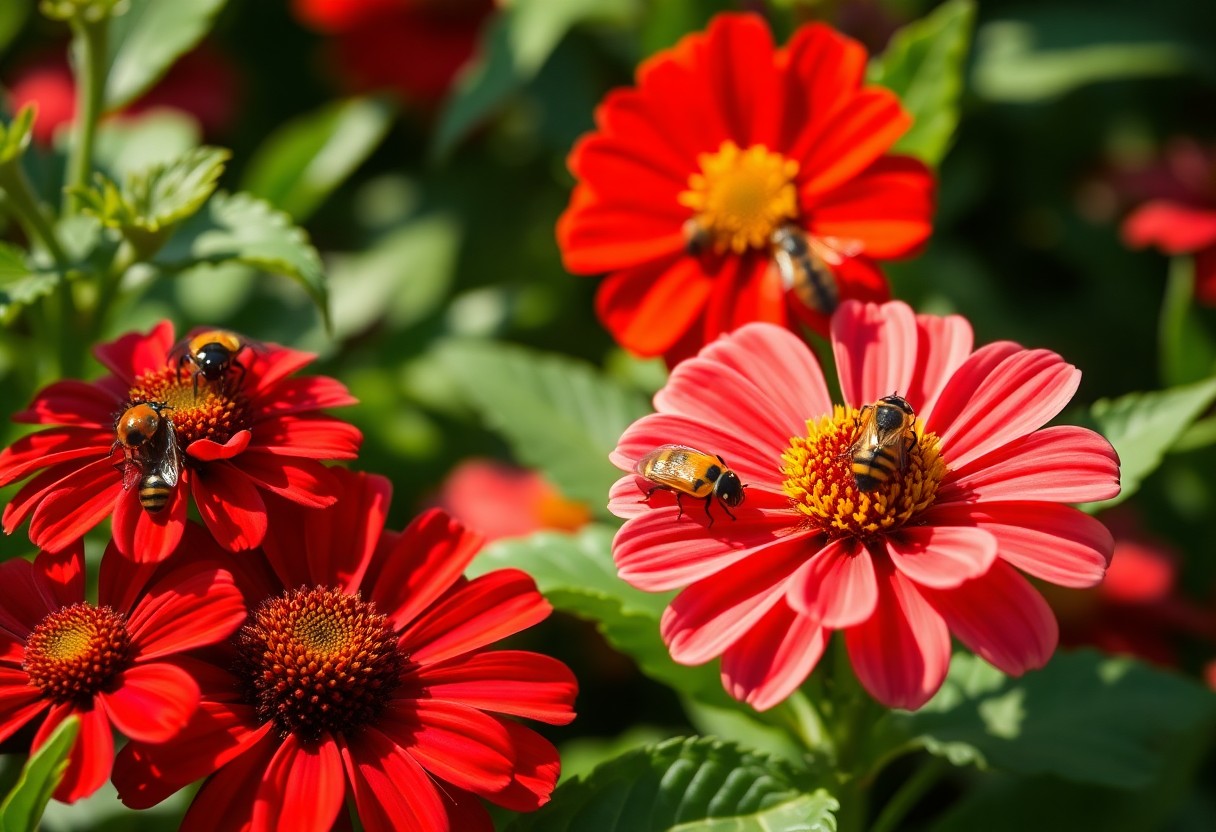
It’s necessary to recognize that not all bugs are pests in your garden; some are your allies. These beneficial bugs can enhance the health of your plants by controlling harmful pests and promoting a balanced ecosystem. By attracting the right types of insects, such as ladybugs, lacewings, and hoverflies, you can harness their natural pest control abilities. Join us as we explore the various beneficial bugs you want to welcome into your garden to maintain its vitality and resilience.
Understanding Beneficial Bugs
Before you can effectively invite beneficial bugs into your garden, it’s key to understand their role and characteristics. These insects help maintain a healthy garden ecosystem by controlling pests, pollinating plants, and improving soil structure. By learning to identify them, you can support their presence and enhance your gardening success.
What Are Beneficial Bugs?
Beside common pests, beneficial bugs are those insects that offer positive contributions to your garden’s health and productivity. They can include predatory insects like ladybugs and lacewings, parasitic wasps, and pollinators such as bees and butterflies. Understanding these bugs helps you recognize their value and invite them to thrive in your garden.
The Role of Beneficial Bugs in the Ecosystem
Among the many roles beneficial bugs play, they are imperative for pest control, pollination, and nutrient cycling in your garden. Their presence can dramatically reduce crop damage caused by harmful insects. In addition, they assist in the pollination of flowers, which is vital for fruit and seed production. Through these activities, beneficial bugs enhance your garden’s diversity and resilience, creating a more balanced, thriving ecosystem.
Beneficial bugs actively participate in maintaining the balance of nature. They consume harmful pests, preventing infestations that could devastate your plants. For instance, ladybugs can consume up to 5,000 aphids in their lifetime. Furthermore, they support your garden’s health by breaking down organic matter and improving soil quality, which leads to more vibrant and productive plants. Encouraging beneficial bugs in your garden is not only an effective strategy for pest management but also a stepping stone toward a sustainable gardening approach.
Common Beneficial Bugs to Attract
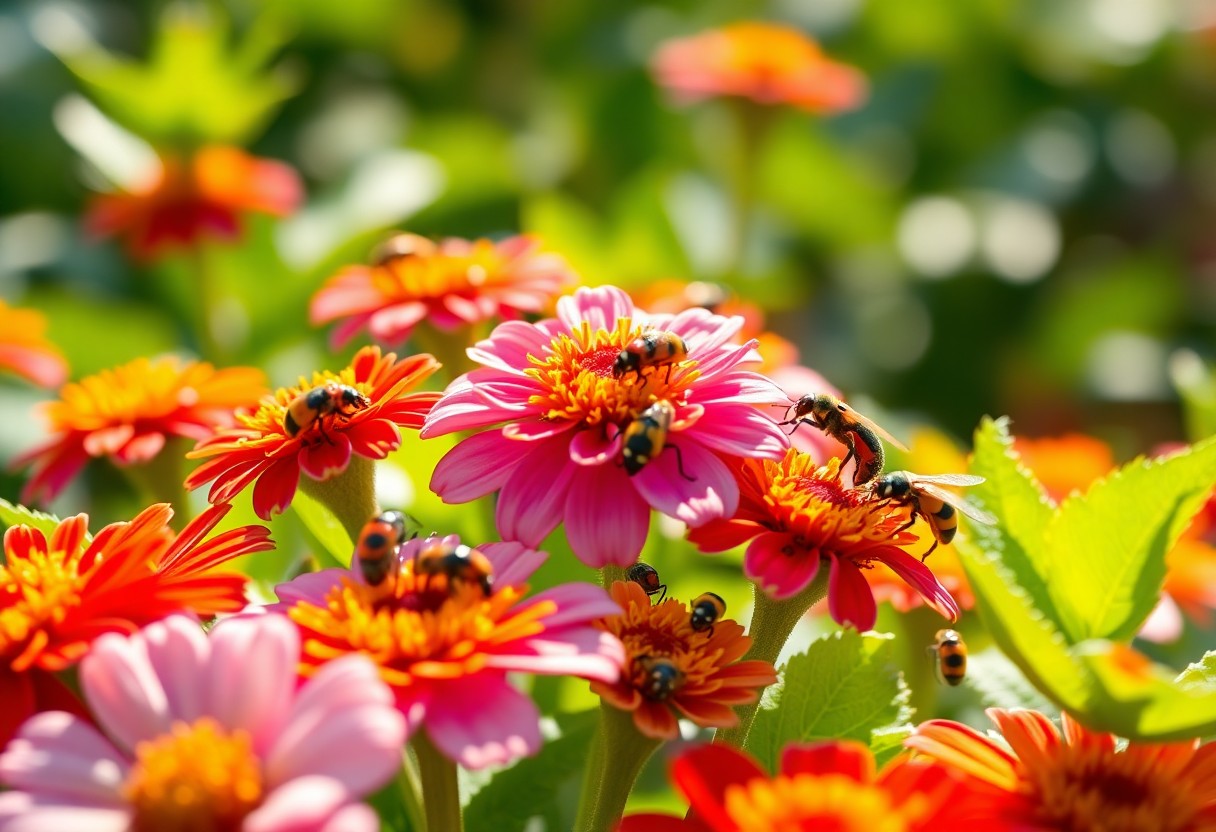
Any gardener can benefit from attracting a variety of beneficial bugs to their garden. These insects play a vital role in controlling pests and promoting healthy plant growth. By fostering an environment that appeals to these good guys, you can enhance your garden’s ecosystem and minimize the need for chemical interventions.
Ladybugs
Between their bright red shells and black spots, ladybugs are not just charming but also highly effective in pest control. They primarily feast on aphids, which makes them an excellent ally for maintaining your garden’s health.
Lacewings
Before you can enjoy the benefits of lacewings, it’s important to attract them to your garden. These delicate insects are known for their remarkable larval stage, where they consume a wide variety of garden pests like aphids, thrips, and spider mites.
Hence, incorporating plants that provide nectar and pollen will help lure lacewings into your garden. They are usually drawn to carrots, dill, and yarrow, which can create a favorable environment. As they feed on these plants, lacewings will help reduce the population of harmful insects, making your garden healthier and more productive.
Parasitic Wasps
Above all, parasitic wasps are powerful allies in your battle against garden pests. These tiny wasps lay their eggs inside the bodies of harmful insects, effectively controlling pest populations while not harming your plants.
In fact, parasitic wasps are incredibly diverse, with some targeting aphids, while others focus on caterpillars or beetles. By promoting a habitat that encourages their presence, you could see a significant reduction in pest outbreaks. Utilize flower mixes that provide shelter and food sources to attract various species of parasitic wasps to your garden.
Bees
With their exceptional pollination skills, bees are vital to the success of your garden. Attracting these beneficial insects can significantly improve fruit and vegetable yields while supporting biodiversity.
Attract groups of flowering plants that bloom at different times, ensuring a continuous food supply for bees. Consider adding native plants, which are particularly appealing to local bee populations. By fostering a bee-friendly environment, you not only enhance the productivity of your garden but also contribute to the preservation of these vital pollinators.
How to Attract Beneficial Bugs
Now that you understand the importance of beneficial bugs, it’s time to make your garden a haven for them. By implementing simple strategies, such as planting specific flowers and providing adequate shelters, you can draw in these helpful insects and create a balanced ecosystem in your outdoor space.
Planting Nectar-Rich Flowers
Attract beneficial bugs by incorporating nectar-rich flowers in your garden. Varieties like daisies, marigolds, and lavender not only add beauty but also serve as vital food sources for pollinators and predatory bugs. By diversifying your plant selection, you enhance your garden’s appeal and increase the presence of these advantageous insects.
Providing Habitats and Shelters
Against a harsh environment, beneficial insects struggle to survive. By creating habitats and shelters, you can enhance their chances of thriving in your garden. Simple additions, like leaving small piles of leaves or rocks, and installing insect hotels, encourage bug populations that will help keep pests at bay.
Bugs thrive in well-structured environments that provide shelter and resources. By incorporating features such as native plants, rock piles, and dead wood, you create a welcoming habitat for ladybugs, lacewings, and other beneficial species. These insects not only help control pest populations but also contribute to the overall health of your garden ecosystem. Providing these natural shelters will ensure that beneficial insects have a safe space to reproduce and hibernate, making your garden more resilient.
Integrating Beneficial Bugs into Your Garden
Your garden can truly thrive by inviting beneficial bugs into its ecosystem. To effectively integrate these helpful insects, create a hospitable environment by providing diverse plants, water sources, and shelter. A well-balanced habitat attracts not only the beneficial bugs you want but also supports the entire ecosystem. This balance can help keep pest populations in check while promoting healthy plant growth.
Companion Planting
Bugs such as ladybugs and lacewings are attracted to specific companion plants. By strategically placing flowers like marigolds or herbs such as dill and fennel alongside your crops, you can draw in these beneficial insects. This synergy not only supports pest control but also enhances pollination, leading to a more productive and vibrant garden.
Natural Pest Control Techniques
Garden diversity is key to effective natural pest control techniques. By planting a mix of flora, you can create a habitat that encourages the presence of beneficial bugs. This approach can help reduce the need for chemical interventions while keeping your plants healthy.
In fact, integrating natural pest control techniques can offer major benefits for your garden. By encouraging a wide variety of beneficial insects, such as predatory mites and parasitic wasps, you can effectively manage harmful pests like aphids and caterpillars. Utilizing a combination of companion planting, diverse plant selection, and habitat enhancement will foster a balance that promotes your plants’ health while ensuring that beneficial bugs thrive.
Maintaining a Balanced Ecosystem
To cultivate a thriving garden, it’s vital to maintain a balanced ecosystem. This involves encouraging a diverse range of beneficial insects, plants, and microorganisms, which work together to create a sustainable environment. By fostering these relationships, you not only enhance the health of your garden but also naturally mitigate pest populations. A balanced ecosystem can help you reduce reliance on chemical interventions, promoting a healthier landscape for both you and the local wildlife.
The Importance of Biodiversity
Maintaining biodiversity in your garden is key to achieving a self-sustaining environment. A variety of plants attracts different beneficial insects, which can help control harmful pests and improve pollination. Diverse ecosystems are also more resilient, meaning that they can better withstand environmental stresses and pest invasions. By planting a range of species, you create a harmonious habitat where each element contributes positively to your garden’s success.
Monitoring Pest Populations
Across your garden, it’s vital to monitor pest populations to ensure they remain at manageable levels. Paying close attention to the number and types of pests will help you identify any potential threats before they escalate. By keeping track of their presence, you can make informed decisions about interventions that harmonize with your garden’s ecosystem.
At the start of each gardening season, take time to conduct thorough observations of your plants and their surroundings. Look for signs of infestation, such as holes in leaves or visible bugs. Understanding your pest populations allows you to apply targeted strategies, like introducing beneficial predators or using natural repellents. Staying vigilant means you can maintain a healthy balance; this way, your beneficial insects thrive while keeping harmful pests in check, ensuring that your garden remains productive without resorting to harsh chemicals.
Summing up
Considering all points, incorporating beneficial bugs into your garden can significantly enhance your gardening experience. These natural allies help in pest control, promote pollination, and improve soil health, ultimately leading to a more vibrant and fruitful garden. By fostering a welcoming environment for these good guys, you can create a balanced ecosystem that supports your plants and diminishes the need for chemical interventions. Embracing these bugs will not only benefit your garden but will also contribute to a healthier environment overall.