
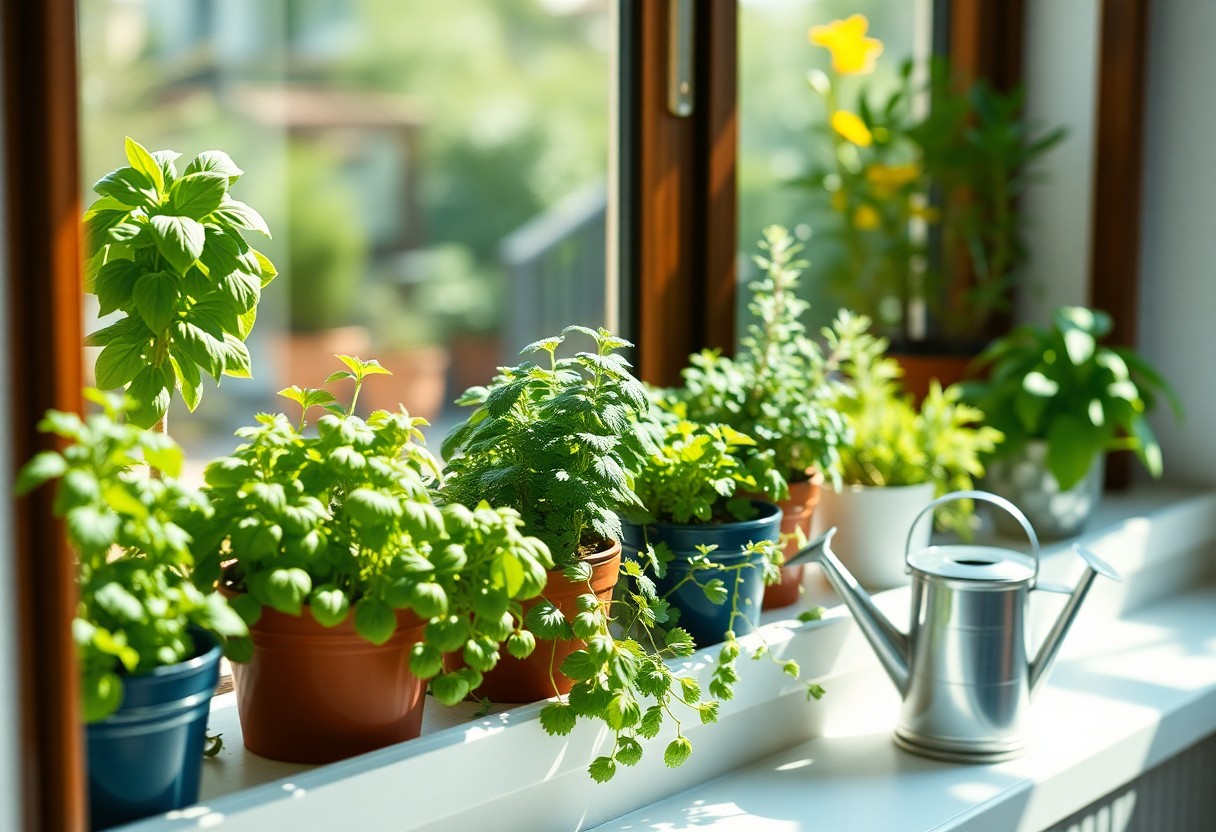
Just imagine the joy of having your own herb garden right on your windowsill! In this guide, you’ll learn everything you need to know about growing fresh herbs in the comfort of your home. Whether you’re a cooking enthusiast or new to gardening, this small space can yield a variety of delicious herbs like basil, mint, and parsley. With the right knowledge and care, you can elevate your culinary skills while enjoying the benefits of plants that not only beautify your space but also purify the air. Let’s get started on your herb-growing journey!
Types of Herbs for Windowsill Gardens
The types of herbs you can grow on your windowsill are vast and varied. Some of the most popular options include:
| Basil | Great for flavoring dishes, especially Italian cuisine. |
| Parsley | Used as a garnish and for enhancing flavors. |
| Cilantro | Commonly used in Mexican and Asian dishes. |
| Chives | Perfect for adding a mild onion flavor. |
| Mint | Refreshing flavor for teas and desserts. |
After you select your herbs, you’ll have fresh flavors at your fingertips!
Culinary Herbs
Herbs like basil, parsley, and chives are important in the kitchen, providing rich flavors for various recipes. Whether you’re preparing pasta dishes, salads, or sauces, incorporating these herbs can elevate your meals. Finding the right spot for them on your windowsill will ensure they thrive and remain accessible for your cooking adventures.
Medicinal Herbs
Herbs such as chamomile, peppermint, and ginger can offer various health benefits. These plants can be utilized to make soothing teas or remedies, enhancing your wellness routine. Keeping a few medicinal herbs in your windowsill garden gives you the opportunity to harness nature’s healing properties.
To maximize the benefits from your medicinal herbs, focus on growing chamomile for its calming effects, peppermint for digestive support, and ginger for its anti-inflammatory properties. These herbs can be easy to grow and are packed with health benefits, but be cautious with their consumption, as some individuals may experience allergic reactions or interactions with certain medications. Always consult with a healthcare professional before using them as substitute treatments.
Essential Factors for Successful Herb Growth
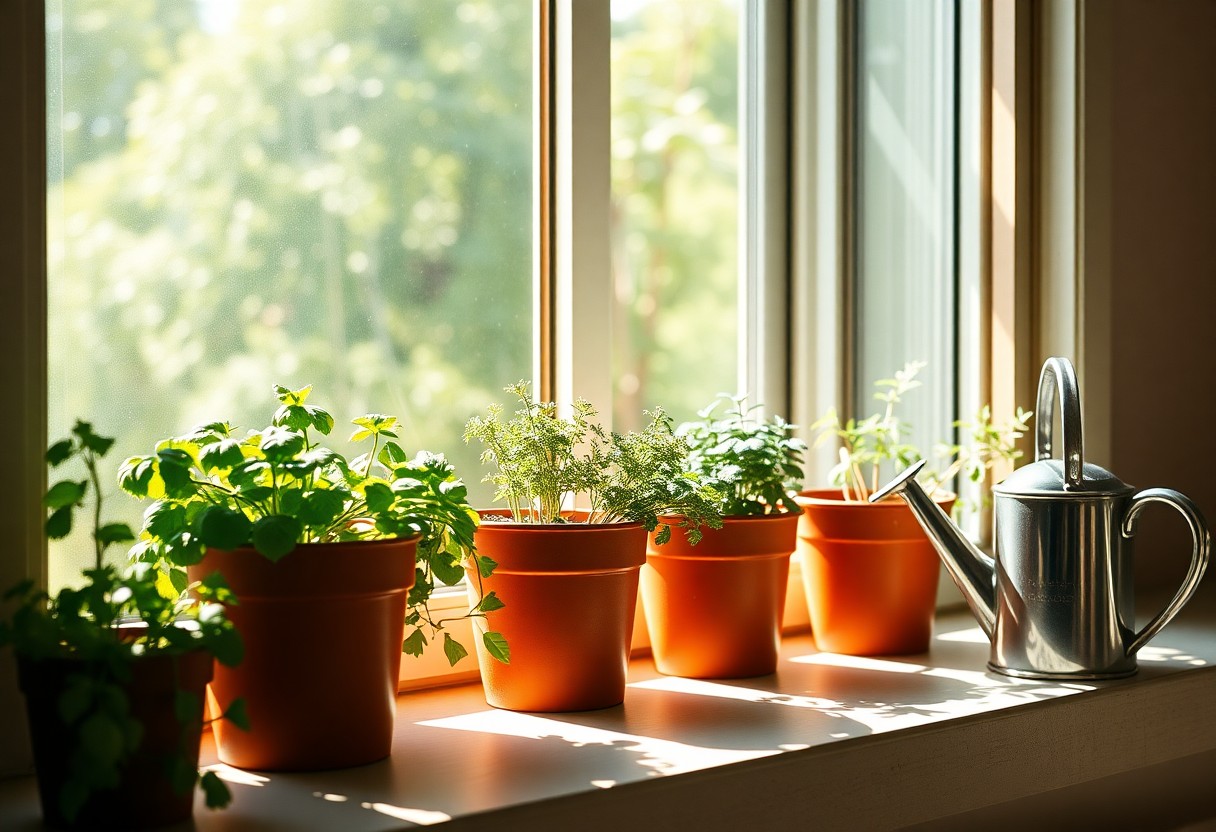
You need to focus on a few vital factors to ensure your herbs thrive. Start by considering:
- Light requirements
- Watering habits
- Soil quality
- Temperature
After you optimize these factors, you will create an ideal environment for your herbs to flourish.
Light Requirements
You should provide your herbs with plenty of natural light for optimal growth. Ideally, your windowsill should receive at least 6 hours of direct sunlight each day. If natural light is limited, consider using grow lights to supplement your herbs’ needs.
Water and Soil Considerations
Clearly, the right balance of water and soil is vital for healthy herbs. Overwatering can lead to root rot, while underwatering may cause wilting. Ensure you use a well-draining soil mix that retains enough moisture without becoming soggy.
Light, well-aerated soil is vital for your herbs to thrive. Use a mix that is rich in nutrients and adds organic matter to support the roots. Water your herbs only when the top inch of soil is dry to the touch, allowing the roots to breathe. Without this balance, you risk damaging your plants, compromising both health and growth potential.
Step-by-Step Guide to Starting Your Herb Garden
While starting your herb garden on a windowsill may seem daunting, following a simple step-by-step guide can make the process enjoyable and rewarding. Begin by choosing the right herbs, then select suitable containers, and finally plant and care for your herbs. This will ensure a vibrant and thriving herb garden right in your home.
| Step | Description |
| 1. Choose Your Herbs | Select herbs that you frequently use and are suitable for indoor growth. |
| 2. Choose Containers | Find containers that provide good drainage and complement your space. |
| 3. Planting and Caring for Herbs | Properly plant your herbs and follow care instructions for healthy growth. |
Choosing Containers
An appropriate container is important for your herb garden’s success. Select pots with drainage holes to prevent waterlogging and root rot. You can choose ceramic, terracotta, or even recycled containers as long as they meet drainage needs. Ensure they are large enough to allow your herbs to grow without crowding.
Planting and Caring for Herbs
Containers should be filled with a quality potting mix designed for herbs and vegetables. This will help retain moisture while allowing roots to breathe. Water your herbs when the top inch of soil feels dry, ensuring you don’t overwater. Fertilizing regularly with a diluted liquid fertilizer will help your herbs thrive. Pay attention to sunlight needs: most herbs require about 6-8 hours of light daily. Pruning your herbs encourages bushy growth and ensures the plants remain healthy.
This will help you cultivate a beautiful and productive herb garden on your windowsill. Keep in mind that consistent care is important for success. Turn your pots occasionally to ensure even sunlight exposure and monitor for any signs of pests or disease. Using organic pest control methods will keep your herbs healthy and safe for consumption. Enjoy the process of nurturing your herbs and reap the benefits of fresh flavors in your cooking!
Tips for Maintaining Your Windowsill Herb Garden
Once again, keeping your windowsill herb garden thriving requires consistent attention and care. Focus on these necessary aspects:
- Watering regularly but avoid overwatering
- Sunlight is vital; ensure they get 6-8 hours daily
- Pruning helps encourage growth
- Cleaning the leaves aids in photosynthesis
- Rotation of pots can ensure even sunlight exposure
Perceiving the subtle changes in your plants will guide you in maintaining a vibrant herb garden.
Fertilization and Nutrition
You can enhance your herb garden’s productivity by selecting the right fertilizers. Organic options, such as compost or fish emulsion, work well to provide the necessary nutrients. Fertilize your herbs every 4-6 weeks to promote healthy growth without overwhelming them.
Pest Management
Windowsill herbs can face pest challenges like aphids or spider mites. You should inspect your plants regularly for any signs of infestation. A simple homemade solution using water and mild soap can help repel pests without harming your herbs.
Tips for effective pest management include maintaining cleanliness in your herb garden, as debris can attract pests. Use neem oil as a natural insecticide to combat stubborn infestations, and introduce beneficial insects like ladybugs to your indoor garden when possible. Act quickly at the first sign of pests, as swift intervention can save your plants from serious damage. Understanding and managing pest challenges will keep your windowsill herb garden flourishing.
Pros and Cons of Windowsill Herb Gardening
For anyone considering a windowsill herb garden, it is important to weigh the advantages and disadvantages. Below is a comparison table that outlines the benefits and drawbacks of this gardening approach.
| Advantages | Disadvantages |
|---|---|
| Easy access to fresh herbs | Limited space for growth |
| Year-round availability | Potential for indoor pests |
| Improves air quality | Requires adequate sunlight |
| Enhances home aesthetics | May need frequent watering |
| Cost-effective | Soil and drainage issues |
Advantages
If you’re looking for an easy and enjoyable way to grow your own herbs, the advantages of windowsill gardening can be quite compelling. You’ll benefit from having fresh herbs at your fingertips for cooking, which can elevate your meals and save money. Plus, it’s a visually pleasing hobby that can improve your living space and even your indoor air quality.
Disadvantages
Disadvantages may arise as you begin on your windowsill herb gardening journey. The limited space in your home could restrict the size and number of herbs you can grow, which might hinder your gardening goals.
Another factor to consider is the need for careful monitoring of your herbs’ water requirements, as neglecting them could lead to drought stress or overly damp conditions inviting pests. Furthermore, adequate sunlight is vital, and insufficient exposure can lead to stunted growth. It’s crucial to choose the right herbs that fit well within your environmental constraints to ensure a successful gardening experience on your windowsill.
Common Mistakes to Avoid
Not paying attention to your herb garden can lead to common mistakes that hinder your plants’ growth. Ensure that you familiarize yourself with the needs of each herb, as neglecting even one aspect can significantly affect their health and flavor. By avoiding these pitfalls, you set yourself on the path to a thriving windowsill garden.
Overwatering and Underwatering
Avoid the temptation to constantly water your herbs; finding the right balance is key. Both overwatering and underwatering can lead to root rot or drying out, respectively. Always check the soil moisture before adding water to ensure your herbs are getting the care they need.
Improper Lighting
Lighting plays a significant role in the success of your herb garden. You need to ensure your herbs receive enough natural light by placing them near a south-facing window or using grow lights when necessary. Herbs like basil and parsley thrive with at least 6 to 8 hours of direct sunlight daily. If your herbs start to stretch or become leggy, it’s a clear sign they’re not getting enough light. Well-lit herbs will not only grow better but will also produce more aromatic and flavorful leaves.
Conclusion
Taking this into account, starting your herb garden on a windowsill can be a rewarding and fulfilling endeavor. By selecting the right herbs, providing proper care, and ensuring adequate sunlight, you can enjoy fresh herbs right in your kitchen. This beginner’s guide equips you with the important knowledge to nurture your plants successfully. Embrace your green thumb and enjoy the many culinary delights your urban herb garden will provide.