
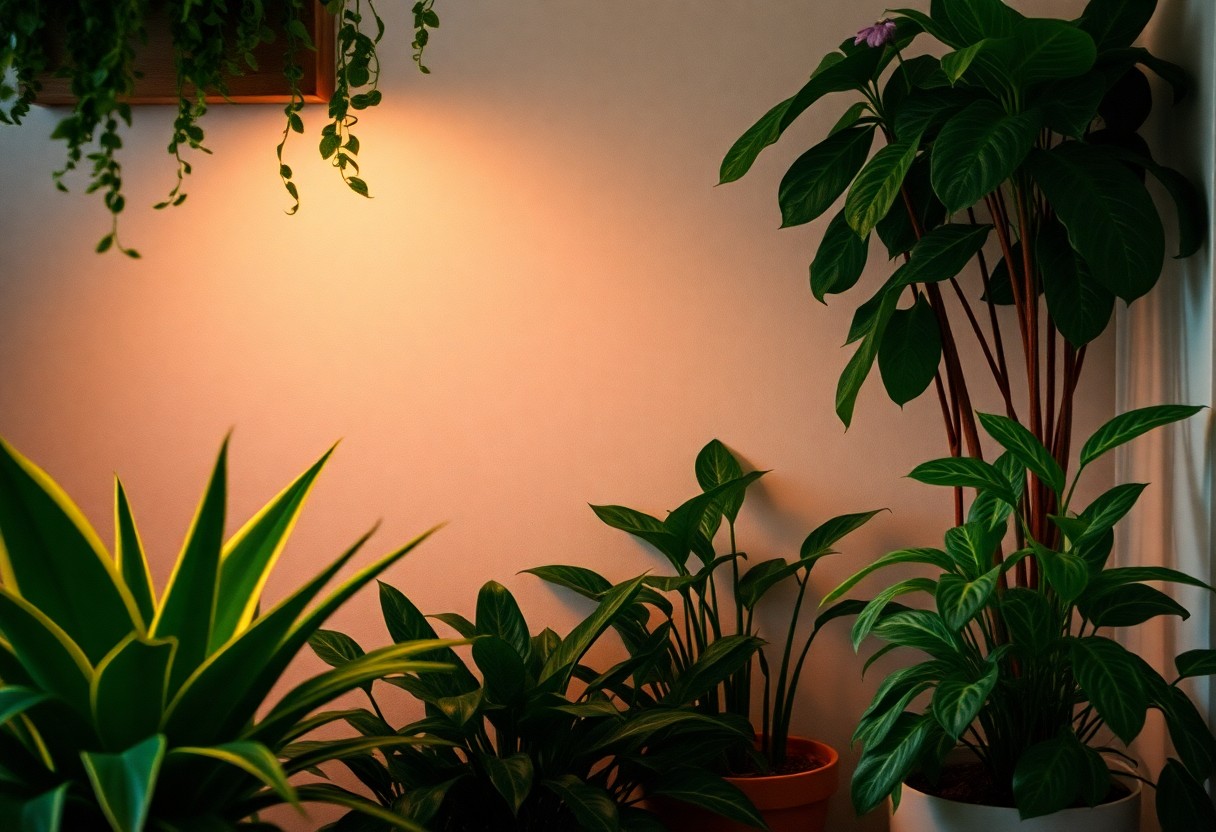
There’s no need to fear becoming a plant parent, even if you lack a green thumb! If your space struggles with low light, you can still enjoy vibrant greenery with low-light houseplants that are practically maintenance-free. This guide will introduce you to hardy options that thrive in dim environments, allowing you to cultivate a thriving indoor oasis without succumbing to anxiety over plant care. Say goodbye to the days of wilting leaves, and say hello to thriving houseplants that bring life and color to your home, no matter your experience level!
Benefits of Low-Light Houseplants
Adding low-light houseplants to your space can greatly enhance your well-being. These plants are perfect for beginners, as they require less maintenance and can thrive in environments with limited sunlight. Not only do they add a touch of nature to your home, but they also offer numerous advantages, from improving air quality to enhancing your interior design. By incorporating these hardy companions, you can create a serene oasis that promotes relaxation and rejuvenation.
Air Purification
Along with their aesthetic benefits, low-light houseplants play a significant role in air purification. They can remove harmful toxins from the air, including formaldehyde and benzene, creating a healthier living environment for you and your family. By simply having these plants in your home, you can increase the overall air quality, leading to a more refreshed and soothing atmosphere.
Aesthetic Appeal
Before deciding on houseplants, consider the aesthetic appeal they can bring to your space. Low-light plants come in various shapes, sizes, and colors, making it easy to find options that fit your personal style. Placing these plants throughout your home can create a vibrant yet tranquil environment, making any room feel more inviting and lively.
Consequently, low-light houseplants add not just greenery but also a sense of tranquility and warmth to your surroundings. Whether you’re incorporating a striking Snake Plant or a delicate Pothos, these plants can serve as stunning focal points or subtle accents in your decor. Their diverse foliage and textures can help you transform dull spaces into lively areas, allowing you to express your creativity while fostering a calming ambiance.
Choosing the Right Low-Light Houseplants
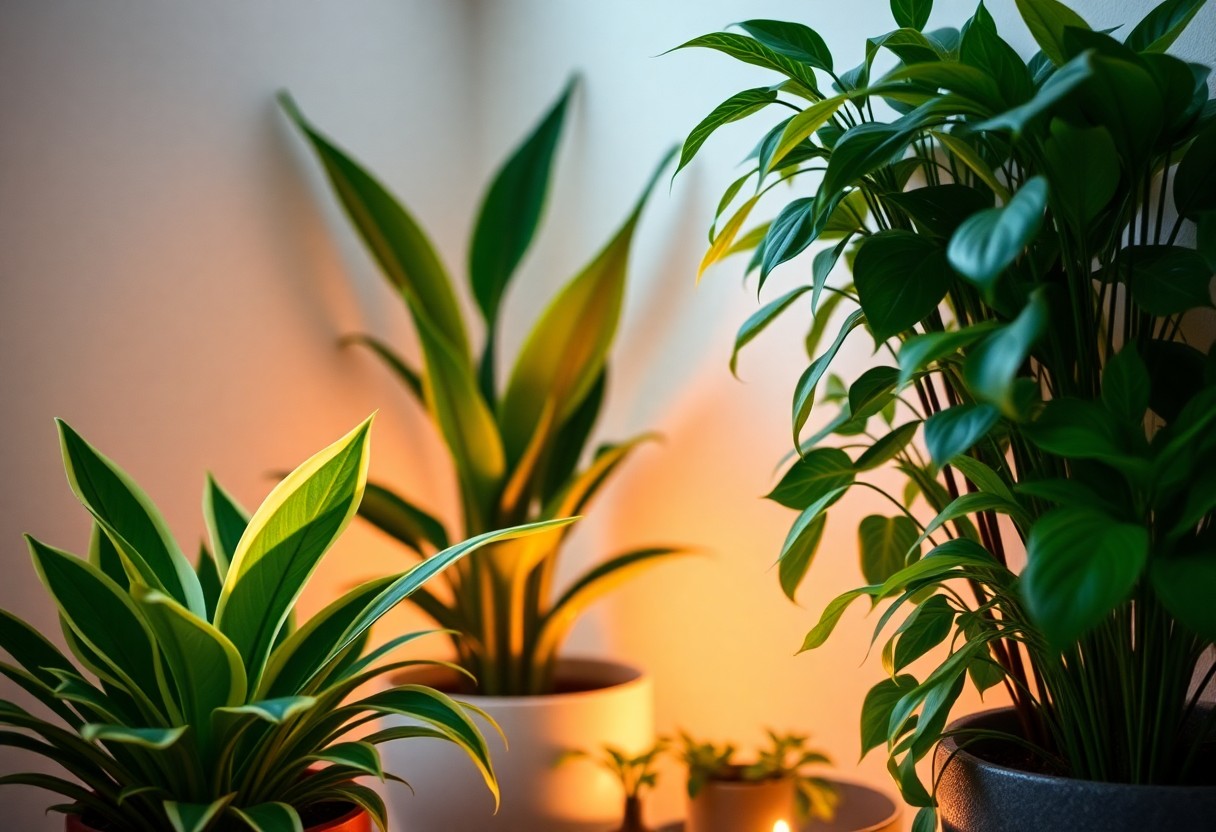
Now that you’re ready to welcome some greenery into your home, it’s imperative to choose the right low-light houseplants that suit your lifestyle and environment. Consider your available space, humidity levels, and how much time you can dedicate to plant care. Selecting plants that thrive in low-light conditions will ensure your success as you begin your indoor gardening journey.
Factors to Consider
An informed selection process involves understanding key factors that impact plant health. Focus on:
- Light levels – Evaluate the natural light in your home.
- Humidity – Consider your indoor moisture levels.
- Care requirements – Understand how much attention your plants need.
- Size – Ensure the plant fits well in your chosen space.
The right considerations will guide you to houseplants that can thrive in your home.
Popular Varieties
Against popular belief, you don’t need to have a green thumb to maintain healthy houseplants. Some varieties are exceptionally resilient and more likely to flourish in low-light settings, making them ideal for anyone new to plant care.
In fact, choosing low-light houseplants like the Snake Plant, Pothos, and ZZ Plant can transform your space effortlessly. The Snake Plant is known for its air-purifying abilities and hardiness, while Pothos allows for stunning trailing vines with minimal effort. The ZZ Plant, with its glossy leaves, thrives on neglect, making it a perfect choice for beginners. You can easily create a vibrant indoor jungle, ensuring your plants bring you the joy of greenery without the stress of constant upkeep.
Care Tips for Low-Light Houseplants
Assuming you’re new to the world of houseplants, keeping them healthy in low-light conditions can be a breeze with a few simple tips. Focus on:
- Correct placement away from harsh sunlight
- Regularly checking soil moisture
- Adequate airflow around your plants
- Periodic dusting of leaves for optimal photosynthesis
Perceiving these basic care guidelines will help ensure your plants thrive even in challenging lighting conditions.
Watering Guidelines
Against common belief, overwatering is a frequent issue with low-light houseplants. It’s crucial to always check the soil moisture before watering. Aim for a dry top inch before adding water to prevent root rot and promote better health.
Soil and Fertilization
Before planting, choose a high-quality, well-draining soil mix to provide your low-light houseplants with optimal nutrients. Organic blends or potting mixes enriched with perlite are great options.
Consequently, maintaining the right soil conditions is vital for your plant’s overall health. Ensure that the soil retains enough moisture while providing excellent drainage to avoid root rot. You should also consider fertilizing your plants during the growing season with a balanced liquid fertilizer to stimulate growth. However, avoid fertilizing in the dormant winter months to prevent stressing your plants. Healthy soil will provide the support your plants need without overwhelming them.
Troubleshooting Common Issues
After you’ve settled your low-light houseplants into their new environment, you may encounter some issues. These common problems can often be resolved with a little observation and adjustment. By addressing these concerns quickly, you can keep your plants thriving and ensure they add beauty to your space for years to come.
Signs of Overwatering
Troubleshooting overwatering is important for maintaining your plant’s health. If you notice yellowing leaves, wilting, or a soggy root system, these are telltale signs that your plant may be receiving too much water. Allow the soil to dry out before watering again, and consider adjusting your watering schedule based on your plant’s specific needs.
Light and Temperature Concerns
Concerns regarding light and temperature can significantly impact your plant’s well-being. It’s important to ensure your plants are receiving adequate, indirect light and are kept in a stable temperature range. Below is a table that outlines key factors to monitor:
| Factor | Recommendation |
| Light Requirements | Keep in low, indirect light |
| Ideal Temperature | 65°F to 75°F (18°C to 24°C) |
Indeed, your plants will flourish in the right conditions. Ensure they have access to indirect light and are not exposed to drafts or extreme temperatures. Adjusting their location in your home may create a more suitable environment, allowing your plants to thrive instead of struggle. Keep an eye out for changes in leaf color or growth patterns as they respond to light and temperature adjustments.
Propagating Low-Light Houseplants
Once again, the beauty of low-light houseplants extends beyond their survival skills; they can also be easily propagated. This not only allows you to expand your plant collection but also gives you a rewarding experience. Whether you’re sharing with friends or creating more greenery for your own space, propagating these resilient plants is both straightforward and engaging, making it perfect for beginners.
Methods of Propagation
On the journey of propagation, several methods can be employed to grow your low-light houseplants. You can choose between water propagation, where you place cuttings in water until roots develop, or soil propagation, where cuttings are planted directly into potting mix. Each method has its advantages; water propagation enables you to monitor root growth, while soil propagation promotes a stronger root system from the start.
Timing and Tools Needed
Below, you’ll need to consider the best timing and crucial tools for successful propagation. Starting in spring or early summer when the plant is in its active growth phase yields the most favorable results. Basic tools required include clean scissors or pruning shears, pots with drainage holes, and a suitable potting mix or water container.
Consequently, by timing your propagation right and using the appropriate tools, you can maximize your success. Use clean scissors to avoid infection while taking cuttings and choose pots that allow excess water to drain and prevent root rot. Keeping your cuttings in a warm, indirect light environment will support vigorous growth. With these simple guidelines, you are on your way to expanding your indoor garden without hassle.
Creating a Low-Light Planting Strategy
Many indoor gardeners find success by developing a strategic approach to low-light planting. Start by assessing your space and identifying areas that receive minimal natural light. Use this knowledge to select resilient houseplants that thrive in shade, ensuring your selections can endure and flourish despite the challenging lighting conditions. By designing a thoughtful planting strategy, you can create an inviting environment that supports plant growth without overwhelming your space.
Grouping Plants Effectively
Creating a sense of harmony in your indoor garden can be achieved by grouping your low-light plants together. When you position them close, they will not only share humidity but also benefit from the unique visual effects of a collective arrangement, making a statement in your home décor while ensuring they thrive.
Designing Your Space
Before you start placing your low-light plants, take a moment to visualize how you want your space to look. Incorporate a mix of heights and textures for added interest, and consider using decorative pots that complement your interior design. Strategically place plants on shelves or tabletops to maximize their visibility, while ensuring they receive the appropriate amount of indirect light and moisture. This will help create an inviting atmosphere, showcasing your plants and enhancing your overall living space.
This approach allows your low-light plants to create a focal point in your home while maintaining their health. By implementing various plant heights and selecting unique pots, you achieve visual diversity. Utilize shelves, tables, and window sills to capitalize on available space without putting your plants at risk. When designing your space, consider factors like airflow and accessibility for maintenance, ensuring your plants remain easy to care for while also looking their best.
Final Words
So, as you venture into the world of low-light houseplants, you can rest assured that even if you’re a beginner, there are plenty of resilient options to brighten your home. From the forgiving snake plant to the stunning pothos, these plants thrive in less-than-ideal light and are perfect companions for your indoor garden. With just a little care and attention, you can create a lush atmosphere that enhances your space without the stress of keeping them alive. Enjoy your new plant companions and watch them flourish in your care!