
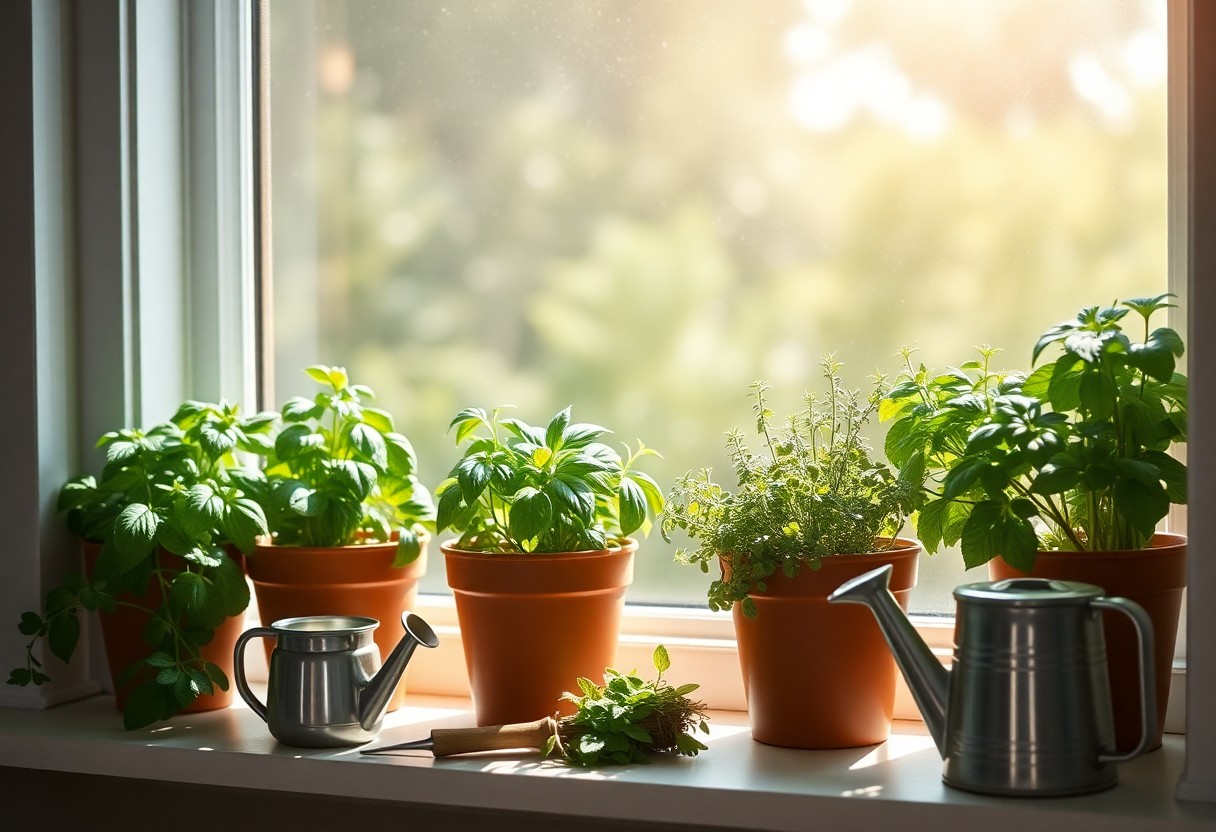
Most people think gardening requires a lot of space, but you can easily transform your windowsill into a thriving indoor herb garden. By choosing the right herbs and understanding their light and water needs, you can enjoy fresh herbs right in your kitchen without the hassle of outdoor gardening. This guide will help you select the best herbs to grow, provide imperative care tips, and highlight the abundance of flavors you can add to your meals. Get ready to elevate your culinary experience with homegrown goodness!
Choosing the Right Herbs
To create a thriving indoor herb garden, it’s important to choose herbs that suit your cooking preferences and environmental conditions. Consider factors such as the amount of sunlight your windowsill receives, temperature fluctuations, and the herbs’ growth habits. By selecting the right herbs, you can ensure a successful growing experience that enriches your culinary delights.
Best Herbs for Beginners
Between basil, parsley, and mint, beginners will find these herbs easy to grow and maintain. They require minimal care and are versatile in various dishes, making them the perfect choices for starting your indoor herb garden.
Herbs That Thrive Indoors
The best herbs that thrive indoors include herbs like chives, oregano, and thyme. These herbs not only adapt well to the limited light and space of a windowsill but also bring delightful flavors to your meals. They can flourish with just a bit of regular watering and occasional pruning.
Best of all, herbs like chives and oregano can tolerate lower light conditions, making them ideal for indoor gardens. They generally require minimal maintenance, allowing you to focus on enjoying the fresh ingredients in your kitchen. Furthermore, growing these herbs can not only enhance your culinary creations but also contribute to improved air quality in your home, promoting a healthier environment.
Selecting Containers and Soil
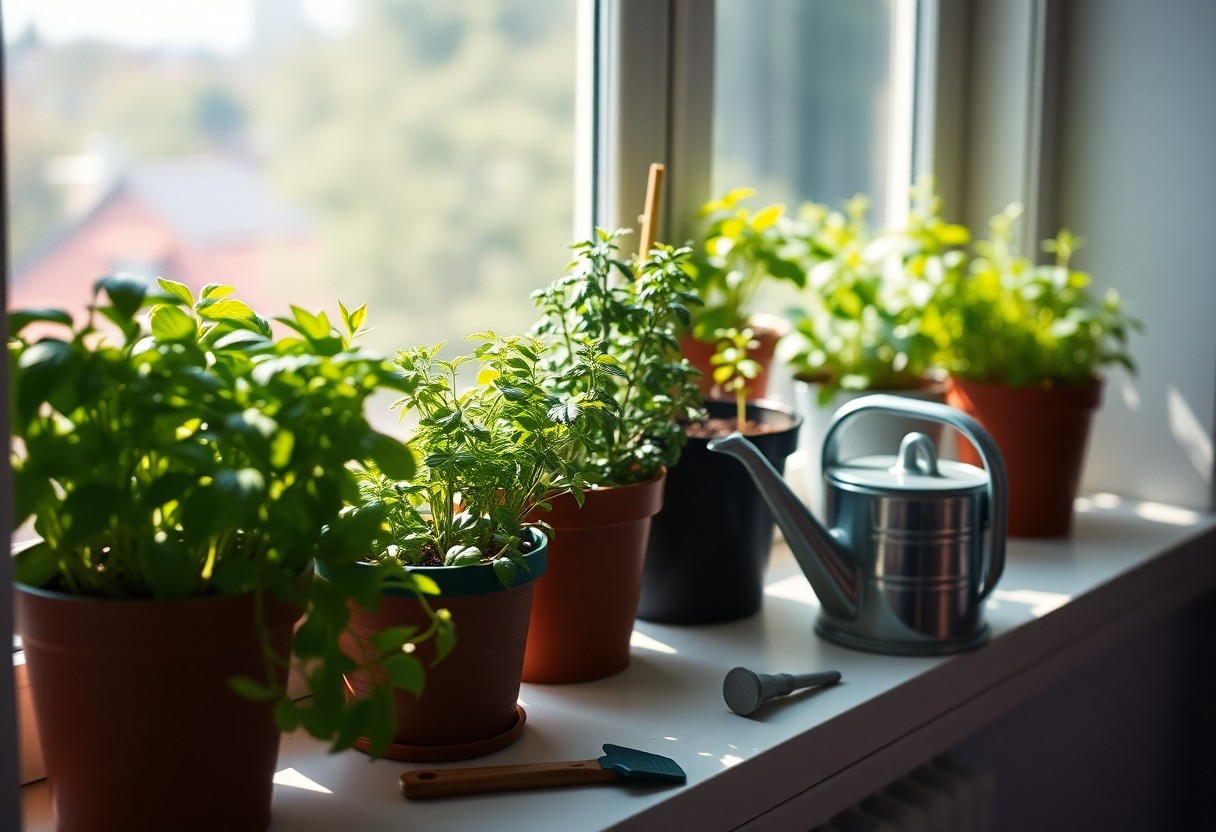
One of the key components of a successful indoor herb garden is choosing the right containers and soil. Your selected containers should have good drainage to prevent waterlogging, which can damage your herbs. Opt for materials that are lightweight and allow proper air circulation, ensuring a healthy environment for your plants.
Types of Containers
Types of containers available for your herb garden include:
| Plastic pots | Lightweight and affordable |
| Terracotta pots | Natural clay allows for moisture control |
| Hanging baskets | Great for saving space on your windowsill |
| Wooden planters | Eco-friendly and stylish option |
| Recycled containers | Creative and cost-effective solutions |
This selection allows you to find the perfect fit for your windowsill herb garden.
Choosing the Right Soil
Around your herbs’ roots, the right soil will provide necessary nutrients and support growth. Make sure to choose a soil that is well-draining and rich in organic matter, as this promotes healthy herb development. Look for potting mixes specifically designed for herbs, as they often have the perfect blend of ingredients.
Understanding the soil type is vital for your herb garden’s success. You should aim for a loamy soil that retains moisture but drains well. Adding perlite or vermiculite can improve drainage, while compost will add beneficial nutrients. Avoid using garden soil as it might contain pests or diseases that could harm your herbs. The quality of your soil directly impacts the growth and flavor of your herbs, so invest time in making informed choices for optimal results.
Lighting Considerations
It is imperative to understand the lighting needs of your indoor herb garden to ensure healthy growth. Herbs thrive in bright, indirect light, so positioning them near a south or west-facing windowsill can be ideal. However, if your space lacks natural sunlight, consider supplementing with grow lights to provide the necessary intensity and duration of light exposure for optimal growth.
Natural Light vs. Grow Lights
With proper natural light, your herbs can flourish beautifully. However, if your windowsill doesn’t receive enough sunlight, using grow lights can effectively fill that gap. These artificial lights mimic sunlight and can be adjustable in terms of intensity and spectrum, helping to promote photosynthesis in your plants.
Positioning Your Herbs
Light is a fundamental factor when positioning your herbs. Each type of herb has its own light requirements, and determining these needs is imperative for successful growth. Some herbs, like basil and parsley, prefer about 6-8 hours of bright light daily, while others may thrive in moderate conditions. Keeping your herbs rotated, so each one gets equal light exposure, helps prevent any potential issues, ensuring that all your plants receive enough energy to grow robustly.
Understanding the optimal placement of your herbs not only elevates their growth but also maximizes their yield. Be mindful that too much direct sunlight can be detrimental, leading to scorched leaves, while insufficient light may result in leggy plants that stretch towards the light source. By observing your herbs daily, you can adjust their position to strike the perfect balance, ensuring your indoor garden remains vibrant and healthy throughout the seasons.
Watering and Maintenance
Once again, the key to a thriving indoor herb garden lies in consistent moisture and proper care. Regularly check your herbs for dryness; the soil should be kept lightly moist but never soggy. Use a pot with good drainage to prevent root rot, and consider the humidity levels in your home to ensure your herbs thrive. Adjust your watering routine based on seasonal changes and the specific needs of each herb variety.
Watering Schedule
Around every 1 to 2 weeks, you should check the moisture level of your soil. Press your finger into the soil; if it feels dry up to an inch deep, it’s time to water. During warmer months, your herbs may need more frequent watering, so be attentive and adjust accordingly. Make sure to water in the morning or evening to avoid evaporation during the hottest part of the day.
Fertilizing Your Indoor Garden
About every 4 to 6 weeks, you will want to fertilize your herbs to promote healthy growth. Use a balanced, water-soluble fertilizer diluted to half strength to avoid overwhelming your plants. Apply the fertilizer during your regular watering schedule to help the herbs absorb nutrients more effectively.
And as your indoor herb garden grows, you’ll find that consistent fertilization helps to boost flavor and encourage lush foliage. Be cautious with the amount and type of fertilizer to avoid nutrient burn, which can harm your plants. Look for organic options to keep your herbs safe for consumption, and always follow the recommended guidelines on the product you choose. With the right approach, your indoor garden can flourish and provide you with fresh herbs year-round.
Pests and Diseases
Keep a watchful eye on your indoor herb garden, as pests and diseases can quickly undermine your efforts. Ensuring a healthy environment for your herbs is vital in preventing infestations and maintaining their vitality. Regularly inspecting your plants allows you to catch any issues early, providing your herbs with the best chance at thriving.
Common Indoor Pests
Common pests that can invade your indoor herb garden include aphids, spider mites, and whiteflies. These tiny insects can cause significant damage to your plants by sucking out their sap and leaving them weakened. Be vigilant in checking your herbs for these pests, as early detection can prevent further damage.
How to Prevent and Treat Issues
Between proper care and quick treatment, you can minimize pests and diseases in your herb garden. Regularly cleaning your herbs and maintaining good airflow can deter many pests. If an infestation occurs, employing natural remedies like neem oil or insecticidal soap can effectively address the problem without harming your plants.
Consequently, you should adopt a proactive approach to safeguard your indoor herb garden. Frequent observation of your plants and maintaining a clean environment will create a less inviting habitat for pests. If you encounter issues, immediately utilize natural treatments that won’t harm your herbs, such as neem oil or homemade insecticidal soap. Additionally, consider introducing beneficial insects like ladybugs to help keep pest levels in check. By prioritizing these practices, you can cultivate healthy herbs that flourish on your windowsill.
Harvesting and Using Your Herbs
Despite the careful nurturing of your indoor herb garden, the real joy comes when it’s time to harvest and use your herbs. Harvesting not only encourages new growth but also allows you to enjoy the fresh flavors that your herbs bring to your meals. Whether you’re flavoring a dish or brewing a herbal tea, your windowsill herbs can elevate your culinary experience significantly.
Best Practices for Harvesting
Below are some best practices for harvesting your herbs effectively. Always use clean, sharp scissors or shears to snip stems, taking care to remove only what you need, which promotes healthy regrowth. Harvest in the morning after the dew has dried for the best flavor. Avoid taking more than one-third of the plant at a time to ensure its longevity and vitality.
Culinary Uses for Homegrown Herbs
After you’ve successfully harvested your herbs, the culinary possibilities are endless! Your fresh herbs can enhance the flavor of numerous dishes, from salads to soups, marinades, and even desserts. Pair basil with tomatoes for a classic salad, or use rosemary to season roasted vegetables. Your unique, homegrown ingredients will make your meals stand out.
Using your fresh herbs in cooking not only elevates flavor, but also adds nutritional benefits to your meals. Fresh herbs provide an array of antioxidants and vitamins, contributing positively to your health. Incorporate them into your favorite recipes or create a herb-infused oil for dressings. Just be mindful of their strong flavors; a little goes a long way, and careful balance in seasoning will lead to delightful culinary creations.
Conclusion
Conclusively, starting an indoor herb garden on your windowsill is an accessible and rewarding venture that enhances your culinary experiences and livens up your space. By choosing the right herbs, utilizing suitable containers, and providing proper care, you can enjoy fresh ingredients at your fingertips. This green project not only supports a sustainable lifestyle but also brings enjoyment to your home. So, gather your supplies and watch your tiny garden flourish as you nurture it with love and patience.