

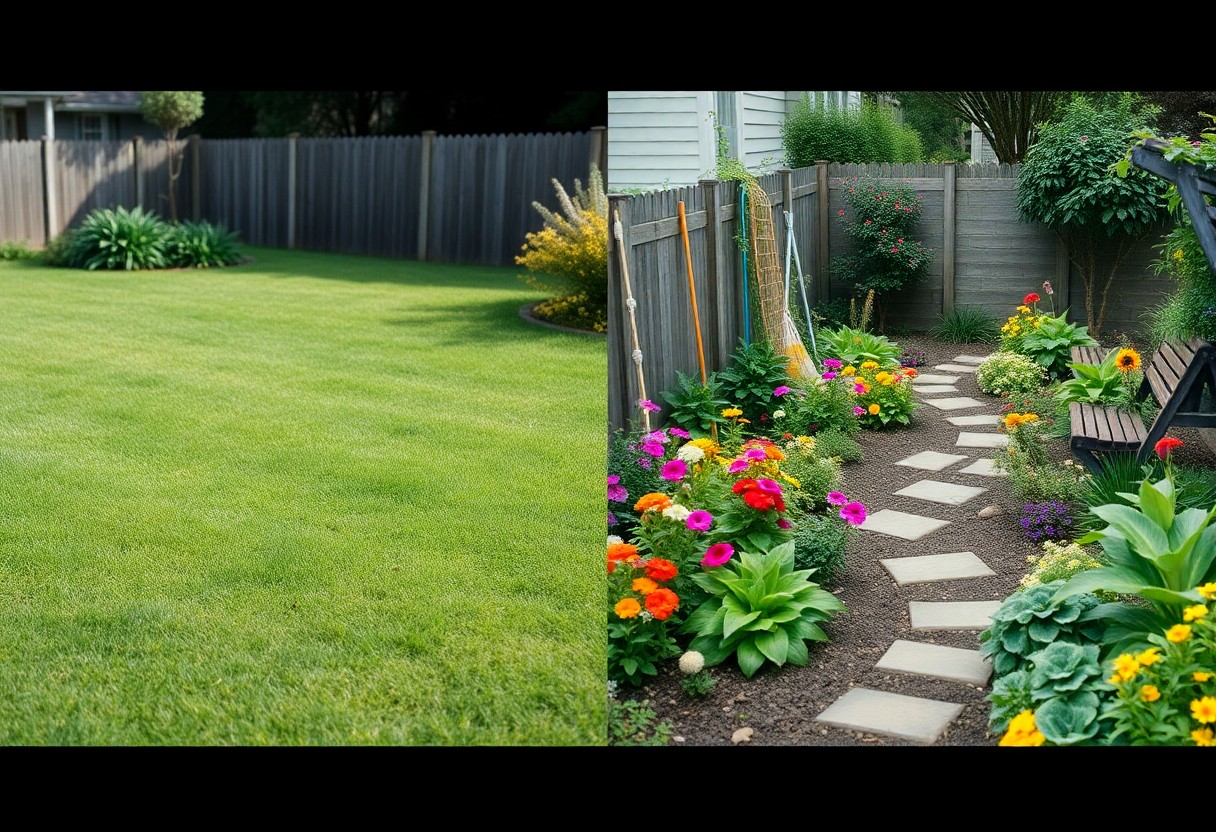
Transformation is at your fingertips when you decide to convert your bland lawn into a thriving garden oasis in just 30 days. This process not only enhances the aesthetic appeal of your outdoor space but also creates a vital habitat for local wildlife. You’ll learn how to carefully replace monotonous grass with vibrant plants, ensuring optimal soil quality and effective watering techniques to foster healthy growth. By following this guide, you’ll uncover the imperative steps to achieve a lush, inviting garden that you can enjoy for years to come.
Planning Your Garden
To create a stunning garden, a well-thought-out plan is necessary. Start by envisioning the type of garden you want and how you’ll utilize your space. Consider the aesthetic and functional aspects—do you want a vegetable patch, flower beds, or both? Additionally, think about maintenance requirements and the overall look you want to achieve. Outline your vision in advance to ensure a smooth transformation process.
Assessing Your Space
Your garden’s success begins with a thorough assessment of your space. Evaluate the amount of sunlight each area receives, the type of soil, and any existing landscape features. Measure the dimensions to determine how much room you have for planting. Pay attention to drainage patterns and any obstacles that may affect your design. Understanding these elements will guide you in making informed decisions throughout your garden project.
Choosing the Right Plants
For a thriving garden, selecting the appropriate plants is vital. Consider your climate, soil quality, and available sunlight when making your choices. Opt for plants that are well-suited for your environment and compatible with one another. Mixing perennials with annuals can provide year-round interest, while incorporating native plants can support local wildlife. Always prioritize selections that fit your personal taste and desired maintenance level.
Planning your plant selection well is key to creating a resilient and beautiful garden. Start by researching hardiness zones to ensure that your plants can thrive in your climate. Look for native plants, which are often more robust and can attract local wildlife, enhancing biodiversity. Additionally, think about your garden’s purpose—do you want vibrant flowers, edible veggies, or perhaps fragrant herbs? By wisely choosing plants that thrive together and complement each other, you can create a harmonious and flourishing backyard space.
Preparing the Ground
Even though transforming your backyard may seem daunting, proper preparation is the key to achieving a lush garden. Start by evaluating your yard and deciding which areas will be dedicated to garden beds, pathways, and other features. Ensure you have the right tools and materials on hand to make the transition as smooth as possible. This stage sets your garden up for success, allowing you to transform the space efficiently and effectively.
Removing Existing Grass
An necessary first step in your transformation involves eliminating the existing grass. You can do this either by using a shovel to manually dig it out or employing a sod cutter for larger areas. Whichever method you choose, ensure that you remove the grass down to the roots to prevent regrowth. This will provide you with a clean slate to work with, making it easier to establish your new garden.
Soil Improvement Techniques
Grass is often a nutrient thief, leaving your soil depleted. To rejuvenate your soil, you’ll need to incorporate organic matter, such as compost or well-rotted manure, which adds necessary nutrients and improves overall soil structure. Use a soil test kit to assess pH levels and nutrient deficiencies, allowing you to amend the soil appropriately with minerals like lime or sulfur if necessary. Your plants will thrive in nutrient-rich soil, promoting healthy growth.
Another effective method for improving soil quality is to practice crop rotation and introduce cover crops. By rotating different plants in your garden, you reduce the risk of pest infestations and promote a diverse ecosystem. Additionally, incorporating cover crops can enrich the soil when turned under before planting your main crops. Follow these methods to ensure your soil is not only fertile but also sustainable, leading to bountiful gardening results.
Designing Your Garden Layout
One of the most exciting steps in your backyard transformation is designing the garden layout. This is where your creativity can shine, allowing you to shape your outdoor space to reflect your personal style, preferences, and the needs of your family. Consider the dimensions of your yard, the amount of sunlight each area receives, and how you envision using the space. Take time to sketch out various configurations to find the one that feels just right for you.
Garden Design Principles
Along with your creative vision, it’s imperative to follow some basic garden design principles. Focus on balance, harmony, and proportion when placing plants, hardscapes, and features. Consider using a focal point, such as a beautiful tree or sculpture, to draw the eye into your garden. Layering different plant heights and textures will add depth, while symmetry can create a more organized and peaceful environment. These principles will ensure that your garden is both aesthetically pleasing and functional.
Incorporating Pathways and Features
Principles of good design apply equally to pathways and features in your garden as they enhance both accessibility and visual appeal. By integrating paths, you can create a clear flow through your outdoor space while leading visitors to important areas like seating, water features, or vegetable patches. At the same time, adding elements such as benches, trellises, or decorative stones not only improves the usability of your garden but also adds character and charm, turning your garden into a personal oasis that reflects your unique vision.
Planting Your Garden
Keep in mind that planting your garden is an exciting and rewarding stage of your transformation. Start by choosing a mix of annuals and perennials that will flourish in your local climate. Prepare your soil properly and understand the spacing needed for each plant to thrive, ensuring you create a vibrant space that encourages growth and beauty.
Timing and Techniques
Your garden’s success largely depends on the optimal planting time and the right techniques. Aim to plant in early spring or fall for best results. Use appropriate spacing for each plant, and consider companion planting to maximize growth and deter pests, allowing your garden to flourish.
Watering and Maintenance Tips
One of the most important aspects of your garden’s health lies in watering and maintenance. Regularly check soil moisture levels and water deeply but infrequently, encouraging robust root systems. Establishing a maintenance routine will help your garden remain in top shape.
- Watering frequency and depth
- Soil health management
- Pest control techniques
- Fertilization schedule
- Weeding practices
To maintain a vibrant garden, you should establish a balanced approach to watering and maintenance. This includes keeping the soil consistently moist but not soggy, ensuring plants receive adequate nutrients through organic fertilizers, and promptly addressing any signs of pests or diseases. Quick interventions can save your plants from serious damage or loss.
- Watering schedule
- Weed management
- Mulching benefits
- Pest inspection
Knowing when and how to maintain your garden will enhance its health and productivity.
Maintaining Your Garden
Once again, your commitment to maintaining your garden will determine its success. Regular care ensures that your plants thrive and your backyard remains vibrant. Schedule time each week for tasks like watering, fertilizing, and pruning. Stay vigilant for signs of pests or diseases, and don’t hesitate to adjust your strategies as seasons change. A well-tended garden will reward you with beauty and bountiful harvests.
Weed Control Strategies
Any gardener will tell you that weeds can quickly become a major issue. To keep your garden thriving, implement a few effective weed control strategies. Regularly mulch your garden beds to prevent weeds from establishing. Hand-pulling works well for smaller infestations, while using fabric landscaping or organic herbicides can help manage larger areas. Consistency is key for a weed-free environment!
Seasonal Care and Feeding
Against the changing seasons, it’s vital to adjust your garden’s care regime. Each season presents unique challenges as well as opportunities for growth and sustenance. Tailor your fertilization techniques to correspond with your plants’ needs—spring typically requires more nitrogen, while autumn benefits from potassium-rich fertilizers. Additionally, be sure to seasonally rotate your crops to maintain soil health and fertility.
In addition, consistent watering based on the season is imperative to help your garden thrive. During warmer months, consider a drip irrigation system to ensure your plants receive adequate moisture without over-watering. As temperatures drop, reduce your watering frequency. Finally, don’t overlook the importance of planting seasonal crops; they can be a wonderful way to enhance biodiversity and, when timed well, can even yield a more substantial harvest.
Troubleshooting Common Issues
Despite your best efforts, you may encounter some challenges during your backyard transformation. Common issues such as pests, diseases, and environmental factors can hinder your garden’s growth. By identifying the root causes and applying effective solutions, you can ensure your garden thrives. Always keep an eye out for early signs of trouble, and don’t hesitate to consult resources or seek expert advice when needed.
Pests and Diseases
Below are some common pests and diseases that can affect your garden. Watch for signs of aphids, caterpillars, or fungal infections. Implement organic pest control methods and choose disease-resistant plant varieties to minimize risks. Regular inspections and prompt action will help keep your garden healthy and vibrant.
Environmental Challenges
Above all, be prepared to tackle various environmental challenges including poor soil quality, inadequate sunlight, and extreme weather conditions. These factors can significantly impact plant health and growth.
But, with a bit of planning and effort, you can mitigate these challenges effectively. Improve soil composition by adding organic matter, such as compost, which boosts nutrient availability and improves drainage. When opting for your plants, consider sunlight requirements and opt for varieties that thrive in your region’s climate. Additionally, providing appropriate protection against harsh weather can safeguard your garden and enhance its resilience, ensuring a more successful transformation.
Summing up
Upon reflecting on your journey of transforming your backyard from grass to garden in just 30 days, you can take pride in the effort and creativity you’ve invested. Your new garden not only enhances the aesthetic appeal of your outdoor space but also contributes to biodiversity and offers a sustainable source of fresh produce. Embrace the growth you’ve fostered, and continue to nurture your garden as it becomes a thriving ecosystem. This transformation has the potential to rejuvenate not only your backyard but also your connection with nature and community.