

Planting strategically by incorporating companion plants can transform your garden into a thriving ecosystem that maximizes your vegetable yields. You’ll discover how certain plants work symbiotically to enhance growth, deter pests, and improve soil health, making your efforts more productive and rewarding. By understanding the secrets of companion planting, you can create a diverse garden that not only flourishes but also supports biodiversity. Join us as we explore effective pairings that can elevate your gardening experience and ensure bountiful harvests!
The Basics of Companion Planting
To succeed in the art of gardening, it’s imperative to understand the principles of companion planting. This practice involves strategically placing different plants close to one another to enhance growth, deter pests, or maximize space in your garden. By learning how various plants interact, you can create a thriving ecosystem that boosts your veggie yields while minimizing the need for synthetic fertilizers and pesticides.
What is Companion Planting?
Between the diverse plant species you can grow, companion planting refers to the practice of pairing specific plants together to improve overall health and yields. This technique takes advantage of beneficial interactions, such as one plant repelling pests that threaten another or one species boosting the nutrient content in the soil for its neighbor. By understanding how plants support each other, you’ll be well-equipped to create a productive garden.
Historical Perspectives and Traditional Practices
On a global scale, cultures have embraced companion planting for centuries due to its positive effects on crop yields and soil health. This time-tested method was notably used by Indigenous peoples in North America, who cultivated the “Three Sisters”—corn, beans, and squash—together to harness their symbiotic relationships while also benefiting from complementary growth habits. Across different regions, various traditional techniques have emerged, showcasing the importance of understanding plant relationships in agricultural practices.
Planting techniques rooted in history have provided valuable insights into the relationships among plants. Cultures around the world have recognized that certain combinations can amplify growth, yield, and resilience against pests. For instance, using herbs like basil or marigold alongside vegetables is believed to deter harmful insects while attracting beneficial ones. The blending of these plants not only fosters a healthy environment for growth but also enhances rich biodiversity in your garden, ultimately leading to a more sustainable and abundant harvest.
Key Companion Planting Principles
The success of companion planting lies in understanding the key principles that guide these beneficial relationships between plants. By leveraging natural plant interactions, you can enhance your vegetable yields, improve pest control, and promote healthier growth. This involves selecting compatible plants that synergize with each other, optimizing their growth potential in your garden. With the right combinations, your vegetable patch can thrive, providing you with a bountiful harvest.
Beneficial Plant Relationships
Beneficial relationships among plants can significantly enhance your garden’s productivity. Certain plants attract pollinators or beneficial insects, while others deter pests. For example, planting marigolds with your vegetables can repel nematodes and aphids, allowing your crops to flourish. Understanding these interactions will help you create a harmonious garden ecosystem.
Planting Patterns and Strategies
At the heart of successful companion planting is employing smart planting patterns and strategies. By grouping compatible plants closely, you can maximize space, improve resource sharing, and boost overall yields. Implementing companion planting in rows or blocks can also encourage natural pest control and nutrient cycling, ensuring your crops thrive.
Plus, utilizing strategic planting patterns allows you to take advantage of microclimates and maximize sunlight exposure for all your crops. By interplanting taller plants with shorter ones, you can ensure optimal light penetration while conserving soil moisture. Also, consider rotating your companions yearly to prevent pest and disease buildup. Adopting these planting strategies will not only elevate the productivity of your garden but also create a more resilient growing system.
Top Companion Plant Pairings for Vegetables
If you’re looking to maximize your vegetable yields, understanding companion plant pairings is necessary. Certain plants can thrive together, providing mutual benefits such as pest control, nutrient enhancement, and increased pollination. For example, pairing tomatoes with basil not only boosts flavor but can also help in repelling pests. Similarly, planting carrots alongside onions can minimize pest infestations, ensuring your veggies flourish together.
Herbs and Vegetables
Beside enhancing the flavor of your dishes, herbs like parsley and cilantro can provide protection to your vegetable crops. They attract beneficial insects, which can help in pollination and pest management. Moreover, these herbs can improve the overall health of your garden, promoting diverse growth while making your plants more resilient to disease.
Flowers and Vegetables
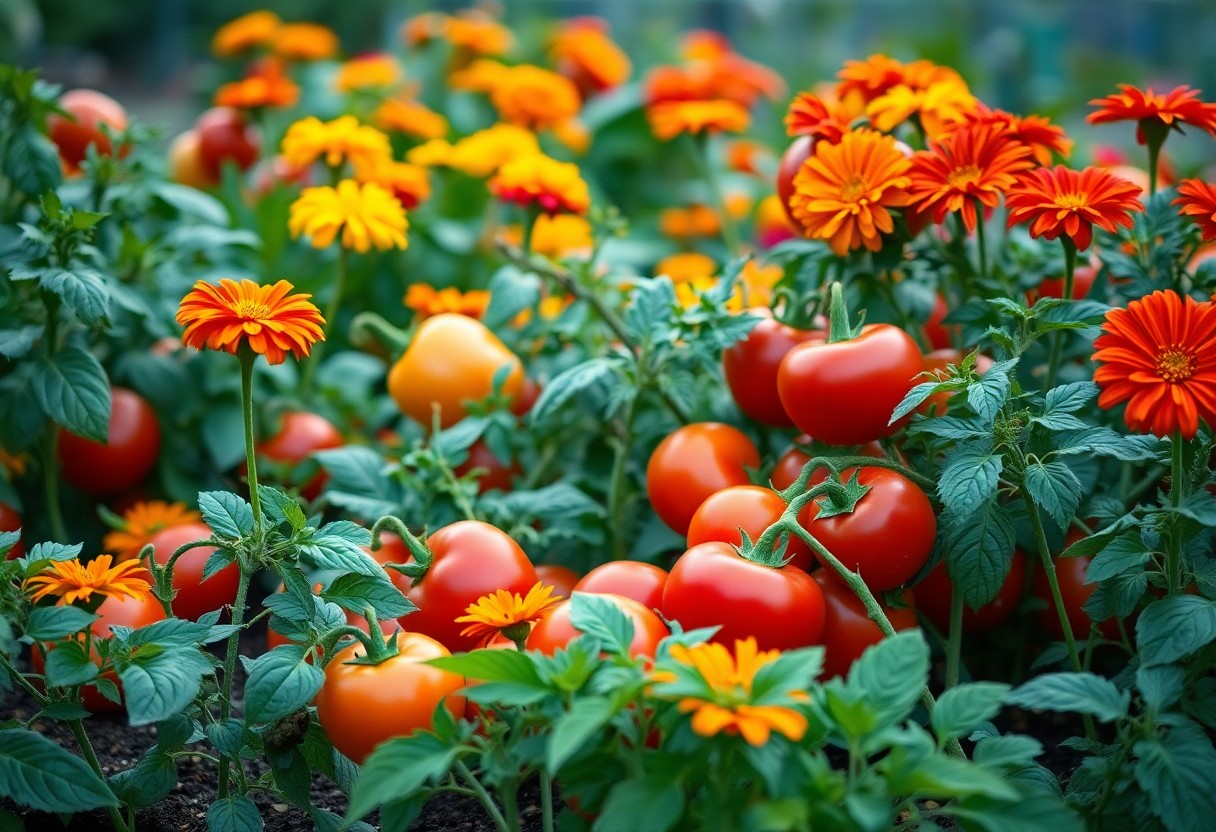
After exploring herbs, consider incorporating flowers into your vegetable garden. Many flowers, such as marigolds and nasturtiums, can effectively deter harmful pests while attracting beneficial insects. With marigolds, for instance, their scent can repel nematodes and aphids, leading to a healthier garden ecosystem. Additionally, nasturtiums can act as a trap crop, drawing aphids away from your prized vegetables. These vibrant blooms not only beautify your garden but also work tirelessly to protect your vegetables.
Avoiding Toxic Relationships
All plants have their unique preferences, and understanding these can significantly improve your veggie yields. When you pair certain plants that thrive together, you not only enhance growth but also protect your garden from pests. Avoiding toxic relationships among plants is key to a successful garden, ensuring that each one can flourish without competing too much for nutrients and space.
Plants to Keep Apart
Along with nurturing companion plants, it’s vital to identify those that may hinder each other’s growth. Some notorious examples include keeping members of the cabbage family away from strawberries and tomatoes, which can lead to stunted growth and poor yields. Research the specific relationships of your chosen vegetables to avoid these pitfalls for a thriving garden.
Signs of Negative Interactions
Across your garden, you may notice signs of negative interactions between plants. These may include poor growth, yellowing leaves, and increased pest infestations. If one plant appears to be wilting while others thrive, it can indicate they are not compatible. Observing and addressing these issues promptly can prevent further damage to your crops.
Indeed, the signs of negative interactions are often your first clue that something is amiss in your garden. Look for stunted growth, as this may indicate that your plants are competing for resources. Additionally, yellowing leaves can signal distress and nutrient deficiencies. Lastly, be vigilant for increased pest activity, which suggests that plant relationships are unbalanced. By staying observant and proactive, you can foster a healthier garden ecosystem.
Enhancing Soil Health Through Companion Plants
Now, you can improve your garden’s overall health and productivity by using companion plants strategically. These plants not only support each other in growth but also enhance the soil’s quality, leading to stronger, more resilient vegetables. By selecting the right companions, you can create a thriving ecosystem that naturally boosts soil health, promotes beneficial microorganisms, and reduces the need for artificial fertilizers.
Nitrogen Fixation
The presence of certain plants, like legumes, in your garden can significantly benefit your soil through the process of nitrogen fixation. When you plant these nitrogen-fixing species alongside your veggies, they convert atmospheric nitrogen into a usable form that enriches the soil, leading to increased nutrients for your crops.
Improving Soil Structure and Fertility
Beside nitrogen fixation, companion planting contributes to better soil structure and fertility by promoting a diverse ecosystem. Plants like clover and vetch have extensive root systems that aerate the soil, improving drainage and preventing compaction. This not only enhances root development for your vegetables but also encourages beneficial organisms that help break down organic matter into vital nutrients.
Through the diversity of companion plants, your garden benefits from a richer soil ecosystem. The interactions between plants enhance microbial activity, which boosts the breakdown of organic matter, leading to increased fertility. Additionally, by planting crops with different root depths, you can effectively utilize various nutrient layers in the soil. This holistic approach not only fosters a healthier garden but also reduces the risk of soil erosion, ensuring that your vegetables can thrive even in challenging conditions.
Companion Planting in Different Climates
After understanding the basics of companion planting, you need to consider how different climates can impact your vegetable yields. Adjusting your planting strategies based on your local weather conditions can maximize the benefits of companion planting. For example, in warmer climates, you may find that drought-resistant plants perform exceptionally well alongside your staple crops, while cooler regions might benefit from combinations that organically increase soil temperature.
Adjusting Strategies for Seasonal Changes
After identifying your climate zone, you can tailor your companion planting methods to align with seasonal changes. For instance, when planting in early spring, you can pair cool-season crops like lettuce with fast-growing radishes to optimize space and maintain soil health through strategic cover.
Regional Considerations and Examples
Any gardener can benefit from recognizing specific regional characteristics that influence which plants thrive together. By observing local flora, you can discover the best companion pairs unique to your environment.
Indeed, regions have unique ecosystems that greatly influence the success of companion planting. For instance, in the Southeastern United States, you can successfully grow tomatoes alongside basil to enhance flavors and reduce pests. Conversely, in arid areas, planting cacti with succulents can optimize water usage and minimize disease spread. By utilizing local knowledge and choosing plants that naturally assist each other, you will not only improve your vegetable yields but also create a more sustainable garden environment.
Final Words
Conclusively, understanding companion planting secrets can significantly enhance your vegetable yields and promote a healthier garden. By strategically pairing plants that support each other’s growth, you can maximize your space and resources while naturally deterring pests. As you experiment with these tried-and-true combinations, you’ll discover which partnerships work best for your unique garden environment. Embrace these techniques, and watch your garden flourish as you cultivate a thriving ecosystem that benefits both your plants and your harvest.