

You can transform your backyard into a thriving veggie garden filled with fresh, nutritious produce. By following this guide, you will learn imperative tips for selecting the right plants, creating suitable soil conditions, and maintaining your garden throughout the growing season. Not only will you enjoy the taste of homegrown vegetables, but you’ll also gain the satisfaction of cultivating your own food, promoting sustainability, and saving money on groceries. Dive into the world of gardening, and discover how easy it is to grow your groceries right at home!
Types of Backyard Veggie Gardens
Your journey into vegetable gardening can take many forms. You can choose from various types that best suit your space, climate, and gardening knowledge. Here are some popular options:
| Traditional Row Gardening | Classic method for growing crops in long rows. |
| Raised Bed Gardening | Elevated garden beds to enhance growing conditions. |
| Container Gardening | Utilizing pots and containers for small spaces. |
| Vertical Gardening | Maximizing space by growing upwards. |
| Square Foot Gardening | Intensive planting in small, divided sections. |
This overview helps you choose the right one for your garden adventure.
Traditional Row Gardening
Gardens using the traditional row method involve planting crops in long, straight lines across your garden plot. This approach allows for excellent accessibility and organization while also providing ample space for growth and sun exposure. However, this method requires regular weeding and soil maintenance to maximize your crop yield and health.
Raised Bed Gardening
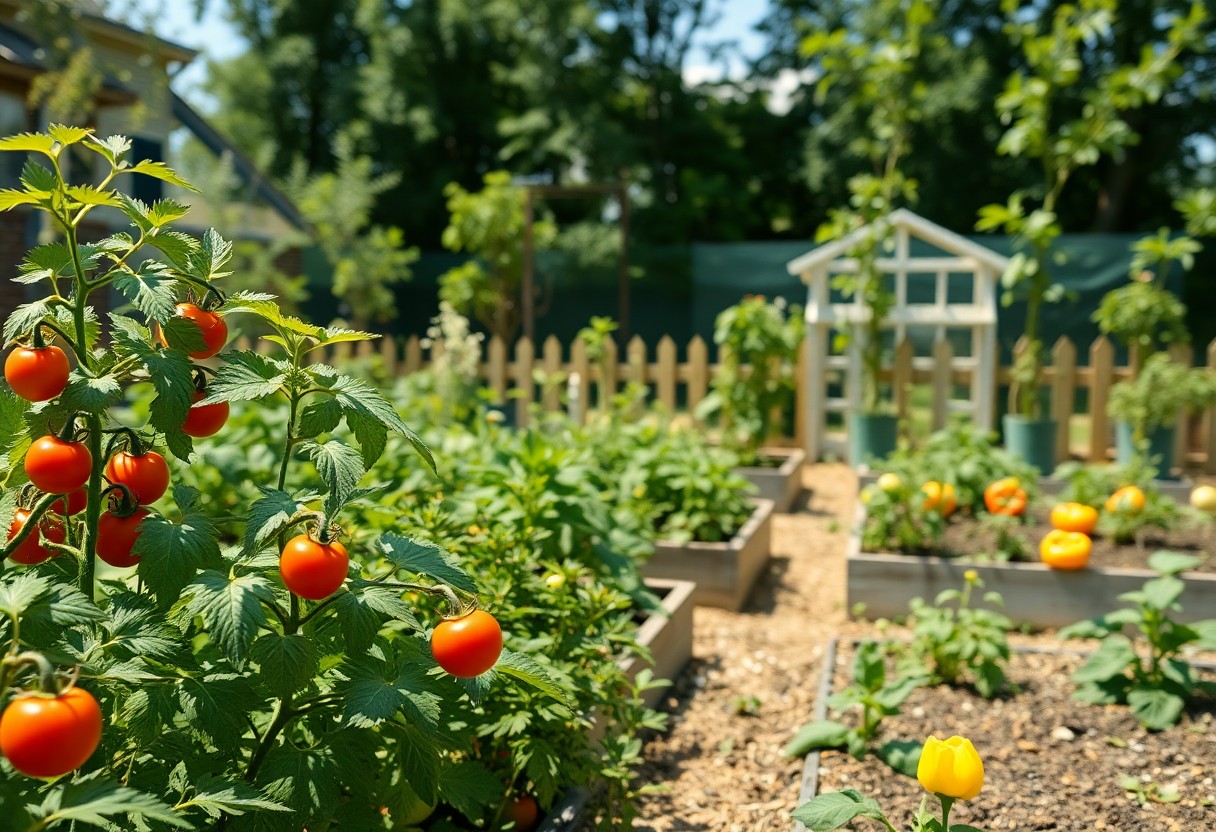
Even if you have limited space or poor soil, raised bed gardening can offer an excellent solution. By building garden beds at a height that suits you, the soil drains better and warms faster, allowing for an extended growing season. Additionally, these beds can improve soil quality and reduce weeds significantly.
Plus, elevated beds allow you to customize soil mixtures, making it easier to control nutrients and moisture levels for optimal plant health. You can also use materials like wood or stone to create aesthetically pleasing designs that enhance your backyard’s visual appeal.
Container Gardening
Raised in containers, this method is perfect for those with limited garden space or poor soil conditions. You can grow plants in pots, barrels, or even recycled containers. This style offers flexibility in placement and easy mobility, allowing you to relocate your plants as needed.
Types of container options include ceramics, plastics, and even fabric pots, each offering unique advantages. Consider size, drainage, and material when selecting your containers, as they can significantly impact your plants’ health. Container gardening allows you to explore a wide variety of plants, including herbs, vegetables, and flowers, all while enjoying the beauty of your home garden.
Step-by-Step Guide to Starting Your Garden
Now that you’ve decided to grow your groceries, let’s break down the process into manageable steps. Follow this guide to ensure a successful start to your backyard veggie garden:
Step-by-Step Process
| 1. Planning Your Layout | Determine garden size and design based on available space. |
| 2. Choosing the Right Location | Select a spot with sufficient sunlight and good drainage. |
| 3. Selecting Your Vegetables | Choose crops that suit your climate and your culinary preferences. |
Planning Your Layout
While designing your garden, consider the space you have and your gardening goals. Create a simple layout that maximizes sunlight and air circulation to promote healthy growth. You can use traditional rows, raised beds, or even container gardens to match your lifestyle and available area.
Choosing the Right Location
Your garden’s success largely depends on its location. To thrive, vegetables need at least 6-8 hours of direct sunlight daily. Assess your yard for light, water access, and protect it from strong winds. Opt for a spot that has well-draining soil to prevent waterlogging, as this can cause root rot.
Starting your garden in a location where it can receive ample sunlight is vital. Look for areas that remain unshaded throughout the day. If your yard has various spots that get sunlight, consider how you can utilize them for different planting schedules, enabling you to stagger your harvests and enjoy a continuous supply of fresh vegetables.
Selecting Your Vegetables
On your journey to becoming a backyard gardener, selecting the right vegetables is crucial. Begin by considering your local climate and the types of crops that thrive in your area. Opt for vegetables that you and your family enjoy, ensuring your efforts lead to delicious meals.
Planning ahead can help you choose vegetables suited to your needs and growth conditions. Consider fast-growing varieties, like radishes and lettuce, if you’re eager for quick results. Additionally, factors such as space availability and seasonal conditions will guide your selections, enabling you to grow a well-rounded and enjoyable garden.
Essential Tips for Successful Gardening
Many aspiring gardeners find success by following a few crucial tips. Focus on the right location for your garden, ensure you use quality soil, and pay attention to plant spacing. Regularly check for pests and diseases to keep your plants healthy. Additionally, be patient, as gardening is a learning process that takes time. The key to a thriving garden lies in your commitment and enthusiasm.
Soil Preparation
Soil is the foundation of your garden, so it’s crucial to prepare it properly. Start by testing your soil’s pH and nutrient levels to understand what amendments may be necessary. Add organic matter, such as compost or well-rotted manure, to provide crucial nutrients and improve soil structure. Ensure proper drainage and consider layering different types of soil to create an optimal growing environment for your plants.
Watering and Maintenance
Now, watering and maintenance are vital aspects of keeping your garden flourishing. Establish a routine for watering, ideally in the early morning or late afternoon to minimize evaporation. Observe your plants regularly and remove weeds, dead leaves, and any diseased foliage to maintain a healthy garden ecosystem. Mulching can help retain moisture and suppress weeds, making your maintenance tasks easier.
Successful watering involves providing your plants with the right amount of moisture for their specific needs. Ensure the soil is damp but not waterlogged, as overwatering can lead to root rot. Invest in a drip irrigation system or a simple soaker hose to promote even moisture distribution. Adjust your watering schedule based on weather conditions and plant growth stages. Stay attentive to your garden’s hydration needs, fostering a thriving environment for your veggies.
Pest Control Techniques
You need effective pest control techniques to protect your garden from unwanted visitors. Start by monitoring your plants for signs of pests and diseases, and implement natural remedies such as insecticidal soap or neem oil to treat infestations. Encourage beneficial insects like ladybugs to help keep pest populations in check, and use physical barriers such as row covers to protect young plants from damage.
Tips for managing pests effectively include maintaining garden hygiene by regularly removing debris and dead plants. Introduce companion planting to deter pests naturally, as certain plants can repel harmful insects while attracting beneficial ones. Be cautious when using chemical treatments, as they can harm beneficial insects and disrupt your garden’s ecosystem. Focus on establishing a balanced environment where pests are kept under control without relying solely on pesticides.
Factors to Consider Before Starting
Despite the excitement of starting your own backyard veggie garden, there are several factors you should consider before diving in:
- Climate and weather conditions
- Space availability
- Time commitment
Perceiving these elements will help you set realistic expectations and ensure a successful gardening experience.
Climate and Weather Conditions
Some regions experience harsh winters while others have long, hot summers. Understanding your local climate and weather patterns is imperative for selecting the right plants and ensuring they thrive throughout the growing season.
Space Availability
On assessing your yard, consider how much space you can dedicate to your garden. Whether you have a large backyard or a small balcony, your gardening options will vary significantly.
Conditions such as sunlight exposure, soil quality, and accessibility will influence how effectively you can utilize your available space. If you’re limited in area, you might opt for raised beds, vertical gardening, or container gardening, which can maximize productivity without overwhelming your environment.
Time Commitment
Consider how much time you can realistically devote to gardening each week. Your schedule will determine which plants are suitable for your lifestyle and level of engagement.
Plus, your time investment will have an industrial impact on garden maintenance. Regular tasks, including watering, weeding, and harvesting, require consistent attention. Be aware that lacking commitment may lead to a diminished garden yield; ensuring you allocate both time and effort is key to achieving a thriving, productive garden.
Pros and Cons of Backyard Veggie Gardening
Once again, it’s vital to weigh the pros and cons of starting a backyard veggie garden. Below is a breakdown to help you make an informed decision:
| Pros | Cons |
|---|---|
| Fresh and organic produce | Time-consuming care |
| Cost savings on groceries | Weather dependency |
| Environmental benefits | Pest and disease management |
| Control over growing methods | Space limitations |
| Fun and rewarding activity | Initial setup effort |
Advantages of Homegrown Produce
On a personal level, growing your own veggies means enjoying fresher produce that’s rich in flavor and nutrients. You have full control over the growing process, allowing you to avoid harmful chemicals and pesticides. Additionally, harvesting vegetables at their peak ripeness offers a taste experience that’s often impossible to find in store-bought options.
Challenges to Consider
Veggie gardening can indeed come with its fair share of difficulties. You may encounter issues such as poor soil quality, pest infestations, and unpredictable weather. These factors can hinder your gardening success and yield. Moreover, depending on your location, you might have space constraints or limited sunlight that affect what you can grow. It’s important to assess these challenges realistically as you plan your garden.
With careful planning and dedication, you can overcome these challenges. Investing time in improving your soil and learning about local pest management resources will be invaluable. Keeping a close eye on weather conditions is vital, especially during critical growth periods. Utilizing vertical gardening techniques can maximize your space, allowing you to grow a greater variety. Stay informed and adaptable, and your garden can flourish despite these challenges.
Tools and Supplies for New Gardeners
All great gardeners start with the right tools and supplies to ensure a productive and enjoyable growing experience. As you enter the fascinating world of backyard veggie gardening, equipping yourself with necessary tools and quality supplies will enable you to cultivate a thriving garden. Let’s explore what every beginner gardener should have to set their green thumb in motion.
Must-Have Gardening Tools
Tools are the backbone of any garden project. At a minimum, you’ll need a sturdy shovel, a reliable hand trowel, and a set of pruners to help you dig, plant, and maintain your crops. Additionally, a good pair of gardening gloves will protect your hands while you work, ensuring that you remain comfortable and injury-free.
Recommended Gardening Supplies
Recommended supplies are necessary for optimal growth and maintenance of your vegetable garden. Invest in high-quality seeds or starter plants, quality soil, and organic fertilizers to nourish your crops. A watering can or hose will also ensure your plants receive adequate hydration. Don’t overlook the importance of plant markers to help you keep track of what you’ve planted!
Plus, having a garden journal can be an invaluable tool for tracking your seeds, growth patterns, and any challenges you face along the way. This practice enhances your gardening knowledge and improves your future planting strategies. Choosing organic fertilizers will promote healthy plant growth while being environmentally friendly. With these supplies at your disposal, you’ll set yourself up for a rewarding and fruitful gardening experience.
Conclusion
Ultimately, starting a backyard veggie garden can transform your approach to food and gardening. By following the step-by-step tips provided in ‘Grow Your Groceries – A Beginner’s Guide to Backyard Veggie Gardens’, you can cultivate a flourishing garden that yields fresh produce right at your doorstep. You’ll not only enjoy the satisfaction of growing your own food but also gain valuable skills and knowledge along the way. Embrace the journey and take pride in nurturing your plants as they thrive under your care.