
Many aspiring gardeners believe they need vast expanses of land to grow their own vegetables and herbs, but you can achieve a rewarding harvest right from your balcony or patio with container gardening. This beginner-friendly guide will help you maximize your space, allowing you to cultivate a variety of plants in limited areas. You’ll learn about selecting the right containers, understanding soil types, and choosing the best plants for your environment. With a little creativity and care, your small space can yield a bountiful harvest that enhances your meals and adds beauty to your home.
Benefits of Container Gardening
Before you look into the world of container gardening, it’s vital to understand its many benefits. Container gardening allows you to grow a variety of plants in small spaces, making it perfect for urban dwellers or anyone with limited outdoor areas. You can tailor your garden to fit your lifestyle and preferences while enjoying fresh produce or beautiful blooms right at your doorstep.
Space Efficiency
With container gardening, you can maximize your space by placing pots on patios, balconies, or even windowsills. This efficient use of space allows you to cultivate a thriving garden without the need for a traditional plot, making it simpler to manage and maintain.
Accessibility
Gardening can pose challenges for those with limited mobility, but container gardening offers an accessible solution.
Plus, you can easily adjust the height of your containers to suit your comfort level. By elevating your pots on stands or tables, you can reduce the need to bend or kneel, thereby minimizing the risk of injuries and strains. This makes gardening enjoyable for everyone, including those with physical limitations, allowing you to foster a deep, personal connection with your plants in a way that suits your needs and capabilities.
Choosing the Right Containers
Any successful container garden begins with selecting the right containers. The container size, material, drainage, and other practical aspects play significant roles in the growth of your plants. From small ceramic pots to larger fabric bags, your choices will affect both aesthetics and your plants’ health. Choose wisely to ensure a thriving garden in your small space.
Size and Material
After determining the type of plants you want to grow, consider the container’s size and material. Smaller containers are suitable for herbs and flowers, while larger containers are necessary for veggies and deep-rooted plants. Materials like plastic, ceramic, or wood all have their pros and cons; for instance, ceramic pots retain moisture longer, but may be heavier and costly.
Drainage Considerations
By ensuring your containers have adequate drainage, you help prevent waterlogged soil that can lead to root rot. Good drainage allows excess water to escape, keeping your plants’ roots healthy and promoting growth. Check that your chosen containers have drainage holes or consider adding a layer of gravel at the bottom to enhance moisture balance.
Also, you should be aware that poor drainage can be harmful to your plants, potentially leading to issues such as stunted growth or even plant death. Make sure to choose containers that offer proper drainage features, which might include raised edges or built-in drainage systems. Additionally, you might look for options that allow for easy water management, like self-watering pots, ensuring your plants stay well-hydrated without overflowing.
Selecting Plants for Container Gardening
There’s a diverse array of plants suitable for container gardening, but your choices should reflect your available space, climate, and personal preferences. Look for compact or dwarf varieties of vegetables and flowering plants that thrive in confined environments. It’s vital to analyze factors such as sunlight, watering needs, and growth habits to ensure that your chosen plants flourish in their containers.
Herbs and Vegetables
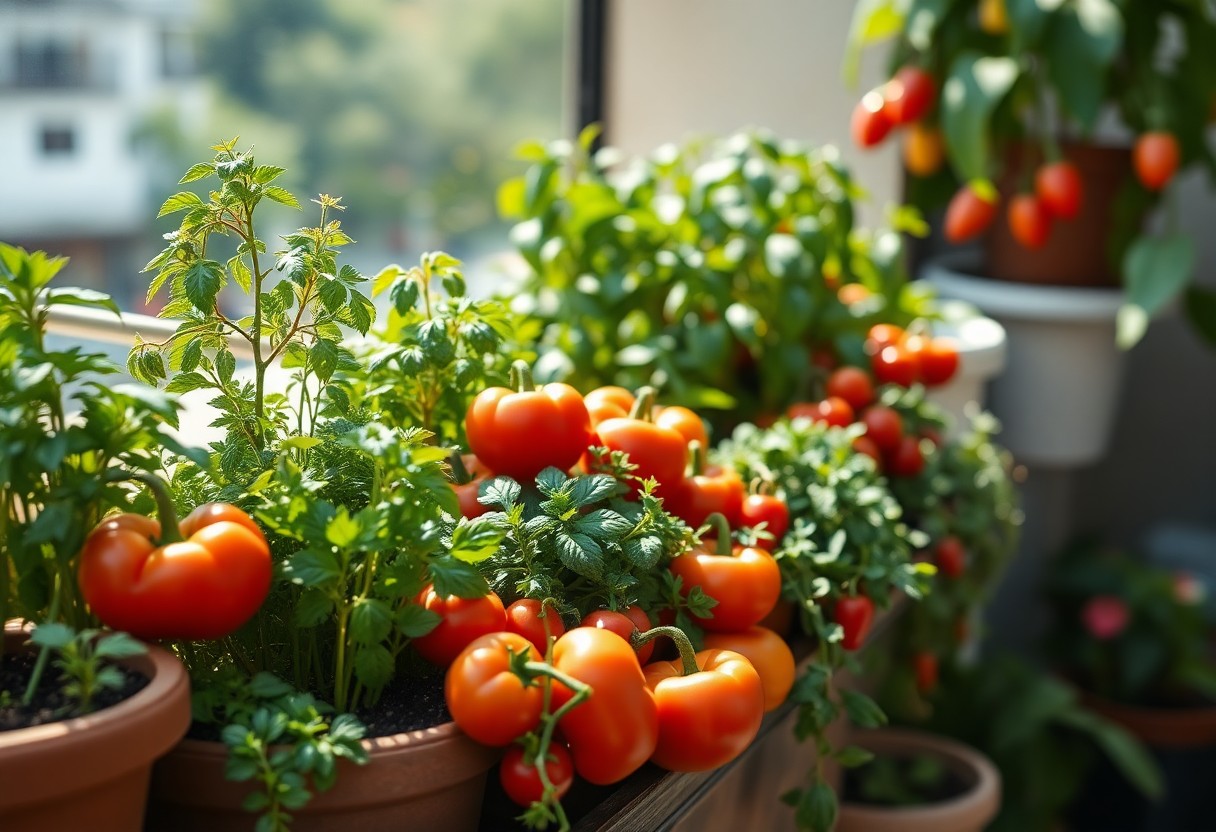
For beginners, herbs like basil, parsley, and chives are easy to grow and add flavor to meals, while vegetables such as cherry tomatoes, peppers, and radishes also adapt well to pots. Choose fast-growing varieties and pick a sunny spot to maximize your harvest.
Flowers and Ornamentals
An exciting aspect of container gardening is the opportunity to create stunning floral displays. You can choose from a variety of flowering plants such as petunias, geraniums, and marigolds that bring vibrant color and attract pollinators to your garden.
To enhance your container garden, select an array of seasonal flowers and ornamental plants that complement each other. Combining different heights and textures can create depth and visual interest in your space. Consider including native plants that are often more resilient and require fewer resources. Additionally, adding perennials can provide ongoing blooms year after year, making your garden a lasting source of beauty with minimal effort.
Soil and Fertilizers
To cultivate a thriving container garden, you need to prioritize the right soil and fertilizers. The quality of your potting mix directly impacts plant health, growth, and overall yield. Using a mixture that retains moisture yet drains well is vital for successful gardening in confined spaces. Pairing it with the appropriate fertilizers will ensure that your plants receive the nutrients they need to flourish.
Types of Potting Mix
Beside traditional garden soil, you have various potting mix options. Here’s a breakdown of common types:
| Mix Type | Description |
| Seed Starting Mix | Light, sterile, and fine texture for germination. |
| All-Purpose Mix | Versatile for most container plants, drains well. |
| Succulent/Cactus Mix | Fast-draining with sand and grit, ideal for desert plants. |
| Orchid Mix | Coarse mix designed for air flow, suitable for orchids. |
Assume that you choose a mix tailored to your plant types for optimal growth.
Nutrient Requirements
At the heart of successful container gardening is understanding your plants’ nutrient requirements. Each plant has unique needs, but the key nutrients include nitrogen, phosphorus, and potassium. Additionally, micronutrients like calcium and magnesium play important roles in plant health.
Nutrient management is vital to prevent deficiencies or excesses that can harm your plants. Regularly incorporating a balanced fertilizer can provide the necessary boosts during critical growth stages. Pay attention to signs of nutrient deficiency, such as yellowing leaves or stunted growth. Utilizing a fertilizer with the right N-P-K ratio will support healthy plant development in your container garden.
Watering and Maintenance
Unlike traditional garden beds, container gardens require vigilant watering and maintenance, as they can dry out quickly. You should monitor your plants daily, especially in sunny weather, to ensure they remain hydrated. Using self-watering containers can also make the task easier by providing a consistent moisture level for your plants. Additionally, keep an eye on nutrient depletion, as pots can become exhausted over time, necessitating regular fertilization.
Watering Techniques
The key to a thriving container garden is understanding effective watering techniques. Aim for deep watering sessions rather than frequent light sprays. This encourages roots to grow deeper, enhancing plant resilience. You can use a watering can or a garden hose with a spray nozzle for more precise control over the amount of water each plant gets. Check the soil moisture by sticking your finger in the soil; if it feels dry an inch down, it’s time to water.
Pest and Disease Management
Along with the benefits of container gardening, you’ll need to stay vigilant against pests and diseases that can harm your plants. Regular inspections are imperative for spotting issues early on.
Indeed, you must watch out for common pests like aphids, spider mites, and whiteflies, as they can rapidly damage your plants. Implementing natural pest control methods – such as introducing beneficial insects or using neem oil – can deter infestations without harmful chemicals. Additionally, maintaining good airflow around your plants and avoiding overhead watering can prevent disease development like mold and mildew. Regularly removing any dead leaves or debris will also help keep your garden healthy and thriving.
Seasonal Considerations
Now that you understand the basics, it’s time to examine seasonal considerations for your container garden. Each season brings unique challenges and opportunities that will impact what you can grow and how to maintain your plants. By planning your plant selections and care according to the seasons, you can ensure a bountiful harvest no matter how small your space.
Planting Calendar
The planting calendar is a vital tool for container gardening beginners. It helps you know when to sow seeds or plant young seedlings for optimal growth. Generally, early spring is perfect for cool-season crops like lettuce and peas, while warmer months are ideal for tomatoes and peppers. Be sure to check local frost dates, as this will also guide your planting schedule.
Winterizing Containers
Against the impending winter chill, it’s important to winterize your containers to protect your plants. Ensuring that your plants survive colder months can mean the difference between a flourishing garden and a lost season. You might consider moving containers to a sheltered location or wrapping them in insulating material. Additionally, you can reduce watering since plants need less moisture during dormancy.
Plus, winterizing containers is crucial to prevent roots from freezing and thawing, which can damage your plants. To protect them, you can insulate pots with bubble wrap or burlap and group them together to create a microclimate. If possible, bring tender plants indoors or choose varieties that can withstand colder temperatures. Taking these steps ensures your investment in time and effort won’t be wasted when spring arrives.
Final Words
Considering all points, container gardening offers you a practical and rewarding way to grow fresh produce, even in limited spaces. By selecting the right containers, soil, and plant varieties, you can transform small areas into thriving gardens. Your commitment to nurturing these plants will not only enhance your living environment but also provide you with delicious homegrown foods. With patience and creativity, you can achieve a bountiful harvest that satisfies both your gardening ambitions and culinary desires. Embrace the joy of container gardening and watch your small space flourish!