Many aspiring container gardeners may overlook the significance of using the right soil mix for their plants. Your choice of soil can greatly impact drainage, nutrition, and overall plant health, ultimately determining the success of your garden. By understanding the key components of effective soil mixes, you can create a thriving environment for your container plants, leading to lush growth and abundant blooms. Let’s explore how to tailor your soil to meet the specific needs of your plants and achieve the garden you’ve always envisioned.
Understanding Soil Components
Before you examine container gardening, it’s imperative to understand the different components of soil. Your soil mix directly influences the health of your plants, making it vital to know how to create a balanced environment. The right combination of organic and inorganic materials will provide nutrients, ensure proper drainage, and promote root development. By familiarizing yourself with these components, you’ll be better equipped to create the perfect growing conditions for your container garden.
Organic Matter
To create a thriving container garden, increasing the amount of organic matter in your soil mix is important. This includes materials such as compost, well-rotted manure, and leaf mold, which not only enrich the soil but also improve its structure. Organic matter aids in moisture retention and supplies imperative nutrients to your plants, ensuring they grow healthy and strong.
Inorganic Components
Across your soil mix, the inorganic components play a pivotal role. These materials, such as perlite, vermiculite, and sand, enhance drainage and aeration, promoting a healthy root system. Choosing the right inorganic components ensures that your plants receive the balance of moisture and oxygen they need to thrive.
The selection of inorganic components significantly affects the overall performance of your soil mix. For instance, perlite is excellent for increasing aeration, while vermiculite holds moisture and enriches the soil with minerals. Additionally, incorporating sand improves drainage, reducing the risk of root rot in container plants. By understanding and utilizing these inorganic components, you can create a well-balanced soil mix that supports vigorous plant growth.
Types of Soil Mixes
If you’re looking to enhance your container gardening, understanding the various types of soil mixes is necessary. Different plants require specific soil compositions, so choosing the right one can directly impact your success. Below is a quick overview of the main soil types:
| General-Purpose Mix | Versatile and suitable for a variety of plants. |
| Cactus/Succulent Mix | Fast-draining to prevent root rot. |
| Seed Starting Mix | Lightweight for germinating seeds. |
| Hydroponic Mix | Soil-less, ideal for water gardening. |
| Organic Mix | Enriched with compost and natural amendments. |
Assume that selecting the appropriate soil mix will boost your gardening success.
General-Purpose Mixes
Above all, a general-purpose mix is ideal for most container plants, including vegetables and herbs. Usually consisting of a blend of peat moss, vermiculite, and perlite, it promotes aeration and retains moisture. You can easily find these mixes at garden centers, making them an accessible option for any gardener.
Specialized Mixes
One type of mix you should consider is the specialized mix, tailored for specific plant types. These mixes optimize nutrients and drainage tailored to particular species, enhancing growth and health.
At times, specialized mixes can make a significant difference in your gardening. For example, a cactus mix often includes a high level of grit to ensure that moisture drains quickly, preventing root rot. Meanwhile, seed starting mixes are typically finer and lighter, providing the ideal environment for tiny seedlings to thrive. Each specialized mix focuses on the specific needs of your plants, making it important for you to choose wisely. Using the correct mix can lead to bountiful blooms and robust harvests, significantly improving your container gardening experience.
Key Ingredients for Container Soil
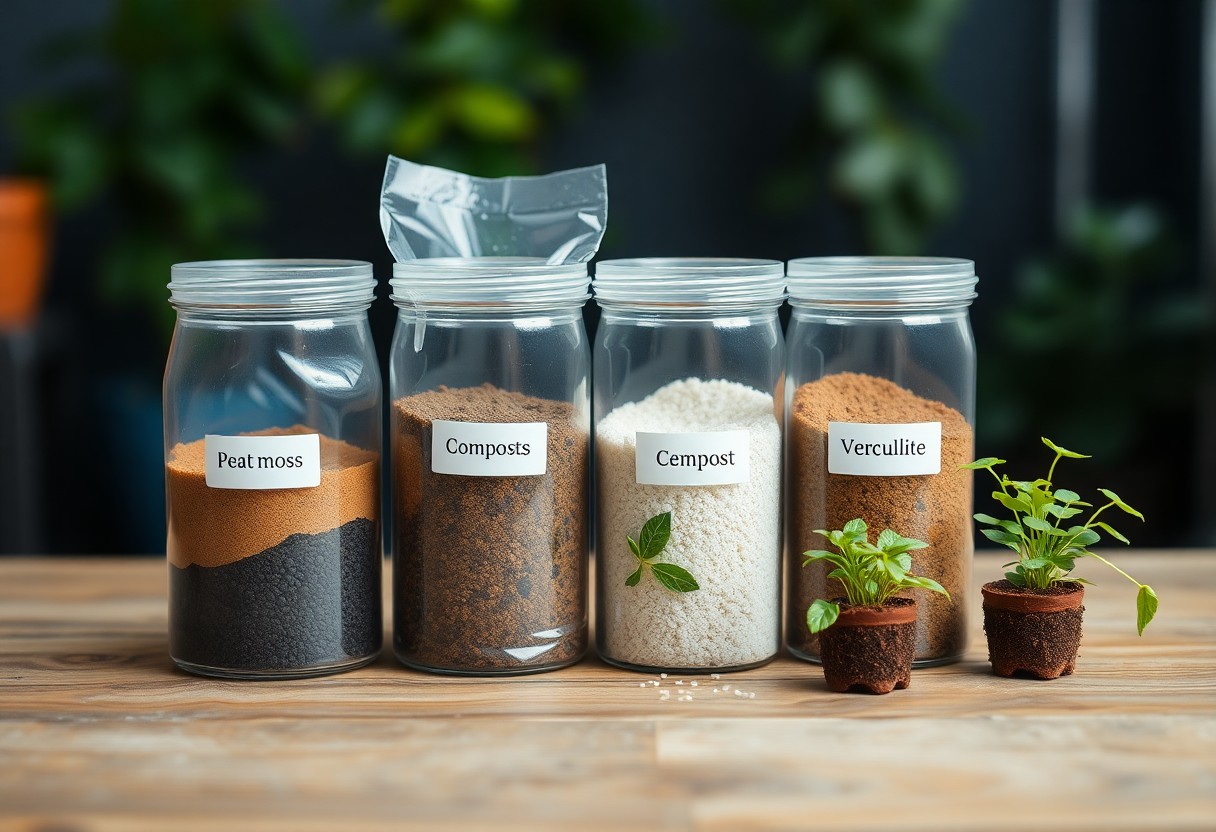
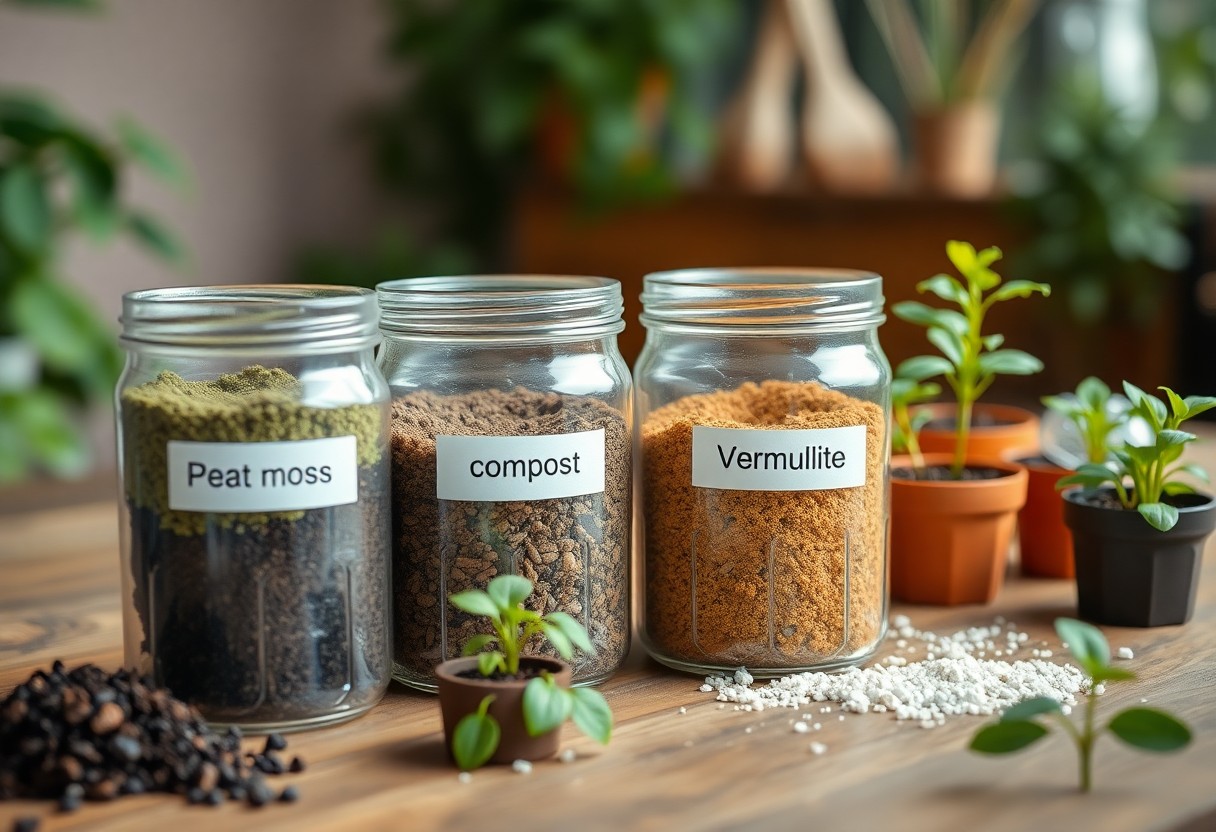
Some of the necessary ingredients for creating effective container soil include peat moss, perlite, and vermiculite. These components not only enhance the soil structure but also improve moisture retention and drainage, which are vital for the health of your plants. Understanding the role of each ingredient can help you achieve the best possible environment for your container garden.
Peat Moss
On top of being lightweight, peat moss plays a significant role in moisture retention, making it an excellent choice for your container gardening soil. It has a high acid level, which can be beneficial for certain plants, helping to create an optimal environment for roots to thrive. However, keep in mind that peat moss can be problematic for the environment due to the harvesting process, so look for sustainable alternatives whenever possible.
Perlite and Vermiculite
Between perlite and vermiculite, both add valuable aeration and improve drainage, which is necessary for healthy root development in your plants. Perlite, a volcanic glass, keeps soil light and promotes airflow, while vermiculite holds onto moisture better, making a great complement.
Another significant aspect to consider is that while perlite is ideal for enhancing drainage and preventing soil compaction, it can become dusty and may irritate your lungs if inhaled. In contrast, vermiculite retains moisture and nutrients, making it suitable for seedlings and delicate plants. Balancing both in your soil mix can provide excellent aeration, moisture retention, and a well-rounded nutrient profile, ensuring your container garden thrives.
Mixing Your Own Soil
To achieve the perfect soil mix for your container garden, it’s vital to blend a variety of ingredients that provide adequate drainage, aeration, and nutrients. Combining ingredients like peat moss, compost, perlite, and vermiculite can create a balanced medium where your plants can thrive. Taking the time to mix your own soil not only saves you money but also ensures that your plants receive exactly what they need for healthy growth.
Recommended Ratios
Recommended ratios for your soil mix typically include one part peat moss, one part compost, and one part perlite or vermiculite. This combination fosters a well-draining yet moisture-retentive environment, suitable for most container plants. Adjusting these ratios slightly based on your specific plants can further enhance growth and vigor.
Customizing for Plants
Before mixing your soil, consider the specific needs of the plants you wish to grow. Different species have varying requirements for drainage, moisture retention, and nutrient levels.
The type of plants you choose to grow will determine how you should customize your soil mix. For instance, succulents and cacti require a more drainage-focused mix, often requiring a higher ratio of perlite or sand. On the other hand, plants like ferns prefer a more moisture-retentive medium, so you might want to increase the peat moss or compost proportions. By tailoring your mix to fit the needs of your specific plants, you can foster a garden that is both resilient and flourishing.
Drainage and Aeration Considerations
For successful container gardening, understanding drainage and aeration is crucial. The right soil mix not only supports healthy plant growth but also prevents root rot and other complications by allowing excess moisture to escape while promoting gas exchange. An optimal balance between water retention and drainage can make all the difference in achieving vibrant, thriving plants.
Importance of Drainage
Across various types of plants, proper drainage plays a vital role in maintaining healthy roots. Without adequate drainage, excess water can accumulate in the bottom of the container, leading to root rot and depriving your plants of much-needed oxygen. Ensuring that your soil mix includes components that promote drainage can significantly enhance the longevity and vitality of your container garden.
Techniques for Improving Aeration
About improving aeration in your container soil, various techniques can be employed to create an environment conducive to healthy plant growth. Incorporating materials like perlite or vermiculite into your mix can enhance air pockets, allowing roots to breathe more freely. Additionally, you may consider using a mix that includes organic matter, like compost, to further improve soil structure and aeration.
At its core, enhancing your soil’s aeration involves using amendments that create air pockets in the mix. Incorporating materials such as perlite, pumice, or coconut coir can significantly improve airflow within the soil, fostering a healthier environment for your plants’ roots. You can also benefit from using container types with drainage holes and elevating pots to allow unrestricted movement of air and moisture, ultimately leading to stronger, more resilient plants.
Common Mistakes to Avoid
Now that you have an understanding of the best soil mixes for container gardening, it’s important to steer clear of common mistakes that can hinder your plants’ growth. One frequent issue is using unsuitable materials, which can negatively affect drainage and nutrient retention. Not adjusting your watering practices to the specific needs of your plants can also lead to underperformance. Avoid these pitfalls, and your container garden will thrive.
Overwatering Issues
Any gardener will tell you that overwatering is a leading cause of plant failure in container gardening. It often results in root rot, a condition that drastically diminishes your plants’ health. To avoid this, ensure your containers have proper drainage holes and always check the soil moisture before watering.
Using Poor Quality Ingredients
Ingredients you choose for your soil mix can significantly influence your plants’ health and growth. Using poor-quality ingredients might lead to nutrient deficiencies and poor drainage, ultimately hampering your gardening success.
In addition, using cheap or low-quality soil can introduce pests and diseases to your container garden, which is difficult to combat once established. Always opt for potting mixes that contain organic matter, good drainage materials, and beneficial microorganisms. Investing in quality soil ingredients will ensure that your plants receive the necessary nutrients, moisture retention, and overall healthy growth, minimizing future headaches.
Final Words
Considering all points, selecting the right soil mix is vital for your container gardening success. The ideal blend provides vital nutrients, ensures proper drainage, and retains moisture, which are all key for healthy plant growth. By choosing high-quality ingredients and adjusting the mix to suit your specific plants, you can create an optimal environment for flourishing gardens right within your containers. Embrace the art of mixing soil, and watch your gardening efforts thrive and reward you with vibrant blooms and delicious produce.