
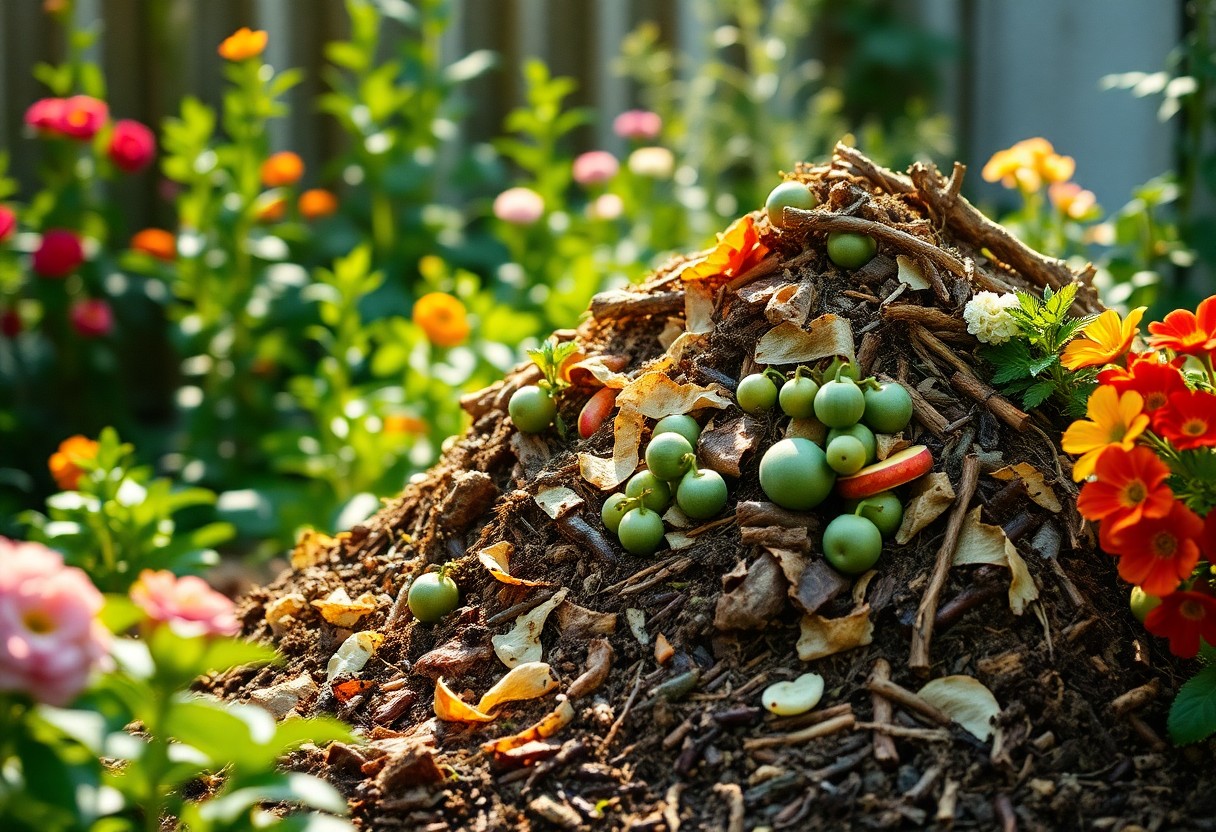
Composting is an excellent way for you to transform food scraps and yard waste into nutrient-rich soil that benefits your garden. By understanding the basics, you can significantly reduce landfill waste while improving soil health and boosting your plants’ growth. This guide will walk you through the necessarys of composting, from what materials to use to how to manage the process effectively. Get ready to turn your kitchen waste into garden gold and make a positive impact on your environment!
Understanding Composting
A composting process transforms organic waste into rich, nutrient-dense soil called compost, which can greatly enhance your garden’s health. By breaking down food scraps, yard waste, and other biodegradable materials, you create a sustainable cycle that benefits both your garden and the environment. Whether you’re a beginner or experienced gardener, understanding this natural process will empower you to make the most of your scraps.
What is Composting?
Against common misconceptions, composting is not just a way to dispose of kitchen waste; it is an environmentally friendly method of recycling organic material into valuable nutrients for your plants. This biological process involves microbial decomposition, resulting in a dark, crumbly substance that improves soil quality and reduces landfill waste.
Benefits of Composting
Beside enhancing soil fertility, composting provides various benefits that positively impact your garden and ecosystem. It minimizes the need for chemical fertilizers and promotes biodiversity by supporting beneficial microorganisms. Composting also reduces landfill waste and helps lower greenhouse gas emissions.
Another advantage of composting is its ability to retain moisture in your soil, thereby reducing the frequency of watering. By adding compost to your garden, you create a healthier ecosystem that encourages plant growth and deters pests naturally. Additionally, you contribute to a more sustainable environment by repurposing organic material rather than disposing of it in landfills. This multifaceted process not only benefits your garden but also plays a part in addressing broader environmental challenges.
Getting Started with Composting
The process of composting is an easy and rewarding way to recycle kitchen scraps and yard waste into nutrient-rich soil for your garden. To begin, you’ll need a designated area in your yard or an appropriate composting container. Start small to gain confidence, and as you learn the ropes, you can scale up your composting efforts!
Choosing the Right Composting Method
On your composting journey, various methods exist to fit your lifestyle and available space. You can choose from traditional piles, bins, vermicomposting with worms, or even Bokashi composting. Each method has its advantages, so consider your specific goals, such as speed, smell, and the amount of waste you wish to process.
Essential Materials for Composting
Across your composting endeavors, you’ll need to gather imperative materials to create the perfect balance of green and brown waste. Green materials provide nitrogen, while brown materials offer carbon. Aim for a ratio of roughly 2:1, with more browns to help aerate the pile.
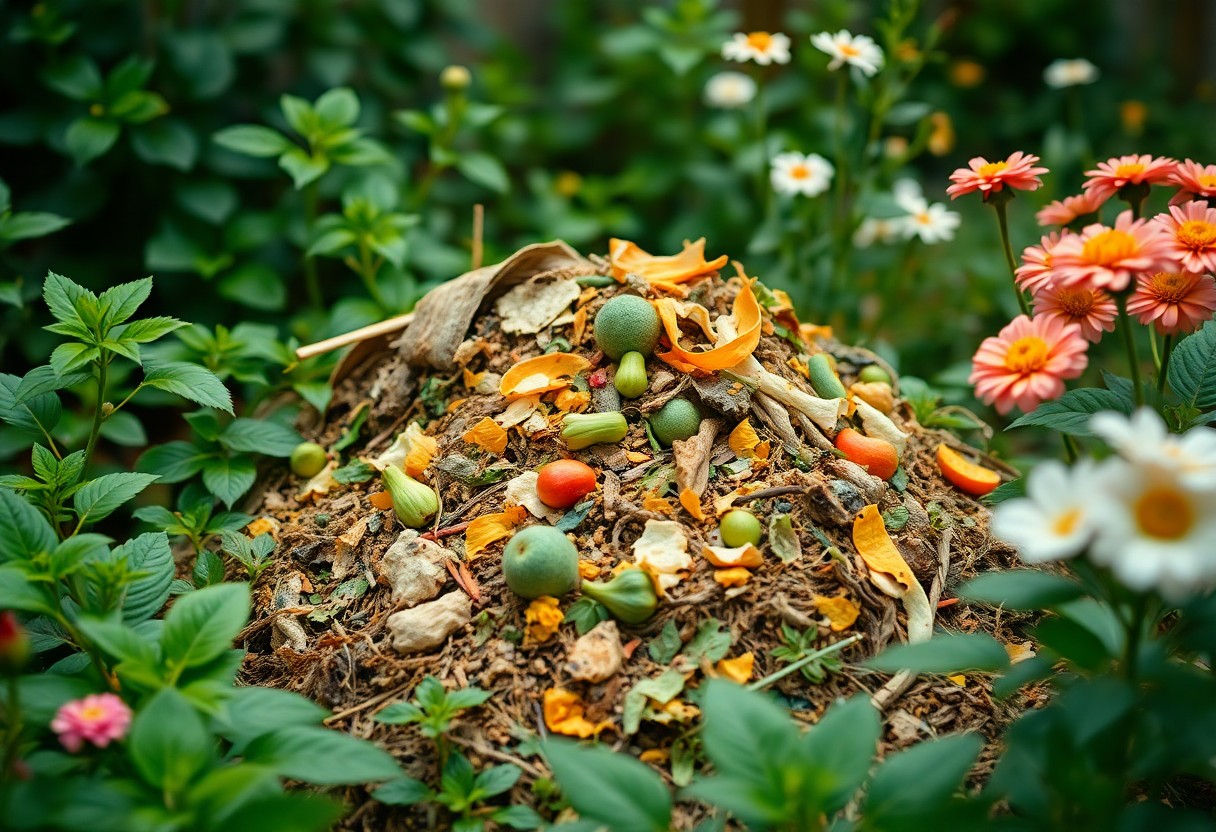
With the imperative materials for composting, you should focus on kitchen scraps like fruit and vegetable peels, coffee grounds, and eggshells for greens, while browns can include dry leaves, cardboard, and straw. Avoid using meat, dairy, and oily foods as they attract pests and create unpleasant odors. By balancing your compost with a variety of these materials, you’ll create a thriving environment for beneficial microbes, leading to rich, organic compost that can significantly benefit your garden’s health.
The Composting Process
You’ll find that composting is a harmonious cycle of breaking down organic materials into nutrient-rich soil. This process involves microorganisms, oxygen, moisture, and time working together to decompose your kitchen scraps and yard waste. As the materials break down, they generate heat and enrich the soil, ultimately supporting your garden’s health and growth.
Building Your Compost Pile
Any successful compost pile begins with a balance of green materials, like fruit and vegetable scraps, and brown materials, such as dried leaves and cardboard. Layer these elements thoughtfully to create a well-aerated pile that will decompose efficiently. Keep the pile moist but not overly wet, and turn it regularly to maintain airflow and encourage the composting process.
Maintaining Your Compost
On your journey to creating nutrient-rich compost, it’s important to maintain consistent conditions to support decomposition. Regularly turn your pile to introduce oxygen, which is vital for microorganisms, and monitor moisture levels to prevent the pile from getting too dry or too wet. The ideal moisture level should feel like a damp sponge.
The temperature of your compost pile is another necessary aspect to monitor; it should ideally reach between 130°F to 160°F to effectively break down materials and eliminate pathogens. Additionally, be mindful of unpleasant odors, which may indicate a problem; if you detect bad smells, this often means there’s too much nitrogen or not enough oxygen. Addressing these factors will help nurture your compost into rich, usable soil that will greatly benefit your gardening endeavors.
Troubleshooting Common Issues
Despite your best efforts, you may encounter some common issues while composting. Understanding these challenges can help you maintain a thriving compost pile and ensure your scraps are effectively transformed into nutrient-rich soil. From unpleasant odors to unwanted pests, recognizing and addressing these problems is vital to successful composting.
Odor Problems
Around a compost pile, you might notice unpleasant smells that indicate a problem. Often, these odors arise from an imbalance of nitrogen-rich ‘greens’ and carbon-rich ‘browns.’ To eliminate odors, incorporate more browns, such as dry leaves or shredded paper, and ensure your compost is adequately aerated by turning it regularly.
Pests and Animals
Along with odors, pests and animals can become unwelcome guests in your compost heap. If your compost pile attracts rodents or other wildlife, it may be due to improper material management or placement. Keeping your compost covered, using a compost bin, and avoiding food scraps that attract animals can help minimize these visits.
Also, consider that while some pests can be bothersome, they may play a role in the composting process. For example, earthworms and certain insects aid in breaking down organic matter. However, rodents and larger animals pose greater threats to your compost’s integrity. Ensure you avoid adding meat, dairy, or overly sweet items that could lure them in. Implementing a secure composting system will protect your pile and keep the unwanted visitors at bay.
Using Finished Compost
Keep in mind that using finished compost is an effective way to enhance your garden’s health and productivity. Once your compost has reached a dark, crumbly consistency, it’s time to apply it to your soil. This nutrient-rich addition improves soil structure, moisture retention, and microbial activity, all of which are vital for fostering a flourishing garden.
How to Use Compost in Your Garden
Your garden will greatly benefit from applying compost around the base of plants, mixing it into garden beds, or using it as a top dressing. This practice provides important nutrients while promoting soil fertility, allowing your plants to thrive. Be sure to spread compost evenly to avoid over-concentration in any one area.
Compost for Container Gardening
At the time of planting, incorporating compost into your container garden mix can enhance growth and viability. If you’re looking to enrich your potted plants, adding compost to your potting soil is a simple yet effective strategy.
Container gardening allows for personalized plant combinations, and using compost ensures your plants are nourished. Mix one part compost with three parts potting soil to create a balanced blend that retains moisture while providing important nutrients. Be cautious not to overload your containers, as too much compost can lead to poor drainage. Regularly replenishing compost in container gardens helps sustain plant health and encourages robust growth throughout the growing season.
Advanced Composting Techniques
To elevate your composting game, explore these advanced techniques that can maximize your compost’s potential:
| Technique | Description |
|---|---|
| Worm Composting | Utilizing worms to break down organic matter efficiently. |
| Bokashi Composting | A fermentation method using special microbes to decompose waste. |
| Hot Composting | Creating a compost pile that reaches high temperatures to kill pathogens. |
Worm Composting
One popular method is worm composting, also known as vermicomposting. By introducing red wiggler worms to your kitchen scraps, you can significantly speed up the decomposition process while producing nutrient-rich worm castings that greatly benefit your garden soil.
Bokashi Composting
After exploring traditional composting, you may want to try Bokashi composting for quick results. This technique allows you to ferment your kitchen waste, including dairy and meat, using effective microorganisms.
Another advantage of Bokashi composting is its ability to manage a wide range of food scraps, including meat and dairy, which are typically avoided in traditional composting. You will ferment your waste in an airtight container, generating a pre-compost that can be buried or added to your garden. Be cautious, as improper usage can lead to unpleasant odors. However, when done correctly, this method can accelerate the decomposition process, transforming your waste into a valuable soil amendment quicker than traditional methods. Enjoy the entrepreneurship of composting and watch your garden thrive with rich nutrients!
Final Words
The journey of composting transforms your kitchen scraps and yard waste into valuable nutrients for your garden. By understanding the balance of green and brown materials and maintaining proper aeration, you can effortlessly create rich, organic compost that will enhance your soil and boost plant growth. Embracing this sustainable practice not only reduces waste but also empowers you to cultivate a thriving, eco-friendly garden. Start composting today, and enjoy the many benefits that come with it.