
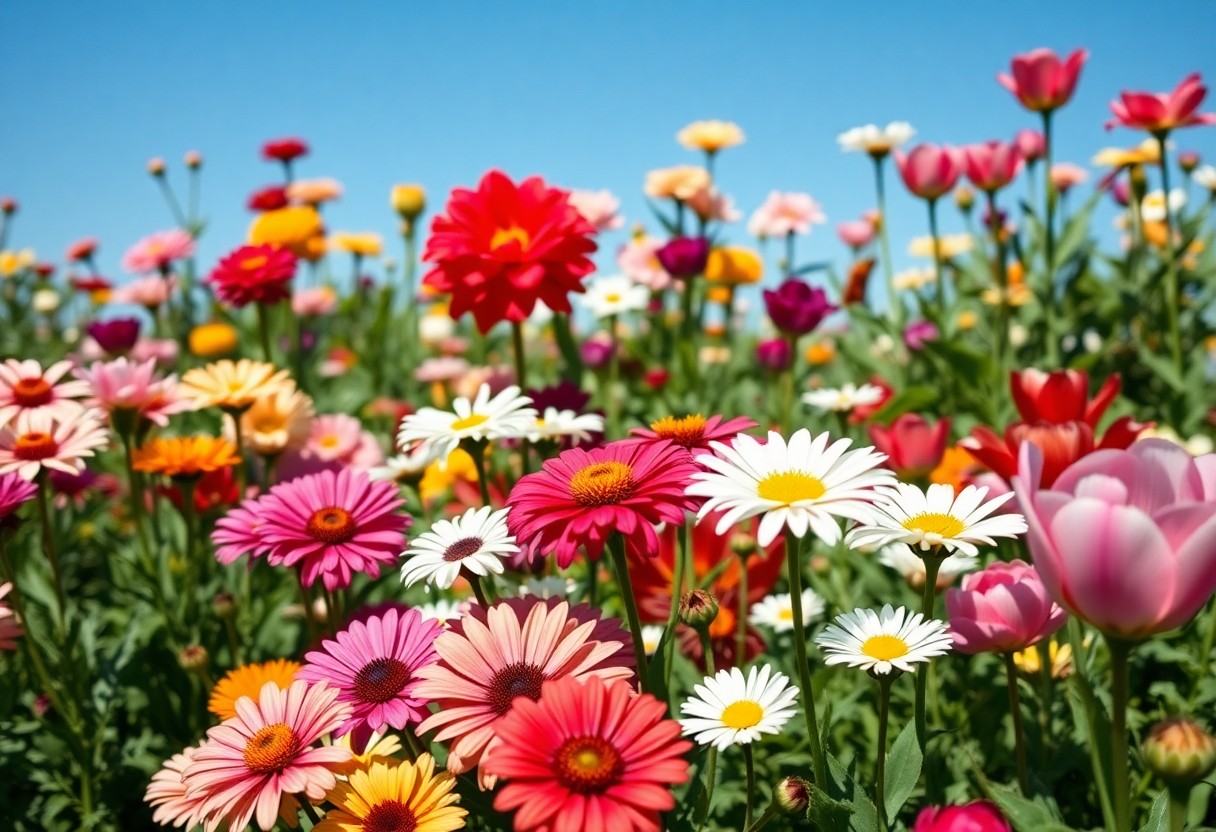
There’s no denying the beauty and joy a flower garden brings, but you might be wondering how to keep it vibrant throughout the entire year. By carefully selecting a mix of seasonal blooms and evergreen plants, you can create a stunning landscape that showcases color and life no matter the season. To achieve this, you’ll need to consider factors such as climate, soil type, and plant compatibility. In this blog post, you’ll discover necessary tips and strategies to grow your dream flower garden that flourishes all year long.
Choosing the Right Location
While selecting the perfect spot for your flower garden, ensure it meets your plants’ needs and enhances their growth. Look for areas that provide a balance of sunlight, shade, and protection from harsh weather elements. Consider your space’s proximity to water sources and accessibility for maintenance tasks. The right location not only supports lush blooms but also improves your gardening experience overall.
Sunlight Requirements
Location plays a vital role in determining how much sunlight your flowers receive. Most flowering plants thrive in full sun, which typically means at least six hours of sunlight daily. Areas with partial shade can accommodate shade-loving varieties, but be cautious—too much shade can hinder growth and bloom production. Observe your garden at different times of the day to ensure your selected spot fulfills your plants’ sunlight requirements.
Soil Quality
After you identify an ideal location, consider the soil quality to ensure your flowers flourish. Poor soil can hinder growth, while enriched soil provides imperative nutrients for vibrant blooms. Test the pH and structure of your soil to determine its condition, and adjust it accordingly by adding organic matter, compost, or mulch to enhance fertility and drainage.
With the right attention to soil quality, you can create a fertile environment for your flowers. Healthy soil supports strong root systems and promotes nutrient absorption, leading to lush growth and stunning blossoms. If your soil is too compacted, consider aerating it to improve airflow and moisture retention. Adding organic materials like compost not only enhances nutrient content but also fosters beneficial microorganisms, ensuring your garden thrives throughout the seasons.
Selecting Year-Round Blooms
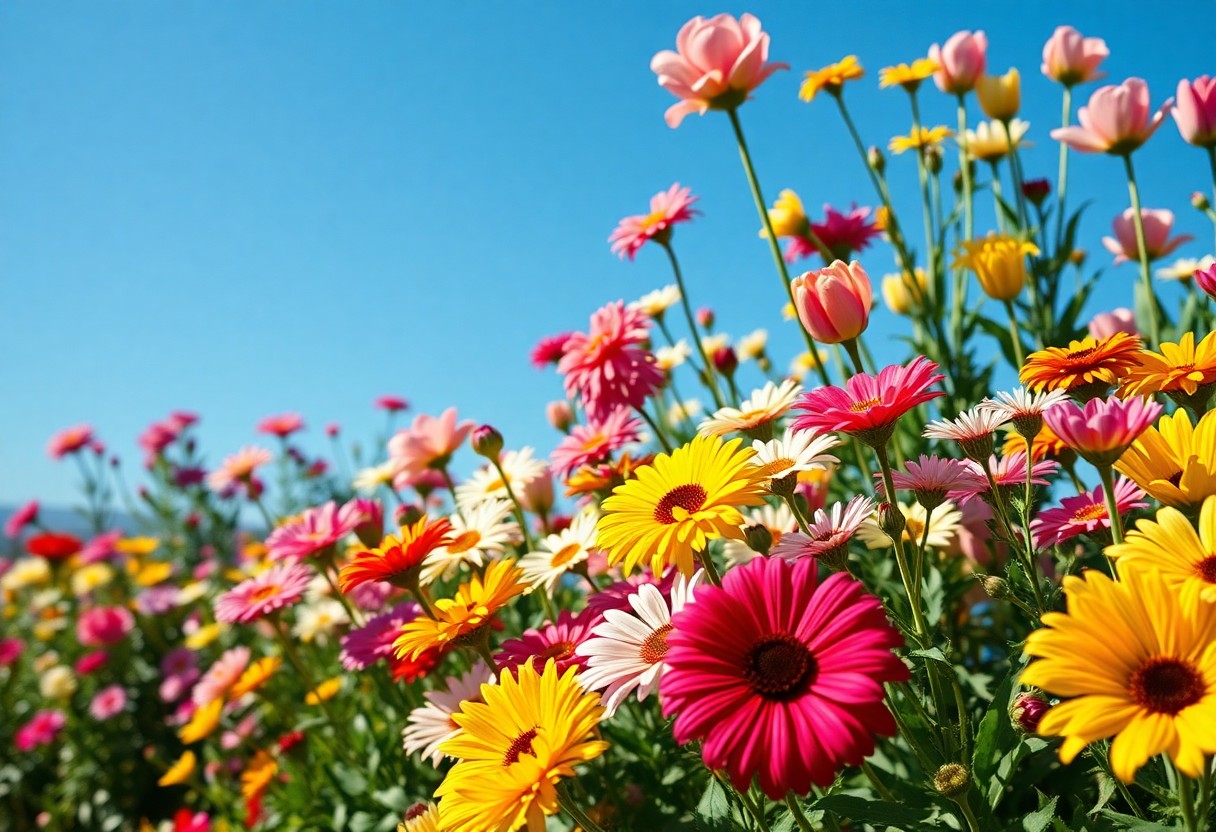
Some of the best flower gardens include a mix of plants that ensure vibrant blooms throughout the year. To achieve this, you will want to select a variety of perennials and annuals that flower in different seasons, creating a continuous display of color. Prioritize plants that thrive in your climate zone and consider their sunlight and soil requirements to ensure your garden flourishes at all times.
Perennials for Different Seasons
Between spring and fall, diverse perennials will bring life to your garden. For instance, daffodils and tulips signal the arrival of spring, while sunflowers and coneflowers enrich your summer landscape. As the cooler months approach, consider planting asters or sedums that will keep your garden looking lively, allowing you to enjoy floral beauty from season to season.
Incorporating Annuals
Seasons change, but your garden can remain filled with color by incorporating annuals into your design. Annuals, which complete their life cycle within a year, can be interspersed among your perennials, offering vibrant flashes of color that might not be available in your perennial selection. This strategy not only enhances visual interest but also allows for more experimentation with your design each growing season. Choose varieties like petunias and marigolds for summer, and snapdragons or pansies for cooler months, ensuring that your garden looks dynamic and welcoming all year long.
Designing Your Garden Layout
There’s no one-size-fits-all approach when it comes to designing your flower garden layout. Consider the sunlight, space, and climate of your area while sketching out a plan. Aim for a balance between aesthetics and function, ensuring that your plants thrive in their designated spots. Use paths or borders to create visual interest while allowing easy access for maintenance. By investing time in thoughtful design, you lay the foundation for a stunning garden that flourishes throughout the year.
Color Coordination
Around your garden, color coordination plays a vital role in achieving a harmonious look. Choose a color palette that reflects your personal style and enhances the natural beauty of your flowers. Consider seasonal color changes, selecting plants that bloom together or complement each other to maintain visual interest year-round. By strategically placing your colored flowers, you can create stunning focal points, making your garden a true delight for the senses.
Planting Patterns
Beside color coordination, planting patterns contribute significantly to the overall aesthetic of your garden. Using layering techniques such as staggered heights will make your garden visually appealing and ensure all plants receive sufficient sunlight. You can experiment with patterns like classic rows, swirling designs, or even flowing curves to guide the eye throughout the space. Mixing different types of plants not only adds texture but helps create an attractive, biodiverse garden that can adapt to changing conditions.
At the heart of your garden’s planting patterns, designing with purpose is necessary. You can use taller plants as backdrops for shorter ones or arrange flowers in clusters for a full-bodied appearance. Incorporate perennials alongside annuals to maintain continuous color and interest. By carefully considering spacing and growth habits, you ensure that your plants flourish together, mitigating competition for resources. Emphasizing these planting patterns will enhance your garden’s beauty and help your flowers thrive throughout the seasons.
Maintenance Tips for a Thriving Garden
Despite the initial effort you put into creating a stunning garden, maintaining it is necessary for its long-term success. Regular care will ensure your flowers stay vibrant and healthy throughout the seasons. Here are some maintenance tips:
- Water your plants consistently.
- Apply organic fertilizers regularly.
- Monitor for pests and diseases.
- Ensure proper drainage.
- Mulch to retain moisture.
This ongoing attention will make all the difference in keeping your garden flourishing.
Watering and Fertilization
Maintenance is key in keeping your garden vibrant, and proper watering and fertilization are foundational elements. Your plants thrive when you adjust the frequency based on weather conditions and soil needs. A good rule of thumb is to water early in the morning or late in the afternoon to minimize evaporation. Fertilize every four to six weeks during the growing season to supply necessary nutrients.
Pruning and Deadheading
Between seasons, investing time in pruning and deadheading will promote new growth and extend blooming periods. These practices not only enhance your garden’s appearance but also encourage plants to produce more flowers. Regularly cutting back spent blooms directs energy toward new growth, and vigilant pruning can prevent damage.
For instance, when you deadhead flowers, you’re actively stimulating your plants to produce more buds, leading to a more colorful garden. While some plants may require a light touch, others, like roses, thrive with more aggressive pruning. Proper technique can ensure that you maintain shape and vigor, keeping your garden looking immaculate. If you neglect this step, however, you risk cluttered growth and fewer blooms, making regular attention a positive investment in your garden’s health.
Seasonal Adjustments and Plant Care
Not only do seasonal adjustments enhance your garden’s beauty, but they also ensure your plants thrive throughout the year. Proper care during each season keeps your flowers blooming and healthy. Regularly check your plants and provide the necessary nutrients and protection tailored to each season for optimal growth.
Winter Preparation
After the last blooms fade in fall, prepare your garden for winter by mulching and protecting your perennials. This layer of mulch acts as insulation, keeping roots warm and preventing frost damage. Ensure you also cut back any dead foliage to make way for fresh growth in spring.
Summer Care
For the flourishing growth and vibrant blooms of your summer garden, consistent watering is necessary. Check soil moisture daily and water deeply to encourage strong root systems. Additionally, consider feeding your plants with a balanced fertilizer to promote health and vigor during the peak growing season.
Plus, be vigilant against pests and diseases that can threaten your summer blooms. Regularly inspect your plants for any signs of trouble and address issues rapidly to avoid widespread damage. A healthy garden will require less maintenance, so deadhead your flowers to encourage further blooming and keep your garden looking its best. Adequate drainage is also important; ensure your soil allows excess water to escape to prevent root rot, which can be detrimental to your flowers.
Attracting Pollinators and Wildlife
Your flower garden can become a vibrant ecosystem that not only looks beautiful but also supports a wide array of pollinators and wildlife. By incorporating various plants, you can attract bees, butterflies, and hummingbirds, which are crucial for the pollination of flowers and fruits. In turn, creating a sanctuary for these creatures will enrich your garden’s biodiversity and enhance its overall health, allowing it to thrive all year round.
Beneficial Insects
Beside the obvious charm of colorful flowers, attracting beneficial insects like ladybugs and lacewings is equally important. These insects play a significant role in controlling pests naturally, decreasing the need for chemical pesticides. By planting nectar-rich flowers, you can provide food for these helpful insects, consequently establishing a natural balance in your garden that promotes a thriving environment.
Creating Habitats
Behind every flourishing garden lies the hidden effort of creating supportive habitats for wildlife. By incorporating features such as native plants, water sources, and nesting sites, you’ll ensure that your garden becomes a welcoming haven for various species. This biodiversity not only nurtures a balanced ecosystem but also adds layers of life and activity to your garden.
Hence, diversifying your garden with native plants that offer shelter and food is vital for supporting local wildlife. Installing a small pond or birdbath can attract a range of creatures and provide hydration. Adding features such as logs, rocks, or brush piles can serve as natural habitats for a variety of beneficial creatures. By prioritizing these aspects, you compound the ecological benefits of your space, making it a sanctuary that helps sustain nature while keeping your garden healthy.
Summing up
With this in mind, creating a flower garden that blooms all year round is an achievable goal that requires thoughtful planning and the right plant selections. By incorporating a variety of perennials, annuals, and seasonal favorites, you can ensure vibrant color and fragrance in your outdoor space throughout the seasons. Pay attention to your local climate and soil conditions to choose the best plants for your garden. With dedication and proper care, your flower garden will become a year-round sanctuary, enhancing your landscape and providing joy in every season.