
You might not realize that your watering habits can lead to serious issues for your plants. Overwatering creates a damp environment that encourages fungal infections and bacterial diseases, which can quickly devastate your garden. Identifying the signs of these diseases early can save your plants and ensure they thrive. In this post, we’ll explore common plant ailments caused by overwatering and offer practical tips for healthier watering practices to keep your plants flourishing.
Understanding Overwatering
To ensure the health of your plants, it is imperative to comprehend the concept of overwatering. This condition occurs when plants receive more water than their roots can absorb, leading to adverse effects on their health and growth. Overwatering can result from excessive watering, poor drainage, or even a misunderstanding of your plant’s specific needs. By understanding overwatering, you can take proactive steps to maintain the right moisture levels for your plants.
Definition of Overwatering
At its core, overwatering refers to the situation when soil remains consistently saturated, preventing oxygen from reaching the roots. This lack of oxygen can cause root rot and other detrimental effects, ultimately affecting your plant’s vitality and potential growth. Knowing how to gauge your plant’s water needs is imperative to prevent overwatering.
Signs of Overwatering
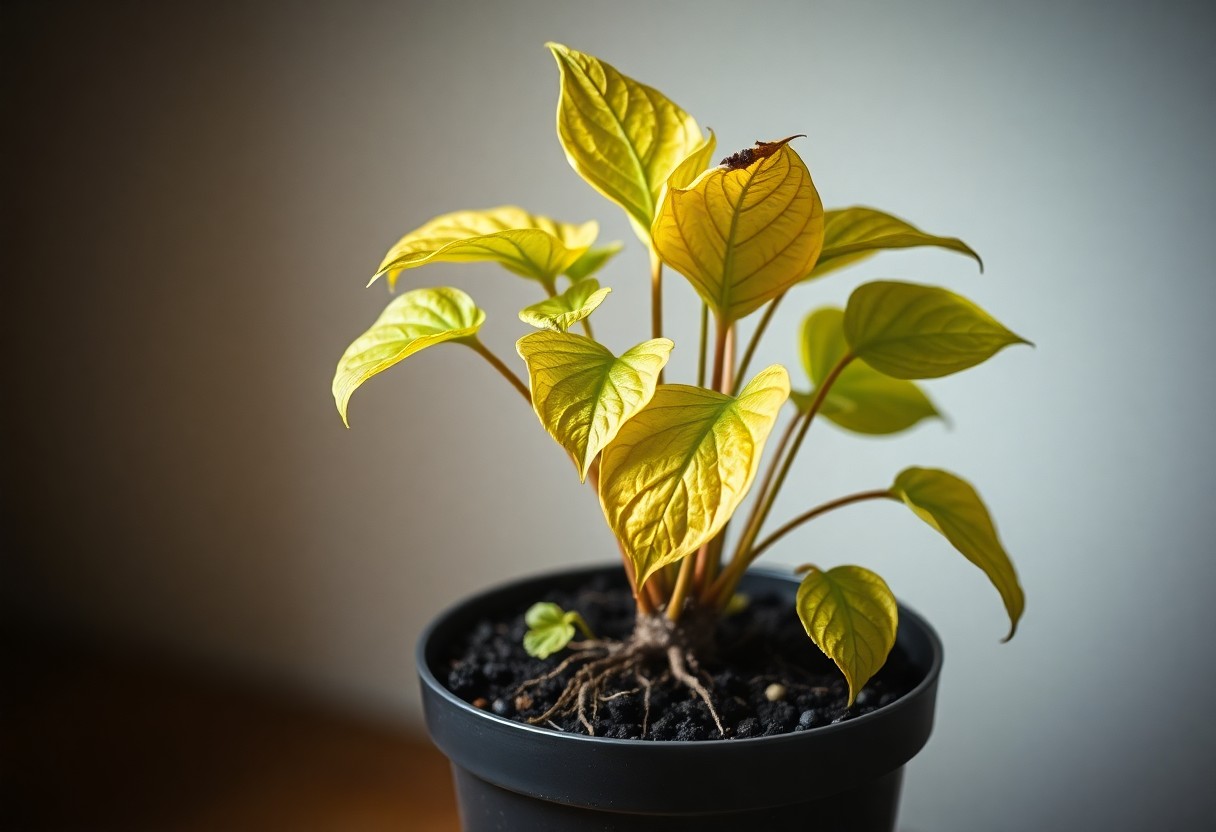
For many plant owners, identifying signs of overwatering can save their beloved greenery from potential harm. Common indicators include yellowing leaves, a wilting appearance despite soggy soil, and root rot, which may lead to an unpleasant smell. Observing these signs can help you take corrective actions before it’s too late.
Overwatering can manifest in various ways in your plants. Yellowing leaves are often one of the first signs, indicating that your plant is struggling to absorb necessary nutrients due to a lack of oxygen. You may also notice wilting in your plants, as stressed roots halt proper nutrient of water uptake. In severe cases, root rot can occur, which can lead to a foul smell and put your plant’s life at risk. By staying vigilant and attentive to these symptoms, you can adjust your watering practices and help your plants thrive.
Common Plant Diseases Due to Overwatering
Assuming you love your plants, it’s easy to mistake overwatering for good care. However, excessive moisture can lead to several plant diseases that can severely compromise their health. When you provide too much water, the roots can’t breathe, leading to damage or even death. Understanding the common diseases caused by overwatering can help you maintain a vibrant, thriving garden.
Root Rot
For many plant parents, root rot is a terrifying consequence of overwatering. This disease occurs when the roots sit in waterlogged soil, leading to anaerobic conditions that promote decay. You may notice yellowing leaves or wilting, even after watering. If left untreated, root rot can quickly kill your plant, making it important to identify the signs early.
Fungal Infections
Root fungal infections thrive in overly moist conditions, making your plants more vulnerable. They can lead to a range of issues, including leaf spots, wilting, and even plant death. To combat these infections, you need to ensure proper drainage and airflow around your plants.
At times, fungal infections can wreak havoc on your plants, causing rapid deterioration if not managed promptly. You may see symptoms like black or brown spots on leaves, which indicate that fungi are taking hold. To combat this, allow your soil to dry out between waterings and consider using fungicides if the situation worsens. Prevention is always better than cure; so ensure good air circulation and select well-draining soil to keep your plants healthy.
Identifying Symptoms of Overwater-Related Diseases
Any gardener should be aware of the signs of overwatering, as it can lead to serious plant diseases. By closely observing your plants, you can catch early symptoms that indicate distress. Common indicators include yellowing leaves, wilting, and dropping foliage. Recognizing these symptoms promptly can help you take corrective action before more severe issues arise, ensuring your plants remain healthy and vibrant.
Yellowing Leaves
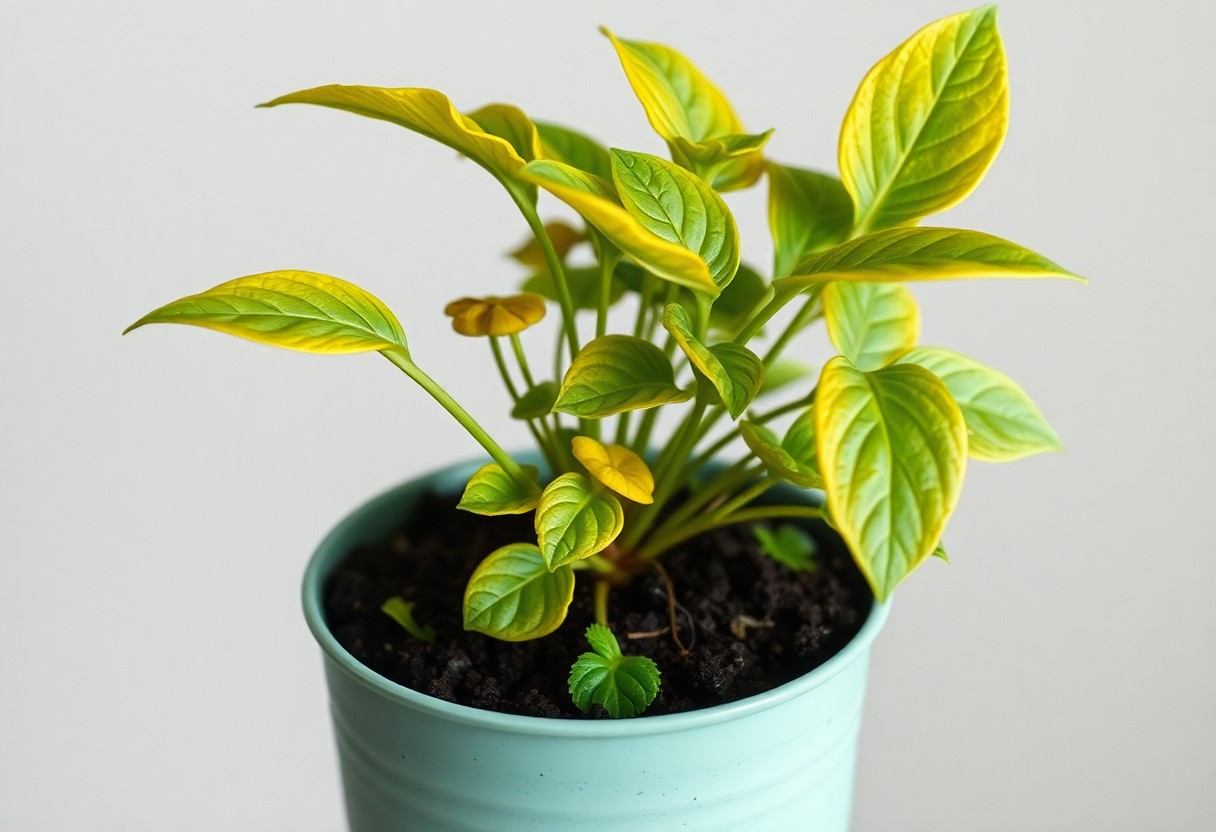
Identifying yellowing leaves is an vital step in diagnosing overwatering. If you notice your plant’s leaves turning yellow and falling off, it may indicate poor drainage or root rot due to excess moisture. This change is often a precursor to more significant issues, and reducing your watering schedule could help restore your plant’s health.
Wilting and Dropping Leaves
Along with yellowing, wilting and dropping leaves can signal that your plant is suffering from too much water. At times, this can be confusing, as plants may also wilt from underwatering. However, if your plant’s soil is consistently wet, it is likely experiencing stress due to overwatering.
Another important aspect to consider is that wilting leaves might indicate that your plant’s roots are suffocating from the lack of oxygen in overly saturated soil. Additionally, the stress of excess water may cause leaves to drop unexpectedly, which can hinder the plant’s ability to photosynthesize efficiently. Be vigilant in monitoring your watering practices to avoid creating a condition that could lead to root rot or other serious issues.
Prevention Strategies
Now that you understand the dangers of overwatering, it’s important to implement prevention strategies to keep your plants healthy. Adjusting your watering habits, optimizing soil conditions, and ensuring proper drainage can significantly reduce the risk of common plant diseases linked to excess moisture. By taking these steps, you can cultivate a thriving garden and protect your plants from unnecessary harm.
Proper Watering Techniques
One of the most effective ways to prevent overwatering is to develop proper watering techniques. Water deeply and infrequently, allowing soil to dry out between watering sessions. This practice encourages roots to grow deeper while minimizing the risk of fungal infections and root rot.
Soil and Drainage Considerations
An important aspect of preventing diseases related to overwatering is ensuring that your plants are in the right soil and have adequate drainage. Choosing the appropriate soil mix and using pots with sufficient drainage holes helps prevent excess moisture from accumulating around the roots.
Further, consider the importance of using well-draining soil, which often contains materials like perlite or sand to enhance drainage. This is particularly important for potted plants, as standing water can lead to severe issues such as root rot and mold growth. Additionally, inspect the drainage holes of your containers and ensure they’re not blocked, as proper drainage is vital for keeping the soil at an ideal moisture level. By investing time in the right soil mix and drainage solutions, you can significantly boost your plants’ health.
Treatment Options
After identifying the signs of plant diseases caused by overwatering, it’s imperative to take immediate action. Treating these ailments involves assessing your watering practices, adjusting environmental conditions, and possibly using fungicides to restore your plants’ health. Keep in mind that prompt intervention can save your beloved plants from further damage.
Managing Root Rot
Between identifying root rot and treating it, you should carefully remove your plant from its pot to examine the roots. Trim away the blackened, mushy roots, and allow the healthy roots to dry out before replanting in fresh, well-draining soil. Adjust your watering schedule to prevent future occurrences.
Addressing Fungal Infections
With adequate care and the right approach, you can effectively address fungal infections in your plants. Fungal issues often arise from excess moisture, so it’s important to ensure your plants receive proper light and airflow. Regularly inspect your plants for signs of infection, and treat them promptly.
Options for tackling fungal infections include using fungicides specifically formulated for your type of plant. Neem oil is a popular choice, providing both preventative and curative benefits. Additionally, you might consider removing affected leaves and improving air circulation to help combat the spread of fungi. Maintaining a balanced watering routine is key; you should allow the soil to dry between watering sessions to discourage fungal growth.
Best Practices for Healthy Plant Care
Many plants thrive when you adopt best practices for their care. Ensure proper watering techniques by checking soil moisture before watering, as overwatering can lead to root rot and other diseases. Utilize well-draining soil and pots with drainage holes to prevent excessive moisture buildup. Additionally, providing the right amount of sunlight and using appropriate fertilizers will foster vibrant growth. By prioritizing these methods, you can maintain healthy, happy plants that flourish in your home or garden.
Regular Monitoring
About taking the time to regularly monitor your plants can significantly improve their health. Check for signs of stress, such as yellowing leaves or wilting, which may indicate overwatering or inadequate light. Regular inspections of soil moisture levels and pest presence can also prevent minor issues from escalating into serious problems. By paying close attention to your plants, you can address potential concerns early and ensure they remain in optimal health.
Educating Yourself on Plant Needs
Any successful plant caregiver knows the importance of understanding your plants’ specific requirements. Researching the individual needs of each plant species, including their ideal soil type, sunlight exposure, and water intake, is vital for fostering their well-being. By familiarizing yourself with your plants’ needs, you can create a nurturing environment that promotes healthy growth and longevity.
Plant care is not one-size-fits-all; each species has unique requirements that direct its growth. Understanding the specific light, water, and nutrient needs of your plants can lead to improved health and vitality. For instance, some plants thrive in direct sunlight while others prefer shaded areas. Additionally, proper fertilization can enhance growth, but over-fertilizing can harm your plants. Investing time in research can equip you with the knowledge needed to tailor your care routine effectively and enjoy vibrant, flourishing plants.
Final Words
From above, it’s clear that overwatering can lead to a variety of detrimental plant diseases, ultimately harming your garden’s health. By being mindful of your watering habits and recognizing the signs of overwatering, you can prevent these issues and promote a thriving plant environment. Adjusting your watering routine not only protects your plants but also enhances your gardening experience. Take the time to educate yourself on proper techniques, ensuring your plants receive the right balance of moisture they need to flourish.