
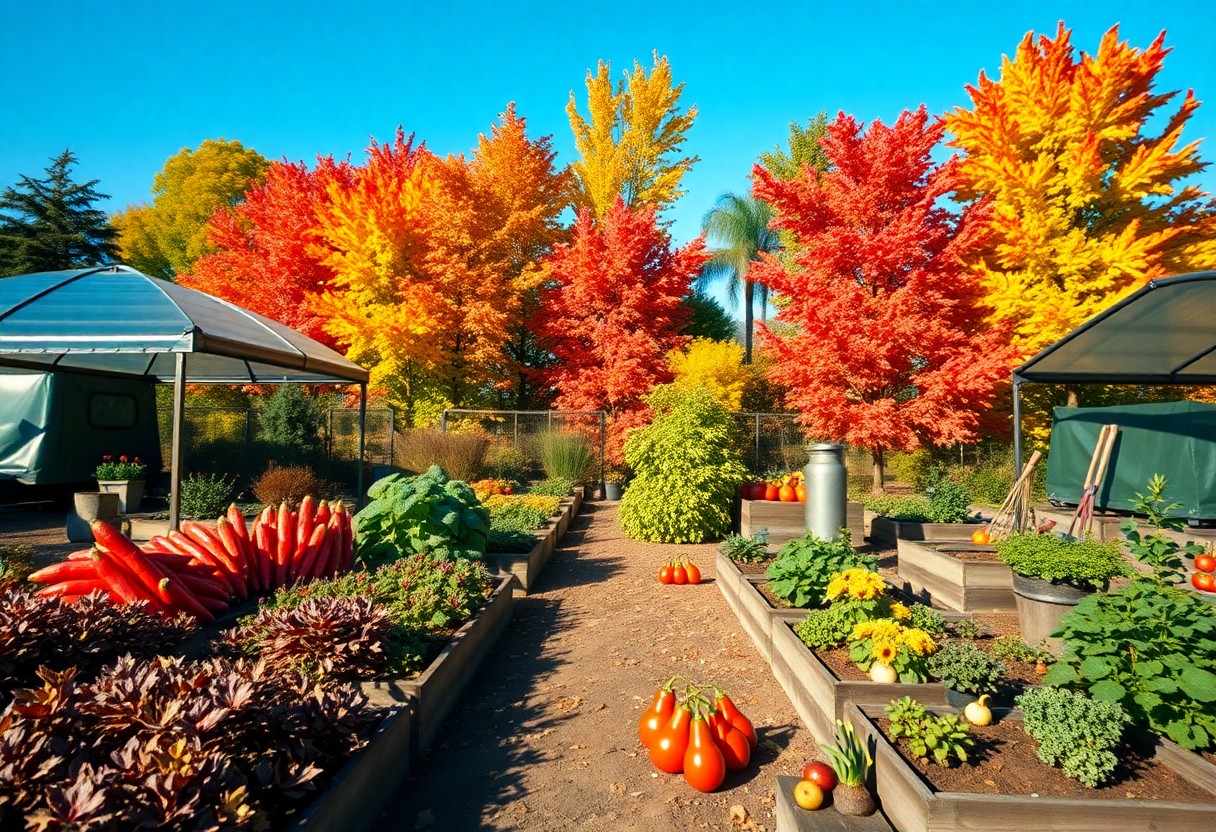
You can enjoy your garden longer by implementing some effective fall gardening tips. As temperatures drop, you should take action to protect your plants, ensuring they thrive during the cooler months. Utilizing season-extending techniques, like cold frames and row covers, can help shield your crops from frost. Additionally, consider planting hardier varieties that can withstand the chill. With the right preparation, you can effectively maximize your harvest and maintain a vibrant garden well into fall. Dive into these strategies to transform your gardening experience this autumn!
Understanding Your Climate
For successful fall gardening, it’s crucial to grasp your local climate. Each garden has specific conditions that affect plant growth, from temperature ranges to rainfall patterns. Understanding your local climate not only helps you choose the right plants but also allows you to plan your gardening activities effectively. Pay attention to the changes in your surroundings as the seasons transition, and adjust your gardening strategies accordingly for optimal results.
Hardiness Zones
To identify which plants thrive in your area, familiarize yourself with the USDA Plant Hardiness Zone Map. This map categorizes regions based on average annual minimum temperatures, enabling you to select plants that can withstand your local climate. Knowing your hardiness zone aids in making informed decisions about which perennials, shrubs, and vegetables to plant in the fall, ensuring they can survive the winter months.
Seasonal Weather Patterns
Beside understanding your hardiness zone, analyzing seasonal weather patterns is vital for effective fall gardening. Track changes in temperature, precipitation, and frost dates to make informed choices about what to plant and when to plant it. This awareness helps you anticipate potential challenges and prepare accordingly.
The ability to recognize the fluctuating conditions in your area can make a significant difference in your gardening success. The changing temperatures and patterns of precipitation throughout fall can impact not only the health of your plants but also your overall yield. For example, an unexpected early frost could damage tender plants; thus, knowing your area’s typical weather can help you protect your crops with row covers or other protective measures. By staying informed, you can adapt your gardening practices and make the most of the shorter growing season.
Choosing the Right Crops
It’s crucial to select crops that thrive in cooler temperatures to maximize your fall garden’s productivity. When choosing the right crops, consider your local climate, available sunlight, and the typical first frost date to ensure you plant vegetables that will flourish before cold weather sets in.
Cool-Season Vegetables
For successful fall gardening, focus on cool-season vegetables such as spinach, kale, and broccoli. These plants are designed to withstand lower temperatures and can actually become sweeter after a frost, giving you delicious yields well into the fall months.
Perennial Options
Choosing perennial options for your garden can provide you with a reliable harvest year after year. By incorporating plants like asparagus and rhubarb, you not only save time and effort in replanting each season but also benefit from the long-term advantages of established root systems.
Cool-season perennials like asparagus and rhubarb are fantastic choices for extending your garden’s productivity. These plants come back year after year, requiring minimal maintenance once established. They thrive in cooler temperatures and can tolerate frost, allowing you to enjoy fresh produce well into the fall. Planting perennials also enhances your garden’s biodiversity, helping to create a balanced ecosystem while bringing stability and resilience to your gardening efforts.
Soil Preparation Strategies
The key to a successful fall garden begins with proper soil preparation. As temperatures drop, you need to ensure your soil is rich and capable of supporting healthy plant growth. Start by testing your soil pH and nutrient levels, and amend your soil with organic matter, such as compost or well-rotted manure. This will promote better drainage and enhance soil fertility, making it ideal for autumn crops.
Improving Soil Quality
Any gardener looking to boost the productivity of their fall garden should focus on enhancing soil quality. Incorporating organic matter, such as compost or aged manure, can significantly improve soil structure and nutrient availability. Additionally, consider rotating crops to prevent soil depletion while introducing cover crops, which can further enrich the soil and protect it during the off-season.
Mulching Techniques
For maintaining moisture and protecting your soil, mulching is an effective technique. Apply a layer of organic mulch, such as straw or wood chips, around your plants to regulate temperature and retain moisture. This simple step will not only help in preventing weeds but also contribute to the gradual release of nutrients as it breaks down, fostering a healthy environment for your crops.
Improving your mulching technique can greatly benefit your fall garden. By applying a layer of organic mulch like straw or shredded leaves, you create an insulating layer that protects your soil from temperature fluctuations. This also minimizes weed competition and reduces moisture evaporation, allowing your plants to thrive through the cooler months. Be sure to maintain a thickness of at least 2-4 inches to achieve optimal results. As the mulch breaks down, it enriches the soil with valuable nutrients, creating a healthier garden ecosystem for your plants to flourish.
Effective Planting Techniques
Keep in mind that utilizing effective planting techniques can significantly enhance your fall garden’s yield. By applying methods like succession planting and companion planting, you can maximize your space and encourage plant health. Selecting the right season-ending crops and varying your planting schedule will ensure you take full advantage of your growing season while providing your garden with a lively and diverse environment.
Succession Planting
One strategy to extend your harvest is by practicing succession planting. This approach involves sowing seeds or transplanting seedlings at intervals to ensure a continuous supply of fresh produce. By timing your plantings based on the maturity of previous crops, you can enjoy a longer harvest window and keep your garden abundant well into the fall.
Companion Planting
Along with succession planting, companion planting offers another effective way to boost your garden’s productivity. By strategically placing plants that naturally enhance each other’s growth, you can improve yields and minimize pests. For instance, pairing basil with tomatoes not only enhances the flavor of the tomatoes but also repels harmful insects.
Succession planting allows you to maximize the use of your garden space and has the potential to provide a continuous harvest throughout the fall. By staggering your plantings and incorporating different crops, you can minimize waste while enjoying a variety of flavors. It’s important to be aware of shorter days and cooler temperatures, as these factors can affect growth rates. Understanding these elements and utilizing succession planting will keep your garden productive and enjoyable.
Managing Pests and Diseases
To successfully extend your growing season, managing pests and diseases is necessary. As temperatures cool, pests may seek shelter in your garden, while diseases can thrive in damp conditions. Regular monitoring and prompt action can help you address these issues before they escalate. Implementing good gardening practices, such as crop rotation and proper sanitation, will support your efforts to keep your plants healthy and thriving.
Organic Pest Control
Organic methods for pest control are both safe and effective for your garden. You can use natural predators, like ladybugs or lacewings, to manage pests without harming beneficial insects. Additionally, homemade solutions such as neem oil or insecticidal soap can provide relief from infestations while being less harmful to the environment.
Disease Prevention Methods
After identifying potential threats, implement disease prevention methods to safeguard your crops. Practicing crop rotation, choosing resistant varieties, and ensuring proper airflow can help minimize disease outbreaks. Adopting a routine of inspecting your plants regularly will allow you to spot any early signs of trouble, allowing for prompt action to protect your garden.
Managing diseases effectively requires vigilance and a proactive approach. Regularly inspect your plants for symptoms such as wilting, discoloration, or spots, as these could indicate underlying problems. Maintain plant spacing to improve airflow and reduce humidity around foliage, which can lead to fungal infections. Additionally, removing and destroying infected plants promptly will prevent the spread of disease to healthy specimens. By taking these steps, you’ll strengthen your plants’ defenses and promote a bountiful harvest.
Extending the Season
After the first frost warning, it’s important to take action if you want to continue enjoying fresh produce from your garden. Implementing some smart strategies can help you extend your growing season well into the cooler months. By using protective coverings and structures, you can create a conducive environment for your plants, keeping them safe from early freezes while providing adequate warmth and light.
Row Covers and Cloches
Beside traditional methods, using row covers and cloches can significantly enhance your garden’s resilience against cold temperatures. These lightweight protective structures act as insulation, trapping heat and shielding your plants from frost. You can easily create your own with materials like plastic sheeting or fabric, allowing for a tailored fit over your rows and individual plants alike.
Cold Frames and Greenhouses
Cloches provide a simple solution for individual plants, but if you’re looking to take your fall gardening to the next level, consider investing in cold frames or greenhouses. Cold frames are imperatively mini-greenhouses that allow you to start seedlings earlier in the spring and keep your existing plants thriving during the fall. They maintain a stable temperature and create a protective microclimate. Greenhouses, while more of an investment, give you even greater control over environmental conditions, extending your growing season by months. With both options, you’ll be able to enjoy fresh fruits and vegetables long after the harvest season has officially ended.
Conclusion
Presently, implementing fall gardening tips allows you to extend your growing season and maximize your harvest. By selecting the right crops, utilizing protective coverings, and managing soil health, you can continue to enjoy fresh produce well into the cooler months. Embrace the beauty of fall by adjusting your gardening strategies effectively, ensuring your garden remains productive and vibrant. With these tips, you can confidently cultivate a thriving autumn garden that will reward you with seasonal bounty.