
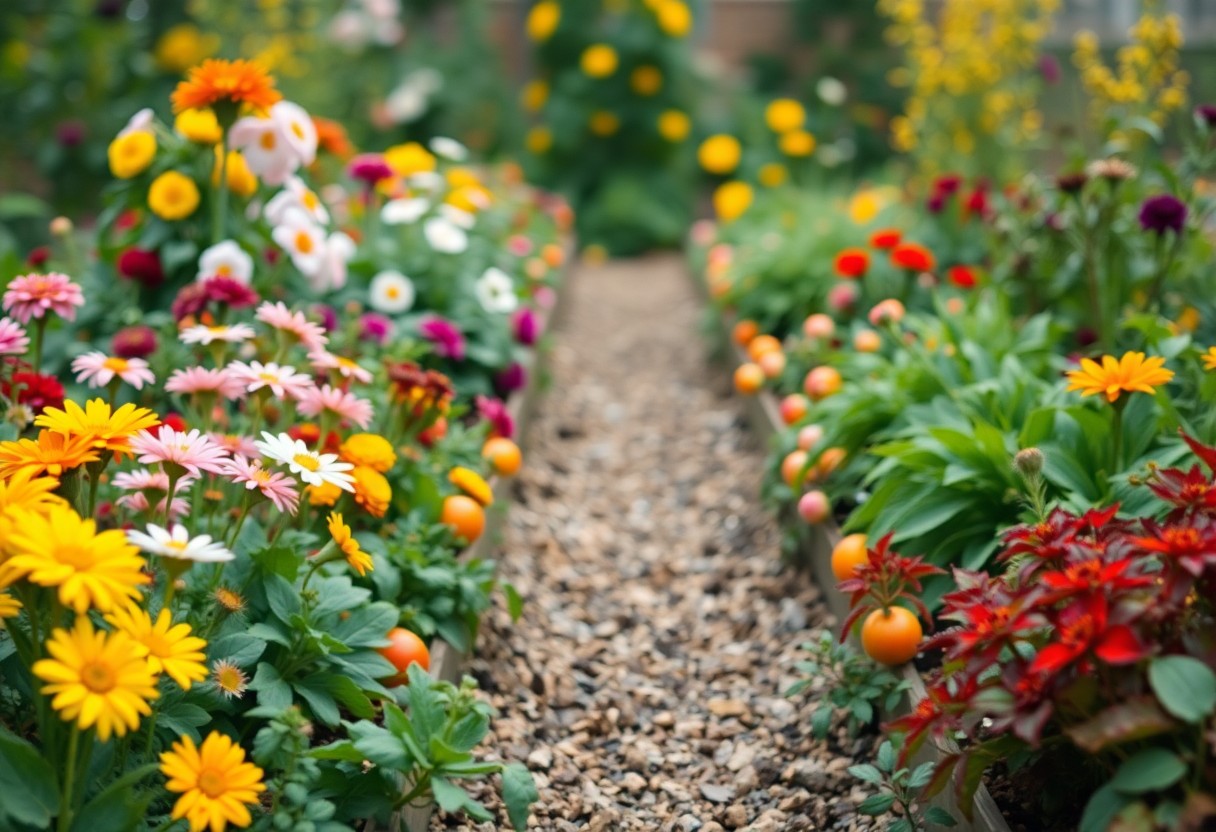
You may be wondering when to plant your favorite flowers, vegetables, or herbs. Timing is imperative for a thriving garden, and understanding what to sow throughout the year can greatly impact your success. In this informative guide, you’ll learn the best seasonal planting strategies to optimize your gardening experience. From the vibrant blooms of spring to the hearty harvests of fall, this beginner’s calendar will help you plan accordingly, ensuring a bountiful garden, regardless of your experience level!
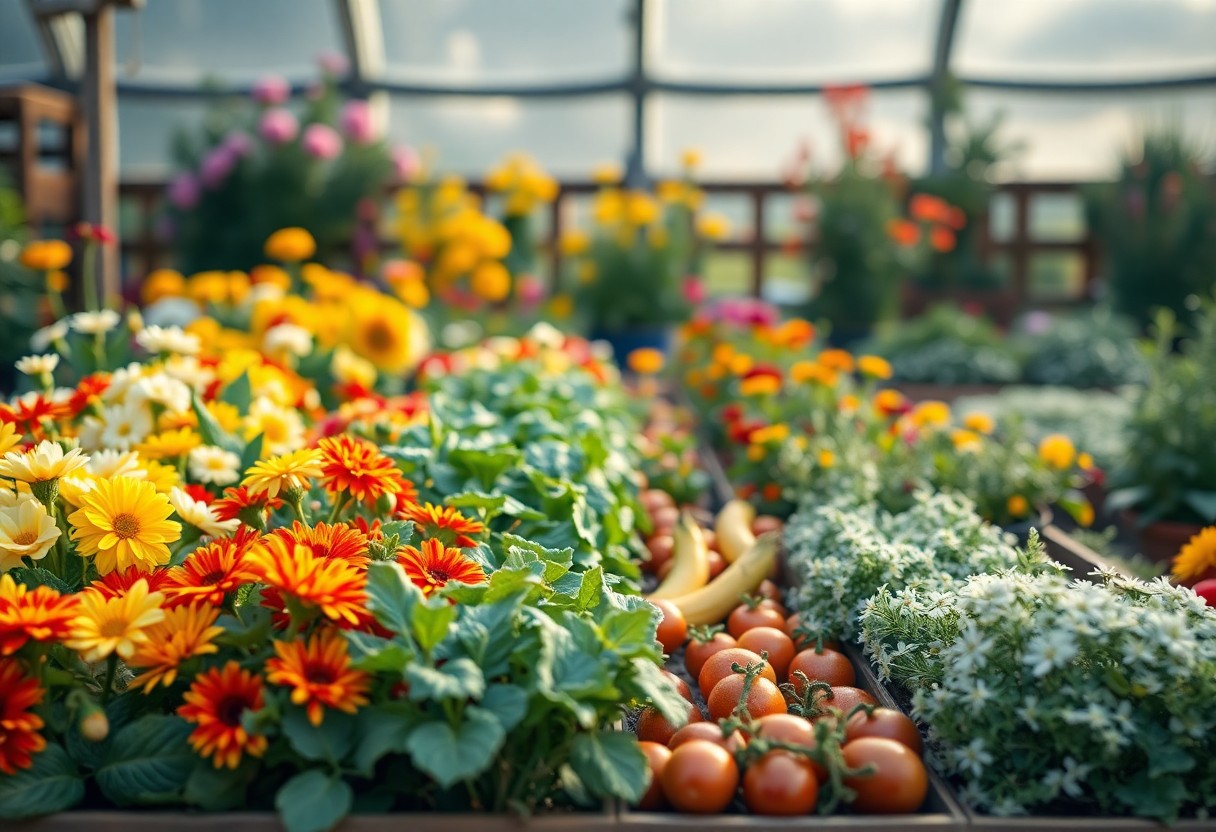
Spring Planting
For those eager to embrace the growing season, spring is the perfect time to kickstart your garden. As temperatures rise and daylight hours increase, you can start planting various crops that thrive in the warmer climate. This is the moment to take advantage of the fresh energy of spring to sow seeds or transplant seedlings, ensuring a bountiful harvest ahead.
Early Spring Vegetables
Among the first vegetables to sow in early spring are peas, spinach, and radishes. These crops are not only quick to germinate but also thrive in cooler soil temperatures. You can directly sow them into your garden, and soon, you’ll be rewarded with tender greens and vibrant veggies that signify the arrival of spring.
Flowers to Plant in Spring
Early in spring, you can add beautiful blooms to your garden. Pansies, snapdragons, and daisies are excellent choices as they tolerate the chill of early spring nights while offering color and vibrancy. Not only do these flowers brighten up your outdoor space, but they also attract beneficial pollinators, creating a lively ecosystem.
Indeed, planting flowers in spring is not only about aesthetics; it enhances your garden’s biodiversity. By choosing perennials and annuals that bloom at different times, you can ensure a continuous display of color throughout the season. Ensure to select well-draining soil and water adequately as the flowers establish themselves. Your spring garden will flourish and serve as a welcoming haven for beneficial insects and butterflies alike, enhancing the overall health of your garden.
Summer Planting
While summer is often associated with carefree days, it’s also a prime time for planting a variety of fruits, vegetables, and flowers that thrive in warm weather. Choosing the right plants can elevate your garden’s productivity and aesthetic appeal. Be sure to focus on varieties that can withstand the heat and enjoy the longer daylight hours.
Mid-Season Vegetables
Between late spring and mid-summer, this is the optimal period to plant mid-season vegetables such as beans, cucumbers, and peppers. These crops flourish in the warmer temperatures and will provide you with a bountiful harvest if nurtured correctly. Watering regularly and mulching can help retain moisture and promote healthy growth during hotter weeks.
Summer Flower Varieties
Summer brings an array of vibrant flowers that can brighten up your garden. Plants such as sunflowers, zinnias, and marigolds thrive during these months, adding splashes of color and attracting beneficial pollinators. With careful selection, you can create a thriving floral display that enhances your outdoor space.
Understanding the summer flower varieties you choose to plant is vital for a colorful garden. Flowers like sunflowers are not only stunning but can also provide food sources for local wildlife. Meanwhile, marigolds can act as natural pest deterrents, helping to keep your garden healthy. In addition to looks, zinnias offer a long blooming period, ensuring your garden is lively all summer long. Select your flowers wisely to maximize both beauty and utility!
Fall Planting
One of the best times to get your garden ready is during the fall. As the weather cools down, many plants thrive in these conditions. This season is ideal for planting a variety of vegetables and flowers, ensuring that you have a bountiful garden next spring and summer. Fall planting not only enhances the beauty of your landscape but also allows you to maximize your growing season.
Cool-Weather Crops
Below are some excellent cool-weather crops to consider for fall planting. Vegetables like kale, spinach, carrots, and Brussels sprouts thrive in the brisk temperatures of autumn. These crops not only withstand frost but often taste better after a chill. By planting them in the fall, you can enjoy fresher and hardier produce over the winter months.
Perennial Flowers and Bulbs
For lasting beauty in your garden, add perennial flowers and bulbs in the fall. Planting them now allows the roots to establish themselves before winter, resulting in vibrant blooms come spring. Popular options include daffodils, tulips, and hyacinths, which will bring color and life to your garden after the frost melts away.
Even though many gardeners overlook the importance of fall planting, it significantly benefits your garden. Perennial flowers not only increase in vibrancy each year but also reduce maintenance costs over time since they return every spring. Bulbs like tulips and daffodils provide a stunning display of color and mark the changing seasons. Choosing the right plants for fall ensures that you have a lively garden waiting for you when the weather warms up.
Winter Preparation
Once again, as winter approaches, it’s time to focus on winter preparation to ensure your garden remains healthy and vibrant for the upcoming spring. Protect your plants from harsh weather by adding mulch or covering them with frost blankets. If you have perennials, consider cutting them back and preparing them for their dormant phase. Assess your tools and tidy up your gardening space, allowing you a fresh start for the new growing season.
Planning for Next Season
Preparation for next season involves evaluating what worked well in your garden and what did not. This winter, take time to research new plants and techniques that might enhance your garden’s productivity. Start creating a planting schedule based on your local climate, and outline your garden layout to optimize space and sunlight. The more detailed your plan, the smoother your gardening experience will be when spring arrives.
Indoor Gardening Options
Planning for indoor gardening can bring some green into your winter months. You can cultivate herbs, succulents, or even small vegetables right in your home. Set up a well-lit area with grow lights if natural sunlight is limited. Consistent watering and monitoring the humidity levels are vital for the success of your indoor plants.
Considering indoor gardening can be a rewarding winter project that brings life into your home. You can grow fresh herbs like basil and parsley, which will enhance your meals. Succulents require minimal care and brighten your space, while small vegetables such as lettuce and radishes can thrive indoors with the right conditions. By dedicating a small area to indoor plants, you not only beat the winter blues but also reap the benefits of harvesting your homegrown produce throughout the colder months.
Seasonal Gardening Tips
Keep your garden thriving all year long with these imperative seasonal gardening tips:
- Choose the right plants for each season.
- Monitor weather patterns to protect your garden.
- Utilize mulch to conserve moisture.
- Rotate your crops to avoid pest issues.
Thou shall enjoy a vibrant garden with these well-timed practices!
Soil Preparation Techniques
Below are effective soil preparation techniques to enhance your garden’s productivity. Start by testing your soil’s pH level, and incorporate organic matter such as compost or aged manure. Additionally, tilling your garden bed will aerate the soil, improving drainage and nutrient distribution. Ensuring the right texture and fertility will create a robust foundation for your plants to flourish.
Pest Management Strategies
Seasonal pest management is imperative for preserving your garden’s health. Begin with preventive measures such as companion planting and crop rotation to naturally deter pests. Employ organic insecticides and beneficial insects like ladybugs and lacewings to target harmful infestations without harming your plants. Regularly inspect your garden to identify any early signs of trouble.
Techniques like these foster a balanced ecosystem in your garden, encouraging beneficial insects to thrive while minimizing harmful pests. Integrating practices such as natural repellents and an organic approach will not only protect your plants but also contribute positively to your garden’s overall health. Maintaining vigilant observation ensures that you address issues before they escalate, securing your plants’ survival throughout the seasons.
Resources for Beginners
Now that you’re ready to start your gardening journey, having access to quality resources is vital. You can find valuable information in books, online communities, and local gardening clubs that will help you grow your skills and confidence. With the right guidance, you’ll cultivate a thriving garden that brings you joy and satisfaction throughout the seasons.
Recommended Books and Guides
Any beginner gardener will benefit from a well-rounded selection of books and guides that cover the basics of planting, care, and techniques. Look for titles that emphasize local gardening practices, seasonal planting, and organic methods. These resources provide a solid foundation for successful gardening and can serve as reference materials throughout your journey.
Online Gardening Communities
Among the wealth of information available, online gardening communities can offer you an interactive and supportive environment where you can learn from fellow enthusiasts. These platforms can connect you with experienced gardeners who share their insights, tips, and troubleshooting advice.
Beginners can leverage online gardening communities to seek advice, share experiences, and ask questions in a friendly, welcoming space. Engaging with others who are passionate about gardening can enhance your understanding and expose you to various gardening techniques and challenges. Just be cautious and verify the information you receive, as not all advice is reliable. Embrace the positive interactions, and you may even find friends who share your passion for cultivating plants!
Final Words
On the whole, understanding what to plant in each season sets the foundation for a thriving garden. By familiarizing yourself with the seasonal planting calendar, you can optimize growth and yields throughout the year. Your choices will depend on local climate and specific growing conditions, but sticking to this guide gives you a solid framework. Embrace the seasonal rhythms, adapt as necessary, and enjoy the rewarding journey of nurturing your garden. With this knowledge, you are well-prepared to cultivate lush and productive plants season after season.