
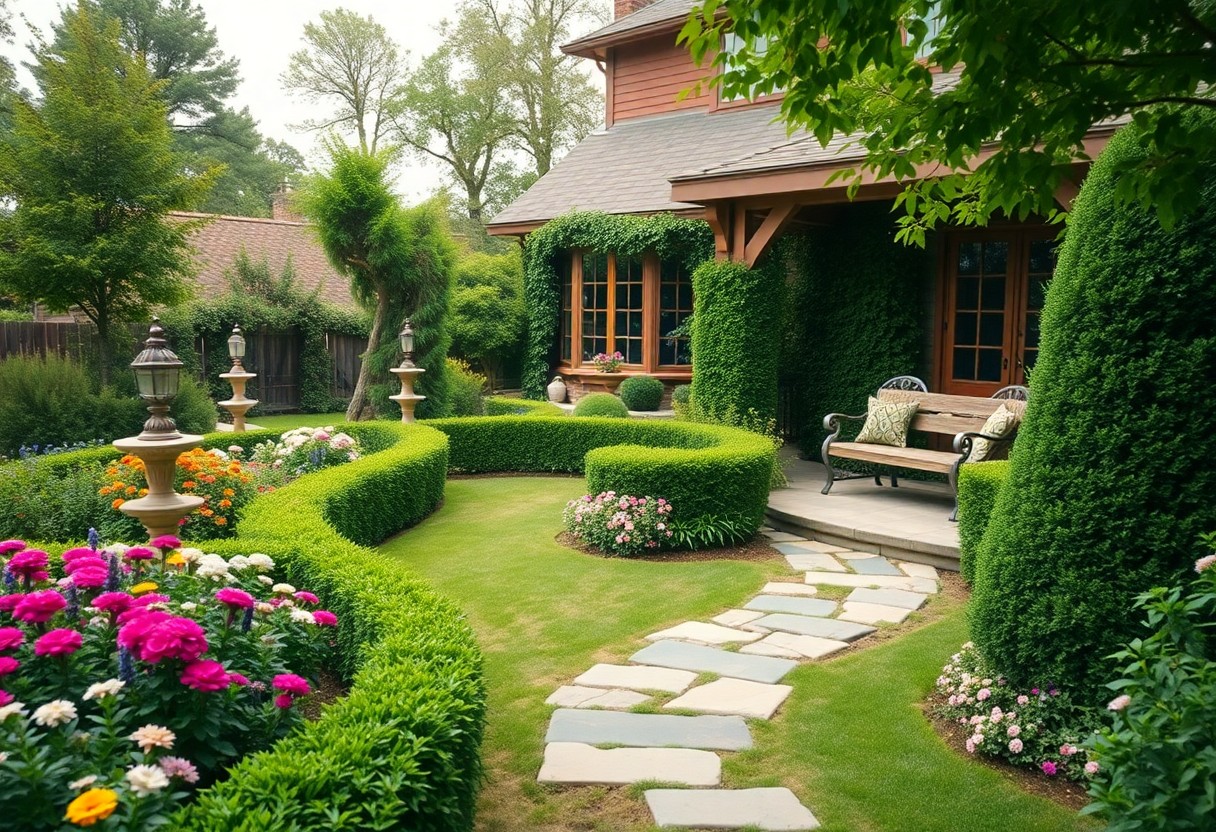
With the right techniques and insights, you can transform your outdoor space into a stunning garden oasis. By understanding the fundamentals of landscape design, including plant selection, layout, and maintenance, you can create an inviting environment tailored to your needs. Emphasizing the importance of balance and harmony in your garden will not only enhance its visual appeal but also boost your home’s value. Get ready to roll up your sleeves and craft a beautiful landscape that reflects your style and elevates your property’s charm.
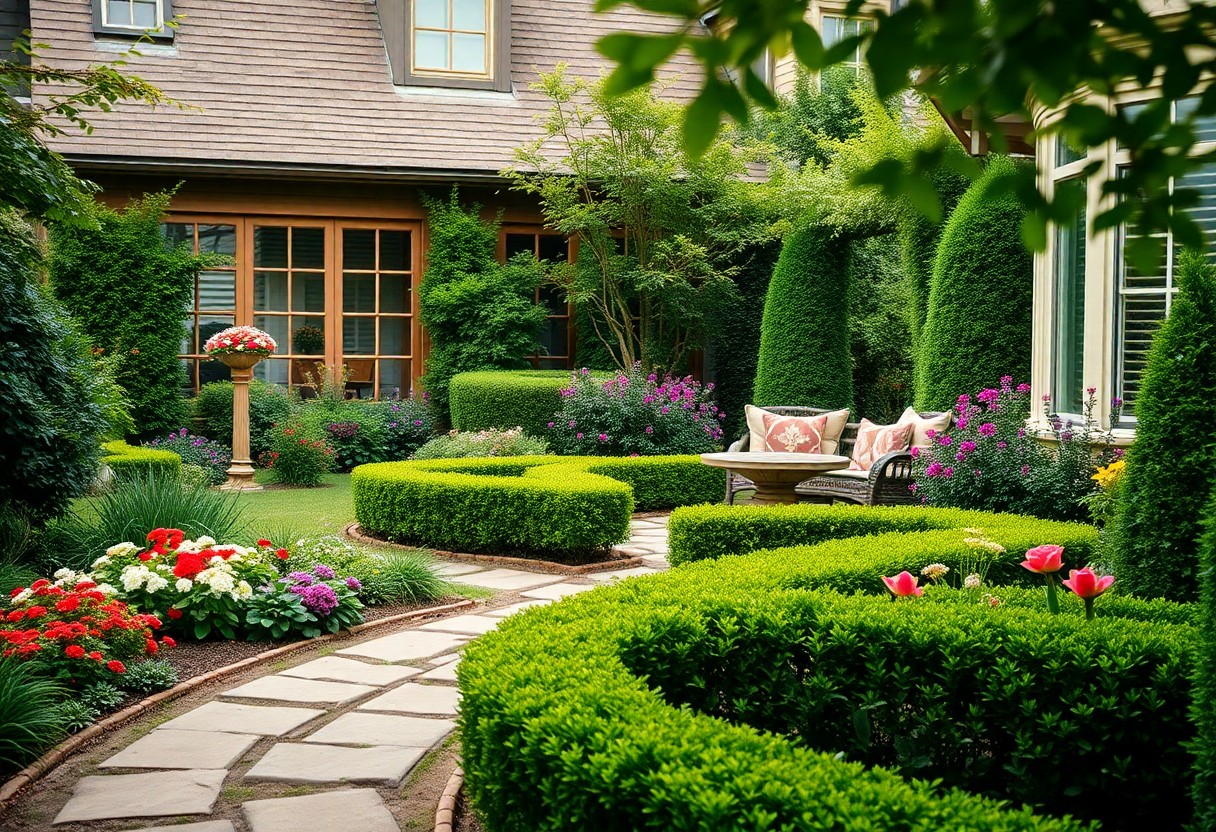
Understanding Your Landscape
While designing your garden, it’s imperative to have a solid grasp of your existing landscape. Analyzing your property’s strengths and weaknesses will help you create an inviting outdoor space that meets your needs. Consider elements such as topography, climate, and exposure to the elements, which will all influence your landscaping decisions. Understanding these factors can assist you in making informed choices in plant selection and layout.
Assessing Your Space
The first step in designing your garden is assessing your space, which involves measuring the dimensions of your yard and noting its features. Create an overview that highlights:
- dimensions
- existing vegetation
- obstacles
- access points
- utilities
This will give you a comprehensive view of what you have to work with.
Identifying Soil Types
Soil quality significantly influences what plants thrive in your garden. You can start identifying soil types by performing a simple test. Common types include:
| Clay | Heavy, retains water. |
| Sandy | Drains quickly, low nutrients. |
| Silty | Fertile and smooth. |
| Loamy | Best combination, ideal for gardens. |
| Peaty | Rich in organic matter. |
This understanding will guide your plant choices and soil amendments.
And, nurturing your garden starts with knowing the soil type and how to manage it. Test your soil for pH and nutrients using simple kits available at garden centers. Each soil type has its own characteristics:
- Clay – retains moisture
- Sandy – dries out quickly
- Silty – fertile, holds nutrients
- Loamy – well-balanced
- Peaty – acidic and rich
This detailed understanding encourages you to make adjustments for optimal plant growth.
Evaluating Sunlight and Shade
For a successful garden, you need to evaluate areas of sunlight and shade throughout the day. Chart patterns of sunlight exposure and shade to spot:
- full sun (6+ hours)
- partial shade (3-6 hours)
- full shade (less than 3 hours)
- reflected heat
- microclimates
Your plant selection will depend on these light conditions.
Understanding sunlight and shade dynamics in your garden helps promote healthy plant growth. Each plant has specific sunlight requirements, so recognizing where these conditions exist is key. Location considerations can greatly impact growth and health, with full sun plants thriving best in bright areas, while shade-loving varieties prefer cooler, sheltered spots. Additionally, keep an eye on seasonal changes, as shifting light patterns can affect plant performance throughout the year.
Designing Your Garden Layout
One of the most exciting aspects of gardening is planning your layout. Start by identifying the areas in your yard that receive different amounts of sunlight, as well as the soil type and drainage. Calculate the dimensions you have to work with and sketch out a simple plan. This will help you visualize how plants, structures, and pathways will interact within your space, creating a harmonious design suited to your style and needs.
Principles of Landscape Design
At the core of effective landscape design are the principles of balance, unity, rhythm, and scale. By ensuring that your elements are proportionate and work together cohesively, you can create a space that feels both inviting and aesthetically pleasing. Consider how different plants, colors, and textures can complement each other while maintaining a flow that resonates with your personal taste.
Creating Focal Points
For a visually engaging garden, you need to establish focal points that draw the eye and provide orientation. These can be achieved through standout plants, garden art, or structures like benches or trellises. By strategically placing these elements, you create a visual hierarchy that adds interest to your landscape.
It’s important to choose focal points that resonate with the overall theme of your garden. Whether you opt for a vibrant flower arrangement or a stunning sculpture, ensure that it contrasts well with the surroundings. By using different heights, colors, and textures, your chosen focal point can guide your visitors’ eyes through the garden, making it a captivating experience.
Pathways and Flow
Behind every successful garden design is a well-planned pathway system that guides visitors and enhances the flow of your space. Thoughtful placement and materials can turn mundane walkways into beautiful passages, encouraging exploration and appreciation of your garden’s beauty.
In addition to aesthetics, effective pathways should prioritize safety and accessibility. Use materials that provide good traction and consider the width of paths to accommodate movement. By creating a seamless transition between areas, you can make the garden feel more inviting and encourage leisurely strolls while ensuring a comfortable experience for everyone.
Selecting the Right Plants
After determining your garden’s style and layout, the next step is selecting the right plants that will thrive in your space. Consider factors such as sunlight, soil type, and the climate in your region while choosing plants. It’s vital to create a balanced selection that combines various sizes, textures, and colors, ensuring visual interest throughout the seasons. Additionally, think about how different plants interact with each other to promote a harmonious ecosystem in your garden.
Native vs. Non-Native Plants
Non-native plants can sometimes enhance your garden’s appeal, but they may also pose challenges. While some non-native species may adapt well, they might require specific care and can disrupt local ecosystems. In contrast, native plants are well-suited to your area’s climate and soil conditions, often leading to healthier gardens with less maintenance. When opting for plants, consider prioritizing native options for a sustainable and flourishing landscape.
Planting for Color and Seasons
Any successful garden showcases a variety of colors and textures throughout the year. By choosing a mix of plants that flower in different seasons, you can create a dynamic display that ensures your garden remains vibrant and engaging. Select early spring bloomers, followed by summer perennials, and finish with fall foliage to maintain visual interest.
Even when planning for seasonal color, think about how the plants interact with each other and the surrounding landscape. Grouping plants by bloom time or color can enhance impact and create a more cohesive aesthetic. Layering plant heights will also add depth, while evergreens can provide a backdrop during the winter months. A strategically planned palette will not only bring beauty but also provide habitat for local wildlife.
Considerations for Maintenance
Before planting, assess the maintenance requirements of your chosen plants. Some plants demand more attention, such as frequent pruning, watering, or fertilization, whereas others are low-maintenance and can thrive with minimal intervention. Understanding your commitment level will help you select plants that align with your lifestyle.
The need for ongoing maintenance can significantly impact your enjoyment of gardening. You might prefer easy-care varieties that won’t overwhelm you or detract from your leisure time in the garden. Moreover, consider the pruning and watering needs of each plant, as well as any potential pests or diseases they may attract. Tailoring your plant selection based on maintenance preferences ensures your garden remains a source of joy rather than a burden.
Incorporating Hardscaping Elements
Not only does hardscaping provide functionality and structure to your garden, but it also enhances aesthetic appeal. Integrating elements such as patios, walkways, and retaining walls creates defined spaces that encourage exploration and enjoyment of your outdoor environment. Properly planned hardscaping allows you to showcase your plant life while also improving the overall usability of your garden.
Choosing Materials
Between natural stone, concrete, and brick, selecting the right materials for your hardscaping is vital for achieving durability and visual interest. Consider the design style of your home, as well as the local climate when making your choice. For a modern look, sleek concrete slabs may work best, while rustic gardens suit the warmth of natural stone.
Balancing Hardscape and Softscape
Among the most important aspects of landscaping is finding harmony between hardscaping and softscape elements. Striking a balance ensures your garden feels cohesive and inviting, creating a seamless transition between built and natural spaces. The key is to let greenery soften hard surfaces while allowing structured elements to frame your plantings.
Balancing hardscape and softscape is about creating aesthetic connection and functional segregation. Use soft plants to soften the edges of paved areas and create visual paths, while dedicated hard surfaces allow for recreational and walking space. This interplay not only enhances beauty but also improves your garden’s usability, welcoming both nature and structure harmoniously into your outdoor retreat.
Creating Functional Spaces
Before you begin installing hardscaping features, it’s important to consider how you want to use each area of your garden. Designate spaces for entertaining, relaxing, and playing, ensuring that every element serves a purpose while remaining visually appealing. Thoughtful placement of hardscaping can turn your garden into a multifunctional haven.
To create functional spaces, assess your needs and lifestyle. If you love hosting gatherings, consider a hardscaped patio or fire pit area where family and friends can gather. If you have children or pets, ensure there’s a durable, safe surface for play. Incorporating elements like seating walls can provide comfort while remaining a part of the garden’s aesthetics and enhancing overall functionality.
Sustainability in Landscaping
Once again, adopting sustainable landscaping practices not only enhances your garden’s beauty but also promotes environmental well-being. By incorporating eco-friendly techniques, you can create a vibrant space while supporting local ecosystems. Think about native plants, water conservation, and organic methods to foster a lush, sustainable landscape that gives back to nature.
Water Conservation Techniques
Techniques such as drip irrigation, rainwater harvesting, and xeriscaping can drastically reduce your garden’s water consumption. By utilizing these methods, you ensure your plants receive adequate moisture without unnecessary waste, ultimately leading to a more efficient and eco-friendly garden design.
Pollinator-Friendly Practices
Between creating a visually stunning garden and supporting vital ecosystems, incorporating pollinator-friendly practices can significantly enhance your gardening efforts. These practices not only attract beneficial insects like bees and butterflies but also promote biodiversity in your backyard.
In addition to planting a variety of flowers that bloom at different times, consider creating habitats such as bee hotels and butterfly-friendly areas. You can also avoid using harmful pesticides to create a safe and thriving environment for pollinators, ensuring that they can thrive while aiding in the pollination of your plants.
Organic Pest Management
To protect your garden from pests sustainably, explore organic pest management methods that minimize harm to the environment. Techniques such as introducing beneficial insects, using natural repellent sprays, and practicing crop rotation can help maintain a healthy balance in your ecosystem.
A well-planned organic pest management strategy not only protects your plants but also helps foster a vibrant ecosystem. By utilizing natural predators and organic solutions, you can effectively control pest populations while enhancing the health of your soil and plants. This approach not only leads to a safer garden but also promotes sustainable practices that benefit the environment. Engage with your garden in a way that nourishes the earth, encourages biodiversity, and ultimately leads to a thriving, beautiful landscape.
Seasonal Maintenance Tips
To ensure your garden thrives year-round, it’s important to follow a seasonal maintenance routine. Here’s a checklist to keep your landscape healthy:
- Perform soil testing in spring
- Apply mulch to conserve moisture
- Prune overgrown plants in summer
- Clear debris after fall
- Plant winter flowers for seasonal interest
Knowing these maintenance tips will help you create a flourishing garden throughout the seasons.
Spring Preparation
Beside cleaning up winter debris, it’s vital to assess your garden’s health in spring. Start by checking your plants for any signs of damage from the cold. Conduct soil tests to determine nutrient levels, allowing you to amend it accordingly. This preparation sets the foundation for a vibrant growing season.
Summer Care
Preparation for summer involves monitoring your garden closely as the heat can stress your plants. Make sure to provide adequate watering, especially during dry spells, and consider applying a layer of mulch to retain moisture and suppress weeds.
Due to the intense heat, your plants may require extra attention. A consistent watering schedule will be key in keeping your garden hydrated. Opt for early morning or late afternoon to minimize evaporation. Use mulch not only to maintain moisture but also to regulate soil temperature. Furthermore, regularly check for pests and diseases that are more prevalent in summer, ensuring that your landscape remains healthy and attractive.
Fall Cleanup
For optimal garden performance, conducting a fall cleanup is imperative. Clear away fallen leaves, dead plants, and weeds to discourage pests and diseases from overwintering in your garden.
Understanding the importance of fall cleanup will significantly enhance your garden’s health for the next growing season. Removing debris helps prevent disease and keeps pests at bay. Additionally, consider adding a layer of compost to enrich the soil and prepare it for winter. By taking these steps, you set your garden up for a fresh start come spring, ensuring it remains lush and vibrant.
Conclusion
With these considerations in mind, you can elevate your garden design to a professional level. By focusing on elements like plant selection, layout, and maintenance, you can create a vibrant landscape that reflects your personal style. Don’t hesitate to experiment with different materials and styles; your garden should be a reflection of your creativity and environment. Applying these landscaping tips will ensure that your home garden is both beautiful and functional, providing you with a tranquil outdoor space for years to come.