
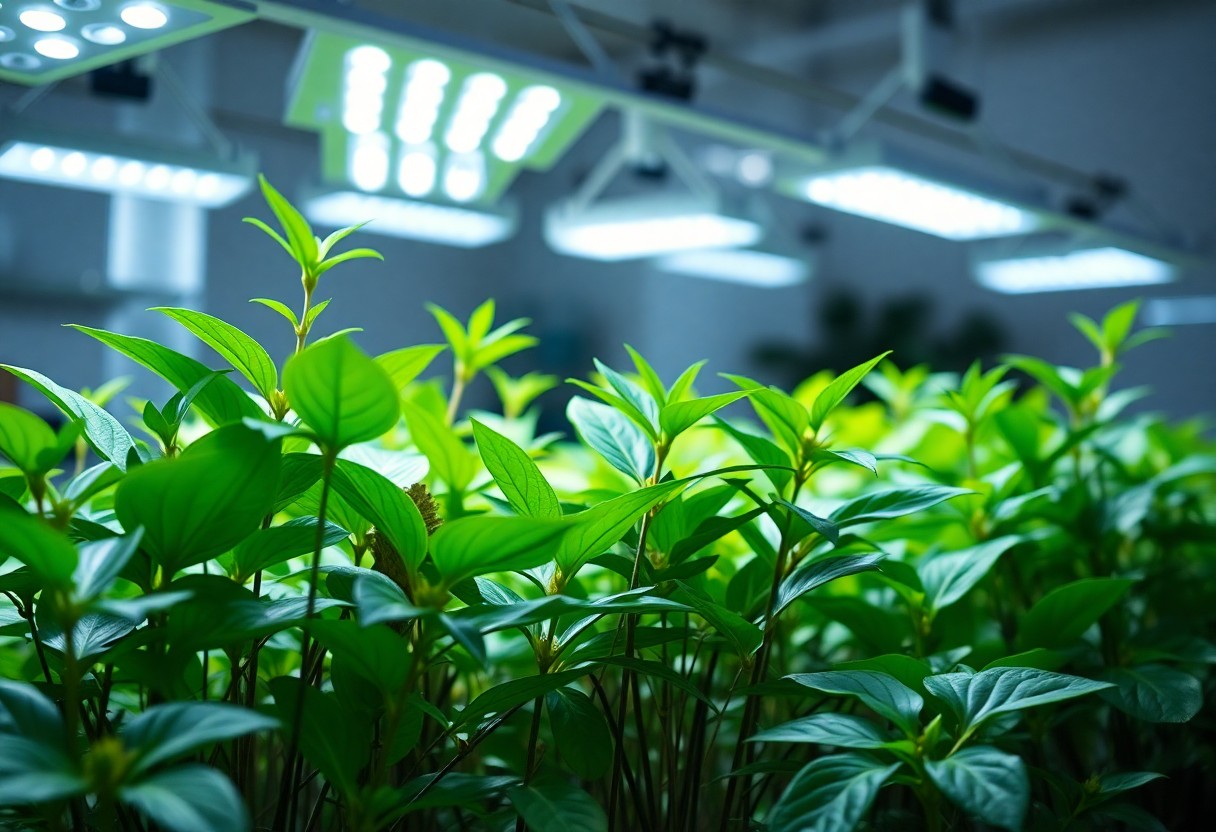
With the right knowledge, you can successfully cultivate a thriving indoor garden using grow lights, eliminating the reliance on natural sunlight. Your plants can flourish in any season, and understanding the different types of grow lights will help you choose what’s best for your setup. This guide will provide you with necessary tips and insights to optimize your indoor gardening experience, ensuring that your plants receive the light they need for healthy growth, even in the absence of sunlight.
Understanding Grow Lights
To effectively grow plants indoors without sunlight, you must understand the different types of grow lights available and their specific uses. Grow lights replicate natural sunlight, providing your plants with the necessary light spectrum for photosynthesis. Choosing the right grow light can significantly impact the health and growth of your indoor garden.
Types of Grow Lights
One way to categorize grow lights is by their technology and purpose. Here’s a brief overview:
| LED Lights | Energy-efficient; available in specific light spectrums |
| Fluorescent Lights | Great for seedlings; less heat emitted |
| HID Lights | High-output lighting; ideal for large plants |
| Incandescent Lights | Less efficient; not recommended for serious growing |
| CFL Bulbs | Compact and inexpensive; good for small spaces |
This overview helps you choose the best grow light for your specific gardening needs.
How Grow Lights Work
Among the different types of grow lights, each operates based on distinct principles to stimulate plant growth. Grow lights emit specific wavelengths of light, replicating the sun’s spectrum needed for photosynthesis. By providing the right amount of light and color, you can enhance your plants’ growth cycle from germination to flowering.
To maximize your indoor gardening experience, understanding how grow lights function is crucial. They simulate natural sunlight, aiding your plants in photosynthesis through specific light wavelengths. Most grow lights deliver red and blue light, as these colors significantly influence plant growth, encouraging leaf production and flowering. Overexposure or incorrect placement can lead to heat stress or stunted growth, so it’s crucial to monitor your lights’ distance and duration. With the right setup, you can create a flourishing indoor garden regardless of sunlight availability.
Selecting the Right Grow Light
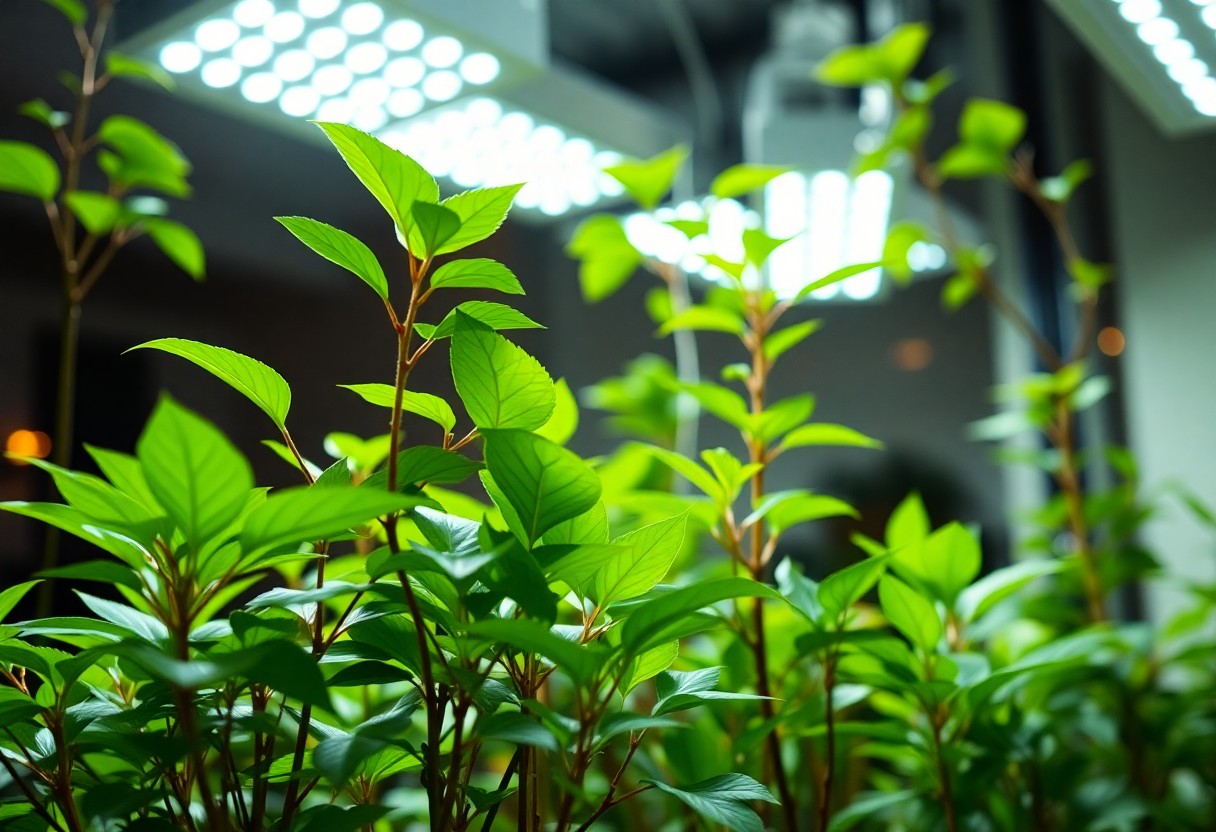
Some indoor gardeners find it challenging to choose the right grow light among the various options available. Understanding the specific needs of your plants is necessary for making an informed decision. You’ll want to consider factors like light intensity, spectrum, and size to ensure your indoor garden thrives. With the right grow light, you can replicate natural sunlight conditions, promoting healthy growth even in low-light environments.
Factors to Consider
One of the key aspects to focus on when selecting a grow light is the spectrum requirements of your plants. Ensure you assess the following factors:
- Light Intensity: The brightness and energy of the light source.
- Spectrum: The specific wavelengths of light needed for photosynthesis.
- Size: The coverage area that the light can effectively illuminate.
Perceiving these elements will help you create the best conditions for your indoor garden.
Common Mistakes to Avoid
Right after choosing a grow light, it’s important to avoid some common pitfalls that can hinder your plants’ growth. Failing to consider the distance between your plants and the light source can lead to either insufficient light or damaging burn from excessive heat. Additionally, underestimating the duration of light exposure may result in inadequate photosynthesis. Always pay attention to your specific plants’ needs, and adjust the light conditions as they grow.
Considering the common mistakes can significantly impact your gardening success. Overexposure to light can prove to be detrimental, while too little can stunt growth. By paying careful attention to the distance and the duration that your plants are exposed to artificial light, you can create a more favorable environment. Furthermore, utilizing the wrong spectrum may lead to poor results. Focus on the positive adjustments you can make to ensure vibrant, healthy plants.
Setting Up Your Grow Light System
One of the most important steps in indoor gardening is setting up your grow light system effectively. By selecting the right type of lights, positioning them correctly, and determining the proper light cycles for your plants, you can create an optimal environment that promotes healthy growth and productivity. With a little planning, you can provide your indoor garden with all the energy it needs, even without natural sunlight.
Placement and Distance
Placement is key to ensuring your plants receive the right amount of light. Position your grow lights 12 to 36 inches above your plants, depending on the type of light and the growth stage of your plants. Keep in mind that different plants have varying light intensity requirements, so adjust the height accordingly to prevent both burning and insufficient light exposure.
Timing and Light Cycles
Along with proper placement, timing and light cycles are crucial for your plants’ growth and development. It’s important to provide a consistent light schedule that mimics natural daylight. Most plants thrive with about 12 to 16 hours of light followed by 8 to 12 hours of darkness each day. A well-timed light cycle can significantly enhance your plants’ photosynthesis while allowing them to rest, ultimately leading to healthier growth and increased yields.
Timing your light cycles correctly can make a significant difference in the success of your indoor garden. Plan for your grow lights to be on for 12 to 16 hours a day, depending on the species you are growing. Utilize timers to automate this process and ensure your plants experience complete darkness at night, which is vital for their metabolic processes. Avoid light interruptions during the dark period, as this can confuse your plants and affect their growth cycle negatively.
Benefits of Using Grow Lights
After investing in growers’ lights, you’ll quickly discover the myriad advantages they offer for indoor gardening. These lights provide an efficient replacement for natural sunlight, allowing you to cultivate healthy plants even in dim environments. Enhanced growth, consistent yields, and the possibility for year-round gardening are just a few exciting benefits you can enjoy, leading to a thriving indoor garden. Your plants will not only survive but will flourish with the right lighting.
Enhanced Growth and Yield
Along with optimal lighting, your plants will experience significant enhancements in growth and yield. By providing the specific light spectrum they need, you can help your plants photosynthesize more efficiently, resulting in faster growth and more bountiful harvests. This means you can produce larger and healthier plants in a shorter amount of time, maximizing your indoor gardening potential.
Year-Round Gardening
Between the convenience of grow lights and their ability to mimic sunlight, you can enjoy gardening throughout the entire year. No longer limited by seasonal changes or fluctuating weather conditions, you can cultivate your favorite plants or explore new varieties any time you choose. This flexibility allows you to create a thriving indoor ecosystem that suits your personal taste and goals.
Benefits of year-round gardening include the elimination of seasonal restrictions and the ability to grow exotic plants that might not typically thrive in your climate. You’ll have greater control over your gardening environment, allowing for consistent conditions that contribute to better plant health. This means you can garden whenever you want, resulting in a more fulfilling experience and continuous enjoyment of your plants.
Maintenance and Care for Grow Lights
For optimal performance and longevity of your grow lights, regular maintenance is key. This involves inspecting your lights for any signs of wear, ensuring they are securely mounted, and checking that they are functioning efficiently. You should also keep the electrical connections clean and free from dust or moisture to prevent any hazards. Periodic adjustments in height and angle may be necessary as your plants grow to ensure they receive the right amount of light.
Cleaning and Lifespan
Against the buildup of dust and dirt on your grow lights, you should clean them regularly. A dirty filter or lens can significantly reduce light intensity, affecting your plants’ growth. Use a damp cloth or soft brush to gently wipe the surfaces, being cautious not to damage any components. Additionally, check the manufacturer’s recommendations for specific cleaning instructions to help extend the lifespan of your lights.
Troubleshooting Common Issues
At times, you may encounter issues such as flickering or dim lights. First, check the connections to ensure they are secure. If problems persist, inspect the bulbs for any signs of burnout or damage. Be aware that overheating can also occur if your grow lights are left on too long or if they are too close to your plants. If you’re experiencing persistent problems, consult the manufacturer’s guide or consider contacting customer support for assistance.
And if your grow lights are not performing as expected, quick action can boost your gardening success. Check for consistent power supply, as fluctuations can cause performance issues. Also, ensure that your lights are not positioned too low, as this can lead to burnt foliage and hinder growth. Keeping your grow lights clean is equally important; dirt accumulation can reduce light intensity. By understanding these common issues, you can troubleshoot effectively and maintain a healthy indoor garden.
To wrap up
To wrap up, grow lights are an invaluable tool for your indoor gardening endeavors, allowing you to cultivate a variety of plants without reliance on natural sunlight. By understanding the different types of grow lights available—such as LED, fluorescent, and HID—you can select the right option to fit your specific needs and budget. Additionally, adjusting the light intensity and duration will help optimize plant growth, ensuring your indoor garden thrives. With the proper use of grow lights, you can successfully create a vibrant green space in your home, regardless of external weather conditions.