

You hold the key to cultivating a successful veggie garden, and this month-by-month guide will help you navigate the entire growing season with ease. Each month brings its own set of tasks and considerations, whether it’s planning your layout, sowing seeds, or managing pests. By following this guide, you’ll set the stage for abundant harvests and a vibrant garden that flourishes throughout the year. So, grab your gardening gloves and get ready to transform your outdoor space into a thriving vegetable paradise!
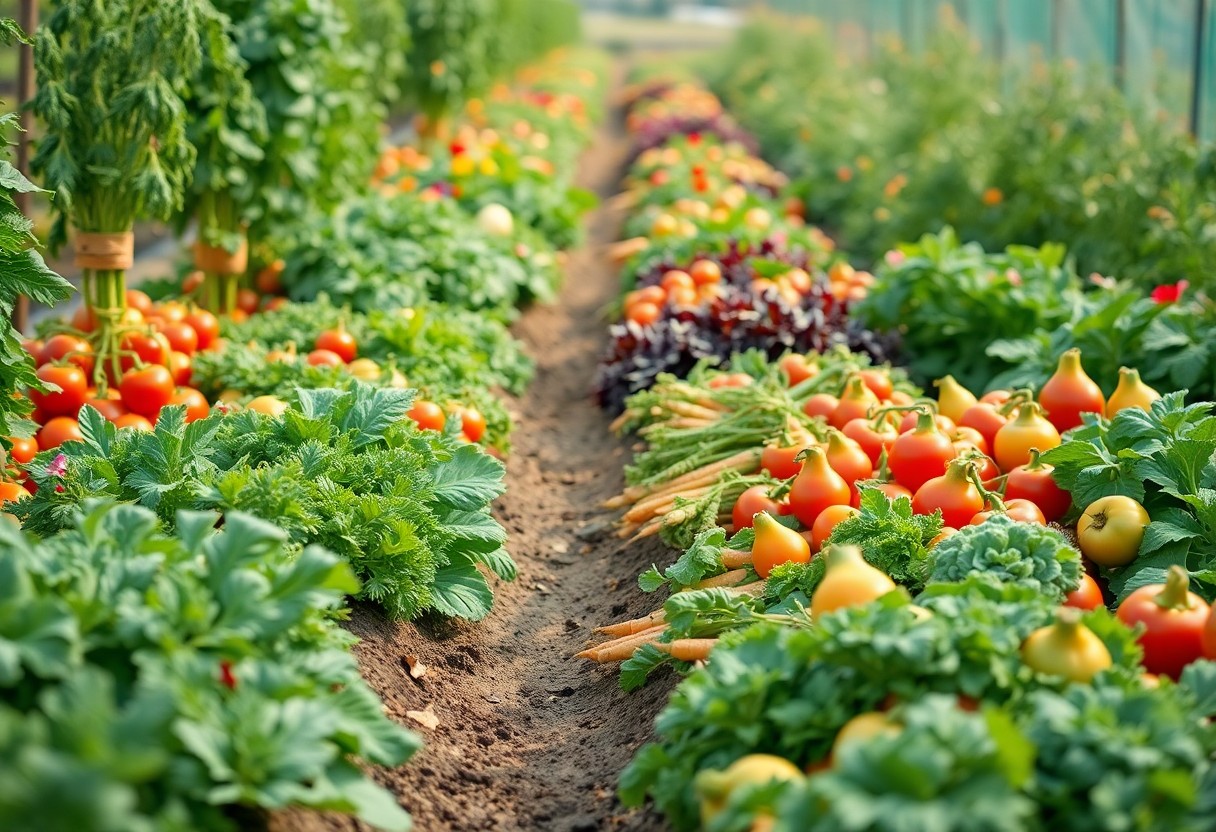
Understanding Your Garden
Before you start planting, it’s important to understand the unique characteristics of your garden space. Take into account factors like sunlight, soil quality, and climate, as these elements significantly affect your success in growing vibrant vegetables. Knowing what veggies thrive in your conditions will set the foundation for a fruitful gardening experience.
Types of Veggie Gardens
Some common types of veggie gardens include:
| In-Ground Gardens | Utilizes native soil for planting. |
| Raised Bed Gardens | Offers better drainage and soil control. |
| Container Gardens | Ideal for limited space and mobility. |
| Vertical Gardens | Maximizes small areas with upward growth. |
| Community Gardens | Shared space for multiple gardeners. |
The type of garden you choose can influence your overall gardening success, as it must align with your specific growing objectives and available space.
Factors Affecting Garden Success
Garden success relies on several important factors, including:
- Soil Health – Poor soil often leads to weak plants.
- Sunlight Exposure – Insufficient light stunts growth.
- Watering Practices – Over- or under-watering can harm plants.
- Pest Management – Unmanaged pests can decimate crops.
- Temperature Adaptation – Not all veggies adapt well to extreme temps.
Perceiving these factors will help you take necessary precautions for a flourishing garden.
Understanding each factor’s impact is vital for ensuring your garden thrives. Soil health refers to nutrient richness and texture; it directly affects plant growth. Sunlight exposure is equally relevant; most vegetables require at least six hours of direct sunlight daily to flourish. Your watering practices should be consistent but not excessive. Effective pest management techniques will keep crops safe from infestations, while understanding temperature adaptation helps you select the right plants for your climate. Attention to these aspects is fundamental for your gardening success.
- Soil Composition – Check for pH and nutrient levels.
- Sun Orientation – Identify areas with optimal sunlight.
- Water Quality – Use clean and safe water for irrigation.
- Pest Control Methods – Consider organic and chemical options.
- Season Timing – Plant according to frost dates.
Perceiving these factors accurately can significantly enhance your gardening experience.
Types of veggie gardens can vary widely based on your space, preferences, and the local climate. From in-ground gardens allowing for deep root systems to container gardens perfect for urban settings, each type comes with its own unique advantages and challenges. You will find that some methods require more commitment and effort. Evaluating your space, resources, and lifestyle will help you select the most suitable gardening style to achieve a bountiful harvest.
Monthly Planting Guide
There’s a perfect time for everything in your garden, and knowing when to plant is necessary for a thriving veggie garden. Each month presents unique opportunities to sow and cultivate different vegetables. Utilizing seasonal planting guides will ensure you’re planting at the right time to maximize your harvest and enjoy fresh produce throughout the year. Follow your monthly plans closely, and you’ll reap the benefits of your hard work!
Step-by-Step Planting Schedule
While you launch on your gardening journey, it’s helpful to have a clear planting schedule in place. Use the table below as a reference to stay on track:
| Month | Planting Tasks |
|---|---|
| January | Start seeds indoors. |
| February | Continue starting seeds, begin planning garden layout. |
| March | Transplant seedlings outdoors. |
| April | Sow direct seeds for cool-season crops. |
| May | Plant summer crops like tomatoes and peppers. |
| June | Sow late summer crops for continuous harvest. |
| July | Harvest and plan for fall planting. |
| August | Plant cool-season crops for fall harvest. |
| September | Continue planting and preparing for winter. |
| October | Harvest remaining crops, prepare garden for winter. |
| November | Cover beds with mulch to protect soil. |
| December | Plan for next year’s garden. |
Tips for Seasonal Planting
Any successful garden starts with strategic seasonal planting. Here are some key tips to enhance your planting practices:
- Understand the best planting zones for your region.
- Time your planting around the last and first frost dates.
- Utilize crop rotation to maintain soil health.
The right approach to seasonal planting can lead to bountiful harvests!
Understanding how seasonal factors influence your garden is vital. It’s necessary to keep an eye on local weather patterns and soil temperatures, so you apply these conditions to your planting schedules. Here are more tips to consider:
- Choose the right varieties suited for your climate.
- Consider using a seed starting calendar for optimal timing.
- Monitor daily sunlight exposure throughout the seasons.
The adjustments you make based on your observations will yield the best results for your garden!
Maintenance Techniques
One of the keys to a thriving veggie garden is effective maintenance, which includes regular practices to keep your plants healthy and productive. From proper watering to pest management, staying proactive throughout the growing season will ensure you reap the full benefits of your hard work.
Watering and Fertilization Tips
Fertilization is vital for providing your plants with the nutrients they need to thrive. Ensure you follow these watering and fertilization tips:
- Water early in the morning to reduce evaporation.
- Use a soaker hose for deep root watering.
- Apply organic fertilizers sparingly.
- Monitor soil moisture regularly.
After implementing these tips, your garden will flourish and yield a bountiful harvest.
Pest Control Methods
You should stay vigilant against pests that threaten your plants. Implementing effective pest control methods protects your garden while minimizing harm to beneficial insects.
Techniques such as natural insecticidal soaps, companion planting, and physical barriers can all help manage pest populations safely. You can also introduce predatory insects, like ladybugs, which will feast on harmful pests. Regularly inspecting your plants for signs of damage allows for early intervention. By combining methods, you can maintain a vibrant garden environment that promotes healthy growth.
Harvesting and Storage
Many gardeners find the harvesting stage of growing a veggie garden to be the most rewarding. This is the time when all your hard work pays off, allowing you to enjoy fresh, nutritious vegetables right from your own backyard. Understanding when to pick your produce and how to properly store them will ensure you get the most out of your harvest. By keeping a watchful eye on your plants, you can maximize flavor and nutrition while minimizing waste.
Identifying the Right Time to Harvest
Storage is necessary to preserving your fresh vegetables and maintaining their quality. To ensure peak freshness, learn to recognize specific signs such as size, color, and texture unique to each vegetable. For instance, a ripe tomato should have a deep red hue and yield slightly to the touch. Not only will this enhance the flavor of your meals, but proper timing can also prevent overripening, which leads to spoilage.
- Inspect your veggies often
- Know the ideal harvest size
- Check for mature skin
Perceiving these subtle cues will elevate your gardening success.
Storage Tips for Fresh Veggies
Storage techniques can significantly impact the longevity and flavor of your fresh veggies. Keep them in a cool, dark place or the refrigerator, and store them in breathable bags to reduce moisture buildup. Washing vegetables before storage can lead to quicker spoilage; it’s better to clean them right before use. Additionally, consider blanching vegetables before freezing to halt enzyme action, preserving color and texture.
- Use ventilated containers
- Avoid moisture build-up
- Blanch before freezing
Perceiving these steps will reward you with delicious veggies all year round.
It is important to understand that certain vegetables require specific storage methods to keep them fresh for as long as possible. For example, root vegetables like carrots should be stored in a cool, dark place with high humidity, while leafy greens prefer a slightly less humid environment. Ensure your fridge is set to the right temperature, ideally between 32°F and 40°F, to prolong freshness. Use airtight containers for herbs, and consider using wax paper for greens to maintain crispness. By following these easy storage tips and adapting them to your garden’s output, you can enjoy the fruits of your labor for weeks to come.
- Adapt storage techniques to each veggie type
- Maintain optimal fridge temperature
- Seal containers properly
Perceiving the nuances of storage will enhance your overall gardening experience.
Pros and Cons of Different Veggies
After planting your garden, evaluating the pros and cons of various vegetables can help you make informed decisions. Some veggies offer higher yields or taste better, while others may be more challenging to grow or require specific conditions. Consider the information below to weigh your options effectively.
| Pros | Cons |
|---|---|
| Tomatoes: High yield, versatile in dishes | Can be prone to blight and pests |
| Spinach: Fast-growing, nutrient-rich | Sensitive to heat, can bolt quickly |
| Carrots: Easy to store, sweet flavor | Slow to germinate, need loose soil |
| Zucchini: High yield, space-efficient | Can grow out of control, attracts pests |
| Peppers: Colorful, nutritious | Require warm weather, susceptible to diseases |
| Beans: Nitrogen-fixing, good for soil | Require support structures, can be prone to insects |
| Cucumbers: Refreshing, productive | Sensitive to drought, require regular water |
| Beets: Tasty, nutrient-dense | Slow to grow, may attract pests |
| Lettuce: Quick to harvest, versatile | Bolts easily in warm weather, short shelf-life |
| Radishes: Fast-growing, great for beginners | Strong flavor may not be to everyone’s taste |
High-Reward Vegetables
Clearly, if you are looking for vegetables that provide high rewards, consider growing tomatoes and zucchini. These veggies not only offer impressive yields but also enhance your dishes significantly. They are generally adaptable and can thrive in various conditions, making them valuable additions to your garden.
Low-Maintenance Options
One effective strategy for your garden is to include low-maintenance options like radishes and leafy greens. These selections can thrive with minimal intervention, allowing you to enjoy a flourishing garden without the hassle of constant care.
Pros of low-maintenance options are numerous. They can save you precious time while still yielding fresh produce. For example, radishes grow quickly—often ready to harvest in just a few weeks—while leafy greens like lettuce can be harvested throughout the season. These plants are generally less susceptible to diseases and pests, leading to fewer worries. By adding these simple crops to your garden, you’ll enjoy the satisfaction of a successful veggie patch without overwhelming effort.
Troubleshooting Common Issues
All gardeners face challenges at some point, but being prepared to tackle common issues can keep your veggie garden thriving. Regular monitoring of your plants, maintaining proper care routines, and educating yourself on pest identification can make a significant difference. This section will equip you with actionable solutions to combat various plant problems and seasonal challenges that may arise in your garden.
Addressing Plant Problems
Now that you’re aware of possible issues, it’s imperative to develop strategies to address them effectively. When you notice color changes, wilting, or stunted growth, investigate the underlying cause, which could range from pests to nutrient deficiencies. Implementing organic pest control methods and using balanced fertilizers can help restore your plants’ health and support their growth.
Seasonal Challenges and Solutions
Issues in your garden can also vary with the seasons, requiring adaptable strategies for success. Hot summer temperatures can lead to stress on your plants, while cold winters may introduce issues like frost damage. You must adjust your watering schedule and consider row covers or mulch to protect against temperature extremes.
For instance, during the summer months, heat stress can cause wilting and reduced yields, so you should water your garden early in the morning or late in the evening. In contrast, winter frost can threaten your plants, making it important to use winter covers or plant frost-resistant varieties. By understanding these seasonal challenges, you can implement timely solutions that maintain your garden’s productivity throughout the year.
To wrap up
Considering all points, a month-by-month guide to a thriving veggie garden equips you with the knowledge and timing needed to cultivate your ideal garden. By following this structured approach, you can ensure that your plants receive the care they deserve throughout the seasons. Each month presents unique opportunities and challenges, allowing you to adapt your strategies for optimal growth. With your commitment and this guide in hand, you can achieve a flourishing garden that yields fresh produce and enhances your home environment.