
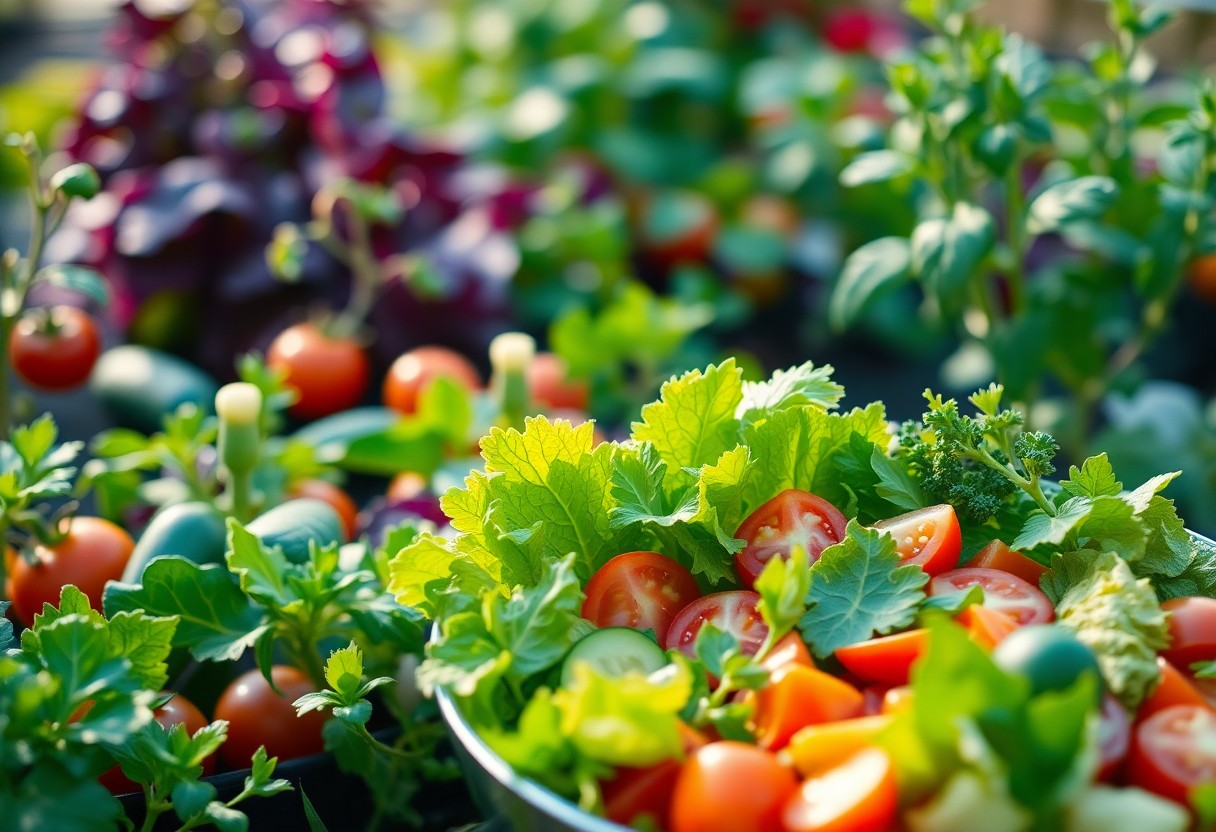
Many aspiring gardeners may not realize how simple and rewarding it is to grow your own salad. By following a few easy steps, you can transform your seeds into fresh, nutritious greens right from your backyard or balcony. Not only will you enjoy the freshest flavors possible, but you’ll also gain the satisfaction of nurturing your own food. In this guide, you will learn how to select the right seeds, prepare your soil, and maintain your plants all the way to harvesting your vibrant salad mix.
Choosing the Right Seeds
All great salads start with the right seeds. Selecting appropriate varieties tailored to your climate and taste preference will make your gardening experience enjoyable and fruitful. Consider factors like growth time and flavor to ensure a successful harvest.
Types of Salad Greens
Among the myriad choices available, several key types of salad greens stand out:
- Leaf Lettuce: Quick-growing and tender.
- Romaine: Crisp and robust, ideal for Caesar salads.
- Spinach: Nutrient-rich and easy to grow.
- Kale: Hardy and versatile, can withstand cooler temperatures.
- Mixed Greens: A variety of flavors and textures.
This variety allows you to create vibrant, tasty salads right from your garden.
Factors to Consider
Before submerging into seed selection, it’s vital to evaluate several factors that can influence your salad garden’s success:
- Climate: Choose seeds suited for your local weather conditions.
- Growth Time: Some greens mature quickly, while others take longer.
- Space Requirements: Ensure you have adequate room for your chosen greens.
- Flavor Preference: Select varieties that align with your taste.
- Pest Resistance: Some greens are hardier against common pests.
Assume that by considering these factors, you will cultivate a healthy and abundant salad garden.
Hence, understanding these fundamental aspects will guide you in making informed decisions. The local climate directly dictates which seeds will thrive, while space requirements affect how densely you can plant. Additionally, some varieties’ taste preferences can enhance your culinary experience, while pest resistance can save time and resources. Assume that paying attention to these elements will positively influence your garden’s yield.
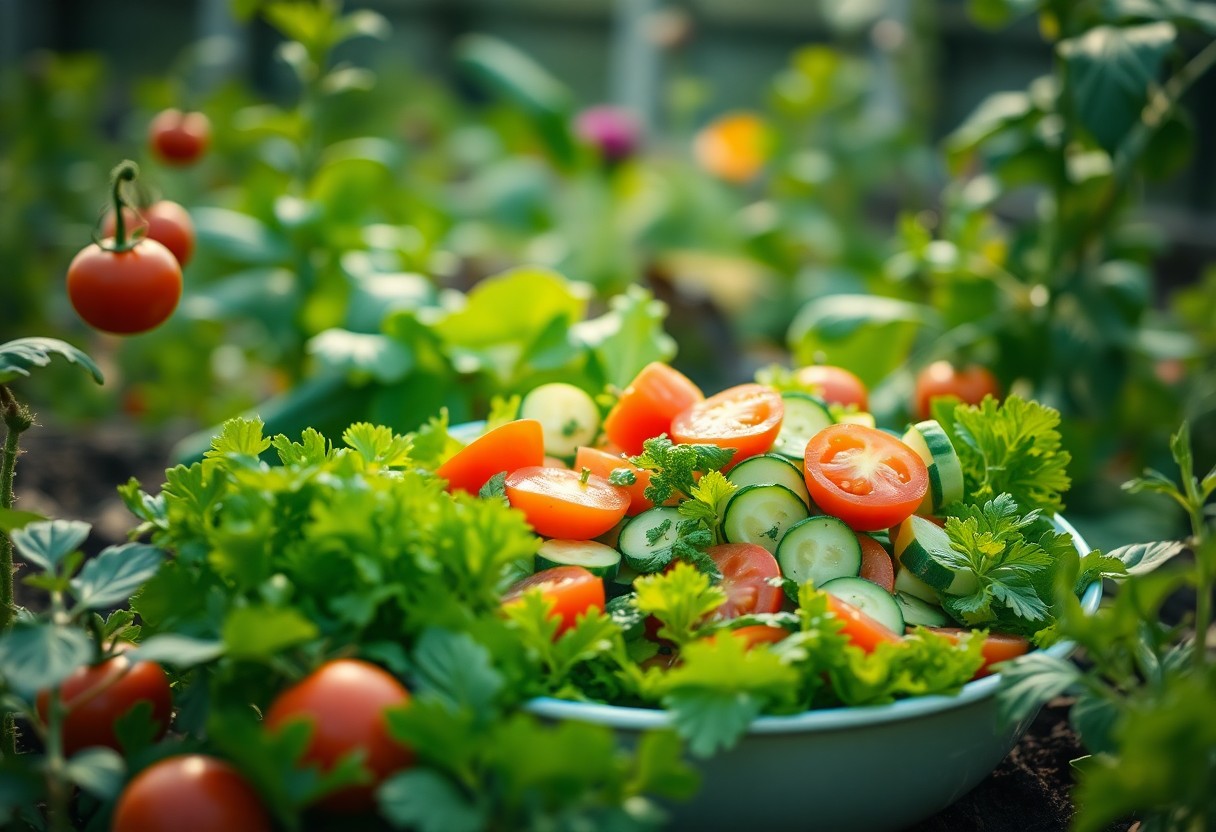
Preparing Your Garden Space
You need to start by assessing the area where you’ll grow your salad ingredients. Clear any weeds or debris, ensuring your garden space has adequate sunlight and good drainage. Consider how much time you can dedicate to maintenance; the right preparation will set the foundation for thriving plants.
Soil Selection and Preparation
Against all odds, your salad garden can flourish with the right soil. Begin by testing your soil’s pH and nutrient levels. An ideal blend for salad greens is well-draining soil enriched with organic matter, such as compost. This nutrient-rich base promotes healthy plant growth, ensuring your salad is packed with flavor.
Container vs. In-Ground Gardening
By choosing the right gardening method—containers or in-ground—you can customize your salad garden according to your space and lifestyle. Each method has its unique advantages: containers offer mobility and flexibility, while in-ground gardening allows for larger scale planting and better moisture retention.
In addition, understanding the differences between these methods can enhance your gardening experience. Container gardening is perfect for small spaces or urban environments, allowing for easy access and controlled conditions for each plant. Alternatively, in-ground gardening provides a more natural ecosystem that promotes biodiversity and deeper roots. Both methods can yield delicious salad ingredients, so consider your environment and preference when making this choice.
Planting Your Seeds
The process of planting your seeds is a pivotal step in cultivating your own salad. Start by selecting a well-prepared garden bed or container filled with rich, organic soil. Create furrows or small holes according to the specific seed packets, then gently place your seeds in their designated spots. Cover them lightly with soil, water them, and make sure they receive adequate sunlight as they begin to sprout.
Sowing Techniques
For optimal results, consider the different sowing techniques that suit your chosen salad greens. You can broadcast seeds over the soil or plant them individually, depending on the variety. Using a seedling tray is also a great option for those with limited garden space, allowing you to start your plants indoors before transferring them to their final location.
Optimal Planting Depth and Spacing
One vital factor in successful seed planting is ensuring you adhere to the optimal planting depth and spacing. Most salad greens thrive when seeds are planted at a depth specific to each variety, usually ¼ to ½ inch deep, ensuring proper moisture retention and germination.
This will also impact growth and yield. Space your seeds adequately; leafy greens like lettuce typically require 6 to 12 inches between plants, whereas smaller varieties can be planted closer together. This optimal spacing allows for air circulation and nutrient absorption, giving your plants ample room to thrive. Neglecting these guidelines can lead to crowded plants that struggle for resources, ultimately affecting your harvest.
Watering and Care
Despite the simplicity of growing your own salad, proper watering and care are vital for a bountiful harvest. You need to provide your plants with the right amount of moisture and attention to ensure they thrive throughout their growth cycle. Regular observation of your plants will help you identify any issues early and allow you to maintain optimal growing conditions.
Watering Requirements
For your salad greens to flourish, aim to keep the soil consistently moist but not waterlogged. Deep, infrequent watering encourages strong root development, so water deeply once or twice a week depending on the weather and soil conditions.
Fertilization and Pest Control
By implementing effective fertilization and pest control methods, you can boost the health and yield of your plants. Regularly feed your salad greens with a balanced fertilizer every few weeks to promote growth and flavor.
Even natural fertilizers can enhance your soil’s nutrients, providing your plants with a rich source of food. Monitor your garden regularly for pests like aphids or caterpillars, and take action with organic solutions like insecticidal soap or neem oil. This proactive approach ensures your salad stays healthy and delicious, while minimizing harm to the environment and the ecosystem. Prioritizing these practices will help you enjoy a bountiful, thriving salad garden.
Harvesting Your Salad Greens
Your salad greens are now ready for that satisfying harvest! When you pick them at the right time, you’ll enjoy a range of flavors, textures, and freshness that store-bought greens can’t match. Typically, you can start harvesting baby greens when they are about 4 to 6 inches tall. Regularly check your plants so you can pick the outer leaves, allowing the inner leaves to continue growing for future salads.
When to Harvest
When your greens reach a height of about 4 to 6 inches, it’s time to start harvesting. For the best flavor and tenderness, aim for early morning or late afternoon when temperatures are cooler and leaves retain more moisture. Regularly monitor your plants, as waiting too long can lead to bitterness.
How to Harvest for Continuous Growth
Below are steps for harvesting that promote continuous growth of your salad greens. Instead of uprooting the entire plant, use clean, sharp scissors or garden shears to snip the outer leaves just above the base. This method encourages your plants to keep producing, giving you a sustainable supply of fresh greens.
With proper technique, you can enjoy a continuous harvest from your salad greens. Always use clean tools to prevent disease and ensure that you cut leaves from the outside, leaving the inner leaves intact for future growth. This way, you can create a thriving mini-salad farm, providing delicious, fresh produce week after week while promoting healthy, sustainable gardening practices.
Preparing Your Salad
Not all salads are created equal. You can elevate your home-grown salad by choosing the right ingredients and combining them efficiently. Start by selecting fresh leaves, vibrant vegetables, and any added tweaks or flavor enhancers you fancy. You’ll be surprised how a little creativity can transform your greens into a culinary delight!
Cleaning and Storing
About the freshness of your harvested greens, proper cleaning and storing is key to retaining their crispness. Rinse your salad leaves in cold water to remove dirt and debris, then spin dry or pat them gently with a towel. Once clean, store them in a breathable bag or container in the refrigerator for up to a week to maintain their flavor and texture.
Salad Dressing and Toppings Suggestions
Across the board, salad dressings and toppings can significantly enhance the taste of your salad. Classic vinaigrettes, creamy dressings, or zesty citrus-based options can bring your greens to life. Additionally, consider adding toppings like crunchy nuts, seeds, cheeses, or avocado for a delightful gourmet touch.
Due to the dynamic nature of salads, choosing the right dressing and toppings can make a world of difference. Start with basic options, then feel free to experiment with ingredients like balsamic vinegar, olive oil, or lemon juice for a refreshing kick. Don’t forget add-ons such as roasted chickpeas, fried onions, or fresh herbs to add texture and flavor. These elements not only enhance your salad’s appearance but also boost its nutritional value, making it truly satisfying and enjoyable!
To wrap up
The process of growing your own salad from seed to bowl is not only rewarding but also empowers you with fresh, nutritious produce at your fingertips. By following the step-by-step guide, you can cultivate your own greens, herbs, and veggies tailored to your taste preferences. As you engage in this gardening journey, you will gain valuable skills and a deeper appreciation for what you consume. So, get your seeds, soil, and containers ready to enjoy the delightful experience of harvesting your own healthy salad!