
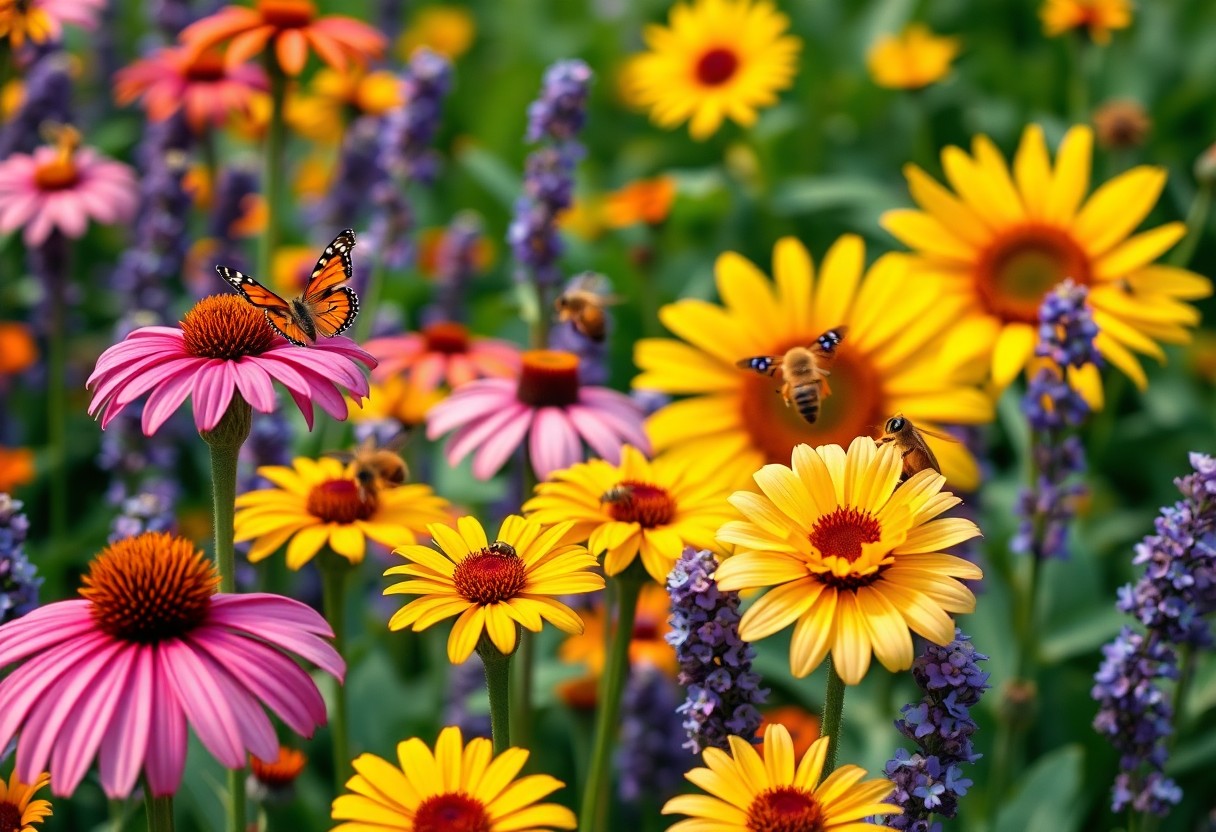
Many gardeners want to attract pollinators like butterflies and bees to their yards, and planting the right flowers is necessary for creating a vibrant ecosystem. By choosing the right magnet flowers, you can provide food and habitat for these important species while also beautifying your landscape. Now is the perfect time to plant a variety that suits your local climate and soil conditions. Not only will these flowers enhance your garden’s aesthetic, but they will also support the environment, making your efforts both rewarding and impactful.
The Importance of Pollinator Gardens
For those who care about biodiversity and the health of our ecosystems, creating a pollinator garden is an necessary step. Pollinator gardens support a variety of species, including butterflies and bees, which are vital for plant reproduction and food production. By planting these gardens, you contribute to a flourishing environment and help maintain the delicate balance of our natural world.
Benefits for Butterflies
Beside their enchanting beauty, butterflies play a significant role in the pollination process. By providing nectar-rich flowers in your garden, you attract these colorful insects, which help to increase your garden’s productivity and the surrounding ecosystem’s vitality. You can enjoy watching these graceful creatures flutter by while supporting a diverse environment.
Benefits for Bees
One of the most significant advantages of having a pollinator garden is its positive impact on local bee populations. Their necessary role in pollination makes them indispensable for fruit and vegetable production. With your garden offering a variety of blooming plants year-round, you provide bees with nutritious food sources that can help them thrive and strengthen their communities.
Another important aspect to consider is that a healthy bee population contributes to increased crop yields and improved biodiversity. By planting specific flowers that attract bees, you can create habitats that promote their reproduction, supporting the overall health of your local ecosystem. Not only do you get to enjoy the buzzing activity in your garden, but you also play a part in maintaining the balance of nature, showcasing your commitment to preserving these necessary pollinators.
Best Flowers for Attracting Butterflies
While creating a butterfly-friendly garden, it’s key to choose flowers that provide both nectar and habitat. Opt for a diverse selection to cater to various butterfly species. Butterflies are drawn to bright colors and fragrant blooms, so you should consider planting butterfly bush, coneflower, and milkweed, among others. Setting up your garden with these enticing options will invite these beautiful creatures into your outdoor space!
Perennial Options
Attracting butterflies can be easily achieved with perennials that return year after year. Consider planting options like black-eyed Susan, lavender, and bee balm. These resilient plants not only provide nectar but also enhance the aesthetic appeal of your garden, ensuring that butterflies have a reliable food source throughout the seasons.
Annual Flowers
Across the growing season, annual flowers can provide a vibrant boost to your butterfly garden. They bloom for a single season, which means they can help fill gaps and attract various species with their bright colors. Marigolds, zinnias, and cosmos are excellent choices for feeding butterflies while adding a splash of color to your landscape.
Also, consider planting a mix of annuals to ensure continuous blooms and a variety of shapes and colors. These flowers can be strategically placed throughout your garden to create a visual and aromatic pathway that leads butterflies. Not only do they enrich your garden, but they also encourage pollinators, vital for a healthy ecosystem. With the right selections, you can transform your garden into a butterfly haven!
Best Flowers for Attracting Bees
Any garden aiming to attract bees should include a variety of flowering plants that provide generous nectar and pollen sources. Flowers such as lavender, echinacea, and wildflowers are particularly effective, drawing in various bee species. You should consider planting in clusters to create vibrant patches, allowing bees to easily forage and thrive in your garden!
Native Plant Choices
To create a truly bee-friendly environment, consider incorporating native plants into your garden. Native flowers are naturally adapted to your local climate and soil conditions, promoting biodiversity and supporting the local bee population. Plants like bee balm, purple coneflower, and black-eyed Susan are excellent choices that attract bees while flourishing in their native habitats.
Container Planting Ideas
An excellent way to attract bees, especially in smaller spaces, is through container planting. You can fill containers with vibrant, fragrant flowers such as marigolds, zinnias, and sunflowers, which not only enhance your outdoor space but also provide bees with necessary resources. Selecting plants with different bloom times allows you to create a continuous source of food for your pollinator friends.
And if you want to maximize your impact, consider grouping your containers together in sunny spots, as bees are attracted to clusters of flowers. This strategy helps create a welcoming oasis for bees, ensuring they visit regularly. Be mindful of using organic potting soil and avoiding pesticides to provide a safe haven for these necessary insects. Planting aromatic herbs like mint and basil alongside flowers can also enhance the appeal, making your containers not only a feast for the bees but also an attractive addition to your garden décor!
Planting Tips for Success
Once again, to achieve your goal of attracting butterflies and bees to your garden, follow these vital planting tips.
- Choose the right flowers for your region.
- Plant in groups for better visibility.
- Select a variety of blooms to ensure continuous attraction.
- Consider the season for planting.
Assume that these simple strategies will enhance your garden’s biodiversity and beauty.
Soil Preparation and Sunlight
After choosing your flowers, ensure the soil is well-draining and rich in nutrients. Test the pH levels and amend as necessary, as most butterfly and bee magnet flowers thrive in slightly acidic to neutral soils. Additionally, select a location that offers at least six hours of sunlight daily to promote healthy growth and vibrant blooms.
Watering and Maintenance
Any neglected garden can lead to disappointment. Regular watering is vital, especially in dry spells. Early mornings are ideal times, allowing the plants to absorb moisture before the heat of the day. Also, mulch your flower beds to retain soil moisture and suppress weeds.
Consequently, effective maintenance practices ensure your butterfly and bee magnet flowers thrive. An established watering routine prevents stress during dry periods, while mulching not only retains moisture but also enhances the health of your soil. Pay attention to potential pests; a proactive approach to maintenance will keep your plants healthy and inviting to both pollinators and visitors alike. Your success depends on nurturing these vital components in your garden ecosystem.
Creating a Butterfly and Bee-Friendly Environment
Unlike traditional gardens that prioritize aesthetic appeal, creating a butterfly and bee-friendly environment is about fostering a thriving ecosystem. Focus on planting native species that attract these pollinators and providing crucial elements such as water sources and shelter. By designing your garden with biodiversity in mind, you not only enhance its beauty but also support vital pollinator populations which are crucial for the health of our ecosystems.
Habitat Considerations
One of the first steps to attract butterflies and bees is to consider their habitat needs. Ensure your garden features a variety of flowering plants that bloom at different times throughout the season. Additionally, including host plants for caterpillars and offering sunny spots for basking can significantly enhance your outdoor space’s appeal to these beneficial insects.
Avoiding Pesticides
With the negative impact of pesticides on pollinator populations, it’s important to adopt eco-friendly gardening practices. By choosing natural pest control methods, you can protect the delicate balance of your garden without harming butterflies and bees. This not only ensures a safe habitat for these insects but also contributes to the overall health of your garden.
Another effective strategy for protecting pollinators is to consider *integrated pest management* (IPM) techniques. IPM involves using *natural predators* to control pests, maintaining plant health through *proper watering* and *fertilizing*, and introducing *disease-resistant* plant varieties. Additionally, utilizing *organic pesticides* when necessary can limit the dangers to pollinators. By avoiding conventional pesticides, you create a safer environment, allowing butterflies and bees to flourish while pollinating your garden’s flowers.
Seasonal Planting Guide
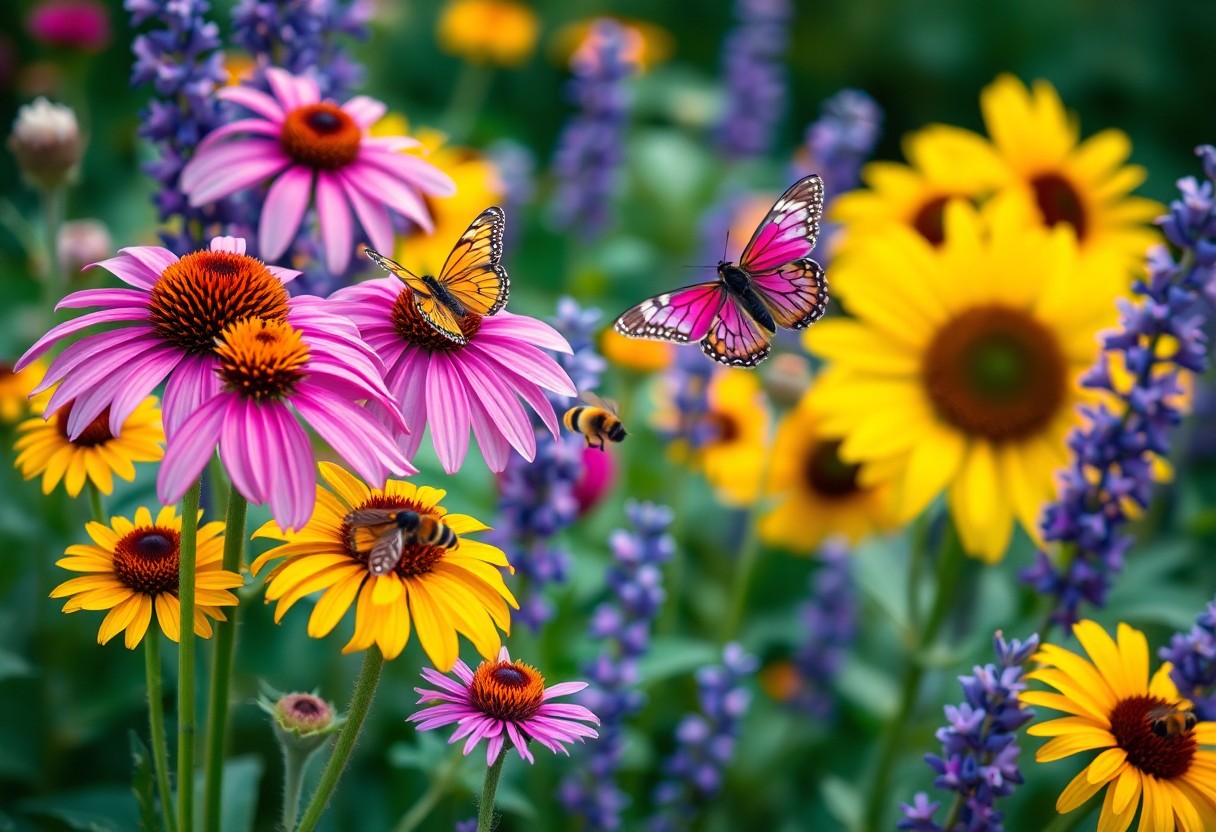
Many gardeners find that understanding the best planting times can greatly enhance their garden’s ability to attract butterflies and bees. By choosing the right flowers for spring and fall, you can ensure a vibrant and thriving ecosystem right in your backyard. The key is to select species that bloom during these seasons to provide a steady food source for pollinators.
Spring Planting
For a successful spring planting, consider sowing seeds or transplanting young plants after the frost has passed. This is the ideal time to introduce hardy flowers such as coneflowers, black-eyed Susans, and lavender, which will bloom throughout the warmer months. By focusing on these varieties, you will create a beautiful landscape that supports important pollinators.
Fall Planting
Guide your garden into the cooler months by opting for specific fall planting strategies. Late summer to early fall is perfect for sowing hardy perennials that will establish strong root systems before winter. By planting in this season, you not only prepare your garden for spring but also provide valuable sustenance for bees as they prepare for colder months.
Planting wildflowers, such as asters, and goldenrod in the fall can offer nectar sources for late-flying bees and other pollinators. These plants will thrive during the next spring and ensure your garden stays vibrant. By choosing resilient species suited for fall planting, you enhance biodiversity and support local ecosystems, making your garden a true haven for butterflies and bees.
Final Words
Upon reflecting on the importance of planting butterfly and bee magnet flowers now, you will enhance your garden’s biodiversity while supporting vital pollinators. By incorporating a mix of native and blooming plants, you not only create a vibrant outdoor space but also contribute to the health of your local ecosystem. Selecting the right flowers ensures that you attract these important creatures, providing them with a habitat and food source. Start planting today to witness the beauty and benefits these flowers bring to your yard and the environment.