
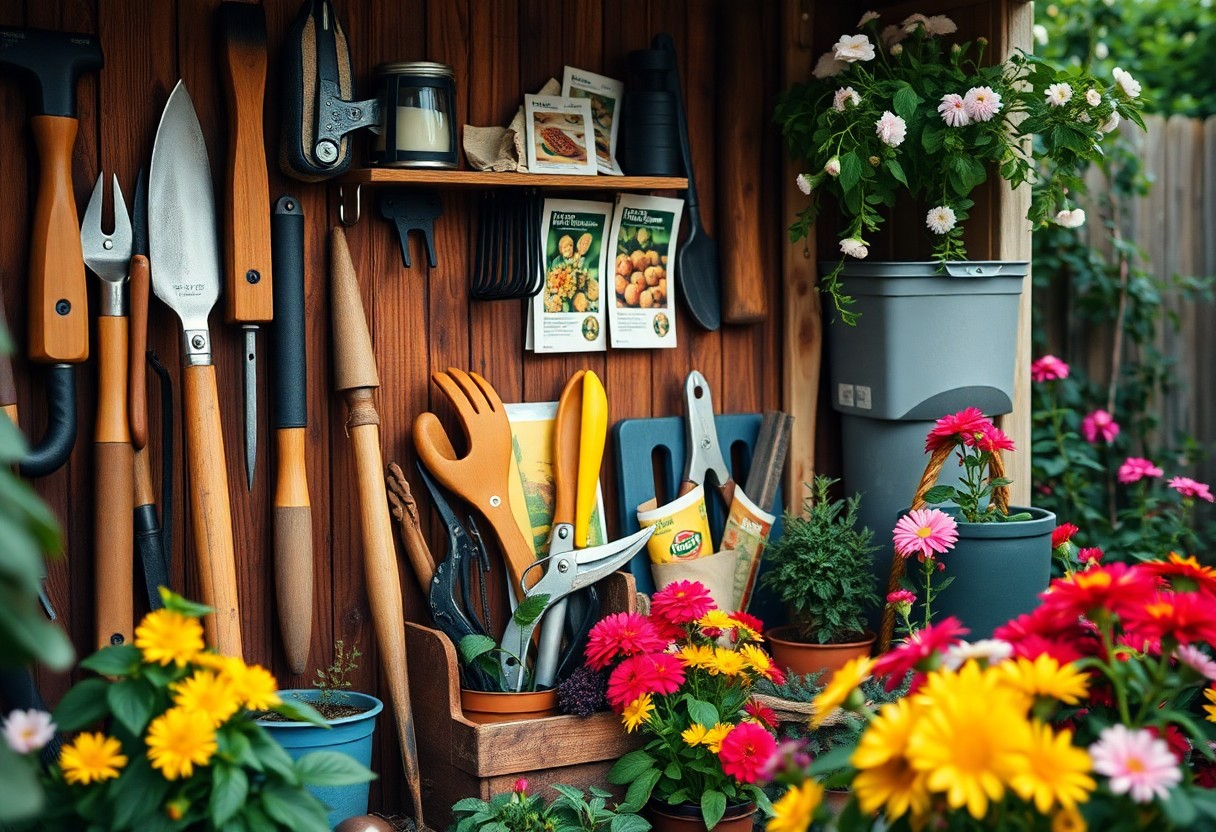
Over time, gardening has evolved into an important skill that enriches your life through sustainability and wellbeing. While it may seem daunting at first, there are fundamental gardening techniques that you can master to cultivate your green thumb. From understanding your soil to proper watering methods, these basic skills lay the foundation for a thriving garden. Whether you’re growing vegetables, flowers, or herbs, having this knowledge will not only enhance your gardening experience but also contribute positively to your environment. Let’s dig into the important gardening skills that every aspiring gardener should possess.
Understanding Soil
While gardening may seem simple, understanding soil is crucial for cultivating healthy plants. Soil is not just dirt; it is a complex ecosystem that sustains your garden. By mastering the basics of soil composition and its role in plant health, you can create an optimal environment for your plants to thrive.
Types of Soil
Around the world, you’ll encounter different types of soil, each with its distinct characteristics:
| Sandy Soil | Good drainage and warm, but lacks nutrients. |
| Clay Soil | Rich in minerals but retains water, often compacted. |
| Silt Soil | Fine texture, retains moisture well, nutrient-rich. |
| Loamy Soil | Ideal mix of sand, silt, and clay; fertile and well-draining. |
| Peaty Soil | High in organic matter; acidic and retains moisture. |
Thou must consider these soil types when planning your garden to ensure success.
Soil Preparation Techniques
An effective garden starts with proper soil preparation techniques that enhance its health and structure. Techniques like tilling, adding organic matter, and testing soil pH are vital to set a strong foundation for your plants.
This process involves loosening compacted soil to improve aeration and drainage, adding compost to boost nutrient availability, and assessing your soil’s pH to attain the right balance for plant growth. Ignoring these steps may lead to poor plant health or pest problems. Engaging in these preparation techniques is vital to securing a flourishing garden. Take the time to build your soil’s health; thou shall reap the benefits in the long run.
Plant Selection
The selection of plants is fundamental to your gardening success. By understanding the different types of plants and their needs, you can create a thriving garden that flourishes in its environment. Consider factors such as climate, soil quality, and sunlight when choosing your plants to ensure they thrive in your specific conditions.
Native vs. Non-Native Plants
Among the various plant choices, you have the option of selecting native or non-native plants. Native plants are adapted to your local climate and soil, often requiring less water and maintenance. In contrast, non-native plants may bring vibrant aesthetics but can sometimes struggle to thrive or even disrupt local ecosystems. Understanding their benefits will help you make informed decisions.
Seasonal Planting Considerations
Before plunging into planting, it’s vital to understand the seasons’ impact on your garden. Timing your planting according to the seasons ensures that your plants receive the right conditions to grow strong and healthy.
Considering your local climate and seasonal patterns is crucial for successful gardening. Each season presents unique challenges and opportunities for different plants to thrive. For instance, spring is ideal for planting hardy annuals and perennials, while fall may be better suited for certain vegetables and trees. Additionally, be cautious of frost dates, as planting too early or late can jeopardize your crops. By being mindful of these seasonal factors, you can enhance your garden’s success and longevity.
Watering Practices
Some of the most important gardening skills revolve around effective watering practices. Proper watering not only nourishes your plants but also helps prevent diseases and ensures healthy growth. It’s important to develop a routine that considers the climate, plant types, and soil conditions in your garden. By mastering watering techniques, you can ensure that your plants thrive and yield a bountiful harvest.
Best Watering Methods
One of the best watering methods is to use a drip irrigation system or a soaker hose, which delivers moisture directly to the roots, minimizing evaporation and waste. Additionally, watering early in the morning or late in the evening reduces moisture loss, allowing your plants to absorb water more effectively.
Understanding Plant Water Needs
Around your garden, you will find a variety of plants, each with unique water needs. Factors like species, age, and the weather significantly influence how much water your plants require. Regularly checking for signs of stress, such as drooping leaves or wilting, can help you adjust your watering schedule accordingly.
To effectively understand your plants’ water needs, consider the type of soil in your garden; well-draining soil requires more frequent watering, while clay soil retains moisture longer. Observe your plants closely and look for signs of overwatering (yellowing leaves, root rot) versus underwatering (crispy leaves, stunted growth). Each plant’s water requirement will vary based on its growth stage, local climate, and seasonality, so be attentive to fluctuations over time and adjust your watering practices to maintain a vibrant and healthy garden.
Pest Management
Now that you’ve planted your garden, understanding pest management is vital to ensuring your plants thrive. Pests can quickly become a significant threat if not monitored effectively. Adopting proactive strategies can help you protect your garden from potential infestations, leading to a healthier and more productive growth cycle.
Identifying Common Pests
Between aphids, spider mites, and cucumber beetles, common garden pests come in various shapes and sizes. Each type can wreak havoc on your plants if left unchecked. Observing leaf damage, discoloration, or unusual behavior among your plants will help you identify and address pest issues swiftly.
Organic Pest Control Methods
After identifying pests, it’s time to implement organic solutions to manage them without chemicals. Techniques like introducing beneficial insects, utilizing natural insecticides, and practicing crop rotation can effectively minimize pest populations while keeping your garden healthy and safe.
Management of pests using organic methods not only protects your plants but also ensures that your garden remains an eco-friendly space. You can introduce beneficial insects such as ladybugs and lacewings that prey on harmful pests. Using natural insecticides, like neem oil, can help repel infestations without harming beneficial organisms. Additionally, practicing crop rotation disrupts pest life cycles, making it harder for them to reestablish. By choosing organic pest control methods, you maintain a healthy ecosystem while enjoying the fruits of your labor.
Pruning and Maintenance
For any gardener, mastering pruning and maintenance is vital for fostering healthy plant growth and beautiful landscapes. Regularly trimming and maintaining your plants not only improves their aesthetic appeal but also encourages new growth, prevents disease, and enhances overall vitality. Understanding the timing and techniques for pruning allows you to shape your garden and promote strong, healthy plants, ensuring they thrive through the seasons.
Importance of Pruning
Across all gardening practices, pruning is vital for controlling plant size, removing dead or diseased branches, and encouraging blooming. By actively engaging in pruning, you create an environment where your plants can flourish, resulting in a vibrant and productive garden.
Tools and Techniques for Maintenance
With the right tools and techniques, garden maintenance becomes a straightforward task. Essential tools include pruners, saws, and gloves that help ensure safety while promoting efficiency. Proper pruning techniques, such as making clean cuts and knowing when to prune, can significantly improve your plants’ health and growth.
In fact, understanding the tools required for maintenance is key to your gardening success. A good pair of hand pruners is invaluable for small jobs, while larger branches may require a lopper or saw. Always inspect your tools before use, as sharp, clean blades ensure precise cuts, minimizing harm to your plants. Additionally, utilizing protective gear like gloves and goggles can safeguard you against potential injuries or allergens during your gardening tasks. Investing in quality tools and honing your technique will greatly enhance your gardening experience.
Composting and Fertilization
Once again, understanding composting and fertilization is necessary for any successful gardener. These practices not only enhance soil quality but also promote healthy plant growth. By incorporating compost into your garden, you recycle organic waste while providing necessary nutrients that help your plants thrive.
Benefits of Composting
Any gardener can benefit from composting, which enriches your soil, reduces waste, and promotes efficient water retention. When you utilize compost, you encourage beneficial microorganisms and create a habitat for earthworms, leading to healthier plants.
Types of Fertilizers
For a well-rounded garden, you must understand the different types of fertilizers available. These include organic, synthetic, granular, liquid, and slow-release options. Each type has its unique benefits and applications that cater to diverse plant needs.
| Type | Description |
|---|---|
| Organic | Made from natural sources like compost and manure. |
| Synthetic | Manufactured with chemicals for rapid nutrient release. |
| Granular | Dry pellets that dissolve gradually in soil. |
| Liquid | Concentrated solutions applied directly to plants. |
| Slow-release | Releases nutrients gradually over time. |
Benefits of using the right fertilizer can transform your garden. By choosing the correct type, you provide necessary nutrients, enhance plant health, and promote growth. You ensure your plants receive precisely what they need without the risk of nutrient burn. Thou shall not overlook the power of effective fertilization.
| Benefit | Description |
|---|---|
| Improved Growth | Encourages vibrant and lush plant development. |
| Nutrient Balance | Maintains necessary elements for optimal health. |
| Soil Structure | Enhances aeration and water retention in soil. |
| Pest Resistance | Strengthens plants against diseases and pests. |
| Environmental Impact | Reduces landfill waste by recycling organic matter. |
Final Words
On the whole, mastering imperative gardening skills can significantly enhance your gardening experience and yield. By understanding soil health, plant selection, watering techniques, and basic pest management, you empower yourself to create a thriving garden space. These foundational skills not only ensure the success of your plants but also foster a deep connection with nature. As you cultivate your garden, embrace the learning process and enjoy the satisfying journey of nurturing life from the ground up.