
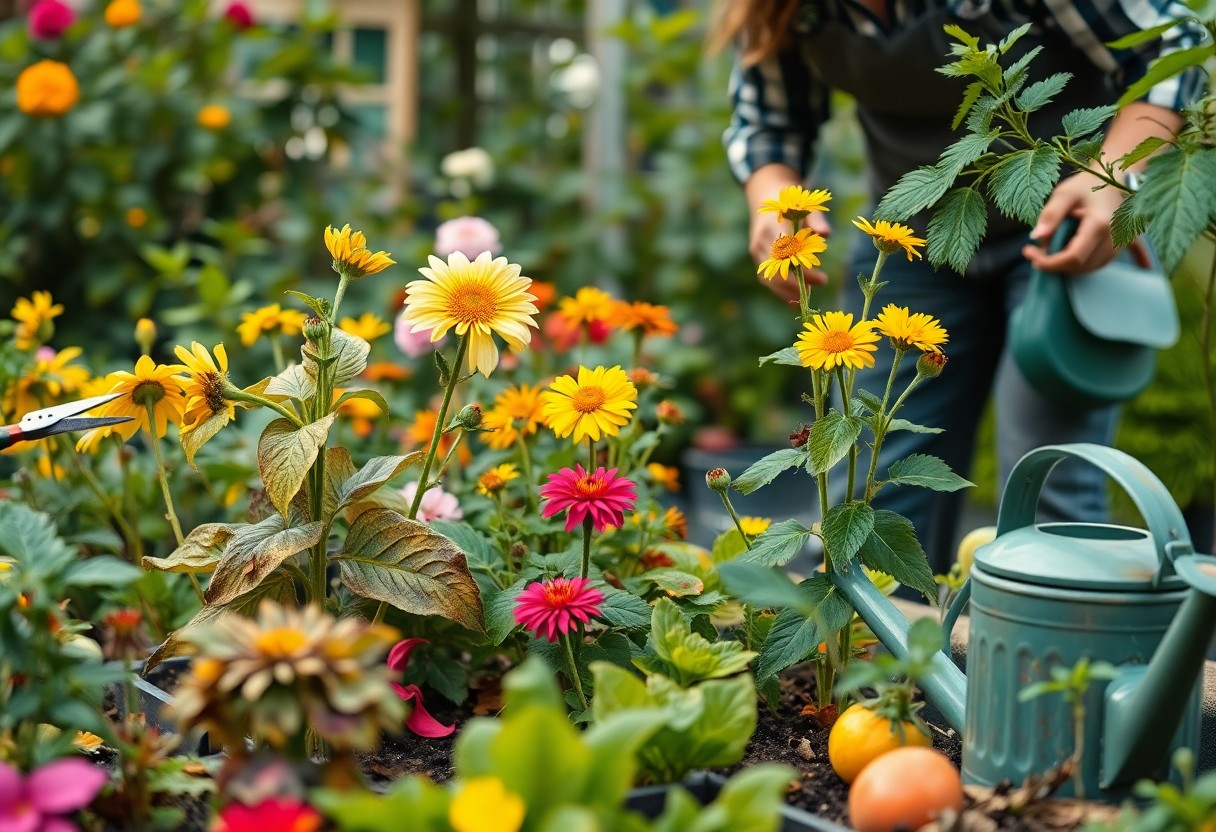
Just like any living organism, your garden can face its fair share of challenges. Whether you’re dealing with pests, disease, or environmental factors, understanding how to identify and resolve common issues is crucial for a thriving garden. This guide will equip you with the knowledge to troubleshoot problems effectively, ensuring that you can maintain a healthy and productive outdoor space. You’ll learn to recognize signs of distress and apply practical solutions that will help restore balance to your garden ecosystem.
Identifying Common Garden Issues
Before you can resolve problems in your garden, it’s crucial to identify what those issues are. Taking the time to closely observe your plants will help you spot signs of distress, such as wilting leaves, discoloration, or stunted growth. By pinpointing these symptoms early on, you can effectively target the specific problem, whether it’s pests, diseases, or environmental factors affecting your plants’ health.
Pest Infestations
Around the garden, you may notice unexpected damage to your plants, which can often be traced back to pest infestations. Common culprits include aphids, spider mites, and slugs, which cause harm by feeding on your plants or transmitting diseases. Regular inspections will help you catch these pests before they multiply and wreak havoc on your garden.
Fungal Diseases
Any garden can fall victim to fungal diseases, which often present themselves through discolored spots and wilting leaves. These infections thrive in damp conditions and can spread quickly if not addressed. Being proactive and observing your plants regularly is key to keeping these issues at bay.
But understanding fungal diseases is vital for maintaining a healthy garden. Common types include powdery mildew and downy mildew, which can lead to serious crop loss if not treated. It’s crucial to improve air circulation around your plants, avoid overhead watering, and utilize resistant plant varieties if available. Quick action can turn a potential disaster into a manageable issue, ensuring your garden thrives.
Soil Problems and Solutions
You may find that your garden suffers from various soil-related issues that can hinder plant growth. Addressing soil problems, such as poor drainage and nutrient deficiencies, is vital for ensuring your plants thrive. By taking proactive measures, you can amend your soil effectively and create a healthy environment for your garden.
Poor Drainage
Beside ensuring that your garden plants receive sufficient water, poor drainage can lead to oversaturation, causing root rot and other issues. To improve drainage, consider incorporating organic matter like compost or using raised beds, which can help facilitate better water flow and aeration.
Nutrient Deficiencies
With nutrient deficiencies, your plants may exhibit stunted growth, yellowing leaves, or poor yields. These deficiencies arise from a lack of crucial elements such as nitrogen, phosphorus, or potassium in your soil. Regularly testing your soil can help identify these issues, allowing you to apply the appropriate fertilizers to restore balance.
Problems arising from nutrient deficiencies can be quite damaging to your garden’s health. Plants lacking nitrogen may exhibit yellowing leaves and slow growth, while those deficient in phosphorus might struggle to produce flowers and fruits. Ensuring your soil has adequate levels of potassium is also crucial, as it aids in overall plant vigor and resilience. By addressing these nutrient shortcomings, you create a more robust environment for your plants, leading to a flourishing garden.
Weather-Related Challenges
Some weather-related challenges can severely affect your garden’s health and productivity. Whether it’s intense heat, unexpected frost, or fluctuating rainfall, understanding how these conditions impact your plants is key to maintaining their vitality. By recognizing the symptoms of weather stress and knowing how to respond, you can ensure your garden remains lush and thriving despite the elements.
Drought Conditions
One of the most pressing issues during drought conditions is the lack of moisture in the soil, which can stress your plants and stunt their growth. To mitigate this, you can implement mulching to retain soil moisture, water deeply and less frequently, and choose drought-resistant plant varieties to help your garden flourish even in challenging times.
Excessive Rainfall
Across many regions, excessive rainfall can lead to a host of problems such as waterlogged soil, root rot, and the spread of fungal diseases. You should ensure proper drainage in your garden to combat these issues and regularly monitor your plants for signs of distress.
The impact of excessive rainfall can be significant, as it creates ideal conditions for fungal infections and deters soil aeration. You may observe yellowing leaves or wilting plants, which indicate that the roots are suffocating due to excess water. To address these concerns, browse your garden for any soggy patches, and establish proper drainage systems to redirect water away from your plants. Incorporating well-draining soil amendments can also help improve drainage, ensuring your plants stay healthy even during wet weather.
Plant Selection and Care
After determining the needs of your garden, understanding how to choose and care for your plants is vital for a thriving space. Selecting the right plants ensures your garden flourishes, as every plant has unique sunlight, water, and soil needs. Paying attention to your local climate and the specifics of your garden will help you make informed choices.
Choosing the Right Plants
Among the factors to consider when selecting plants are your local climate, soil type, and the amount of sunlight your garden receives. Choose native species or those adapted to your environment to minimize maintenance and maximize growth potential. Always consider the growth habits and mature sizes of plants to prevent overcrowding.
Pruning and Maintenance
Along with selecting appropriate plants, regular pruning and maintenance are vital to keeping your garden healthy and attractive. Proper pruning promotes better air circulation and encourages healthy growth, helping you avoid problems such as disease or pests.
With consistent pruning, you can enhance the overall health of your plants by removing dead or diseased branches and encouraging new growth. Regular maintenance tasks include watering, fertilizing, and keeping an eye out for pests. Be mindful with your approach; over-pruning can stress plants, while under-maintenance can lead to pest infestations and diseases. Balancing care and attention to detail will ensure your garden not only survives but thrives.
Sustainable Gardening Practices
Not only do sustainable gardening practices enhance the beauty of your garden, but they also promote a healthier ecosystem. Emphasizing natural methods, you can create a thriving environment for your plants while reducing your carbon footprint. By utilizing techniques such as composting, water conservation, and organic pest control, you can cultivate a garden that is both productive and environmentally friendly.
Organic Solutions
Any gardener seeking to reduce the use of synthetic chemicals can turn to organic solutions. These methods prioritize natural materials and processes to tackle common garden problems. By implementing organic fertilizers, using natural pest repellents, and integrating companion planting, you can restore the balance in your garden while promoting soil health and biodiversity.
Integrated Pest Management
Organic pest control should always include Integrated Pest Management (IPM), a holistic approach to tackling garden pests. IPM combines multiple strategies such as biological controls, cultural practices, and organic treatments to minimize pest damage. A successful IPM plan allows you to monitor pest populations, utilize beneficial insects, and implement natural remedies, thereby reducing reliance on chemicals. Through this balanced method, you not only protect your plants but also promote a healthy ecosystem that supports biodiversity and minimizes harmful environmental impacts.
Tools and Techniques for Troubleshooting
Keep your garden thriving by using the right tools and techniques to diagnose issues effectively. Familiarizing yourself with crucial gardening tools will empower you to identify problems quickly, making your garden maintenance much more straightforward. Utilizing appropriate strategies not only enhances plant health but also saves you time and effort.
Essential Gardening Tools
Against common garden problems stands a well-equipped gardener. Basic tools like a quality trowel, pruning shears, and a hoe can make all the difference in addressing issues promptly. Incorporating items such as a soil pH meter or magnifying glass will allow you to inspect your plants in detail, enabling you to tackle pests and diseases before they escalate.
Effective Techniques for Maintenance
About maintaining a healthy garden, consistent check-ups are key. Regularly inspect your plants for signs of stress or disease, and ensure you are watering adequately according to seasonal needs. Rotating crops and applying organic mulch not only keeps your garden tidy but also enriches the soil, promoting better growth.
Further enhancing your garden involves strategies that go beyond basic maintenance. Consistent monitoring can help you identify problems early, while normal practices like crop rotation minimize the risk of disease. Keeping your garden at the right moisture level is vital, as both overwatering and underwatering can lead to plant stress. Additionally, applying a layer of organic mulch not only helps retain soil moisture but also suppresses weeds and adds nutrients back into the ground, ensuring a healthier garden overall.
Summing up
From above, you can see that troubleshooting common garden problems is crucial for maintaining a thriving garden. Whether you face issues with pests, plant diseases, or nutrient deficiencies, identifying the problem early ensures you can implement effective solutions. By following the steps outlined in this guide, you can enhance your gardening skills and create a more vibrant, productive space. Your garden’s success ultimately lies in your hands, and with the right knowledge, you can overcome any challenge that arises.