
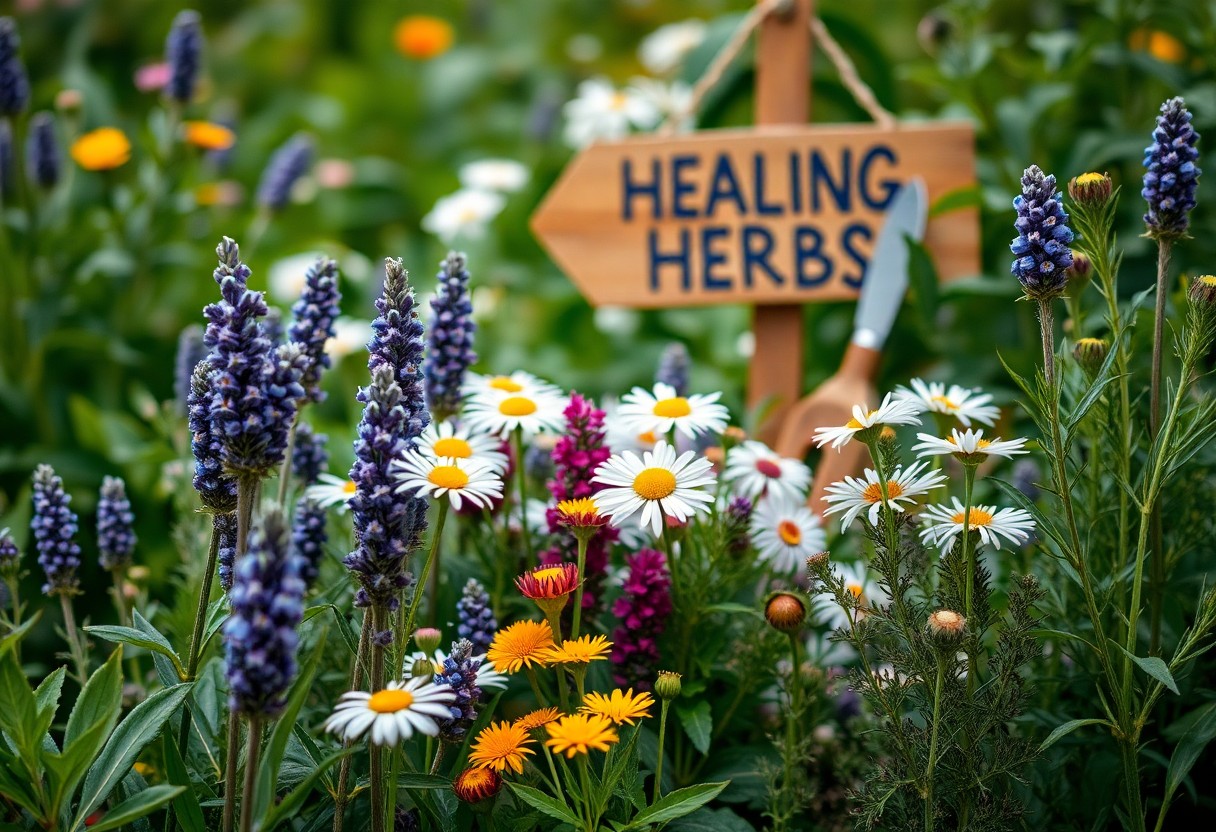
Herbs have been used for centuries for their healing properties, and by cultivating your own medicinal garden, you can tap into their incredible potential. In this guide, you will discover the most effective healing herbs you can grow at home, alongside imperative tips for ensuring their optimal growth. You will learn which herbs are safe and beneficial, as well as which might require caution due to their potent effects. Start your journey towards a healthier lifestyle through nature’s pharmacy right in your backyard!
Types of Healing Herbs
Your journey into the world of healing herbs begins with understanding the different types available to cultivate in your garden. Each variety has its unique properties and benefits, making it imperative to choose wisely. Below, you will find a summary of types of healing herbs:
| Culinary Herbs | Enhance flavor and provide health benefits. |
| Medicinal Herbs | Used to treat various ailments and support health. |
| Aromatic Herbs | Provide fragrance and insect-repellent properties. |
| Adaptogenic Herbs | Help your body manage stress. |
| Wild Herbs | Often found in nature and can be used for plant-based remedies. |
Culinary Herbs
Any novice gardener can easily start with culinary herbs like basil, parsley, and oregano. These herbs not only enhance the flavor of your dishes but also add significant health benefits, serving as natural antioxidants and anti-inflammatory agents. Incorporating them into your meals is a delightful way to reap the advantages of your homegrown plants.
Medicinal Herbs
Assuming you are interested in wellness, medicinal herbs can be incredibly potent in treating various ailments. From boosting immunity with echinacea to improving digestion with peppermint, these herbs offer a natural approach to improving your health.
Herbs such as chamomile and ginger possess properties that can alleviate symptoms of anxiety and nausea, respectively. It’s important to research the specific dosages and potential side effects before use, as some herbs may interact with medications or cause adverse reactions. Ensuring that you understand their uses can lead to beneficial outcomes in your wellness journey.
Aromatic Herbs
To create a fragrant and inviting environment, consider adding aromatic herbs to your garden. Herbs like lavender and rosemary not only smell delightful but also deter pests. These plants can uplift your mood while serving practical functions.
Medicinal benefits of aromatic herbs are vast. Lavender is known for its calming effects, while rosemary is linked to improved memory and concentration. Their soothing scents are perfect for any space, offering a sensory experience alongside their therapeutic qualities.
Tips for Growing Healing Herbs
Some key tips for growing healing herbs will ensure your garden thrives. Consider the following pointers:
- Choose the right plants for your region
- Provide plenty of sunlight
- Keep an eye on water levels
- Utilize natural pest repellents
Thou shall cultivate a flourishing medicinal garden with care and knowledge.
Choosing the Right Location
Choosing the right location is crucial for nurturing your healing herbs. Look for a spot that receives at least six hours of sunlight daily, ensuring your plants bask in the warmth they need to flourish. A well-drained area protects against waterlogged roots while allowing you to control their growth. Additionally, proximity to your kitchen will make it easy to access herbs for culinary or medicinal purposes.
Soil and Watering Requirements
Choosing the right soil and watering regimen is fundamental for the success of your healing herbs. Most herbs thrive in well-draining soil that is rich in organic matter. Additionally, maintaining adequate moisture without overwatering is key; herbs prefer to dry out slightly between waterings. Monitoring your plants will help you identify the ideal balance.
Growing your herbs in a rich, organic soil mix promotes healthy growth and strong flavors. Consider adding compost or organic fertilizers to improve soil quality and maintain moisture. Water your herbs deeply, allowing the soil to dry out slightly between watering sessions. This approach encourages roots to grow deeper, creating resilient plants that thrive in their environment.
Pest Management
Assuming that pests won’t invade your healing herbs is a mistake. Regularly inspect your plants for signs of insect damage or disease, as early intervention is key. Planting companion plants can help deter harmful pests, while maintaining a clean garden space reduces their presence. You can also embrace natural repellents, such as neem oil, to protect your herbs without harming beneficial insects.
Soil is not the only concern; pest management plays a vital role in your garden’s success. Keep an eye out for common garden invaders like aphids and whiteflies. Inspect each herb regularly, and act quickly if you notice any signs of infestation. Additionally, by promoting biodiversity in your garden, you naturally invite beneficial insects that prey on pests, creating a sustainable ecosystem for your healing herbs.
Step-by-Step Guide to Creating Your Medicinal Garden
To create your medicinal garden, follow these imperative steps: assess your space, choose your herbs wisely, and ensure they have optimal growing conditions. This simple guide will help you design, plant, and maintain your garden, ensuring you have access to healing herbs right at home.
Steps to Create Your Medicinal Garden
| Step | Description |
| 1 | Plan your garden layout |
| 2 | Select and source your seeds/plants |
| 3 | Plant and care for your herbs |
Planning Your Garden Layout
On planning your garden layout, consider the amount of sunlight, accessibility for watering, and the space needs of each herb. Create a design that allows for easy maintenance while maximizing sun exposure, ensuring your herbs thrive.
Selecting and Sourcing Seeds/Plants
Some of the best medicinal herbs to include in your garden are calendula, chamomile, and peppermint. You can purchase seeds from local nurseries or online suppliers, choosing organic options when possible for healthier plants.
Garden centers often have a wide selection of high-quality herbs, typically categorized by their medicinal properties. Consider joining local gardening clubs or online forums, as they can provide valuable insights and sometimes even share seeds from established plants.
Planting and Caring for Herbs
Herbs require specific care to flourish, including proper watering and soil health. Make sure to research individual plant needs, as some herbs prefer well-drained soil while others thrive in moist conditions.
Garden care entails regular watering, weeding, and monitoring for pests and diseases. Additionally, harvest your herbs wisely to encourage growth; this keeps your plants vigorous and ensures a continual supply of healing herbs for your medicinal needs.
Factors to Consider in Herb Gardening
Unlike traditional gardening, herb gardening requires special attention to various factors that can affect your herb growth. Consider the following:
- Climate and temperature
- Soil quality and drainage
- Sunlight exposure
- Watering needs
Knowing these elements is imperative to cultivate a thriving herb garden.
Climate and Seasonal Considerations
Herb gardening is heavily influenced by climate and seasonal changes. Ensure you select herbs that are suited to your local climate, as some herbs thrive in warm weather while others prefer cooler temperatures. Understanding your zone will help you plan your planting schedule effectively.
Companion Planting
Seasonal herbs can greatly benefit from companion planting, where certain plants grow better together. This practice can enhance growth, protect against pests, and improve the overall health of your garden. For instance, planting basil alongside tomatoes can help deter harmful insects.
Factors to consider for companion planting include the compatibility of herb species and their specific growing conditions. Some herbs may help repel pests, while others boost the growth of neighboring plants. By understanding these relationships, you can create a harmonious and productive garden ecosystem.
Harvesting Timing
Consider the timing of your herb harvest. Each herb has its preferred harvesting period, which is imperative for maximum flavor and potency. For example, leafy herbs are often best harvested just before they flower, while root herbs may require a different approach.
Another vital aspect to consider is how the timing affects the herb’s potency. Harvesting too late can result in loss of flavor as the plant focuses on reproduction rather than foliage growth. Always aim to pick herbs in the morning when imperative oils are at their peak, ensuring a robust flavor for your culinary needs.
Pros and Cons of Medicinal Herbs
Now, understanding the pros and cons of medicinal herbs can help you make informed choices for your garden. Here’s a breakdown of the potential benefits and drawbacks.
| Pros | Cons |
|---|---|
| Natural remedies | Possible allergies |
| Cost-effective | Interaction with medications |
| Cultivating your own | Dosage challenges |
| Environmental benefits | Limited research |
| Enhances culinary flavors | Quality control issues |
Benefits of Using Medicinal Herbs
Clearly, integrating medicinal herbs into your routine can offer numerous advantages. You can enhance your wellness naturally while enjoying the therapeutic properties these plants may provide. By growing your own herbs, you gain access to fresh and potent remedies, enabling you to tailor your health practices according to your preferences.
Potential Risks and Precautions
Cons of using medicinal herbs can include unintended side effects, particularly when combined with other treatments. It’s important to be cautious, as some herbs may cause adverse reactions or interfere with prescription medications.
Understanding the risks associated with medicinal herbs is important for your safety. Allergies to certain plants can occur, and specific herbs may interact negatively with your other medications, potentially leading to serious complications. Additionally, inadequate knowledge regarding appropriate dosages can magnify these risks. Consulting a qualified healthcare professional beforehand can help you navigate any potential dangers, ensuring a safe and effective experience with your herbs.
Common Mistakes to Avoid
Despite the joy of cultivating your own medicinal garden, beginners often encounter challenges that hinder their progress. By avoiding a few common mistakes, you can enhance your gardening success and enjoy the benefits of healing herbs. Pay attention to the details, and your garden will thrive.
Overwatering and Drainage Issues
Avoid overwatering your plants, as this can lead to root rot and fungal diseases. Ensure that your herb garden has good drainage, using pots with holes or raised beds to help excess water escape. This practice will keep your herbs healthy and prevent stunted growth.
Ignoring Pest Control
You may think that pests are a minor nuisance, but neglecting pest control can lead to significant damage to your herbs. Regularly inspect your plants for signs of infestation, and act promptly with organic solutions to keep your garden thriving.
Common pests such as aphids, spider mites, and whiteflies can quickly multiply and harm your plants’ health. Implementing integrated pest management strategies, like attracting beneficial insects and using natural repellents, can help maintain a balanced ecosystem in your garden. By staying vigilant, you protect your investment and ensure your herbs remain a source of healing.
Misidentification of Plants
Issues arise when you misidentify your plants, leading to potential dangers, especially when it comes to herbs. Always cross-reference your plants with reliable resources to avoid any confusion and ensure accurate identification.
Mistakes in plant identification can result in serious consequences, including consuming toxic herbs or overlooking vital medicinal plants. To mitigate these risks, always label your plants and take the time to educate yourself about their unique characteristics. This diligence will not only protect you and your garden but also enhance your herbal knowledge for future endeavors.
Conclusion
On the whole, “Healing Herbs – The Medicinal Garden Beginner’s Guide” provides you with vital knowledge to cultivate your own healing garden. By understanding the benefits of various herbs and how to integrate them into your daily life, you empower yourself to take charge of your well-being. Each plant you nurture not only enhances your health but also fosters a deeper connection with nature. As you begin on this journey, your commitment to learning will yield both personal and medicinal rewards.