

It’s crucial for you as a gardener to understand the difference between good bugs and bad bugs that inhabit your garden. Beneficial insects, like ladybugs and lacewings, can help control pest populations, while harmful pests, such as aphids and spider mites, can wreak havoc on your plants. By identifying your garden allies, you can foster a healthy ecosystem that supports your plants and enhances your gardening success. This guide will equip you with the knowledge to protect your garden and promote beneficial insects.
Understanding Beneficial Insects
To cultivate a thriving garden, it’s vital to understand beneficial insects, which play vital roles in maintaining a balanced ecosystem. These allies not only enhance plant growth but also help control pest populations naturally. By identifying and encouraging these insects, you can foster a healthier garden environment, reduce the need for chemical interventions, and ultimately enjoy a more bountiful harvest.
Pollinators
Behind every beautiful bloom, pollinators like bees, butterflies, and hummingbirds are hard at work. They transfer pollen from one flower to another, facilitating the reproduction of plants and ensuring a diverse range of crops. By attracting these buzzing and fluttering friends to your garden, you can significantly improve fruit and vegetable yields.
Predators and Parasites
With beneficial insects like ladybugs and lacewings, your garden gains natural guards against harmful pests. These predators feast on aphids, mites, and other garden nuisances, keeping their populations in check. Additionally, certain parasitoids lay eggs in or on pests, ultimately leading to their demise. This biological control method allows you to reduce reliance on chemical pesticides, promoting a healthier garden ecosystem.
Pollinators and predators not only enhance your garden’s productivity but also contribute to its overall health. Predators, such as ladybugs and hoverflies, actively hunt down common pests like aphids, minimizing the damage to your plants. Meanwhile, parasitic insects, like certain wasps, lay their eggs inside pests, ensuring they won’t reproduce. Encouraging these beneficial insects through diverse plantings and habitat creation can transform your garden into a thriving ecosystem.
Common Garden Pests
Now, understanding the differences between garden pests is vital for nurturing your plants. Many pests can wreak havoc in your garden, leading to unhealthy plants and reduced harvests. By identifying these common pests, you can take proactive measures to protect your garden’s ecosystem and ensure your plants thrive.
Harmful Insects
To effectively combat pests, you need to recognize the harmful insects that threaten your garden. These include aphids, spider mites, and whiteflies, which can cause significant damage by sucking the sap from your plants. Keeping an eye on these invaders will help you maintain the health of your garden and your plants.
Signs of Infestation
About being vigilant for signs of infestation can save your garden from severe damage. Inspect your plants regularly for unusual discoloration, wilting, or holes in the leaves, as these may indicate pest activity. Additionally, watch for sticky residues, webs, or visible insects as clear signs that your plants need immediate attention.
Infestation often manifests initially through yellowing leaves or stunted growth. You may also notice small holes in the foliage or a sticky film on your plants, caused by pests like aphids that secrete honeydew. If you see clusters of tiny insects or spider webs, it’s time to act before the situation escalates. Early detection is key to preserving your garden’s beauty and vitality.
The Role of Healthy Soil in Pest Management
Assuming you prioritize healthy soil in your garden, you’ll find that it plays a significant role in managing pests. Rich, well-structured soil fosters a diverse ecosystem that can naturally keep pest populations in check. Healthy soil promotes robust plant growth, which improves plant resilience to pests and diseases, enabling your garden to thrive without over-reliance on chemical interventions.
Soil Microbes
Before you can appreciate the importance of soil microbes, it’s crucial to understand that they form the backbone of a healthy soil ecosystem. These tiny organisms perform vital roles, including nutrient cycling and disease suppression, which ultimately help protect your plants from pests. By enhancing soil health, you encourage a thriving population of beneficial microbes that can act as your garden’s first line of defense.
Nutrient-Rich Environments
Against the common perception that all pests are harmful, creating a nutrient-rich environment can help you manage garden pests effectively. By enriching your soil with organic matter, you not only boost the nutritional value for your plants but also support a thriving community of beneficial organisms.
In fact, a nutrient-rich soil improves your plants’ vigor and enhances their ability to outcompete pests for resources. Healthy, well-nourished plants are less stressed and more resilient, making them less attractive to harmful insects. Additionally, a robust ecosystem rich in beneficial microbes and insects can naturally suppress pest populations, leading to a more balanced and thriving garden environment.
Natural Pest Control Methods
For every gardener seeking sustainable solutions, natural pest control methods present an effective way to protect your plants without the harsh chemicals. Embracing these strategies can significantly enhance your garden’s health by promoting the balance of beneficial insects while minimizing harm to the ecosystem. By understanding and implementing these natural techniques, you can foster a thriving garden that attracts the right allies and deters unwanted pests.
Companion Planting
Behind the scenes of a flourishing garden lies the powerful technique of companion planting. By strategically placing certain plants together, you can create a harmonious environment that naturally repels pests while enhancing growth. For instance, planting marigolds alongside vegetables can deter aphids and nematodes, boosting the health of your crops significantly.
Biological Control Agents
For effective pest management, biological control agents serve as an necessary component in your gardening arsenal. These beneficial organisms, such as ladybugs, lacewings, and parasitic wasps, work to naturally regulate pest populations in your garden. By introducing these allies, you can significantly reduce the need for chemical pesticides, promoting a healthier ecosystem.
Hence, to employ biological control agents effectively, you should cultivate a diverse garden that attracts these helpful insects. Consider planting flowers like dill, yarrow, and fennel, which provide nectar and habitat for beneficial bugs. By fostering a welcoming environment, you will create a sustainable balance that encourages the presence of predatory insects while keeping harmful pests at bay, safeguarding your plants without relying on harmful chemicals.
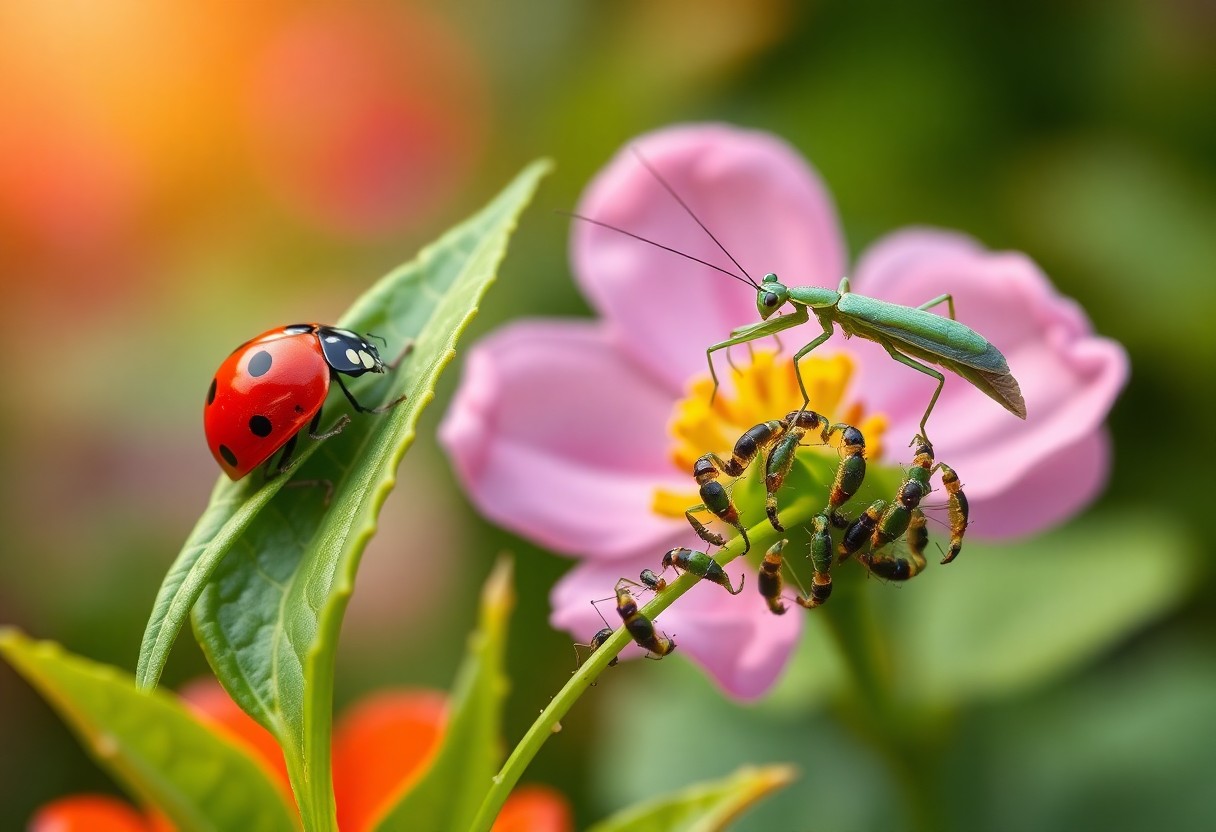
Attracting Good Bugs to Your Garden
Despite the common perception that all bugs are pests, many creatures play vital roles in your garden’s ecosystem. By attracting good bugs, you can enhance plant health, reduce pest populations, and promote biodiversity. To create a healthy garden environment, consider various methods that will draw beneficial insects to your outdoor space.
Plant Selection
About the importance of choosing the right plants, it’s necessary to incorporate a diverse array of flowering species that bloom at different times. Native plants, herbs like basil and mint, and flowers like marigolds and sunflowers can attract beneficial insects such as ladybugs and bees, which will help pollinate your plants and control harmful pests.
Creating Habitats
Behind every thriving good bug population lies a welcoming habitat consisting of shelter, food, and water sources. This can include creating small nesting areas using twigs, grasses, or even designated patches of native plants where beneficial insects can lay their eggs and find refuge.
Also, providing diverse habitats ensures that good bugs have a place to thrive. You can establish insect hotels by stacking logs or leaving dead wood in your garden. Incorporating features like small ponds or water trays will give them necessary water access. By planting a wider variety of native flowers, you offer vital nectar for adult beneficial insects while also nurturing their offspring with habitats that support development. Such practices contribute to a healthier garden ecosystem, allowing you to enjoy both thriving plants and the beneficial insects that protect them.
Chemical Control vs. Organic Approaches
Keep in mind that effective pest management in your garden requires a clear understanding of the difference between chemical control and organic approaches. While chemical solutions may provide quick results, they can also harm beneficial insects and disrupt your garden’s ecosystem. Organic methods, on the other hand, prioritize natural pest control and maintain soil health, empowering you to cultivate a thriving garden ecosystem.
Pros and Cons
About the pros and cons of each approach, consider the following:
Pros and Cons
| Chemical Control | Organic Approaches |
| Quick effectiveness | Safe for beneficial insects |
| Easy application | Promotes biodiversity |
| Less manual labor | Improves soil health |
| Long-lasting effects | Environmentally friendly |
| Potential health risks | May require more maintenance |
| Risk of chemical runoff | Slower pest control |
| Harm to pollinators | Utilizes natural solutions |
| Resistance in pests | Reduces chemical dependency |
| Environmental impact | Supports sustainable gardening |
Recommendations for Home Gardeners
About choosing the right approach, consider integrating both chemical and organic methods to tailor a strategy that suits your specific garden needs. Prioritize organic solutions like attracting beneficial insects and using natural pest repellents when possible. If you resort to chemicals, select targeted, low-toxicity options and apply them judiciously to minimize risks to your garden’s ecosystem.
Chemical methods can provide rapid control in severe pest infestations, but their use should be approached with caution. Always opt for low-toxicity products and only treat specific areas affected by pests. Ensure proper application techniques to avoid harming beneficial insects and the surrounding environment. By being informed, you can effectively manage pests while protecting your garden’s health.
Conclusion
Now that you understand the differences between good bugs and bad bugs, you can better protect your garden. By identifying beneficial insects that help control pests and promote healthy growth, you can create a thriving ecosystem right in your backyard. Use this knowledge to foster relationships with your garden allies and minimize the impact of harmful insects. In doing so, you’ll enhance your gardening experience and contribute to a balanced environment.