
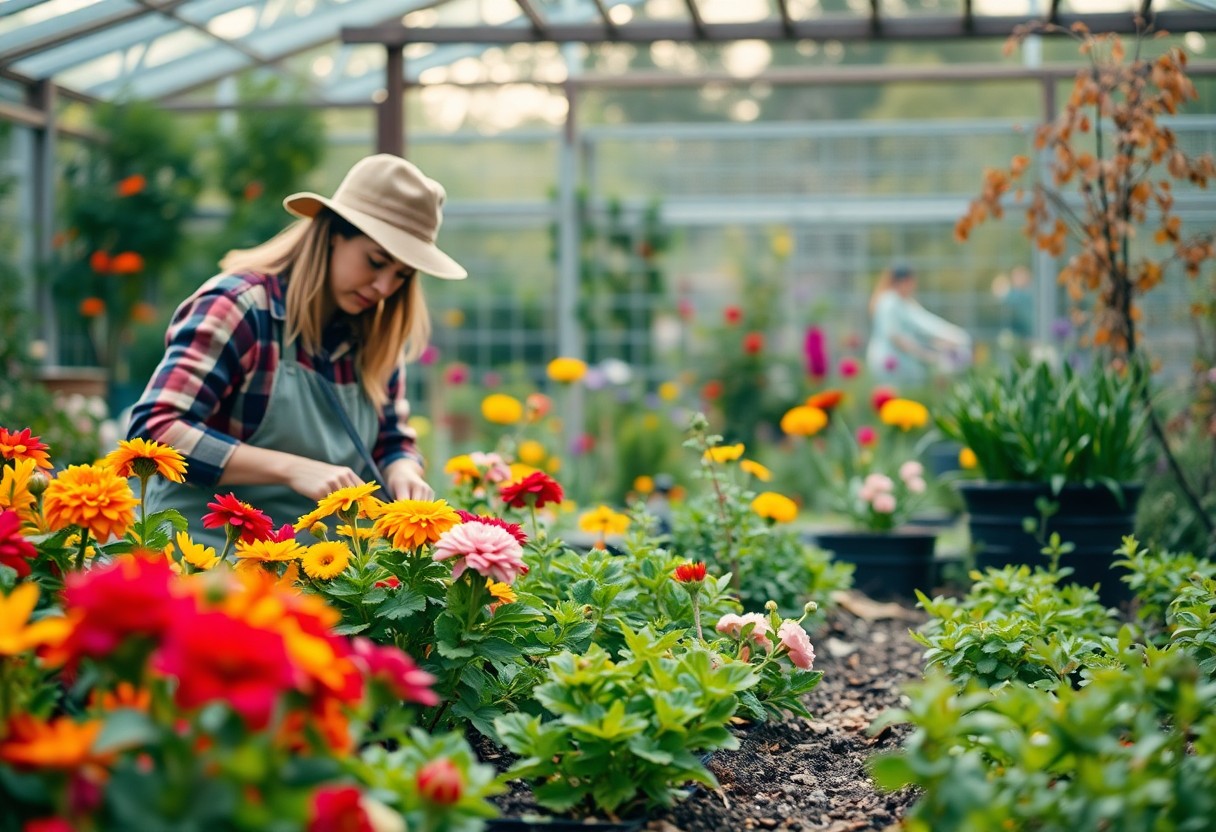
As spring unfolds, your garden enters a dynamic phase, requiring your attention for optimal growth and health. Each month brings unique tasks important for maintaining your outdoor space, from planting new seeds to preparing for winter’s chill. In this guide, you will discover month-by-month strategies to enhance your garden’s productivity, bolster plant health, and ensure a vibrant landscape throughout the year. Equip yourself with the knowledge to transform seasonal challenges into opportunities for flourishing greenery.
January Gardening Tasks
Before the colder weather fully sets in, January is an excellent time to prepare your garden for the upcoming growing season. This month encourages you to assess your previous year’s garden performance and make necessary adjustments for better results. Take stock of your tools, gather supplies, and start planning your spring garden layout, ensuring you have everything in place when the weather warms up.
Planning and Organizing
Along with assessing your garden, this is the perfect month for organizing your gardening tools. Clean and store away any equipment you won’t be using in the coming months. Create a garden journal to document your thoughts and plans, noting what worked last year and what didn’t. Developing a clear strategy for planting and crop rotation will help maximize your harvest.
Indoor Plant Care
Above all, January provides a wonderful opportunity to give your indoor plants extra attention. Proper winter care will ensure your houseplants thrive despite the challenging conditions outside. You should monitor their watering needs closely, as indoor air can be quite dry. Adjust humidity levels as necessary to keep your plants happy.
Tasks for indoor plant care involve regular watering and checking for pests. Mist your plants occasionally to increase humidity, and make sure to remove any dead or yellowing leaves. Keep your plants in a bright location, but be mindful of exposure to drafts or direct heating sources that could harm them. Adjust your fertilization routine during this time, as most plants require less feed while they are dormant. Following these simple tasks will help set the stage for robust growth as spring approaches.
February Gardening Tasks
The month of February is a perfect time to get a head start on your garden. As temperatures begin to rise, you can prepare your soil, start seeds indoors, and take care of necessary pruning. With the right tasks, you’ll set your garden up for success as spring approaches.
Seed Starting
For many gardeners, February marks the beginning of seed starting. This is an ideal time to sow seeds indoors for crops like tomatoes, peppers, and herbs. Use seed trays filled with quality seed-starting mix, and provide adequate light and warmth to encourage healthy germination.
Pruning Techniques
Along with seed starting, February is an excellent time for pruning certain trees and shrubs. Proper pruning helps maintain plant health and encourages new growth in the spring. Be sure to use sharp, clean tools to make precise cuts and reduce the risk of injury to your plants.
In addition to improving overall plant health, effective pruning techniques can prevent diseases and promote better air circulation. Always remove dead or damaged branches first, cutting them back to healthy wood. For flowering shrubs, prune right after they bloom to avoid removing next season’s buds. Practice caution with larger branches, as improper cuts can lead to harmful shocks. By mastering these techniques, you can enhance the vitality of your garden effectively.
March Gardening Tasks
Now that spring is around the corner, it’s time to gear up for a productive gardening season. March is perfect for preparing your soil, nurturing early seedlings, and planning your garden layout. As the weather warms, you can begin to see the fruits of your labor as you establish a healthy foundation for vibrant blooms and bountiful harvests.
Soil Preparation
By assessing your soil health now, you can amend and enrich it to support your plants’ growth. Conduct a soil test to check for nutrient levels and pH balance, and add organic matter such as compost or well-rotted manure to improve soil structure and fertility.
Early Spring Planting
An array of plants can thrive when you start sowing seeds or transplanting in March. Cool-season crops like peas, spinach, and kale can be planted directly into your garden, as they tolerate cooler temperatures and will establish roots before the heat sets in.
The best part about early spring planting is that you can harvest these crops before the summer heat arrives. You’ll enjoy a earlier bounty while reducing the risk of pests that come with hotter months. Just ensure you check your local frost dates to safeguard sensitive seedlings from any late frosts. With your plan in place, you’ll witness your garden flourish as the warm weather approaches, providing you with delicious rewards throughout the season.
April Gardening Tasks
Despite the lingering chill, April is an exciting month for gardeners as spring awakens. It’s time to tend to your soil, tidy up your garden beds, and start planting hardy annuals. Get a head start by sowing seeds indoors or directly into the ground, ensuring your garden bursts with vibrant colors as the weather warms up. Make a plan for the upcoming growing season and take action—April is the perfect time to set the stage for a flourishing garden.
Fertilization Strategies
With the return of growth, it’s necessary to assess your soil health. This month, you should apply a balanced organic fertilizer to your garden beds to replenish nutrients lost during the winter. Consider using compost or well-rotted manure to enrich the soil further. Regular fertilization will promote strong growth and vibrant blooms throughout the season, making your garden more resilient and productive.
Pest Control Measures
Pest management is necessary as temperatures rise and your plants begin to thrive. Begin scouting for common pests such as aphids and spider mites that may seek out your new growth. Monitoring your plants closely will allow you to catch infestations early.
But taking proactive measures can make all the difference. Use natural insecticides or introduce beneficial insects like ladybugs that feed on pests. Additionally, keeping your garden clean by removing debris reduces hiding spots for unwanted insects. By integrating preventive strategies and maintaining a healthy ecosystem, you can ensure a vibrant and thriving garden this spring.
May Gardening Tasks
Many gardeners embrace May as a time for vibrant growth and flourishing plants. As the risk of frost diminishes, it’s the perfect opportunity to nurture your garden. From planting summer crops to caring for existing plants, you’ll find plenty of tasks to keep your green space thriving this month.
Transplanting Seedlings
Around mid-May, you can successfully transplant your seedlings outdoors. Ensure that you harden them off first by gradually exposing them to outdoor conditions. This preparation helps them adapt to their new environment, reducing the shock of transplanting.
Mulching and Weeding
On the other hand, May is an ideal time to focus on mulching and weeding. This practice not only improves the appearance of your garden beds but also helps retain soil moisture and suppress unwanted weeds.
Understanding the importance of mulching and weeding can enhance your garden’s health. Mulch acts as a shield against weeds and regulates soil temperature, while regular weeding prevents competition for nutrients and water. It’s crucial to remove weeds promptly to avoid them going to seed, which can create more challenges down the line. When choosing mulch, consider organic options that enrich your soil as they decompose. This combination supports a thriving environment for your plants, allowing them to grow strong and healthy.
June Gardening Tasks
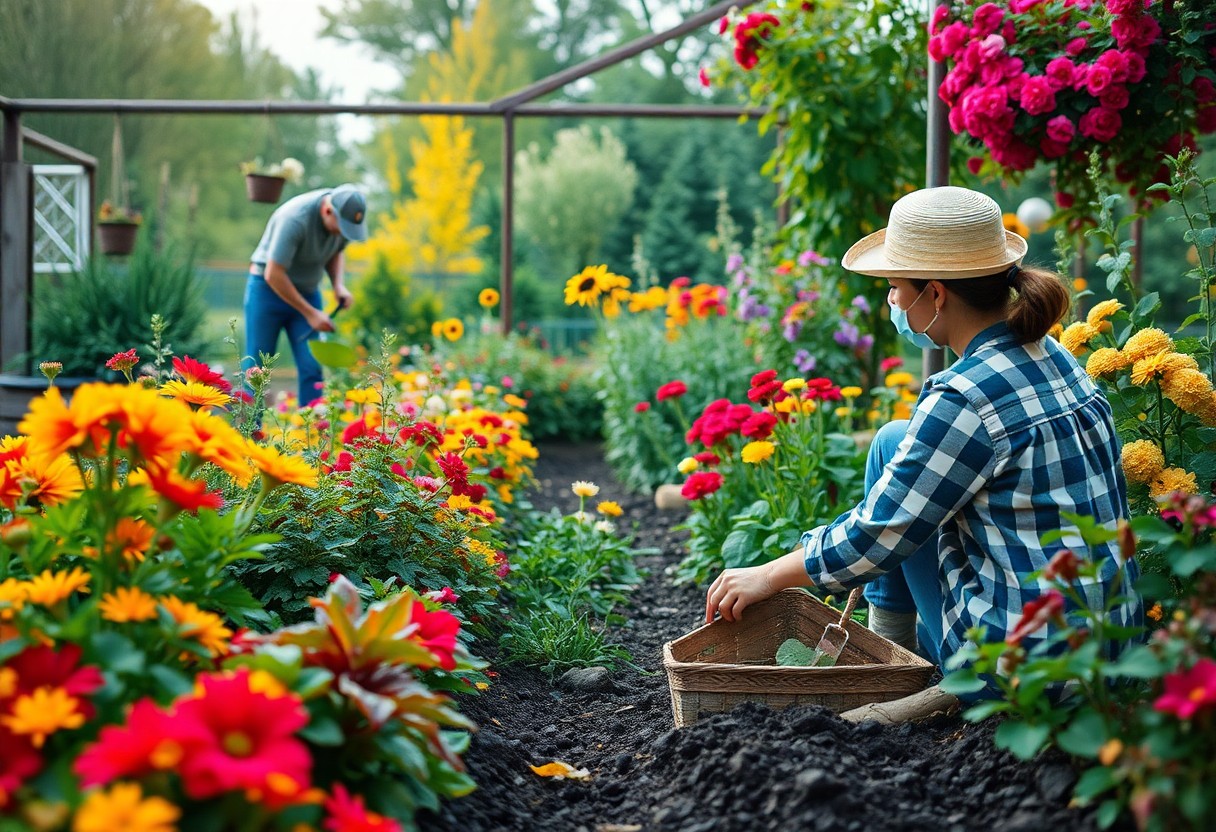
Keep your garden thriving this June by focusing on necessary tasks such as weeding, mulching, and planting summer vegetables. This month is perfect for sowing seeds like beans, corn, and squash. Regular maintenance will ensure your garden remains healthy and vibrant as the temperatures rise.
Irrigation Practices
At this time of year, it’s vital to assess your irrigation practices. Ensure your plants receive adequate moisture, especially during hot spells. Consider deep watering early in the morning or late in the evening to minimize evaporation and promote deep root growth.
Summer Crop Maintenance
Among the tasks you should focus on in June are summer crop maintenance, including pest control and consistent watering. These practices will not only enhance yield but also protect your crops from disease. Observing your crops regularly helps in identifying and addressing challenges effectively.
Another necessary aspect of summer crop maintenance is monitoring for pests and diseases. Keep a close eye on your plants for any signs of trouble and take action quickly to prevent spread. You can use organic pesticides or natural solutions like neem oil for effective control. Additionally, ensure you provide adequate support for climbing plants and keep up with fertilization to promote healthy growth. By staying proactive, you can enjoy a bountiful harvest later in the season.
Summing up
With these considerations, you can effectively prepare your garden for each season by staying organized and proactive. By following monthly tasks related to planting, pruning, and maintaining your garden, you’ll foster healthy growth and a vibrant outdoor space. Each month presents unique opportunities and challenges, so engage with your garden regularly to adapt your strategies and maximize your success. Whether you are a novice or an experienced gardener, staying informed and dedicated will ensure your efforts yield beautiful results throughout the year.