
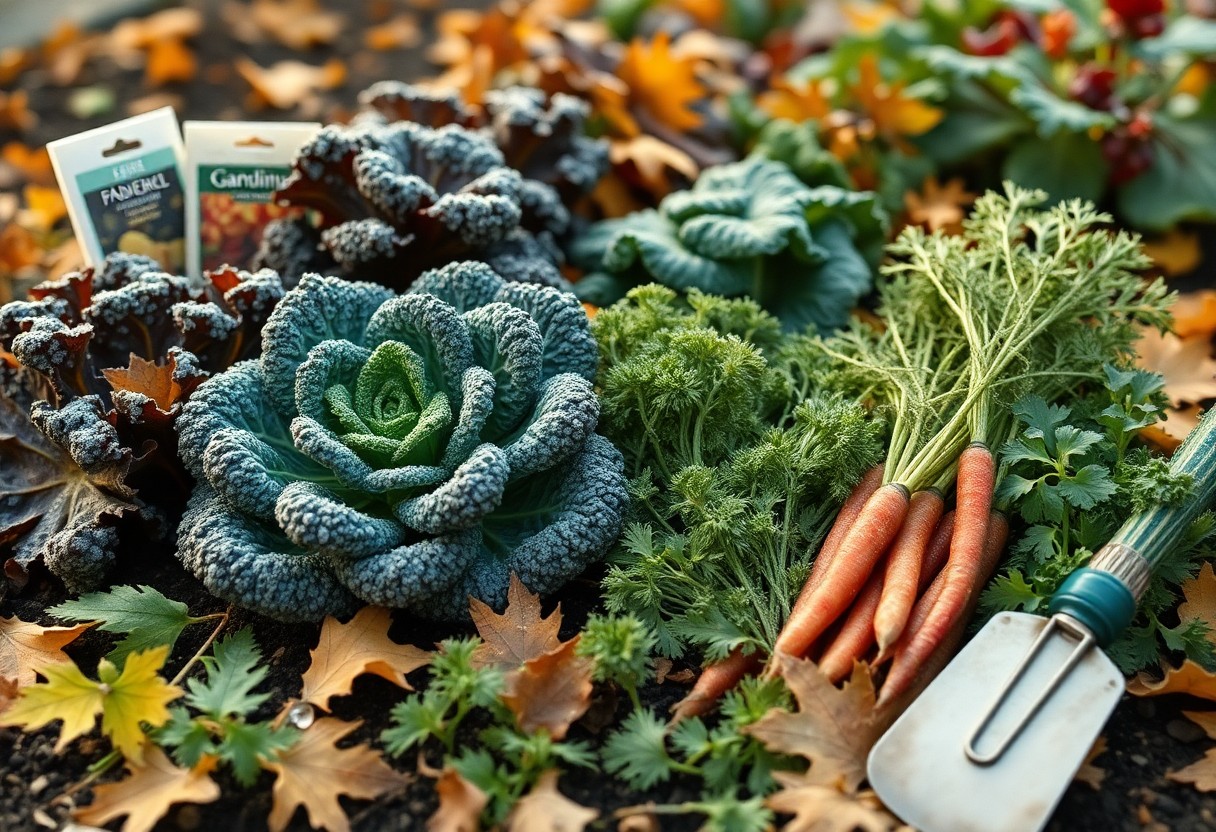
There’s a world of opportunities in off-season gardening that can transform your garden into a productive space even during less favorable weather conditions. By understanding what to plant and when, you can extend your growing season, enjoy a variety of crops, and effectively use your garden year-round. Whether you’re looking to sow winter greens or plan for an early spring harvest, this guide will provide you with important tips and timelines to maximize your gardening efforts and yield delicious results.
Understanding Off-Season Gardening
Before you examine into off-season gardening, it’s vital to grasp its unique characteristics and benefits. Off-season gardening allows you to cultivate plants during periods when traditional gardening activities would often slow down. By understanding the timing and types of crops suitable for these periods, you can maintain a productive garden year-round and maximize your yields.
What is Off-Season Gardening?
OffSeason gardening refers to the practice of growing vegetables, herbs, and flowers outside the typical growing season. This can include planting in early spring before the last frost or in late autumn for winter harvests. With the right knowledge and techniques, you can successfully extend your growing season and enjoy fresh produce even when most gardens are dormant.
Benefits of Off-Season Gardening
For many gardeners, off-season gardening offers a plethora of advantages, including extended harvest periods, increased crop diversity, and improved soil health. By planting in the off-season, you can enjoy fresh vegetables when they’re least available, while also reducing competition from pests and diseases that thrive in peak seasons.
With off-season gardening, you can optimize space and resources while taking advantage of lower pest activity and favorable weather conditions. This practice not only increases your yield but enhances your gardening experience. Engaging in off-season gardening also helps in maintaining healthy soil, as the continuous growth of plants contributes organic matter. Furthermore, you’ll find that you are contributing to your local ecosystem by supporting a diverse range of flora, which acts as a natural pest deterrent and promotes better biodiversity in your garden.
Planning Your Off-Season Garden
If you’re looking to maximize your gardening potential during the off-season, effective planning is important. Start by evaluating your climate conditions, available space, and the time you can devote to garden maintenance. This strategic approach allows you to create a garden that thrives during the cooler months, ensuring bountiful harvests and lush greenery even when most gardens are dormant.
Selecting the Right Plants
By choosing plants that are well-suited to your climate and growing conditions, you can enhance your chances of success in the off-season garden. Focus on varieties known for their resilience in cooler weather, such as kale, spinach, and garlic. Additionally, consider your preferences and how these plants will complement your meals or home environment.
Assessing Your Growing Zone
For optimal results, understanding your specific growing zone is key to selecting plants that will prosper in your off-season garden. This knowledge will help you determine not only which plants to choose but also the best planting and harvest times to ensure a productive garden throughout the cooler months.
Another important aspect of assessing your growing zone is recognizing the temperature ranges and frost dates typical for your area. Different plants have varying tolerances to cold, so knowing your zone allows you to select species that can withstand the specific weather conditions you’ll encounter. Utilize local gardening resources to pinpoint your zone, and consider using tools such as temperature maps to gain insights into your area’s gardening potential. Proper assessment allows you to make informed decisions that can ultimately lead to a thriving off-season garden.
Planting Schedules for Off-Season Crops
While many gardeners focus on the warmer months, off-season gardening offers remarkable opportunities. Understanding planting schedules for off-season crops can help you maximize your harvest. By planting at the right times, you can ensure robust growth and a thriving garden, even as temperatures drop. Many cool-season crops can be sown in early spring or fall, providing you with a bounty during quieter months.
Cool-Season Vegetables
With cool-season vegetables, you can take advantage of the mild weather. These crops, including spinach, kale, and broccoli, thrive in temperatures ranging from 50 to 65°F. Plant these seeds in late summer or early fall for a late harvest or early spring for a summer bounty.
Perennials and Herbs
Cool-season plants are not the only option; perennials and herbs can also play a vital role in your off-season garden. You might consider adding varieties like thyme, chives, and rosemary, which enhance your garden year after year.
It’s beneficial to include perennials and herbs in your planting schedule as they often require less maintenance once established. Many of these plants are hardy, allowing them to thrive through colder months, providing you with flavorful additions to your culinary creations. Be sure to choose your varieties wisely to ensure they are adaptable to your climate, enhancing both your garden’s beauty and your meals.
Preparing Your Soil for Off-Season Planting
All successful off-season gardening begins with healthy soil preparation. You will want to ensure that your soil is rich, well-aerated, and properly drained to support the plants you intend to grow. This process includes adding organic matter, testing pH levels, and addressing any deficiencies. By focusing on these aspects, you can create a nurturing environment for your plants, leading to better yields and stronger growth.
Soil Tests and Amendments
Behind every thriving garden is a well-analyzed soil condition. Conducting a soil test allows you to understand the pH and nutrient levels present in your soil. Based on the results, you may need to amend your soil with lime for acidity or fertilizers to boost nutrient content, ensuring your plants receive the necessary support for optimal growth.
Mulching and Composting Techniques
One effective strategy for improving your soil health is through mulching and composting. Mulching helps to retain moisture, suppress weeds, and regulate soil temperature, while composting enriches the soil with valuable nutrients and beneficial microorganisms. Both practices contribute to a sustainable gardening approach, enhancing the overall health of your off-season plants.
Understanding the benefits of these techniques can significantly improve your garden’s productivity. When you apply organic mulch, you’re not just protecting your soil; you’re also enhancing its quality as it breaks down and enriches the underlying soil. Additionally, composting introduces a variety of nutrients, supports soil structure, and promotes a healthy ecosystem for earthworms and other beneficial organisms. Implementing these practices ensures your garden is robust and ready for successful off-season growth.
Maintenance During the Off-Season
Despite the downtime of winter, your garden still requires careful attention. During the off-season, maintenance practices can ensure your garden remains healthy and ready for the next growing season. Regular upkeep helps to prepare the soil, manage weeds, and protect your plants from pests, setting you up for a successful spring.
Watering and Fertilizing
Beside the obvious cold, your garden still needs adequate hydration and nutrients even in the off-season. Depending on your climate, you should monitor soil moisture and adjust your watering schedule accordingly. Using a slow-release fertilizer can provide imperative nutrients to your soil without overwhelming your dormant plants.
Pest and Disease Management
About pest and disease management, it’s even more vital during the off-season than you might think. Taking preventive measures now can save you from significant headaches later on. Regularly monitor your garden for any signs of pests or diseases, and promptly remove any affected plants to prevent spread.
But don’t underestimate the winter months when it comes to pest and disease management. Many pests can survive in your garden’s debris, waiting for an opportunity to attack your plants come spring. Employ methods like removing fallen leaves and debris, which can harbor hidden pests, and consider using organic pesticides or dormant oils to protect your plants. Keeping a clean garden not only deters pests but also ensures that your soil remains rich and healthy, paving the way for robust growth when the new season arrives.
Harvesting and Enjoying Your Off-Season Produce
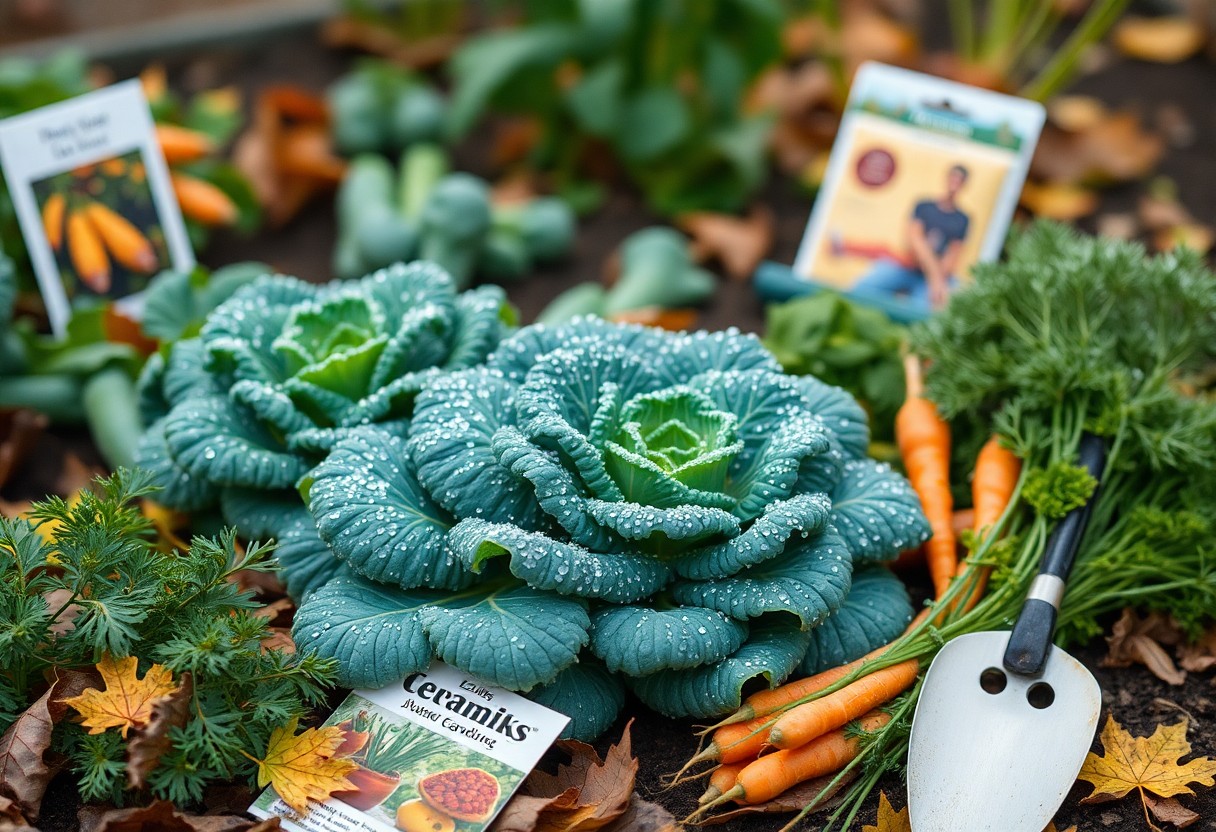
Not only do harvested off-season crops provide you with fresh produce, but they also allow you to explore new recipes and flavors. Engaging in the enjoyment of your yields can inspire creativity in the kitchen. From root vegetables to leafy greens, there’s a bounty waiting to be turned into delicious meals that keep you connected to your garden all year round.
When to Harvest
Beside enjoying the sights of your flourishing garden, knowing when to harvest is crucial for optimal flavor and nutrition. Each vegetable has its specific harvest window, generally indicated by size, color, or firmness. Pay attention to signs like pea pods plumping or root vegetables peeking above ground to ensure you pick them at their peak.
Storage Tips for Off-Season Crops
Beside harvesting, effective storage of your off-season crops can prolong their freshness. Consider these storage tips to maintain quality:
- Cool and dark environments prolong shelf-life.
- Wash and dry root vegetables thoroughly before storing.
- Use breathable containers for ventilation.
- Keep greens slightly damp in the fridge.
The right methods ensure your harvest stays delicious longer.
Another important aspect of storage is understanding specific needs of your crops. For example, onions thrive in dry, dark conditions, while carrots require moist environments. Here are some additional tips:
- Keep fruits like apples separate from vegetables to avoid ethylene damage.
- Check stored produce regularly for signs of spoilage.
- Consider freezing, canning, or drying excess crops.
The proper storage can save you time, reduce waste, and enhance your culinary experiences.
Final Thoughts and Best Practices
To ensure a successful off-season garden, you should focus on choosing the right plants suitable for your climate and soil conditions. Timing is vital; plant at optimal intervals to maximize growth and yield. Regularly check for pests and diseases to protect your crops, as they can thrive even in cooler months. Additionally, consider using cover crops to enhance soil health during dormancy. By following these guidelines, you can cultivate a thriving garden that provides you with fresh produce and a sense of accomplishment during the off-season.