
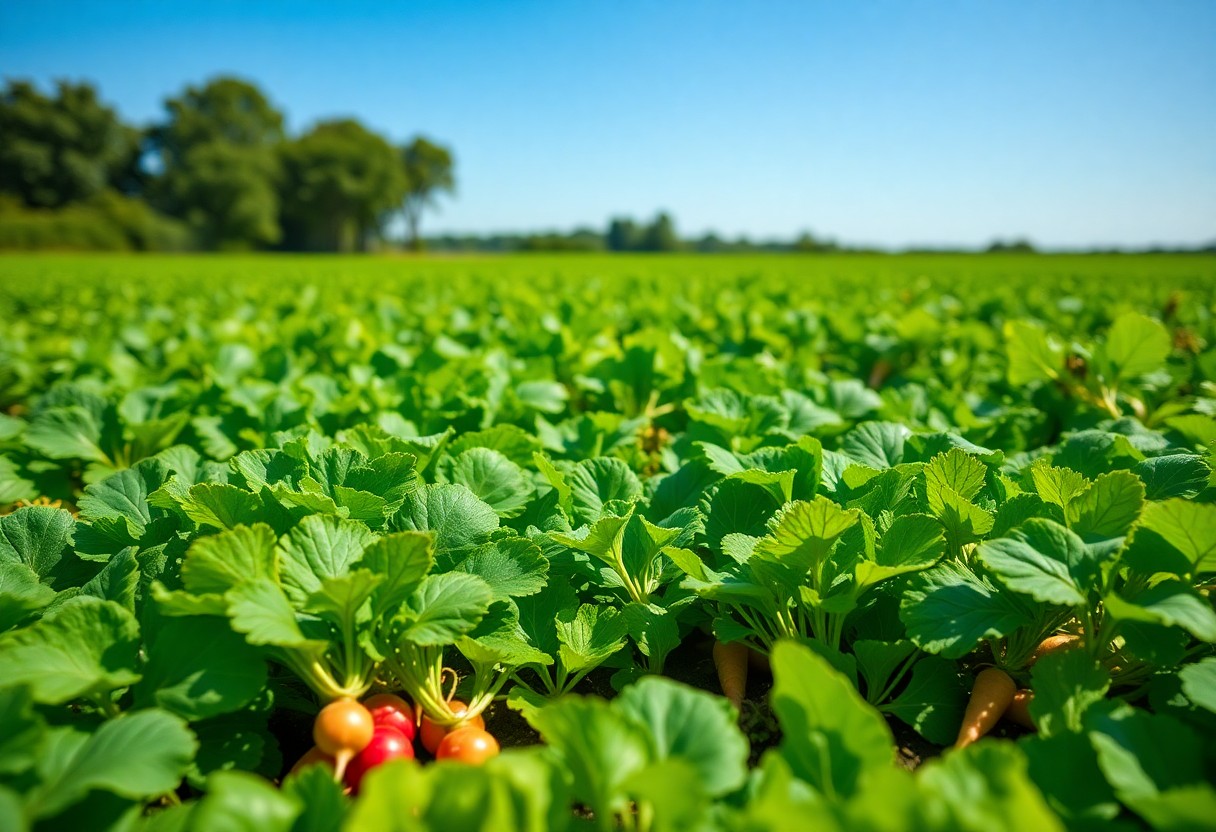
Harvesting fresh vegetables in your own garden is an incredibly rewarding experience, especially during the summer months. If you’re looking to enjoy a bountiful yield in a short period, fast-growing crops are your best option. In this post, you will discover five adaptable plants that thrive in warm weather, allowing you to reap the benefits of your labor in as little as 30 days. From crisp greens to vibrant beans, you’ll learn how to maximize your space and start enjoying the fruits of your efforts sooner than you think.
Understanding Fast-Growing Crops
To maximize your summer harvest, it’s vital to understand fast-growing crops. These plants thrive on shorter growing seasons, allowing you to enjoy fresh produce in a matter of weeks rather than months. Fast-growing crops are often easy to cultivate, making them perfect for gardeners of all skill levels. By selecting the right varieties, you can create a seasonal garden that provides a continuous supply of fresh vegetables, herbs, and fruits throughout the summer months.
Benefits of Fast-Growing Crops
To grow fast-growing crops offers numerous advantages. You can enjoy a quicker return on investment in terms of time and resources, as quicker harvests enable you to plant successive crops throughout the season. Additionally, these crops help diversify your garden, allowing you to experiment with new varieties and flavors. Lastly, harvesting rapidly growing plants can boost your overall gardening satisfaction and inspire you to cultivate more in the future.
Ideal Growing Conditions
Understanding the ideal growing conditions for fast-growing crops is vital for a successful harvest. These plants generally thrive in full sunlight, requiring at least 6-8 hours of direct sun daily. They prefer well-drained soil with adequate nutrients, often benefiting from fertilization to promote rapid growth. Additionally, consistent watering, while avoiding over-saturation, is vital for keeping fast-growing crops healthy.
In addition to sunlight and soil, fast-growing crops thrive in a warm climate, with optimal temperatures typically ranging between 65°F to 75°F. Keeping your garden free of weeds and pests is also important, as competition and infestation can stifle growth significantly. Pay attention to planting times and seasonal changes, ensuring you plant after the last frost to allow your crops enough time to flourish. By providing these ideal conditions, you’re setting yourself up for a bountiful and satisfying summer harvest.
Top 5 Fast-Growing Crops
Now that summer is in full swing, you may want to maximize your garden’s output with fast-growing crops. These plants thrive in warm weather and can provide a quick return on your efforts. With a few weeks of growth, you can enjoy fresh produce right from your backyard, making your summer meals even more delightful.
Lettuce
At just a few weeks from planting to harvest, lettuce is one of the fastest crops you can grow. You can plant various types, including Romaine and Butterhead, to diversify your salads. It thrives in cooler temperatures but can handle the warmth of summer if grown in partial shade.
Radishes
Below are another excellent choice for rapid results. Radishes can go from seed to table in as little as three weeks. They grow quickly and can be planted in succession to provide a continuous harvest throughout the summer.
Another fantastic benefit of radishes is their adaptability. These root vegetables can flourish in various soil types and can even help aerate the soil, improving the overall health of your garden. Plus, their crisp texture and spicy flavor can add a delightful kick to salads and snacks.
Spinach
Among the leafy greens, spinach is a favorite due to its high nutritional value and quick growth. Typically ready for harvest in about 30 days, you can enjoy fresh leaves in salads, smoothies, and cooked dishes throughout the summer.
Fast-growing spinach is packed with vitamins and minerals, including iron and calcium, making it a powerhouse addition to your diet. You can also stagger your plantings to enjoy multiple harvests, ensuring you have a continuous supply of this excellent leafy green throughout the season.
Basil
Around the world of herbs, basil stands out for its aromatic qualities and rapid growth. You can expect to harvest basil in about 3 to 4 weeks, making it perfect for your summer dishes and pesto recipes.
Indeed, basil not only enhances the flavor of your meals but also attracts pollinators to your garden. Growing basil can also deter certain pests, making it a beneficial companion plant for other crops in your garden.
Green Beans
About the warm-weather crops, green beans are easy to grow and produce quickly, often ready for harvest in just 50 to 60 days. Their climbing vines can save space and give you a bountiful yield in your vegetable garden.
Crops like green beans are great because they thrive in warmer temperatures and produce ample harvests that can last through the season. They also provide protein and fiber, making them a healthy choice for your meals. Happy planting!
Planting Tips for Quick Harvests
Despite the warmth of summer, implementing the right planting tips can lead to a bountiful crop. To ensure quick harvests, consider the following:
- Choose fast-growing crops suitable for your climate.
- Plant seeds at the recommended depth and spacing.
- Utilize transplants for even faster results.
- Time your planting based on first and last frost dates.
Knowing these tips can significantly enhance your summer gardening experience.
Soil Preparation
Behind every successful garden is well-prepared soil. Prior to planting, ensure your soil is rich in nutrients and has good drainage. Conduct a soil test to adjust pH levels if necessary and remove any weeds or debris. Incorporating organic matter, like compost, enhances soil structure, allowing for better root development and quicker crop growth.
Watering and Care
To promote rapid growth, you need to establish a consistent watering routine. Young plants are especially sensitive to irregular moisture, so water evenly and deeply to encourage strong roots. Utilize mulch to retain soil moisture and keep weeds at bay. Additionally, monitor your plants for pests and diseases, addressing issues promptly to maintain overall health.
Planting your crops with care will ensure that you give them the best chance for rapid growth. Adequate water is vital, but avoid over-watering as it can lead to root rot. Always water early in the morning or later in the evening to minimize evaporation. Employing organic fertilizers during the growing season can boost nutrient availability, helping your crops achieve their maximum potential for a speedy harvest.

Pest Management for Rapid Growth
For a successful quick harvest, effective pest management is imperative. Having a proactive approach can minimize damage from pests and help your crops thrive. Regular monitoring of your plants, combined with strategic pest control methods, will not only protect your harvest but also promote healthy growth. Engage in practices that bolster plant resilience, ensuring you reap the benefits of your labor.
Common Pests to Watch For
Common pests to keep an eye out for include aphids, spider mites, and cucumber beetles, which can wreak havoc on your summer crops. These tiny invaders can reproduce quickly, leading to infestations in no time. If you notice any signs of damage on your plants, address the situation immediately to safeguard your growing season and maintain healthy produce.
Organic Pest Control Solutions
On the flip side, there are numerous organic pest control solutions that you can employ to combat these nuisances effectively. Options such as neem oil, insecticidal soap, and diatomaceous earth provide natural defenses against pests, ensuring your crops remain healthy without the use of harmful chemicals.
Indeed, embracing organic pest control solutions allows you to protect your plants while being environmentally friendly. Methods like introducing beneficial insects—such as ladybugs and lacewings—can help maintain pest populations. Additionally, companion planting can deter pests naturally by utilizing the synergy of various plants. Utilizing these organic strategies not only keeps your crops safe but also supports a healthier ecosystem, encouraging a bountiful harvest.
Timing Your Planting for Optimal Harvest
After determining the best fast-growing crops for your garden, it’s vital to time your planting effectively. Your local climate and the average last frost date provide a framework for when to sow seeds or transplant seedlings. By planting at the right moment, you can maximize yield and enjoy a bountiful summer harvest. Pay attention to specific crop instructions, as each variety has its own optimal planting window.
Seasonal Considerations
On a practical level, your planting schedule should align with seasonal factors like temperatures and precipitation. Warm-season crops, such as beans and cucumbers, thrive when soil temperatures rise consistently. Conversely, cool-season crops, like lettuce and peas, can tolerate slight frost and should be planted earlier in the spring or later in the summer for fall harvests. Monitoring your local weather conditions will help you achieve the best results.
Succession Planting
For efficient use of your garden space and to yield continuous harvests, consider practicing succession planting. This technique involves sowing crops in intervals, allowing you to replace harvested plants with new ones. You can maximize your garden’s productivity by staggering your plantings every few weeks, ensuring a steady supply of fresh produce throughout the growing season. This approach helps prevent crop waste and caters to your fresh produce desires, providing you with a consistent harvest just when you need it.
Timing is key to the success of your succession planting. Start by selecting crops with overlapping growth cycles, which allows you to harvest and replant efficiently. For example, you might plant fast-growers like radishes alongside slower-growing crops like carrots. As you harvest the radishes, the carrots will still be maturing. This method ensures that no space goes unused and that you continuously enjoy fresh vegetables from your garden. Always keep an eye on your harvest dates and plan your subsequent plantings to create an ongoing chain of fresh produce.
To wrap up
With these considerations in mind, you can efficiently select fast-growing crops that yield a quick summer harvest. By incorporating options like radishes, lettuce, and green beans into your gardening plan, you can enjoy fresh produce without a long wait. These crops not only thrive in the warm weather but also add diversity to your meals. Take advantage of the summer season, and you’ll find that with a little planning and care, your garden can be abundant in no time.