
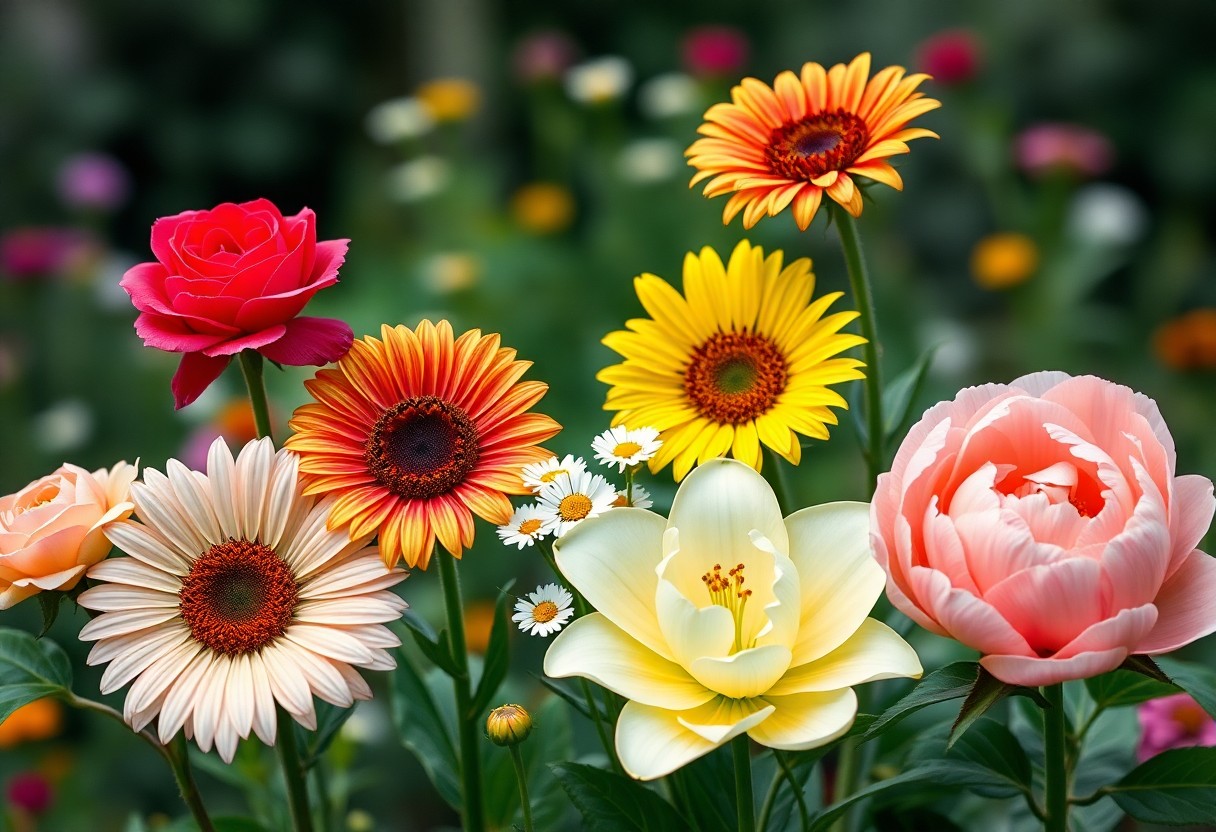
There’s nothing quite like the joy of having fresh flowers in your home, and you can easily grow your own cut flowers to brighten your space. In this post, you’ll discover the top five varieties that are not only beautiful but also easy to cultivate in your garden or containers. From vibrant daisies to aromatic lavender, these flowers will enhance your surroundings and provide you with stunning arrangements. Get ready to dig in as we share vital tips for growing these lovely blooms at home!
Benefits of Growing Cut Flowers at Home
To grow cut flowers at home not only enhances your garden but also provides numerous benefits. You can enjoy vibrant blooms, fresh scents, and the joy of nurturing plants. Additionally, growing your own flowers can save you money, reduce environmental impact, and promote mental well-being. Whether for personal use or gifting, cultivating cut flowers in your backyard is a rewarding endeavor that contributes to both your lifestyle and the planet.
Aesthetic Appeal
After spending time and effort nurturing beautiful cut flowers, you can transform your home into a vibrant sanctuary. Fresh blooms add color, fragrance, and warmth, making any space inviting and cheerful. By selecting a variety of flowers, you can create stunning arrangements that reflect your personal style while enhancing the overall aesthetic of your home.
Environmental Impact
Around your home, growing cut flowers can significantly benefit the environment. You contribute to local biodiversity and support pollinators, like bees and butterflies, by planting native and seasonal blooms. Additionally, homegrown flowers reduce the need for imported varieties that often require extensive transportation, which helps decrease your carbon footprint and promotes a sustainable lifestyle.
With the increase in urbanization, many flower varieties are cultivated using harmful pesticides and fertilizers, creating a negative impact on ecosystems. By choosing to grow your own cut flowers, you can opt for organic and sustainable practices, thus enhancing local biodiversity and providing habitats for beneficial insects. Furthermore, the act of gardening itself can be therapeutic, fostering a healthy connection with nature and encouraging you to learn more about the flora around you. Your efforts in growing flowers not only beautify your space but also contribute positively to the environment and community.
Choosing the Right Cut Flowers
If you’re commenceing on the journey of growing your own cut flowers, selecting the right varieties is important for a rewarding experience and stunning arrangements. Consider not only aesthetic value but also the ease of cultivation and their vase life. This will ensure that you enjoy beautiful blooms to brighten your home and enhance your decor.
Factors to Consider
Choosing cut flowers for your garden involves careful thought. Consider these factors:
- Climate suitability – Ensure the flowers match your region’s weather conditions.
- Growth habits – Select plants that fit well in your garden’s space.
- Harvest schedule – Think about when you’ll want to cut the blooms throughout the year.
Any well-informed choice will lead to a bountiful harvest of beautiful cut flowers.
Seasonal Varieties
Above all, incorporating seasonality into your cut flower selection allows you to enjoy diverse blooms throughout the year. You can benefit from planting early, mid, and late-season flowers to keep your floral arrangements vibrant and interesting. This strategy not only ensures a steady supply of fresh flowers but also aligns with their natural growth cycles.
Right now, think about how you can plant a mix of strong seasonal varieties, such as daffodils in spring, sunflowers in summer, and dahlias in fall. These flowers not only provide stunning aesthetics but are also generally easy to grow, making them perfect for both novice and experienced gardeners. Plus, their staggered blooming periods mean you can enjoy fresh cut flowers throughout multiple seasons.
Top 5 Cut Flowers to Grow
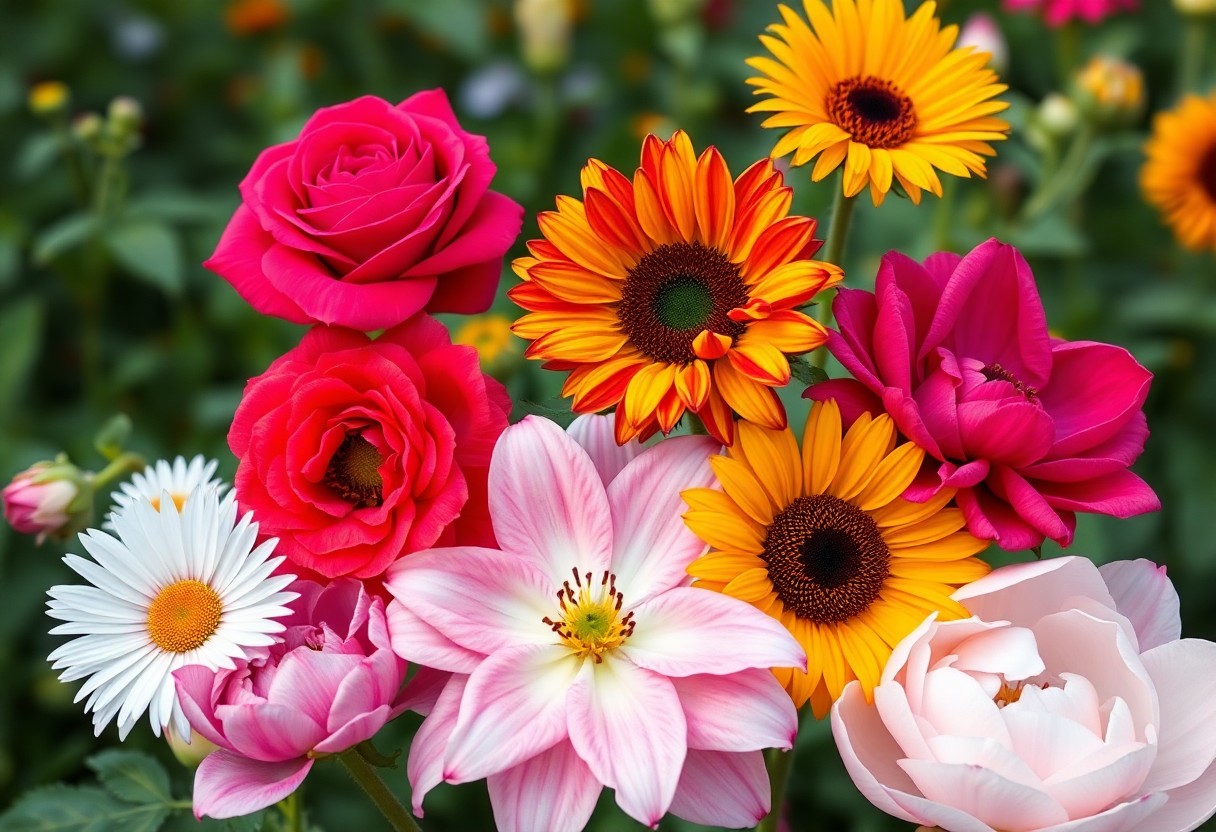
Some of the most beautiful cut flowers can be easily grown in your garden, providing you with vibrant colors and delightful fragrances right at your doorstep. From sunflowers to lilies, these picks will surely elevate your home decor and brighten up any space. Here are the top five cut flowers you should consider growing at home!
Sunflowers
Grow sunflowers for their stunning, large blooms that can reach heights of up to 10 feet! These cheerful flowers thrive in full sun and require minimal care, making them an excellent choice for beginner gardeners. Their bright yellow petals and prominent centers create a striking centerpiece when cut and arranged.
Zinnias
Beside offering a burst of color, zinnias are incredibly easy to grow. They come in various shapes, sizes, and hues, making them a versatile addition to your garden. With their sturdy stems and long-lasting blooms, zinnias serve as ideal cut flowers that can brighten your home for weeks.
With consistent watering and full sun exposure, zinnias will reward you with a profusion of flowers all summer long. As they thrive in poor soil conditions, they’re also low-maintenance, allowing you to focus on creating stunning arrangements without hefty gardening chores. Their rich colors and various shapes make zinnias a gardening delight!
Roses
Sunflowers may represent cheerfulness, but you can’t overlook the timeless elegance of roses. While they require more care than some other flowers, the beauty and fragrance they bring to your cutting garden are worth the effort. Choose from countless varieties to suit your taste, creating a unique palette for your floral arrangements.
But be aware that roses do need regular pruning and specific conditions to thrive, such as well-drained soil and adequate sunlight. However, your effort will be rewarded with spectacular blooms that can add grace and charm to any bouquet. The enchanting aroma and lush petals of roses make them an undeniable favorite among most flower lovers.
Dahlias
Across various colors and forms, dahlias bring unmatched beauty to any garden. These flowers bloom from mid-summer until the first frost, offering you a long cutting season. The wide range of shapes, sizes, and vibrant hues makes them ideal for creating striking floral arrangements.
At their best, dahlias require full sun and well-drained soil to flourish, along with some regular maintenance, such as deadheading to promote further blooming. Once established, their stunning flowers serve as excellent cut specimens, allowing you to showcase their beauty indoors. Be prepared to impress your guests with the stunning variety they bring!
Lilies
Along with their stunning beauty, lilies offer a unique elegance that elevates any arrangement. Their tall stems and large, fragrant blooms attract admiration and create dramatic visual appeal. They are perfect for adding height and sophistication to your cut flower displays. You can find numerous varieties, from classic Asiatic to more exotic Orientals, each with distinct qualities.
Understanding the light and water requirements of lilies will help you enjoy their magnificent blooms. They prefer well-drained soil and bright, indirect sunlight. While their striking appearance might seem delicate, lilies are remarkably resilient and can thrive for years if cared for properly. Just keep in mind to handle them carefully, as some varieties can be toxic to pets.
Tips for Cultivating Cut Flowers
Once again, growing your own cut flowers is a rewarding endeavor that can transform your home into a vibrant oasis. To maximize your success, consider these practical tips:
- Choose the right variety for your climate.
- Ensure good drainage to avoid waterlogging.
- Harvest flowers at the right stage for best longevity.
- Regularly deadhead to promote new blooms.
Knowing these vital practices will set you on the right path to enjoy gorgeous cut flowers from your garden.
Soil and Fertilization
Cultivating cut flowers begins with the right soil preparation and fertilization. Use a well-draining soil mix enriched with organic matter to provide the necessary nutrients your flowers need to thrive. Testing your soil’s pH can help determine necessary amendments, ensuring optimal growing conditions. Incorporate a balanced fertilizer during planting and follow up with regular applications to support robust growth and blooming.
Watering and Maintenance
Below, maintaining a consistent watering schedule is vital for the health of your cut flowers. Water them deeply and infrequently, allowing the top layer of soil to dry out between waterings. This encourages strong root development and water retention. Additionally, keep an eye out for pests or diseases, removing affected plants promptly to prevent spread.
Hence, to ensure your cut flowers thrive, always check for moisture levels and adjust your watering schedule according to the weather conditions. During hot days, you may need to water more frequently, while cooler days may reduce the need for watering. Regularly cleaning away debris and dead foliage helps promote air circulation and reduces the risk of disease. By staying vigilant and attentive, you can enjoy a stunning array of blooms that will brighten your home.
Harvesting and Arranging Cut Flowers
Keep in mind that the way you harvest and arrange your cut flowers can greatly affect their longevity and visual appeal. Proper techniques will ensure your blooms thrive and can be part of stunning displays all year round. Take care to choose the best time to cut, and learn how to arrange them in a way that showcases their beauty and complements your home decor.
Best Practices for Harvesting
Harvesting your flowers at the right time is necessary for maximizing their freshness. Cut them early in the morning or late in the afternoon when temperatures are cooler. Use sharp, clean scissors to avoid damaging the stems. Always cut at a 45-degree angle to allow for better water uptake, and remove any leaves that may sit below the waterline once placed in a vase.
Creating Beautiful Arrangements
Harvesting is just the first step to achieving a beautiful floral display. After cutting your flowers, sort them by type and height, allowing for a more cohesive arrangement. Use a mix of colors and textures to bring out your flowers’ natural beauty. Consider incorporating greenery or filler flowers to add depth and dimension. Finally, keep your arrangements hydrated by changing the water regularly and trimming the stems every few days to promote long-lasting blooms.
Creating beautiful arrangements doesn’t simply rely on the flowers alone — your creativity plays a significant role. Start by selecting a focal flower, then build around it with complementary blooms. You can even experiment with different vase styles, from modern to vintage, to enhance the overall aesthetic. Varying the heights of your flowers creates visual interest, while an odd number of stems typically yields a more natural look. Lastly, don’t shy away from seasonal elements like branches, berries, or foliage, which can provide a stunning backdrop to your vibrant florals.
Troubleshooting Common Issues
Your gardening experience may come with its share of challenges. Properly identifying and addressing these issues will help you maintain healthy cut flowers and enjoy their beauty longer. Keep an eye out for pests, diseases, and environmental factors that may impede your flowers’ growth. By taking proactive steps, you can mitigate these problems and continue to cultivate a thriving floral environment in your home.
Pests and Diseases
At times, the menace of pests and diseases can threaten your cut flowers. Common pests such as aphids, spider mites, and whiteflies often invade flowers, while diseases like powdery mildew and root rot may weaken or kill your plants. Regularly checking for signs of infestation or disease and implementing organic treatments, such as insecticidal soap or neem oil, will help protect your beloved blooms.
Environmental Challenges
Pests and environmental challenges go hand in hand when it comes to successful flower gardening. Factors like temperature fluctuations, humidity levels, and poor soil drainage can adversely affect the growth of your flowers, making them more susceptible to pests and diseases. Optimal conditions for growth include well-drained soil, consistent watering, and suitable light exposure. By adjusting these environmental factors, you can create a thriving habitat for your flowers and significantly reduce the occurrence of issues.
Understanding the impact of environmental factors on your cut flowers is vital for their success. Temperature extremes, whether too hot or too cold, can lead to stunted growth or even flower drop. Additionally, maintaining appropriate humidity can prevent fungal diseases that thrive in overly moist conditions. Ensure you provide well-draining soil to combat issues like root rot, and monitor your plants’ exposure to sunlight to encourage healthy flowering. By fine-tuning these elements, you can cultivate an environment that promotes the health and beauty of your flowers.
Conclusion
Presently, growing cut flowers at home is an enriching experience that allows you to bring beauty and fragrance into your living space. By cultivating varieties like sunflowers, dahlias, zinnias, lavender, and peonies, you can create stunning floral arrangements while enhancing your gardening skills. These top five cut flowers are relatively easy to grow and can thrive in various conditions, making them ideal for both novice and experienced gardeners. As you nurture your blooms, you’ll not only enjoy their visual appeal but also gain a rewarding sense of accomplishment in your gardening journey.