
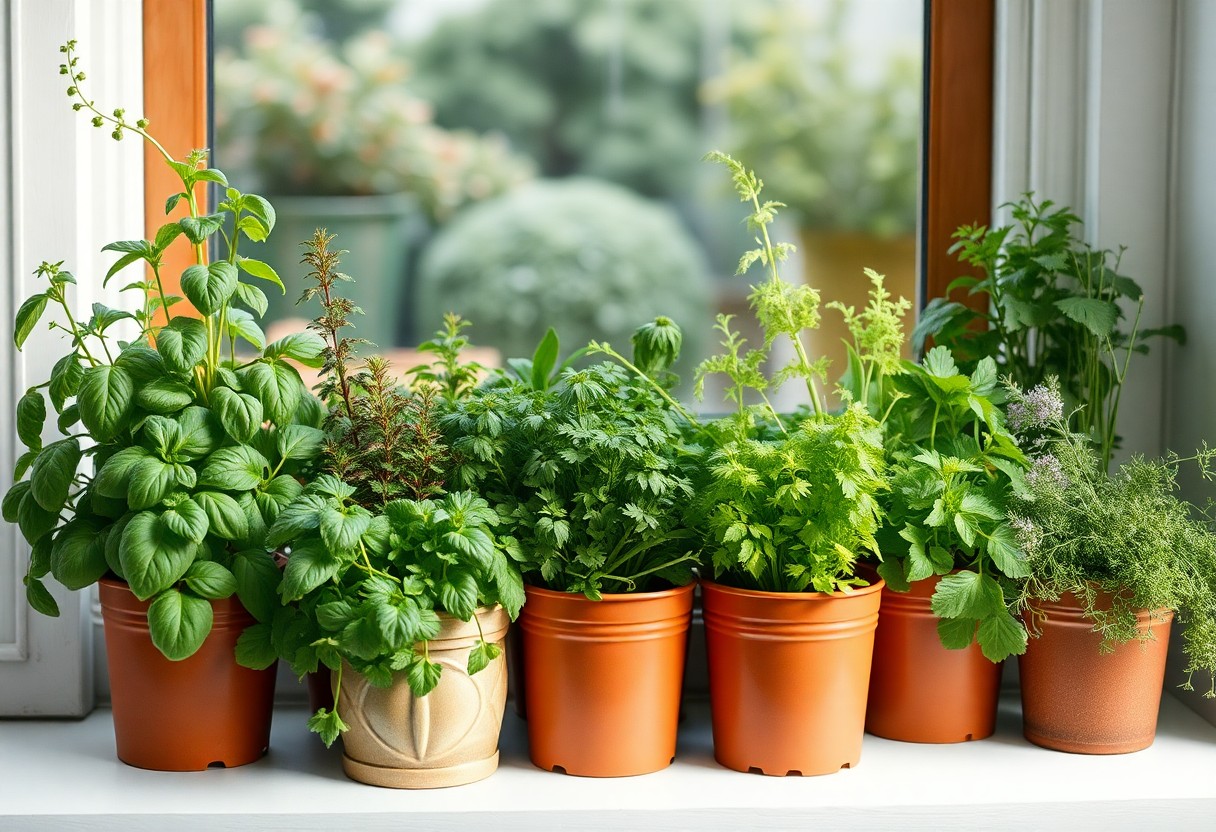
Many home cooks are unaware that growing your own herbs can not only save you money but also elevate your culinary creations. With fresh, homegrown herbs, you’ll have access to vibrant flavors that store-bought seasonings simply can’t match. In this listicle, you’ll discover 10 crucial herbs that are easy to grow and will ensure your dishes are bursting with flavor. Say goodbye to those pre-packaged spices and embrace nature’s bounty; you’ll never want to return to the grocery aisle again!
Basil
Before you start cooking with your favorite dishes, consider growing basil in your garden or on your windowsill. This aromatic herb not only enhances the flavor of countless cuisines but is also easy to cultivate. With its vibrant green leaves and delightful scent, basil can transform your meals from ordinary to extraordinary. By growing basil at home, you’ll have fresh leaves at your disposal whenever you need them, making it an necessary herb for any cook.
Sweet basil
You can easily cultivate sweet basil, a classic variety known for its fragrant leaves and culinary versatility. This herb thrives in warm, sunny environments, making it perfect for your kitchen garden. Use it to elevate everything from pasta sauces to salads, and enjoy its robust flavor in various dishes.
Thai basil
An aromatic cousin of sweet basil, Thai basil is a key ingredient in many Southeast Asian dishes. Its distinct licorice flavor pairs beautifully with spicy components and is commonly used in stir-fries and curries. You’ll find that its unique taste can elevate your culinary creations to new heights.
It stands out for its shiny green leaves and purple stems, making it a visually appealing addition to your garden. High in antioxidants and offering potential anti-inflammatory benefits, Thai basil is not only delicious but also a healthy choice. Its bold flavor profile complements dishes like pad thai and green curry, enriching your meals. Additionally, Thai basil is relatively easy to grow, as it thrives in warm and humid conditions, allowing you to enjoy a fresh supply all season long.
Oregano
While oregano is a staple herb in many kitchens, growing your own can enhance your culinary experience. This aromatic herb not only adds flavor to dishes like pizza and pasta, but it also boasts numerous health benefits, making it a smart addition to your herb garden. With its robust flavor and easy growing requirements, oregano can transform your meals and make you feel like a culinary expert.
Greek Oregano
Little do most people know, Greek oregano (Origanum vulgare subsp. hirtum) is revered for its pungent flavor and aroma. This variety thrives in warm climates and sunny spots, making it perfect for garden planting. With its potent necessary oils, Greek oregano delivers a taste that is more intense compared to regular oregano, elevating your Mediterranean dishes to new heights.
Italian Oregano
Even though Italian oregano (Origanum x majorana) is often used interchangeably with its Greek counterpart, it offers a sweeter and milder flavor profile. When you grow Italian oregano, you’ll find it is particularly well-suited for cuisine such as marinara sauces, dressings, and grilled vegetables. This versatility makes it an necessary herb to have on hand in your kitchen.
Greek oregano is known for its strong flavor, and it offers several health benefits. This herb is packed with antioxidants and has anti-inflammatory properties, helping with digestion and possibly boosting your immune system. On the other hand, Italian oregano provides a more subtle flavor that complements light dishes well. Both varieties can be used fresh or dried, so your culinary creativity can thrive, no matter which way you choose to enjoy your homegrown herbs.
Rosemary
Some herbs are both a delight to the senses and a practical addition to your garden, and rosemary is no exception. This fragrant perennial is adaptable to various climates and is renowned for its rich flavor, making it a must-have for your kitchen. Whether used in roasted dishes, marinades, or teas, its versatility ensures you’ll never run out of creative ways to season your meals. Plus, as an added benefit, growing your own rosemary means having fresh leaves at your fingertips whenever you want to elevate your culinary creations.
Upright rosemary
Assuming you’re looking for a striking specimen, upright rosemary is an excellent choice for your garden. With its tall, sturdy stems and needle-like leaves, this variety can reach impressive heights. It’s perfect for adding structure to borders or pots, and its intense aroma will bring a wonderful ambiance to your outdoor space. You’ll appreciate how easy it is to harvest from this upright form, allowing you easy access to its flavorful leaves.
Creeping rosemary
While upright rosemary offers a vertical element to your garden, creeping rosemary provides a unique ground-cover option. This low-growing variety spreads out, creating a lush carpet of aromatic foliage that can fill in gaps and soften edges in your garden beds. It thrives in sunny areas and is resistant to drought, making it a smart choice for low-maintenance landscaping.
The creeping rosemary not only brings visual interest to your landscape but also delivers robust flavor in culinary use. This herb is especially good for seasoning roasted vegetables, meats, and even bread. One fantastic benefit is its ability to thrive in poor soils, making it an excellent option for those who prefer a more hands-off gardening approach. Additionally, its hardy nature allows it to resist pests and diseases, ensuring your plant remains healthy and vibrant for years to come.
Thyme
All gardeners and cooking enthusiasts should consider growing thyme. This aromatic herb is not only a staple in various cuisines around the world but also boasts numerous health benefits. Easy to cultivate and maintain, thyme enhances flavors with its unique earthy notes and can be used fresh or dried in a wide variety of dishes. With its resilient nature, thyme can thrive in poor soil conditions and requires minimal watering, making it a perfect addition to your herb garden.
Common Thyme
If you are looking for a versatile herb, common thyme is an excellent choice. This variety has a robust flavor that pairs well with meats, vegetables, and soups, making it a key ingredient in your pantry. To cultivate common thyme, ensure you provide it with plenty of sunlight and well-draining soil, as it thrives in dry conditions. Regular trimming will promote bushy growth and encourage more flavorful leaves.
Lemon Thyme
An intriguing variant of thyme, lemon thyme brings a bright citrusy flavor to your culinary creations. This herb is particularly delightful in dishes like seafood, chicken, and salads, as its lightness complements a variety of ingredients. You can easily grow lemon thyme in your garden or even in containers, making it accessible for those with limited space.
This herb not only enhances dishes but also has beneficial properties. Most notably, lemon thyme is rich in antioxidants, which can help support your immune system. Beyond its culinary use, the herb can also be applied in herbal teas, providing a soothing aroma that promotes relaxation. It is important to note, however, that while lemon thyme is generally safe, some people may have allergic reactions, so start with small amounts when trying it for the first time.
Parsley
Now, parsley is an imperative herb that not only adds flavor to your dishes but also provides a vibrant touch to your garden. This versatile herb can be used in a variety of cuisines, making it a must-have in your herb collection. Growing parsley is straightforward, and with the right care, you can enjoy fresh leaves year-round to elevate your meals without the need for store-bought seasoning.
Curly parsley
For those who appreciate a decorative touch in their dishes, curly parsley is an excellent choice. Its frilled leaves not only enhance the presentation of your plates but also pack a mild flavor that complements salads, soups, and garnishes. You can plant curly parsley in well-drained soil, and with adequate sunlight and moisture, you’ll have a steady supply to brighten any meal.
Flat-leaf parsley
Any chef will tell you that flat-leaf parsley is often preferred for its robust flavor profile. This herb is more fragrant and is commonly used in Mediterranean and Italian dishes, where it shines in sauces, pestos, and marinades. Flat-leaf parsley also has a higher nutritional value compared to its curly counterpart, making it an excellent addition to your culinary repertoire.
For instance, flat-leaf parsley is rich in vitamins A, C, and K, enhancing your dishes while providing imperative nutrients. It can be easily incorporated into your cooking, adding a fresh burst of flavor without overwhelming your palate. When Planting flat-leaf parsley, ensure it receives sufficient sunlight and water, as this will enhance its taste and vitality. Additionally, harvest leaves regularly to encourage new growth and maintain the plant’s health for long-lasting use in your kitchen.
Dill
Unlike many herbs, dill adds a fresh, slightly tangy flavor to your dishes, making it a favorite for pickling, salads, and seafood. This aromatic herb not only enhances the taste but also offers health benefits such as improved digestion and antioxidant properties. Cultivating dill in your garden or pots is easy and rewarding, ensuring you’ll have a steady supply for all your culinary needs.
Bouquet dill
There’s a reason bouquet dill is a popular choice among home gardeners. This variety is known for its lush foliage and abundant flower heads, making it visually appealing while delivering a robust flavor. It’s perfect for adding to salads or as a garnish on various dishes.
Fernleaf dill
Now, if you’re looking for a compact variety, fernleaf dill is ideal for small spaces and containers. This herb features finely cut leaves and a milder flavor, perfect for enhancing fish and vegetable dishes without overpowering them.
You can enjoy fernleaf dill’s easy maintenance, as it requires minimal care. It typically grows to about 18 inches tall, making it an excellent choice for container gardening. Fernleaf dill is also resistant to bolting in warm temperatures compared to other dill varieties, allowing you to harvest fresh leaves longer into the growing season. Incorporate this versatile herb into your cooking, and you’ll appreciate its delicate flavor and convenience in your kitchen.
Cilantro
Keep your dishes vibrant and flavorful by growing cilantro in your garden. This versatile herb thrives in well-drained soil and works wonderfully in various cuisines, imparting a fresh, zesty taste to your meals. Rich in vitamins A, C, and K, cilantro is not only a culinary delight but also a nutritious addition to your diet. Plus, having your own supply of cilantro means you can skip the store-bought varieties and enjoy fresh, aromatic flavors straight from your backyard.
Slow-bolt cilantro
Clearly, slow-bolt cilantro is a fantastic choice for gardeners who want to enjoy a longer harvesting period. Unlike standard cilantro, which quickly bolts in warm temperatures, slow-bolt varieties are bred to withstand heat better, allowing for a more prolonged yield. You can expect continuous harvests, and enjoy the fresh taste of cilantro throughout the growing season.
Chinese cilantro
Chinese cilantro is a unique and flavorful variety that you may want to consider for your herb garden. Known for its distinctive taste, it has a more robust flavor profile and larger leaves than traditional cilantro, making it a staple in many Asian dishes. This herb can also add an exciting twist to salads, soups, and salsas, enhancing the overall taste of your culinary creations.
Any gardener looking to diversify their herb collection should not overlook Chinese cilantro. Its robust flavor can elevate your dishes, providing a perfect complement to various recipes. This herb is also easy to grow and can thrive in both containers and garden beds. Best of all, you can enjoy its freshness all season long, adding a zesty touch to your meals without relying on store-bought options. Cultivating Chinese cilantro is not only a practical choice but also a delicious way to enhance your culinary skills.
Chives
Despite being one of the most simple herbs to grow, chives pack a flavorful punch and a dose of elegance to any dish. Their mild onion flavor enhances salads, soups, and sauces, making them a kitchen staple you can easily cultivate in your garden or even in pots. Chives thrive in well-drained soil and require plenty of sunlight, ensuring that you can enjoy their fresh taste throughout the growing season.
Common chives
Chives are a versatile herb that is perfect for adding to salads, omelets, and dips. Their slender, green leaves introduce a mild onion flavor, making them a favorite in many cuisines. As a low-maintenance herb, you can easily grow common chives in your home garden or even on your windowsill for a fresh and readily available seasoning.
Garlic chives
An exceptional variety of chives, garlic chives, or *Allium tuberosum*, have a notably stronger garlic flavor. This unique twist makes them a delightful addition to Asian dishes, salad dressings, and even as a garnish. Their flat leaves distinguish them from common chives, and they bloom with beautiful white flowers, making them not only a culinary treasure but also an attractive garden addition.
Garlic chives are rich in vitamins A and C, providing added nutritional benefits to your meals. They are perfect for those looking to enhance flavors without overpowering other ingredients. While growing garlic chives, pay attention to their need for full sun and well-drained soil. Additionally, they can attract beneficial pollinators to your garden, making them a great choice for an eco-friendly herb garden. However, be cautious: these chives can be potent, so start with small amounts to gauge your tolerance!
Mint
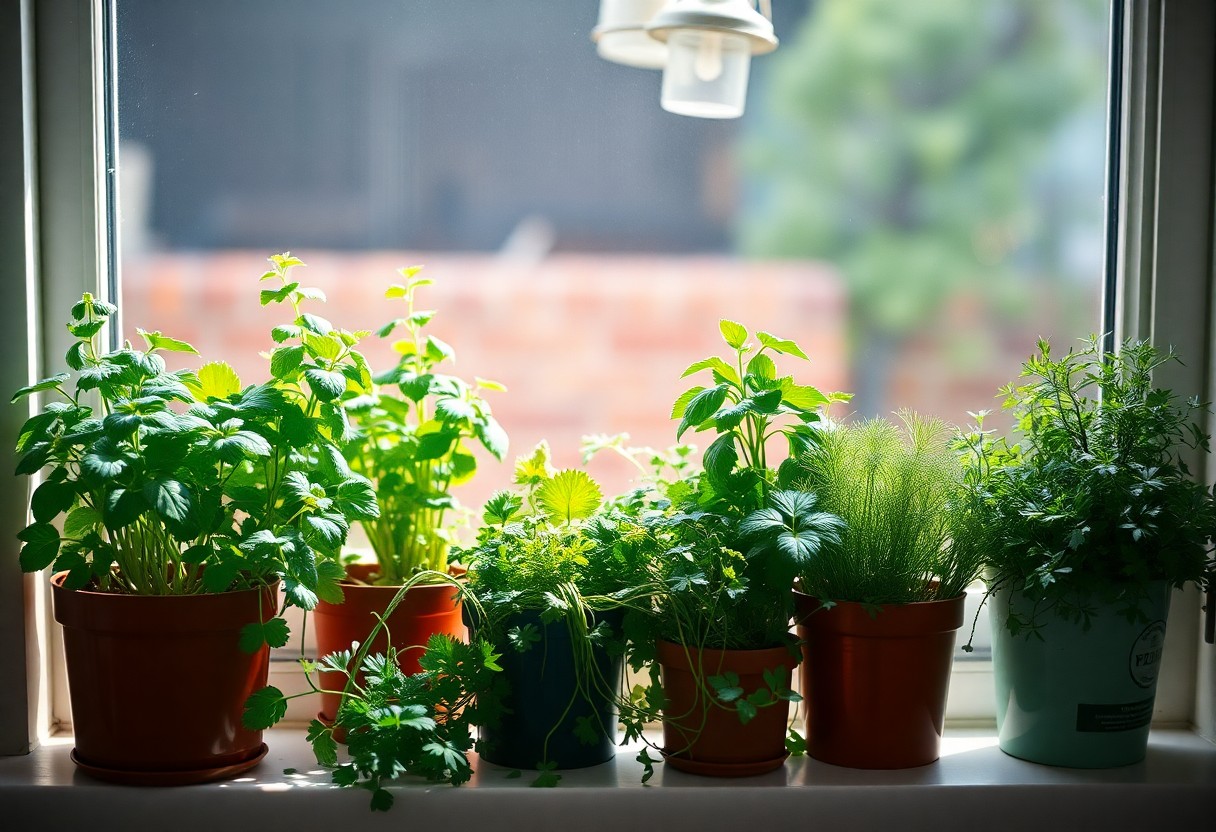
After you incorporate mint into your herb garden, you’ll soon discover its versatile nature and refreshing flavor. This herb can elevate your dishes, from salads to sauces, and offers an invigorating element to beverages. Not only does it thrive in pots or gardens, but it also grows abundantly, providing you with a continuous supply without the need for store-bought options.
Spearmint
Spearmint is known for its sweet and mild flavor, making it a favorite for culinary uses. You can easily grow this herb in your garden or even indoors. Use spearmint to add a delightful touch to your teas, desserts, or savory recipes. It’s a fantastic addition to your summer beverages, giving them a refreshing twist.
Peppermint
On the other hand, peppermint offers a more robust and menthol flavor, perfect for enhancing both sweet and savory dishes. This herb can grow aggressively, so planting it in a contained area is advisable to prevent it from overtaking your garden. Add peppermint to smoothies, chocolate desserts, or even use it to make necessary oils.
This herb not only brings a delightful flavor to your recipes but also has numerous therapeutic benefits. You may find that peppermint can help soothe digestive issues and alleviate headaches. Its antimicrobial properties can also contribute to better oral health. By growing peppermint, you harness its potential to enhance both your culinary creations and overall well-being, making it an invaluable addition to your home herb garden.
Conclusion
Following this guide, you can cultivate these 10 vital herbs in your garden and enhance your culinary endeavors while eliminating the need for store-bought seasonings. Not only will you enjoy fresher, more vibrant flavors, but you’ll also gain the satisfaction of growing your own herbs and having them on hand whenever you need them. Embrace this opportunity to elevate your cooking skills and enhance your meals with homegrown ingredients.